
7 Proven Drone Works in Rural Areas That Actually Make Money

September 2, 2025
When most people think about making money with drones, they picture big cities. Skyscrapers. Construction sites. Fast-paced events. But here’s the truth: some of the best drone jobs are out in the country.
Rural areas offer more than peace. For drone pilots, they offer real income opportunities, wide-open spaces, unique properties, and likely fewer competitors.
If you live in a small town or remote area, don’t assume you’re stuck. Drone work in rural areas are in demand. And they’re growing fast.
You don’t need traffic, towers, or city noise to run a profitable drone business. You need the right skills and a clear plan.
In this article, we’ll walk through 7 proven ways to make money with drones in rural locations. These are real jobs real pilots do. They’re not always flashy, but they’re effective, and they pay.
Let’s get into it.
Crop Analysis: Top Drone Work in Rural Areas
You don’t need to chase city contracts to run a successful drone business.
In fact, many pilots earn a solid income from drone work in rural areas, often with less competition and more creative freedom. The key is knowing which jobs are in demand and how to position yourself for them.
Here are 7 proven drone jobs that help pilots make a mark and a buck out in the countryside.
Ranch and farm marketing is one of the most profitable drone jobs in rural areas, but it’s often overlooked. In recent times, though, drone pilots are finding that farms and ranches have high value potential.
When it’s time to sell, owners and realtors want to show them off in the best possible light. That’s where your drone comes in. Where once tours on foot or in a vehicle were necessary to see these large properties, drones can map them quickly and cinematically.
This allows you to highlight:
These videos help sell the lifestyle, peace, privacy, and open skies. With the right shots and music, your drone work becomes a powerful marketing tool.
In instances of multi-million-dollar properties, a well-shot drone video can help a ranch sell faster, which means huge commissions for the agent. If your work helps close the deal, your service becomes invaluable and worth a premium.
Pro Tip: Visit sites like LandWatch.com or Hayden Outdoors to see how rural land is marketed. Most listings still use basic photos. This is your opportunity to stand out.
If you can make flat farmland look cinematic, you’re ready. This niche takes creativity, but the payoff is worth it.
Not all drone jobs in rural areas are flashy, but some are incredibly reliable. Home and roof inspections fall into this category.
In small towns or remote communities, there is a steady demand for high-quality aerial inspections, especially when properties are hard to access. With a drone, you can capture high-resolution images of:
These images are used by home inspectors, real estate agents, and insurance companies to assess property conditions safely and quickly.
Most inspection flights take less than an hour, but depending on your location and client, you can charge anywhere from $150 to $500 per job. Pilots working in larger rural zones often stack multiple inspections in a day, sometimes earning $1,000 or more.
This work becomes even more valuable and in demand after storms or natural events, when property owners need fast damage assessments for insurance claims.
Pro Tip: Reach out to local home inspectors and offer your drone as an add-on service. Many inspectors don’t fly drones or aren’t Part 107 certified, which gives you a relatively clear path forward.
If you’re looking for repeat business and consistent income, this is one of the most stable drone jobs in rural areas.
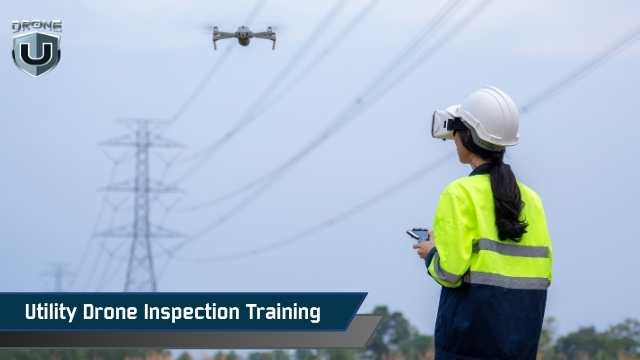
Utility inspection is one of the fastest-growing drone works in rural areas, and it pays well. Power lines, pipelines, cell towers, water tanks, and wind turbines often stretch across remote, hard-to-reach places.
For utility companies, sending in a drone is far safer and faster than dispatching a crew to climb towers or navigate rough terrain.
As a drone pilot in this niche, you will capture detailed images and videos to check for:
These examples and other related tasks often require more precision and training, but the payoff can be significant.
Cell and utility providers still need inspections done regularly, but fewer pilots are willing to cover rural zones, which gives you an advantage.
Skilled drone pilots in utility inspection can earn $100K or more per year. This is especially true when they are contracted by large companies or work through subcontracting networks.
Pro Tip: If you’re new to this type of work, look into drone mapping or infrastructure inspection training. Some contracts also require safety certifications or specific hardware, but even basic visual inspections can help land your first contracts.
If you enjoy technical flying, structure, and systems, utility inspections offer a pathway into high-paying drone careers in rural markets.
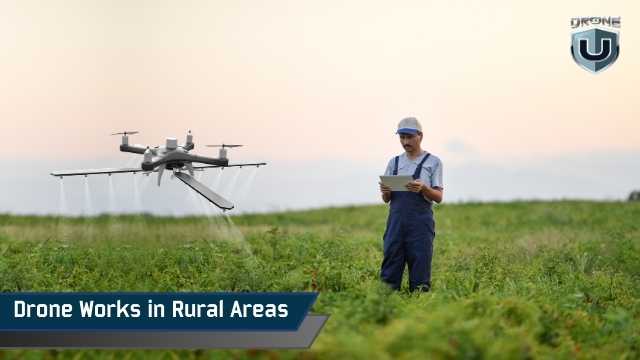
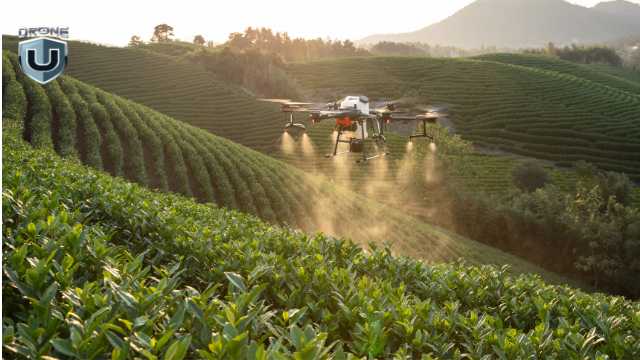
If you live in a farming region, agriculture is one of the biggest opportunities for drone pilots. Farmers and agronomists are increasingly relying on drone data to manage crops, cut costs, and boost yields.
With the right tools, you can provide insights that help them make smarter decisions without setting foot on the field.
Using a standard or multispectral camera, drones can detect:
This type of work often involves creating:
Many drone pilots start with basic orthomosaic mapping and gradually progress to more advanced crop analysis as they gain experience.
Pro Tip: Begin by collaborating with small farms or hunting preserves that need assistance with reclaiming or managing their land. Once you have examples/samples to show, it’s easier to land larger clients.
Agricultural drone work isn’t just about flying; it’s about delivering insights that drive results.
The niche can be highly profitable, but it rewards pilots who learn the tools and speak the farmer’s language.
Rural areas aren’t just for farming; many are home to hunting lodges, lakeside cabins, glamping resorts, and remote getaways. These locations thrive on their natural beauty, and drone pilots can play a key role in bringing that beauty to the rest of the world.
High-quality visuals are essential for attracting guests. With your drone, you can create:
Many rural resorts don’t have in-house marketing teams, so they rely on freelancers for affordable, high-quality content. These places are often booked up during the summer or hunting season. Because of this, they usually need fresh visuals ready months in advance.
Pro Tip: Offer a seasonal package. For example, one flight in spring and another in fall, so they get year-round visuals, and you get repeat work.
If you enjoy visual storytelling, creative flying, and tourism marketing, this is one of the most fun and flexible drone niches. It can also lead to long-term partnerships with local tourism boards, travel brands, and resorts.
Rural land is often vast, remote, and hard to capture from the ground. That’s why agents, landowners, and brokers rely on real estate drone work to effectively showcase their listings. This creates opportunities for consistent income streams for a pilot.
Your services can include producing:
These visuals help sell properties faster and at higher prices. In fact, listings with aerial photos consistently outperform those without.
Once you deliver a great first project, the clients will likely call you again when the next listing comes up.
Pro Tip: Check out sites like LandWatch.com or Lands of America for poorly marketed listings. Reach out to those agents and offer to upgrade their visuals. Share a reel of some of your work, and you stand a chance to turn a one-off job into a long-term contract.
While rural properties might take longer to sell, the payouts can be huge. One ranch drone job could lead to multiple listings, referrals, or even long-term media contracts with brokerages.
If you’re a certified manned pilot or work with one, banner towing and sightseeing flights can be profitable add-ons to your drone business. This is especially true of areas with seasonal events or tourism traffic.
Local businesses, festivals, and even political campaigns often look for cost-effective aerial advertising. Flying banners over lake events, country fairs, festivals, etc., grabs attention like nothing else.
In scenic rural areas, mountains, lakes, farmland, or wildlife preserves, there’s growing demand for aerial tours. These could be marketed to tourists, real estate buyers, or even locals looking for a unique experience.
Offering 20–30 minute flights with a local guide can be both fun and profitable. If you’re already a manned pilot, adding these to your services could bring in seasonal but profitable gigs.
Pro Tip: Even if you’re not a manned pilot, consider partnering with one. You can handle the drone media while they fly tours or tow banners. It’s a win-win that opens up more services.
Banner towing and sightseeing won’t replace your main income stream, but they are a smart way to diversify revenue and tap into seasonal tourism markets and unexplored niches.
Rural areas are bursting with opportunity. Whether it’s real estate, tourism, agriculture, or marketing, there are multiple ways to cash in with drones outside metropolitan areas. In fact, you deal with less competition and fly in more open spaces, giving you better margins and more flexibility than in an urban environment.
The key is to choose the right niche, build a small but impressive portfolio, and start reaching out to local landowners, realtors, and businesses. Your camera drone can be a business tool that opens doors to steady income and long-term opportunities.
 1
1