
Drone Pilot Salary: How Much Do Drone Pilots Make?

May 23, 2026
Quick Answer: Drone Pilot Salary in 2026Drone pilots in the United States earn between $50,000 and $130,000 per year depending on experience, specialization, and location. The realistic range for most full-time commercial pilots is $57,000 to $95,000 annually. Entry-level pilots typically start at $35,000 to $50,000. Senior specialists in mapping, thermal inspection, and infrastructure earn $100,000 or more. By experience: Entry-level: $29/hour · Experienced: $40/hour · Senior: $56/hour Highest-paying industries: Aerospace and Defense ($215,663) · Mapping and Surveying ($95,966) · Construction ($95,168) Note on salary data: Published averages vary widely by source. ZipRecruiter skews high (~$130,000) because it includes defense and aerospace roles. Salary.com (~$48,000) reflects general operator roles. The most accurate range for working commercial pilots is $57,000 to $95,000 annually. |
Drone pilots in the United States earn between $50,000 and $130,000 per year. The range is wide because salary depends heavily on specialization, location, and whether you work freelance or full-time. Most working commercial pilots with a Part 107 certificate fall in the $57,000 to $95,000 range.
As more industries rely on aerial data and automation, the demand for skilled pilots continues to grow. You can find work in construction, real estate, public safety, agriculture, media, and many other fields. Companies need pilots who can capture clear images, collect accurate data, and operate safely.
The drone industry is growing steadily in 2026, creating new opportunities for certified commercial pilots. If you enjoy flying and want a career that combines technology with hands-on work, drone piloting offers steady demand and growing income potential.
This article explores the salary potential in various drone jobs and the factors that influence your earning potential.
The demand for drone pilots spans a wide range of industries, from aerospace and defense to agriculture and construction. Drones are revolutionizing many different industries and verticals. Be it capturing stunning aerial footage for film and television to conducting mapping and surveying projects, drones are everywhere. And that’s the reason why the demand for drone pilots keeps growing.
Industries such as agriculture and construction have a high demand for commercial drone pilots, while sectors like film and television rely heavily on UAV pilots for aerial photography and videography.
Environmental groups use drones to monitor land, wildlife, and natural resources. Public safety teams use them for search and rescue, emergency response, and accident scenes.
Whether you prefer the independence of freelancing or the stability of full-time employment, there are multiple paths you can take as a drone pilot.
Build your portfolio and secure projects through platforms like Zeitview (formerly DroneBase) and Droners.io, or explore employment opportunities with companies actively seeking drone expertise.
You can work as a freelancer, offering your services to different companies or clients on a project-by-project basis, or opt for full-time employment in a company.
You can choose from three possible paths:
These drone pilots are those who own and operate their own businesses. When you run your own drone business, you make all the decisions. You set your prices, choose your clients, and manage your schedule. You’ll also need to obtain the necessary licenses and insurance for your business.
This path best suits experienced pilots with a strong knowledge of the drone industry. It offers the most flexibility, but it also comes with a higher risk. As a self-employed drone operator, you need to be comfortable with uncertainty and have a strong entrepreneurial mindset.
Freelance drone pilots are those who work on a contract basis for different clients. This path is a good option for pilots who want to have more control over their work schedules and rates.
You can find work on platforms like Zeitview (formerly DroneBase) and Droners.io or through your own network. These portals help you find freelance projects from various industries. You can build your portfolio and apply for drone jobs nationwide.
You can choose which jobs to accept and how often you want to work.
Freelancing gives you more control than a traditional job, but you may not always have a steady income. You need to be good at managing your time, quoting your rates, and keeping clients happy.
A professional drone pilot can work as a freelancer or as a full-time employee for a large company.
Many industries hire in-house pilots for mapping, inspections, photography, and data collection. These roles offer steady pay, benefits, and a clear schedule.
This path works well if you want stability and want to focus on one industry. You also get the chance to learn advanced workflows from experienced teams.
Drone pilot salaries can vary widely, but most pilots earn a solid income once they build experience. Several factors influence how much you make, including the type of work you do, where you live, and how often you fly.
According to Salary.com, the average drone pilot salary hovers around $49 657 per year. Most pilots fall close to this range, especially when they are starting or working in general operator roles. Your earnings can grow as you specialize or take on more advanced projects.
However, this number varies significantly based on factors such as:
Why Do Salary Figures Vary So Much?
Drone pilot salary data varies widely across sources because each platform measures different things. ZipRecruiter (~$130,000) includes high-paying defense and aerospace contractor roles that require security clearances. Salary.com (~$48,000) reflects general operator roles across all experience levels. Glassdoor (~$94,699) reflects self-reported salaries from employed pilots. For most working commercial pilots with two to four years of experience and a Part 107 certificate, the realistic annual range is $57,000 to $95,000.
Yes, most full-time commercial pilots can build a steady income.
Once you understand your market and build real experience, you can earn a steady income from regular projects. Companies need you for inspections, mapping, real estate shoots, roof surveys, agriculture work, and many other tasks. This ongoing demand creates plenty of opportunities for you to find paid work.
According to Salary.com, the average hourly rate for a Drone Pilot is $23, while the range of wages can vary significantly. The 25th percentile earns roughly $23 per hour. The 75th percentile earns around $25 per hour. This gives you a strong earning range, even if you choose flexible or part-time work.
With the right skills, reliable equipment, and a consistent client base, you can build a solid and profitable drone pilot job.
Some drone roles pay six figures or more. You can focus on jobs that require advanced skills. These roles often pay higher rates because they involve technical work, specialized equipment, or projects that need precise data.
Consider specializing in these lucrative fields:
According to Salary.com, the average salary for a drone pilot is $48,102 per year. However, the salary range for UAV Pilots typically falls between $45,948 and $56,647.
Here is how drone pilot salaries break down by industry.
| Industry | Average Drone Pilot Salary |
| Aerospace and Defense | $215,663 |
| Construction | $95,168 |
| Environmental Services | $83,856 |
| Film and Video | $69,107 |
| Mapping and Surveying | $95,966 |
| Real Estate | $84,459 |
| Transportation | $85,715 |
| All Other Industries | $89,264 |
As you can see from the table above, drone pilots in the aerospace and defense industry earn an average salary of $215,663. This is followed by construction at $95,168 and transportation at $85,715.
The location of the drone pilot job also affects salary. According to the data from ZipRecruiter, the average drone pilot’s salary also varies based on the city and state you live in.
| Location | Average Drone Pilot Salary |
| Abbeville, AL | $118,661 |
| Phoenix, AZ | $129,998 |
| Little Rock, AR | $108,255 |
| Los Angeles, CA | $133,627 |
| Denver, CO | $134,749 |
| West Hartford, CT | $133,175 |
| Washington, DC | $148,275 |
| Miami, FL | $125,214 |
| Atlanta, GA | $125,897 |
| Chicago, IL | $122,955 |
| Alexandria, IN | $124,575 |
| Frankfort, KY | $106,368 |
| Baton Rouge, LA | $125,711 |
| Aberdeen Proving Ground, MD | $140,081 |
| Pittsfield, MA | $142,977 |
| Battle Creek, MI | $114,106 |
| Minneapolis, MN | $136,627 |
| Jackson, MS | $123,987 |
| Helena, MT | $124,063 |
| Paramus, NJ | $132,911 |
| New York City, NY | $143,227 |
| Raleigh, NC | $127,254 |
| Portsmouth, OH | $124,462 |
| Altus, OK | $121,678 |
| Portland, OR | $138,416 |
| Philadelphia, PA | $132,106 |
| Charleston, SC | $122,514 |
| Nashville, TN | $126,451 |
| Dallas, TX | $129,484 |
| Antimony, UT | $119,182 |
| Richmond, VA | $129,793 |
| Seattle, WA | $148,986 |
| Huntington, WV | $101,351 |
| Madison, WI | $131,935 |
| Cheyenne, WY | $125,839 |
According to Salary.com, the typical hourly rate for drone pilots ranges from $29 and $48. The average hourly rate is $40.
The table below shows the hourly rate for drone pilots by experience level.
| Experience Level | Hourly Rate |
| Entry-Level | $29 |
| Experienced | $40 |
| Senior-Level | $56 |
Compared to entry-level drone pilots, experienced drone pilots earn an average of $40 per hour, with senior drone pilots making an average of $56 per hour.
Freelance drone pilot salaries range from $15 to $132 per hour, with a median wage of $48 per hour. On the other hand, full-time employed drone pilots make an average of $80-$120 per hour with a median hourly rate of $95.
As a freelance UAV pilot, you can earn more if you have strong experience. However, if you prefer to work as part of a team and have a more consistent income, a full-time drone pilot position may be right for you.
You can earn more as a drone pilot by focusing on roles that require advanced skills. These jobs offer steady demand across industries and higher pay than general drone work.
Here are a few sectors where drone pilots can make a decent living:
Drone surveying has huge potential for GIS (Geographic Information System) specialists. Drones can complete topographic surveys faster and at a lower cost than traditional methods. They help teams collect accurate data with less time in the field.

With a salary of $74,746 and an hourly rate of $36, these drone pilots are in high demand.
According to the Multiple Listing Service (MLS), houses and apartments with drone photographs are up to 68 percent more likely to sell than those without photographs.
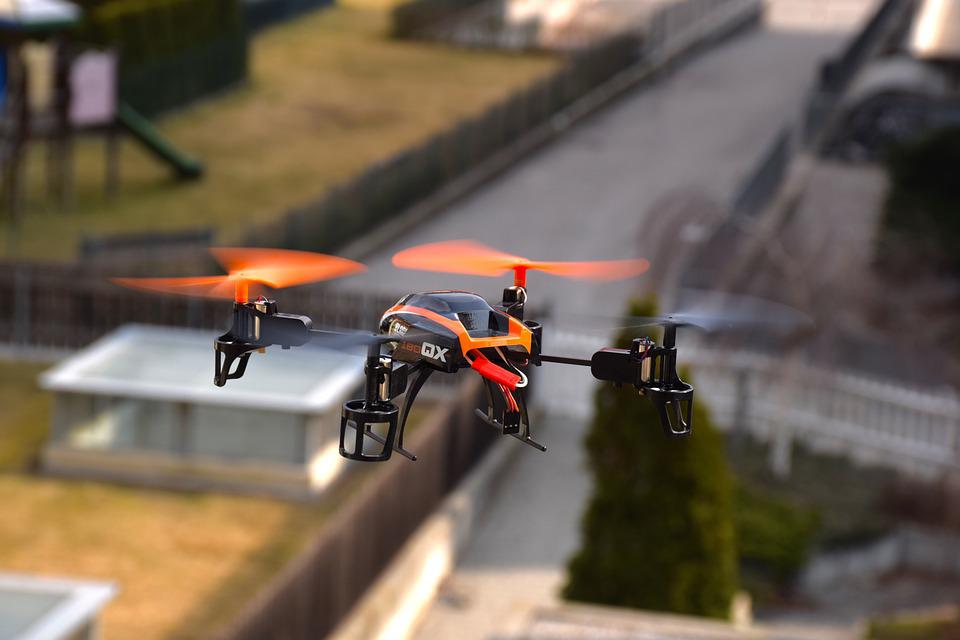
Aerial images allow buyers a greater sense of the property’s appearance, proportions, and surroundings.
Real estate photographers make an average salary of $62,338 with an hourly rate of $30.
As a drone instructor, you can guide students through hands-on lessons and help them understand rules and best practices. You can use drones to give new pilots a safe way to practice flight skills and real mission scenarios.
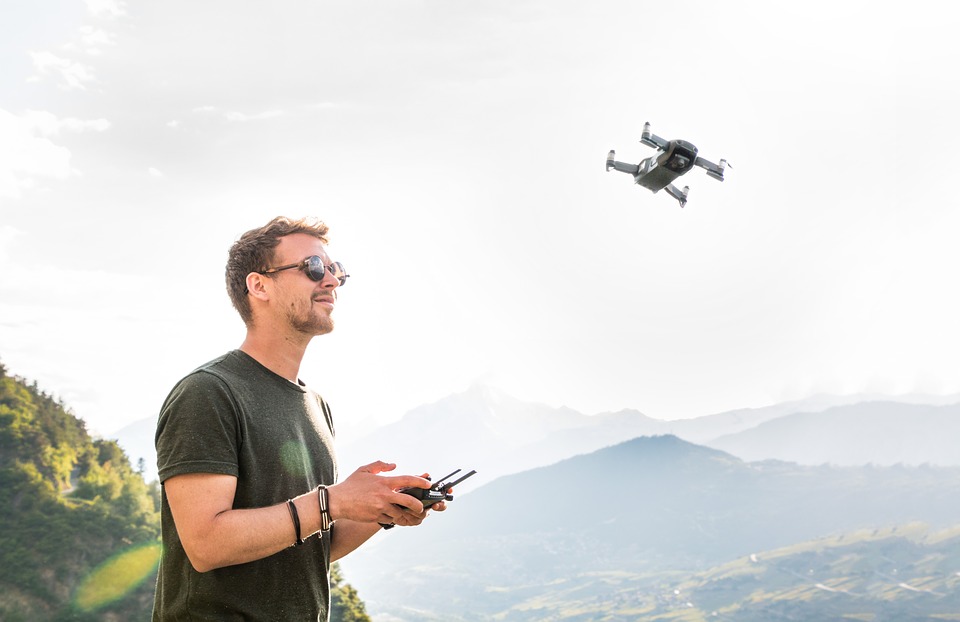
This position pays an annual salary of $93,000 and an hourly wage of $24.
Drone-based inspection systems combine wide-area coverage with precise ground-level detail at a lower cost than traditional methods.
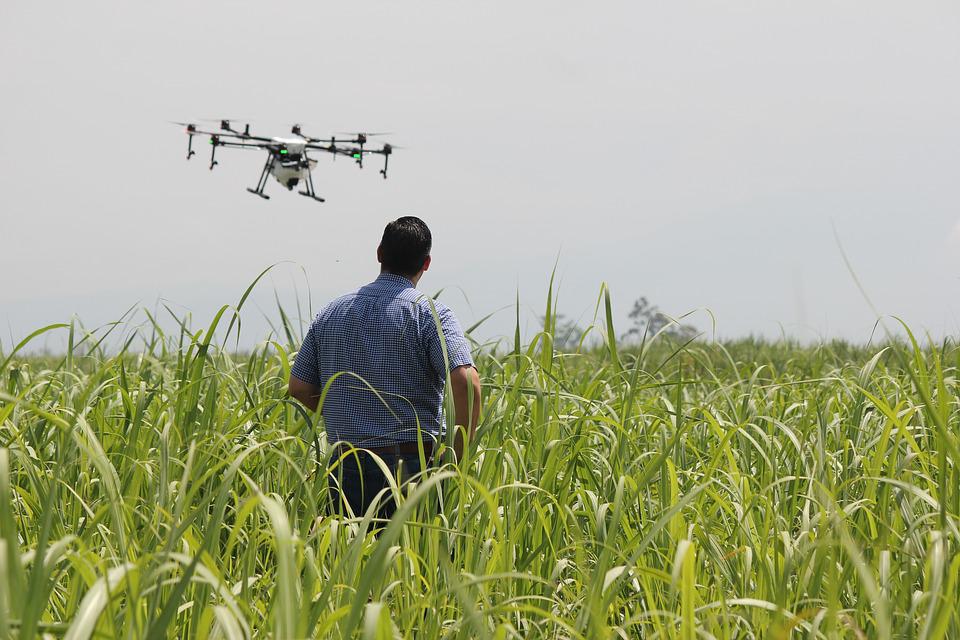
Unlike satellites or airplanes, drones fly at low altitudes and carry sensors directly beneath them for precise data collection.
The UAV can collect data quickly and safely for pollution monitoring, powerline inspection, forest fire detection, railway track inspection, disaster monitoring, etc.
In this role, you can expect an annual salary of $100,600 and an hourly wage of $48.
Drones play a major role in search and rescue operations, and it is a growing trend among emergency services. Firefighters, disaster-response crews, and rescue teams rely on drones because they can provide real-time visual information after events like earthquakes, floods, and hurricanes. Moreover, they have become an indispensable aid in locating missing and lost persons.
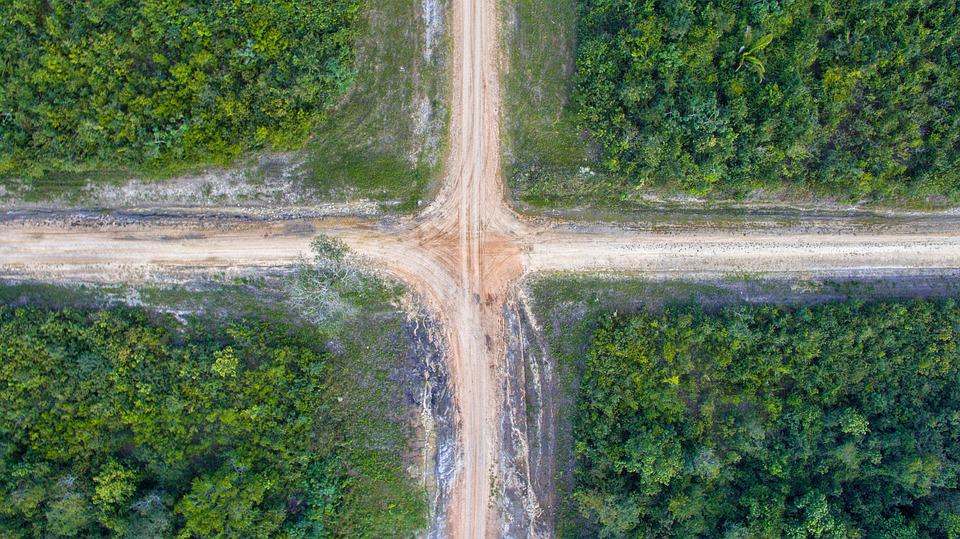
In this role, you can expect an annual salary of $98,880 and an hourly wage of $42.
This level of earnings often comes with extra responsibilities or requirements, depending on the agency and mission.
During any natural disaster, responders need real-time imagery and accurate information to make better decisions. Your drone can help them save time, reduce costs, and carry out missions more safely.
The above list shows some of the best drone jobs with strong earning potential. So, if you’re interested in becoming a drone operator, you can start with any of the suggested roles.
Earning a higher salary as a drone pilot involves a combination of factors that showcase your value and expertise. Here are some key strategies to consider:
Gain experience: The more flight hours and diverse projects you have under your belt, the more valuable you become. Focus on quality over just quantity, demonstrating your ability to handle complex tasks and deliver excellent results.
Earn additional certifications: Go beyond the basic FAA Part 107 license. Pursue additional certifications in specific applications like aerial photography, thermal imaging, or 3D mapping. These demonstrate your specialized skills and open doors to higher-paying opportunities.
Learn data analysis and post-processing: If your work involves capturing data for mapping or inspections, master tools such as photogrammetry software. Analyzing and processing data adds significant value to your services.
Build a strong network: Connect with other drone pilots, industry professionals, and potential clients. Use online forums, meetups, and professional organizations. Networking can open doors to new opportunities and provide valuable insights.
Industry-specific knowledge: Understanding the specific needs and challenges of your target industry, whether it’s construction, agriculture, or filmmaking. Tailoring your services to those needs makes you more valuable to clients.
If you’re looking for a decent drone operator salary, the above positions are great starting points. Whether you’re interested in surveying remote landscapes or inspecting rooftops for construction projects, there are plenty of opportunities in the fast-growing drone industry.
With the right training and certification, you can become a highly sought-after UAV pilot and earn a competitive salary.
Drone U offers 40+ on-demand drone courses designed to prepare you and help you move up the salary ladder quickly. As a Drone U member, you get UNLIMITED access to all of our in-depth training courses. Plus, you get the opportunity to network with like-minded people inside our exclusive community. Check out the Drone U membership.
 5
5