
Best Mini Drones for 2026 With Pros & Cons

June 4, 2026

Quick Answer: Best Mini Drones in 2026A mini drone is any drone weighing under 250 grams. Drones in this category do not require FAA registration for recreational use in the United States and are exempt from Remote ID requirements as recreational flyers. Best overall: DJI Mini 4 Pro (~$759): omnidirectional obstacle avoidance, 4K/60fps, 45-minute flight time Best for vloggers: DJI Flip (~$439): integrated prop guards, palm launch, 1/1.3-inch sensor Best value: DJI Mini 4K (~$299): 4K video, 3-axis mechanical gimbal, 31-minute flight time Best budget: Potensic Atom 2 (~$250): 3-axis gimbal, built-in Remote ID, 4K/30fps Best for beginners: DJI Neo (~$199): palm takeoff, no controller needed, 18-minute flight time Note: The DJI Mini 5 Pro has the best camera in this class (1-inch sensor) but is currently a grey-market import in the US with no official warranty. |
Mini drones weigh under 250 grams, which is the FAA threshold below which recreational pilots do not need to register. In 2026, they are the most popular drone category for travelers, beginners, and content creators.
The best mini drones now offer 4K video, obstacle avoidance, and 30 to 45 minutes of flight time. This guide covers the top picks across every budget.
Did you know that the mini drones market is expected to grow from USD 6.37 billion in 2025 to USD 11.9 billion by 2030, achieving a compound annual growth rate (CAGR) of 11.9%.
Mini drones aren’t a niche category anymore. They’ve become the default choice for travelers, first-time pilots, and content creators who want real capability without bulky hardware or complicated rules.
A mini drone is defined by weight, not marketing. In simple terms, a mini drone is any drone that weighs under 250 grams, including the battery and propellers. This weight limit matters because it usually comes with fewer rules and an easier flying experience.
Drones under 250g are popular because they often don’t require registration and are easy to carry while traveling. They’re also more forgiving for beginners. That’s why many modern mini drones now include features like stabilized cameras and smart flight modes.
Terms like mini, micro, and small are often used loosely. In practice, mini drones refer to sub-250g models, while heavier drones fall into a different category with different requirements.
Some mini drones are purpose-built for aerial photography. Others are used for surveying, mapping, and package delivery.
Mini drones offer most of the capability of larger drones at a fraction of the cost, weight, and regulatory complexity.
Mini drones make sense when you want flexibility without complexity. Their lightweight design gives you most of the flying experience of larger drones, without the added rules, bulk, or cost that often come with them.
The following are some justifications for buying a mini drone:
Mini drones are smaller in size than their bigger counterparts, which makes them easy to carry. Most models fit into a backpack or even a jacket pocket, making them ideal for travel, day trips, and spontaneous flights. Their compact size improves mobility and lets you fly more often without planning around bulky gear.
Flying indoors is a great use of mini drones. Their compact body makes it easier to control in tight areas. You can easily fly mini drones indoors without running the danger of damaging property or hurting people.
Mini drones are usually more affordable than full-size drones. This makes them an attractive option for individuals who want to start flying or try aerial photography without committing to a large upfront investment.
Before you buy a mini drone, pause and think about how you actually plan to use it. Not all mini drones are built the same. Small differences in features can have a big impact on your flying experience.
Here are the key factors to consider before buying one:
Before buying a mini drone, make sure to research the cost and availability of replacement parts and accessories. Also, be careful about purchasing third-party parts and accessories. Equipment compatibility is a major issue to consider, and it must last as long as the original equipment.
Also, check out the warranty information on any drones you’re considering.
Cheaper drones are often made from plastic. While plastic can be inexpensive and light, it‘s not always durable. Also, avoid using aluminum drones; they are lightweight and do not hold up well to accidents.
If you’re trying to save money, at least consider ABS plastic, which is stronger than regular plastic. Or consider fiberglass and Carbon Fiber drones, they are much more resilient but much more expensive.
As a general rule, the farther your drone can fly from your transmitter, the better. Cheap drones may have a limited range of only 30 meters, whereas more expensive ones can cover longer distances without losing contact with the controller.
If you’re interested in making drone footage and photography, then the range becomes an important factor because an extended range will allow drones to reach more places. And you will be able to take shots from a variety of angles.
A drone’s battery limits how long it takes to fly; 25 to 30 minutes of flying time is pretty typical. But some cheaper models last for only five minutes.
Regardless of how much flying time your drone has, buying some additional batteries and charging them before you leave home is always a good idea. So if your drone runs out of power, you can swap the battery and instantly double the time you’re able to fly!
If you are considering a drone with a camera, it’s better to check out the camera specifications, paying attention to shutter speed, frame rate, aperture, and image stabilization.
All of these factors may affect the quality of your photographs.
A gimbal helps keep your camera stable while you fly. Three axes (pitch, roll, and yaws) describe a drone’s different motions.
A three-axis gimballed camera will let your drone stay steady while you shoot videos. This is especially important for aerial shots because the camera needs to remain leveled so everything appears straight.
Read: New Drone Laws by State in the USA
There are several types of mini drones, each with its unique set of features and applications. Some are designed for specific purposes, such as surveillance, while others are meant for recreational purposes.
Here are the best mini drones in 2026:
 Source: DJI
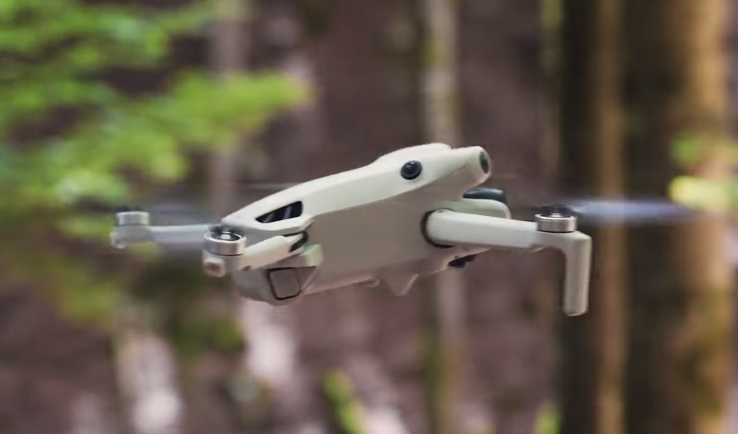
The DJI Mini 4 Pro is a high-end camera drone that weighs less than 249 grams, making it perfect for travel and on-the-go use. It features a 1/1.3-inch CMOS sensor that can record 4K/60fps HDR videos with stunning detail, even in challenging lighting conditions. The drone also has omnidirectional obstacle sensing, which helps it avoid obstacles and fly safely. Additionally, the Mini 4 Pro has a max transmission distance of up to 20 km, so you can capture amazing footage from far away.
Source: DJI
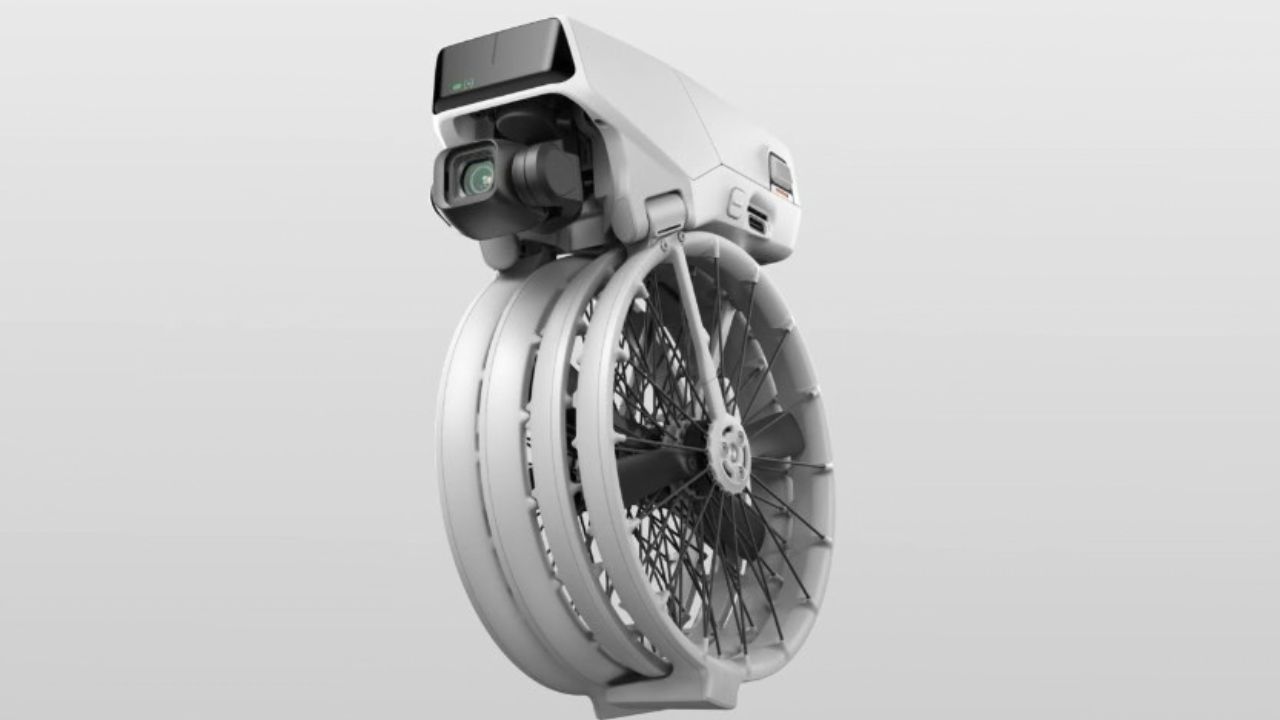
The DJI Flip is the best mini drone for vloggers and beginners in 2026. It combines the same 1/1.3-inch sensor as the DJI Mini 4 Pro with integrated full-coverage propeller guards, making it the safest foldable drone under 249g available. It launches from your palm, responds to voice commands, and shoots 4K/60fps HDR video without requiring a controller. For solo creators who want to pull a drone from a jacket pocket and start filming immediately, no other sub-250g drone offers the same combination of safety, portability, and image quality at this price.
Source: DJI
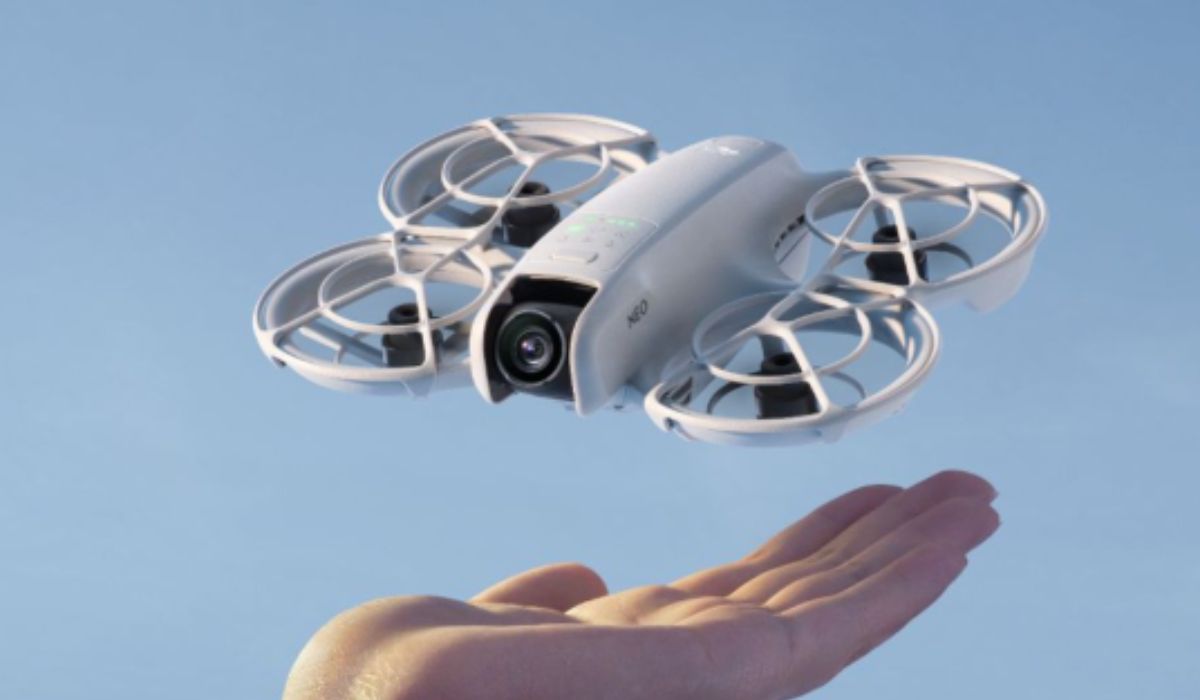
The DJI Neo is all about making your drone experience easy and fun. With features like palm takeoff and landing, AI-powered subject tracking, and eight QuickShots modes, it’s perfect for effortless vlogging. At just 135g, this ultra-lightweight drone doesn’t require FAA registration or Remote ID, so you can take it out and fly without any extra hassle.
You can use voice commands, a mobile app, or a remote controller, whatever suits you best, to control the drone. Plus, its full-coverage propeller guards add an extra layer of safety while keeping it portable and stress-free to use. The package even comes with a battery and propeller guards, so you’re ready to go right out of the box.
Source: Potensic
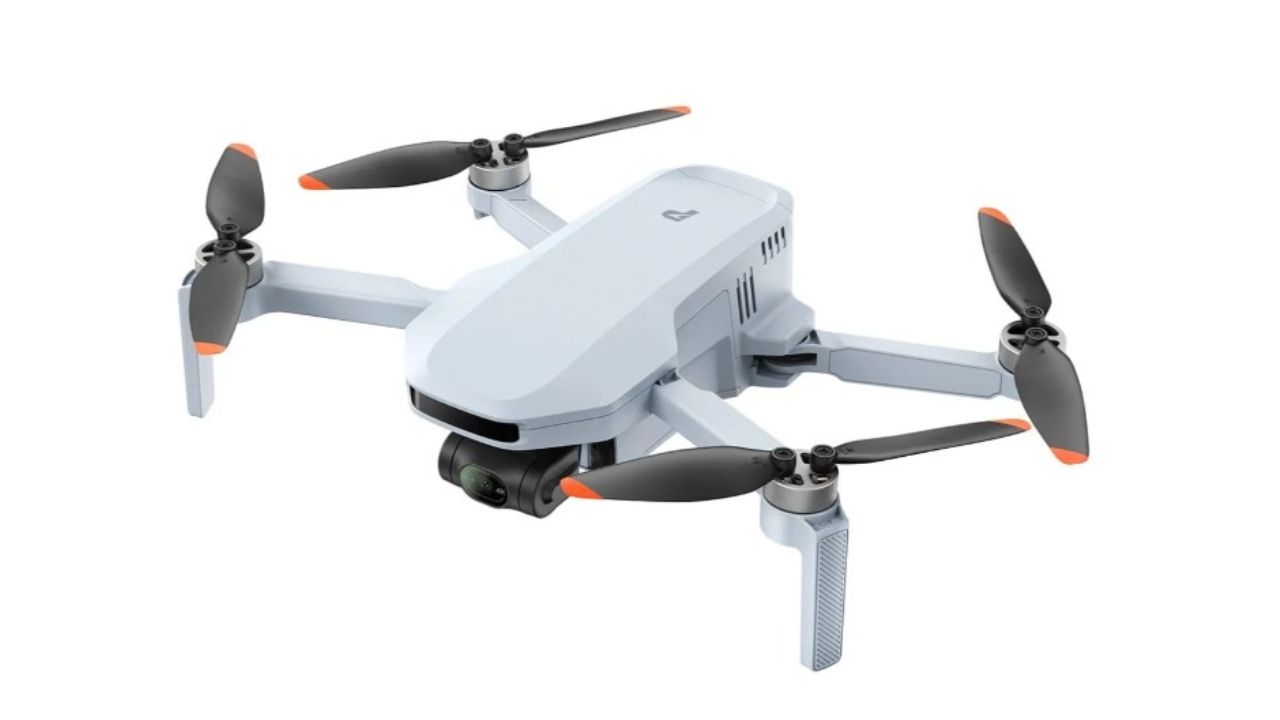
The Potensic Atom 2 is the best budget mini drone in 2026, offering a true 3-axis mechanical gimbal for around $250, while most competing drones in this price range rely on electronic stabilization that performs poorly in windy conditions. The Sony CMOS sensor produces sharp 4K/30fps footage, and built-in Remote ID means you do not need to purchase a separate broadcast module the way most DJI sub-250g models require. It does not have obstacle avoidance, so open flying areas are recommended. For pilots who want the most capable drone under $300, the Potensic Atom 2 is the clear choice.
 Source: DJI
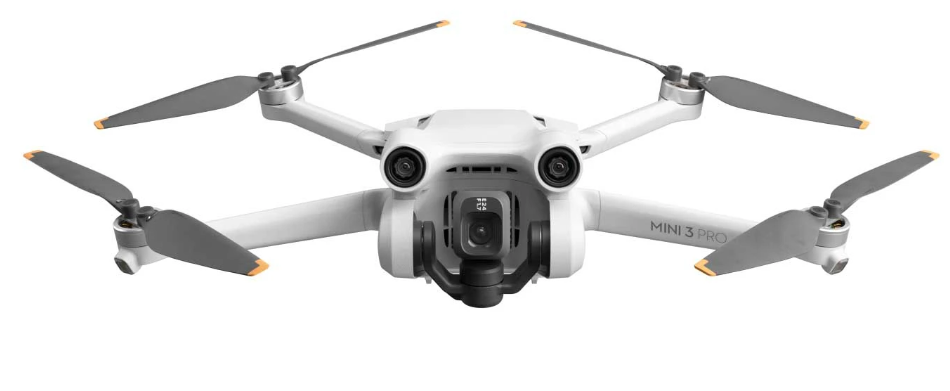
The mini-sized DJI Mini 3 Pro is as powerful and portable as it is regulation-friendly. It comes with a 1/1.3-inch sensor and top-tier capabilities and weighs under 250 grams. Its improved design and upgraded features, such as obstacle sensing, make it safer and easier to fly this mini drone.
Source: DJI
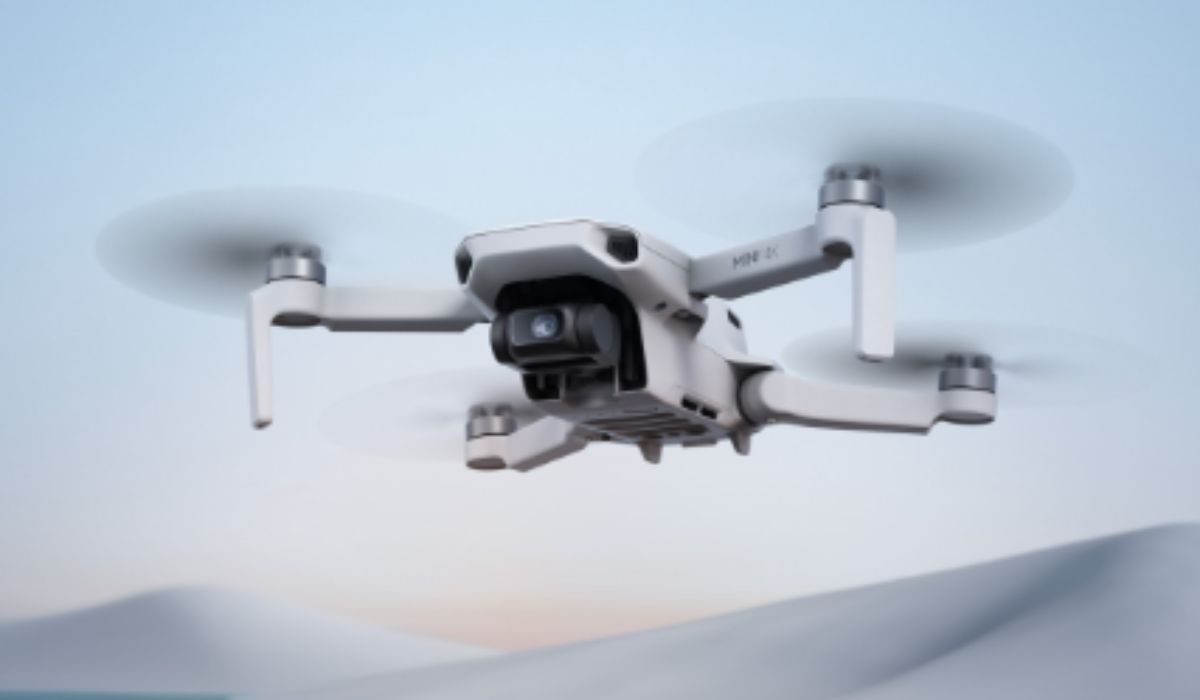
The DJI Mini 4K brings aerial photography to everyone, making it simple and fun for both beginners and enthusiasts.
Weighing under 249g, it requires no FAA registration for recreational use in the United States.
It is equipped with a 4K camera, a 31-minute flight time, and excellent wind resistance.
Source: DJI
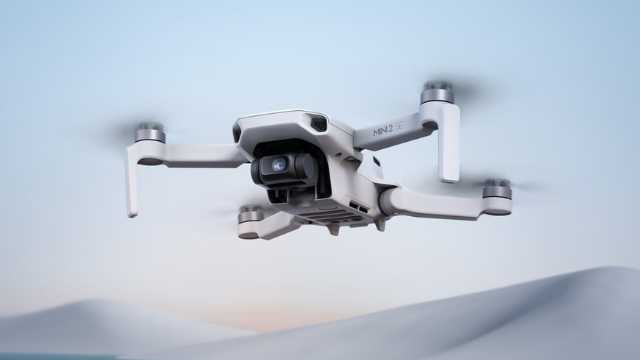
The DJI Mini 2 SE is a lightweight and beginner-friendly drone designed for simple, reliable flying. It focuses on stability, ease of use, and portability while staying under the 250-gram limit. With DJI’s proven flight technology and a compact design, it’s a practical choice for casual aerial photography and everyday use.
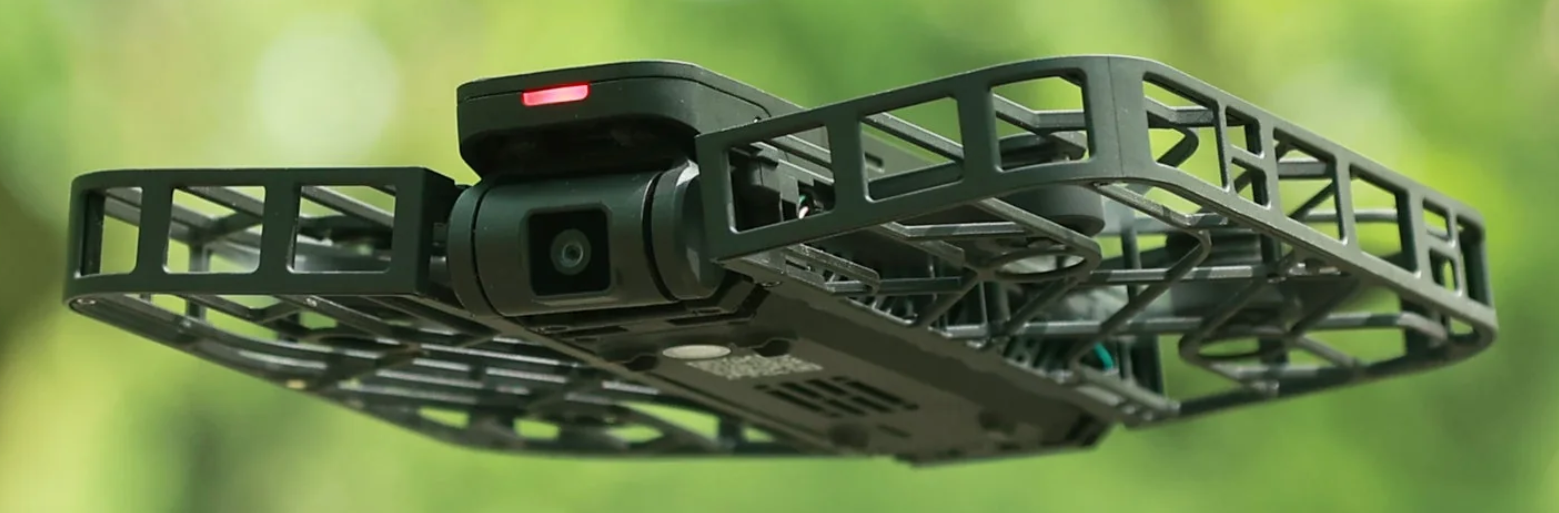
The HoverAir X1 is a pocket-sized self-filming drone that requires no controller. It folds flat, launches from your palm, and tracks you automatically.
There’s no need for a phone app or complicated controls, which is perfect for beginners or anyone who wants a hassle-free flying experience.
This lets the drone automatically follow you, which is great for capturing activities hands-free. The video quality is decent too, shooting in 2.7K resolution and taking 12MP photos, which is good enough for social media or casual use.
However, you won’t find things like obstacle avoidance or complex flight modes that some other drones offer.
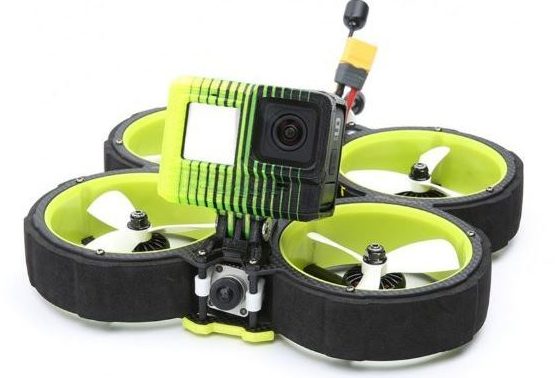 Source: iFlight
Note: The iFlight Bumblebee HD V3 weighs 355.6g without a battery, which is above the 250g mini drone threshold. It is included here as a compact FPV trainer but is not technically a mini drone and requires FAA registration.
The iFlight Bumblebee HD V3 uses the CaddX Polar Digital HD system for clear FPV video transmission. It has a CineWhoop that doesn’t have a high-pitched noise that annoys people. Mini drone iFlight BumbleBee HD V3 has lightweight Polycarbonate ducts for minimal disturbance to channel thrust and performance.
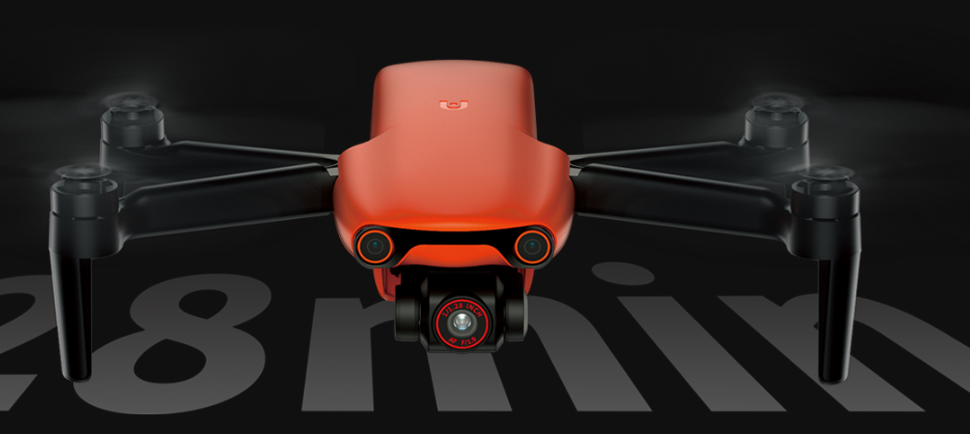
Source: Autel Robotics
The Autel EVO Nano+ is a 249g camera drone with one of the strongest sensors in the sub-250g category. Weighing just 249 grams, it’s easy to carry around but packed with powerful features. You get a 1/1.28-inch CMOS sensor for stunning 50MP photos and 4K/30fps video, for reliable image quality in a compact form factor.
It’s also got advanced autofocus, HDR capabilities, and three-way obstacle avoidance, so your flights are smooth, safe, and hassle-free. It is a strong non-DJI option for pilots who want more low-light capability at the sub-250g limit.
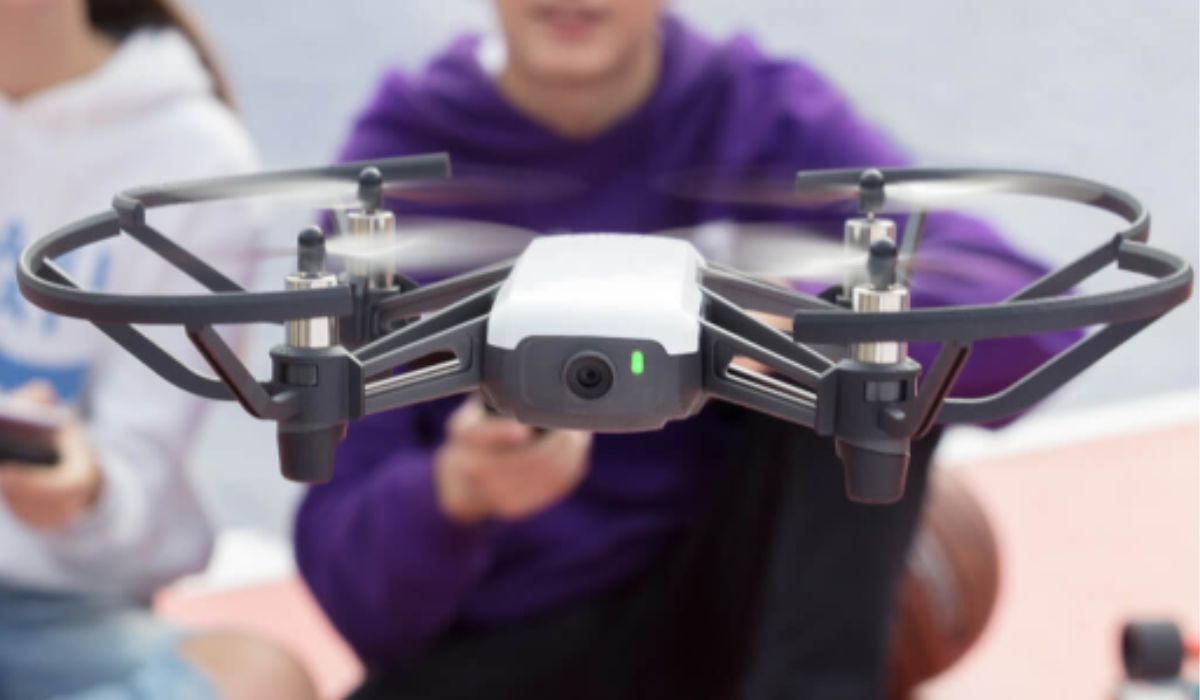
Source: Ryze Robotics
The Ryze Tello is the most affordable drone on this list at $99. It is designed for indoor flying, beginner skill-building, and basic coding education through Scratch programming support. Whether you’re exploring from above or showing off some aerial tricks, Tello makes it all simple and exciting.
Built with DJI’s industry-leading flight tech, it’s lightweight, durable, and designed to be user-friendly. From beginners to drone enthusiasts, Tello offers a fun and functional flying experience that everyone can enjoy.
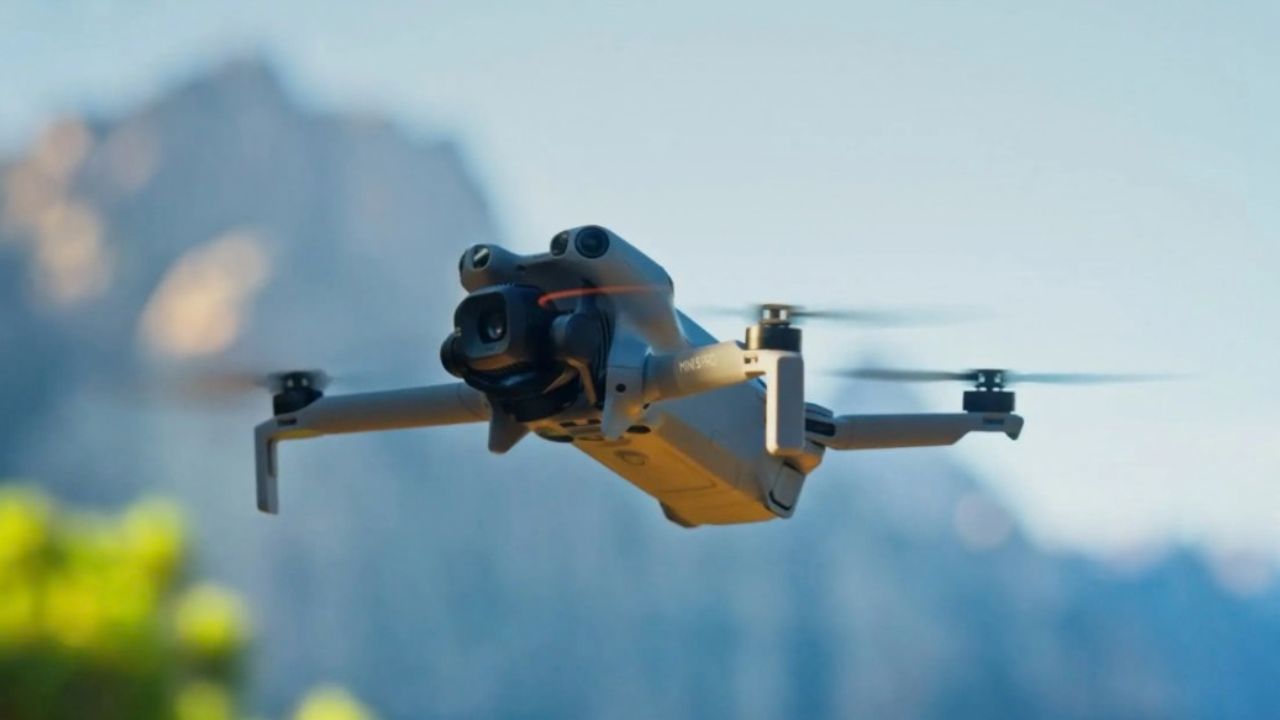
Source: DJI
The DJI Mini 5 Pro has the best camera of any sub-250g drone currently available. Its 1-inch sensor, Front-facing LiDAR (Light Detection and Ranging) obstacle avoidance, and 4K/120fps slow motion capability place it in a different class from every other drone on this list. It is not officially sold in the United States due to FCC restrictions that took effect in December 2025. US buyers can import it through grey-market channels but receive no official DJI warranty, and some units have been reported to arrive slightly over 250g. Outside the United States, it is the clear top pick in the mini drone category without compromise.
In the next section, we will compare all the important features of all the drones.
Here you can find a detailed comparison drawn among all the categories of mini-drones to evaluate their performance and features.
| Drone | Weight | Camera | Flight Time | Range | Best For | Key Feature | Price |
| DJI Mini 4 Pro | Under 249g | 1/1.3-inch, 4K/60fps HDR | 45 min | 20 km | Best overall mini drone | Omnidirectional obstacle sensing | ~$759 |
| DJI Flip | Under 249g | 1/1.3-inch, 4K/60fps HDR | 31 min | 13 km | Best for vloggers and beginners | Integrated prop guards, palm launch | ~$439 |
| DJI Neo | Under 249g | 1/2-inch, 4K/30fps | 18 min | 7 km | Best for absolute beginners | Palm launch, no controller needed | ~$199 |
| DJI Mini 3 Pro | Under 249g | 1/1.3-inch, 4K/60fps HDR | 34 min | 12 km | Best for photographers | Tri-directional obstacle sensing | ~$759 |
| DJI Mini 4K | Under 249g | 1/2.3-inch, 4K/30fps | 31 min | 10 km | Best value DJI under $300 | 3-axis mechanical gimbal | ~$299 |
| DJI Mini 2 SE | Under 249g | 1/2.3-inch, 2.7K | 31 min | 10 km | Best entry-level DJI | Reliable GPS, beginner-friendly | ~$299 |
| Potensic Atom 2 | Under 249g | Sony CMOS, 4K/30fps | 32 min | 6 km | Best budget non-DJI pick | 3-axis mechanical gimbal, built-in Remote ID | ~$250 |
| Hoverair X1 | Under 249g | 2.7K/30fps | 11 min | N/A | Best for self-filming, no controller | Pocket-sized, palm launch only | ~$429 |
| iFlight Bumblebee HD V3 | Under 249g | Digital HD FPV | 4–6 min | 4 km | Best for FPV practice | Compact cinewhoop design | ~$200 |
| Autel EVO Nano+ | Under 249g | 1/1.28-inch, 4K/30fps | 28 min | 10 km | Best non-DJI alternative | Strong low-light performance | ~$649 |
| Ryze Tello | Under 249g | 720p | 13 min | 100 m | Best for indoor learning | Programmable, beginner coding | ~$99 |
| DJI Mini 5 Pro | Under 249g* | 1-inch CMOS, 4K/120fps | 51 min | 20 km | Best camera in class | LiDAR obstacle avoidance | ~$800–$1,000* |
DJI Mini 5 Pro: Some grey-market units arrive over 250g, so verify the weight before purchase, as it is not officially sold in the United States and does not include an official US warranty.
Prices are based on the latest available data as of 2026. Actual costs may vary by retailer and region.
Not every compact drone qualifies as a mini drone. The three drones below are commonly compared to mini drones but exceed the 250g weight threshold.
These drones are compact and easy to carry. However, they exceed the mini drone weight limit and fall into a different category.
Because of their size, they’re often compared to mini drones. In reality, they come with different registration rules and flying requirements. They’re designed for pilots who want more capability and are comfortable with fewer restrictions. Below are a few popular examples.
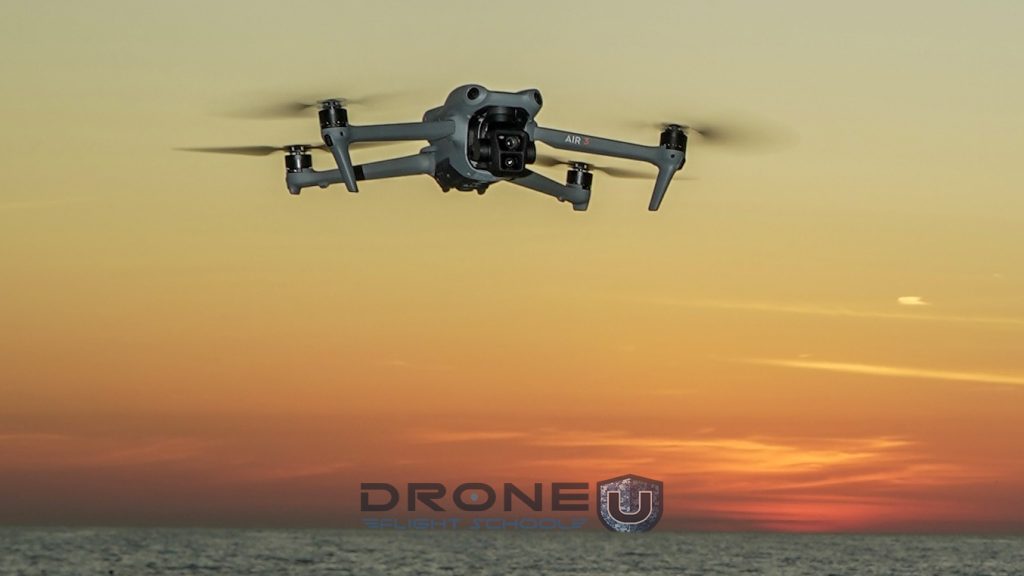
Source: DJI
DJI Air 3 is the dream of every aerial photographer. looks small in a backpack, but at over 700 grams, it’s well outside the mini drone category. It comes with two industry-leading Hasselblad cameras.
The DJI Air 3 offers one of the best camera performances along with expert camera options, sharper details, and vibrant colors. This makes it a better fit for users who want higher image quality and more advanced flying features, especially if you love shooting panoramas and HDR photos.
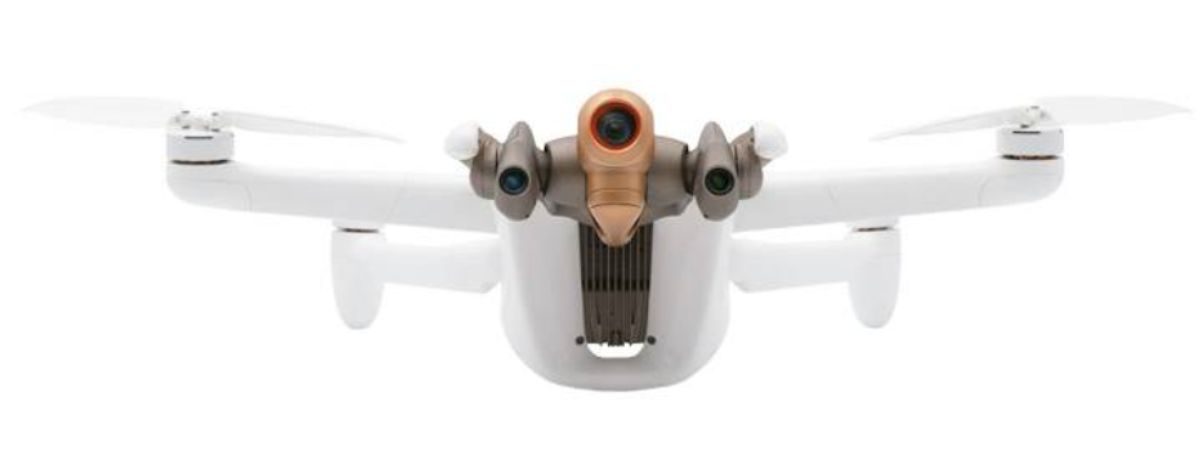 Source: Parrot
Parrot Anafi Ai is often mistaken for a mini drone due to its foldable design. But it exceeds the sub-250g limit and targets professional and enterprise users. It incorporates a 4G radio module, in addition to the Wi-fi radio, allowing it to transmit a video stream in 1080p with a 300 ms latency anywhere in the world. Its sensor supports a high megapixel count for finely detailed aerial images.
Parrot Anafi Ai uses a Quad Bayer color filter array, where groups of 4 adjacent pixels come in one single color. In real-time HDR capture mode, the signal from the four adjacent pixels is added together, resulting in an image with a greater dynamic range.
It stands out for its advanced connectivity, mapping capabilities, and security-focused features. These features make it less of a casual flying option and more of a specialized tool.
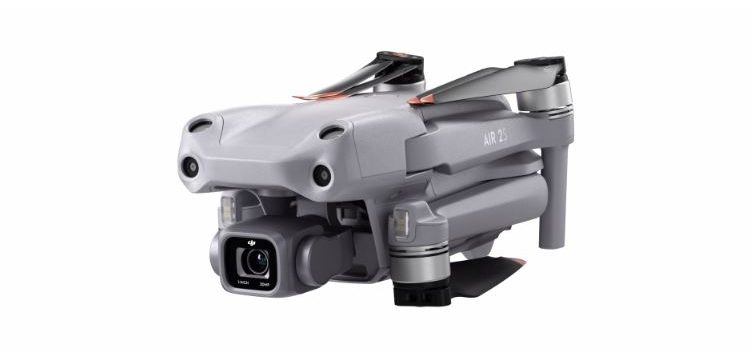 Source: DJI
Despite its compact body, the DJI Air 2S is not a mini drone. With a 1-inch CMOS sensor and powerful autonomous features, it weighs well above the sub-250g limit.
DJI Air 2S allows you to shoot RAW images with an impressive dynamic range of up to 12.6 stops to capture more visual data in every scene, even in challenging lighting conditions. The advanced algorithms for Advanced Pilot Assistance Systems (APAS 4.0) have been further refined, enabling the DJI Air 2S to actively avoid obstacles in increasingly complex situations and at higher speeds.
Its larger sensor delivers better low-light performance and stronger dynamic range than most mini drones. This makes it a solid choice for higher-quality photo and video work.
Mini drones have come a long way. You no longer have to choose between portability and capability. Today’s sub-250g drones offer reliable flight performance, strong cameras, and features that were once limited to much larger models.
The key is choosing a drone that matches how you plan to fly. Choose a higher-end mini drone. Models like the DJI Mini 4 Pro or Autel Nano+ give you strong cameras, smart flight features, and consistent performance.
If you’re flying for casual use or skill-building, the Ryze Tello still fits. It keeps flying simple and affordable.
If you need more power or flexibility, compact drones outside the mini category, like the DJI Air 3 or Air 2S, may be worth considering. You gain better sensors and more control, with added compliance.
And don’t forget to register with the FAA if your drone weighs more than 0.55 pounds (250 grams).
For most pilots, the DJI Mini 4 Pro remains the benchmark. For budget buyers, the DJI Mini 4K and Potensic Atom 2 are the strongest options under $300.
 7
7
Add Your Comment