
Best AI Drones of 2026: Top 6 Picks for Every Use Case

June 17, 2026
Best AI Drones of 2026: Top 6 Picks for Every Use Case

Quick Answer: Best AI Drones in 2026

AI drones use artificial intelligence for obstacle avoidance, autonomous flight, and subject tracking. Here are the top picks for 2026:

Best overall: DJI Mavic 4 Pro: 100MP Hasselblad, 51-min flight time, 360° gimbal (~$2,199)
Best beginner AI drone: DJI Mini 5 Pro: 50MP, LiDAR sensing, under 250g ($759)
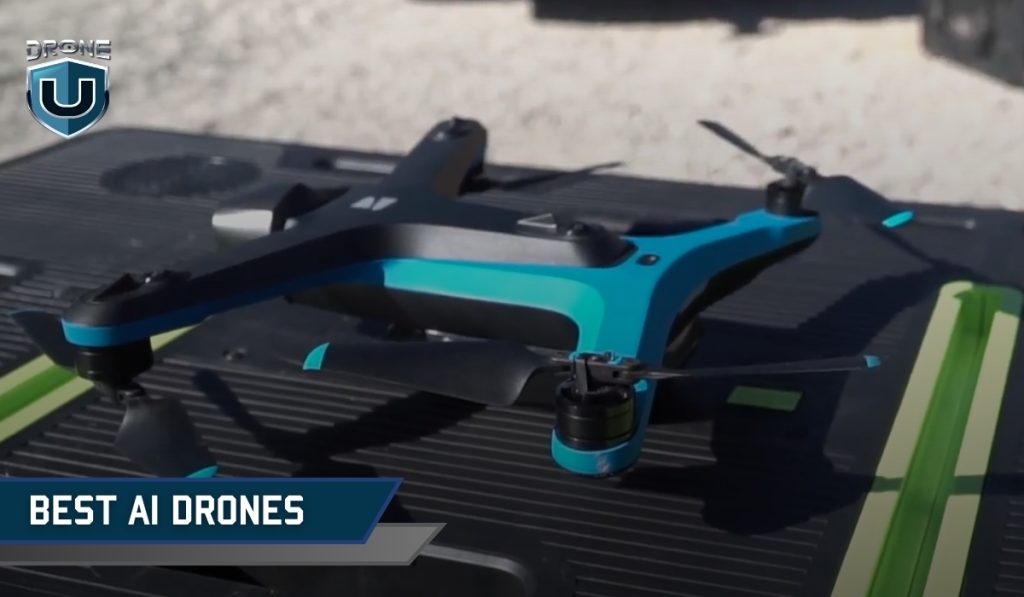
Best for autonomous flight: Skydio X10: AI obstacle avoidance, NDAA-compliant (~$10,000+)
Best enterprise option: Autel EVO II Pro 6K: 6K video, 42-min flight time, 360° obstacle avoidance
Best budget entry: DJI Neo: $199, palm launch, beginner-friendly
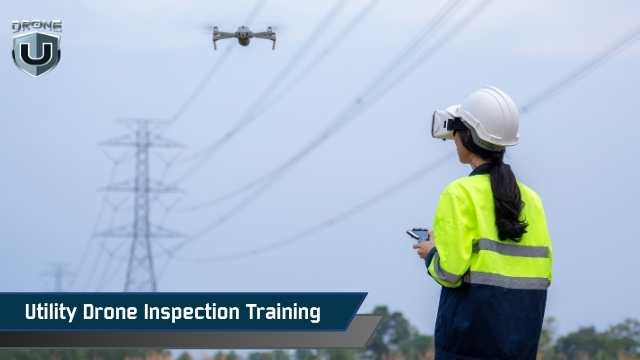
Best for inspections: PowerVision PowerEye: tethered option, long endurance missions

AI drones can now navigate dense environments, avoid obstacles, and capture aerial footage with little or no pilot input.

Drones have already changed the way we capture moments, explore new places, and gather data. In 2026, AI-powered drones offer smarter navigation, better obstacle avoidance, and features that make flying easier than ever.

The AI drone market has rapidly expanded, offering specialized solutions for diverse professional and recreational applications.

With so many choices, how do you pick the right one?

This guide covers the top 6 AI drones of 2026 with specs, prices, and what each one is best for.
What are AI Drones?

what-are-AI-drones

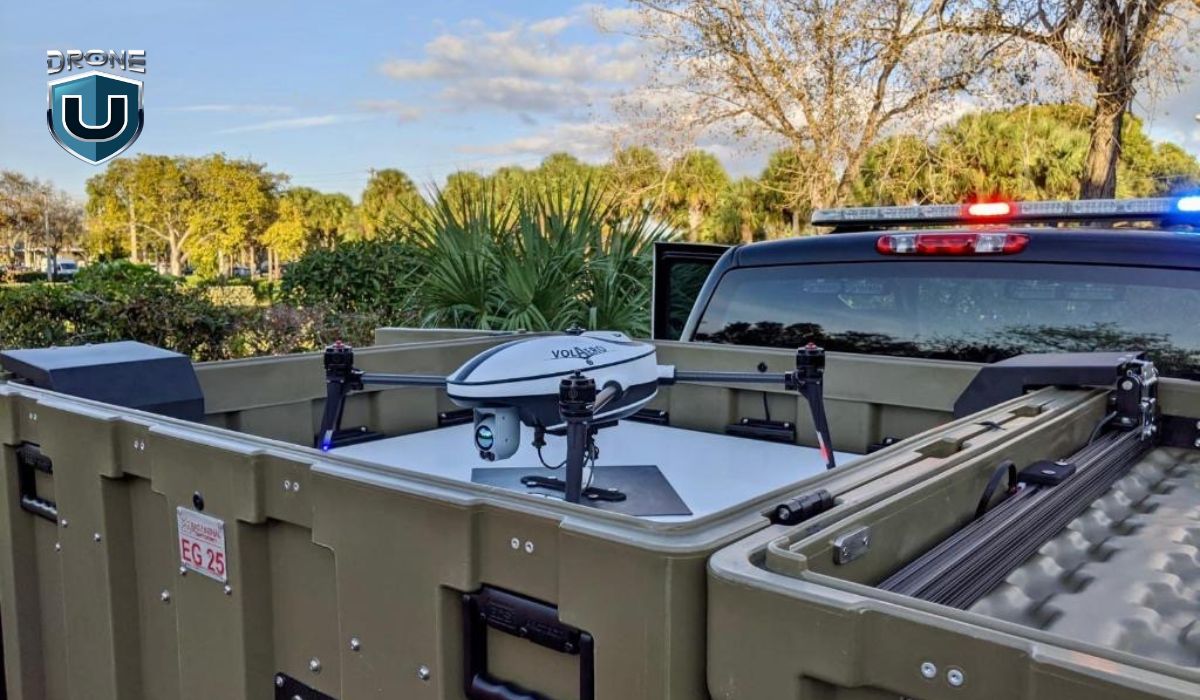
AI drones are unmanned aircraft that use artificial intelligence to fly autonomously and make smart decisions. Unlike traditional drones, which require manual control, AI drones have advanced sensors, cameras, and software that allow them to perceive and navigate their environment.

These drones can detect obstacles, plan their flight paths, and even complete tasks without needing constant input from a pilot. These drones leverage advanced algorithms to process environmental data and make autonomous decisions that enhance flight performance and safety.

Some of the standout features and capabilities of AI drones include:

  • Obstacle avoidance and collision prevention
  • Autonomous navigation and path planning
  • Object detection and recognition
  • Intelligent task execution (e.g., surveillance, delivery)
  • Adaptive flight control and stabilization
  • Machine learning-based decision-making
  • Environmental awareness and situational analysis

In short, AI drones make flying easier, safer, and more efficient by using advanced technology to handle tasks that once required a human pilot.

Here is what to look for when choosing an AI drone.

Criteria for Choosing an AI Drone

We’ve tested a range of drones, and here’s what we considered to help you make the best choice:

1. Flight Time

AI drones often consume more battery due to their advanced features. It’s important to think about how long you need the drone to stay airborne for your desired task.

2. Camera Quality

AI drones excel at capturing detailed visuals, but camera quality varies. Consider resolution, sensor size, and any specialized features like low-light performance or object tracking.

3. Range

Think about the operational area you envision. If you’re working in vast areas, look for a drone with a longer range. If precision is more important, a drone with a shorter, more controlled range may be a better fit.

4. Ease of Use

AI technology can make flying easier, but some drones are more user-friendly than others. Consider your piloting experience and how much assistance you desire.

5. Safety Features

Look for essential features like obstacle avoidance, return-to-home functionality, and automatic landing in case of signal loss. These features are crucial for a safe and stress-free flight experience.

6. Regulations

Drone operators must comply with Federal Aviation Administration (FAA) regulations, which include specific requirements for drone weight, registration, and operational zones. Familiarize yourself with local drone regulations before making a purchase.

Note: As of December 2025, DJI and Autel have been added to the FCC Covered List under the Countering CCP Drones Act. This affects their use in federally-funded projects. For government or public safety work, consider NDAA-compliant options such as the Skydio X10.

The Best AI Drones in the Market

After carefully considering the above factors, here are the top 6 AI drones that meet these criteria:
1. DJI Mavic 4 Pro

Source: DJI

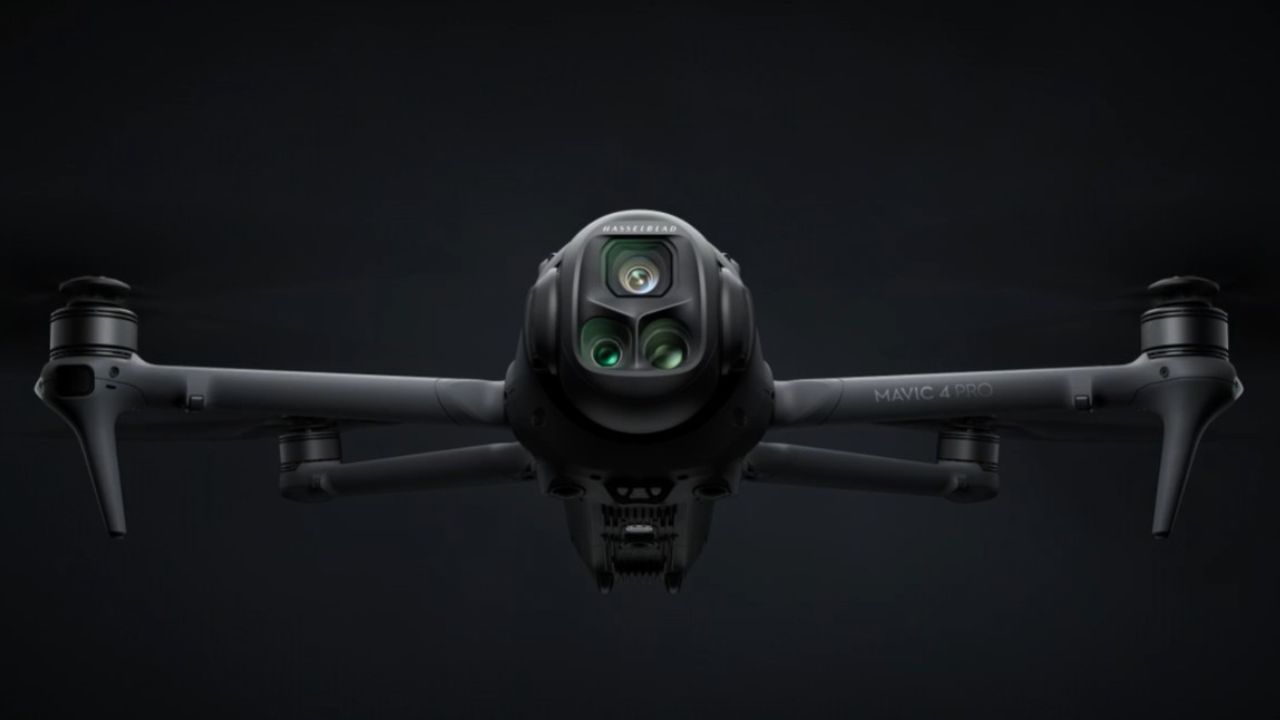
The DJI Mavic 4 Pro is the most capable consumer drone DJI has ever shipped, setting a new benchmark for aerial photography in 2026. It is built for working photographers, cinematographers, and real estate professionals who need professional-grade output in a portable frame. The triple-camera system spanning 28mm, 70mm, and 168mm, combined with a 100MP Hasselblad main sensor and a 360-degree rotating gimbal, makes it a genuinely professional tool.

If your budget allows for a premium drone that delivers cinematic quality straight from the air, the Mavic 4 Pro is the top pick in 2026.
Specifications:

  • Main Camera: 4/3 CMOS, 100MP (quad Bayer), up to 6K/60fps HDR or 4K/120fps video
  • Medium Tele Camera: 1/1.3-inch CMOS, 48MP, up to 4K/60fps HDR
  • Tele Camera: 1/1.5-inch CMOS, 50MP, up to 4K/60fps HDR
  • Flight Time: Up to 51 minutes
  • Max Transmission Range: 18.6 miles / 30 km (FCC)
  • Gimbal: 360-degree infinity rotation
  • Obstacle Avoidance: Omnidirectional, including forward-facing LiDAR
  • Weight: 1,063g
  • Price: ~$2,199 (drone only)

Pros:

  • 100MP Hasselblad sensor with Hasselblad color science delivers image quality in a different league from previous models
  • Six high-performance low-light fisheye sensors provide 0.1-lux sensitivity for omnidirectional obstacle sensing, including safe nighttime filming
  • 51-minute flight time reduces battery swaps during extended shoots
  • 360-degree gimbal supports native vertical shooting for social media content without cropping

Cons:

  • At $2,199 base price, it is not for casual flyers
  • Weighs 1,063g, almost 200g heavier than its predecessor, which may require additional licensing to fly in all conditions
  • Bulkier than the Mavic 3 Pro, requiring more bag space to carry

2. DJI Mini 5 Pro

Source: DJI

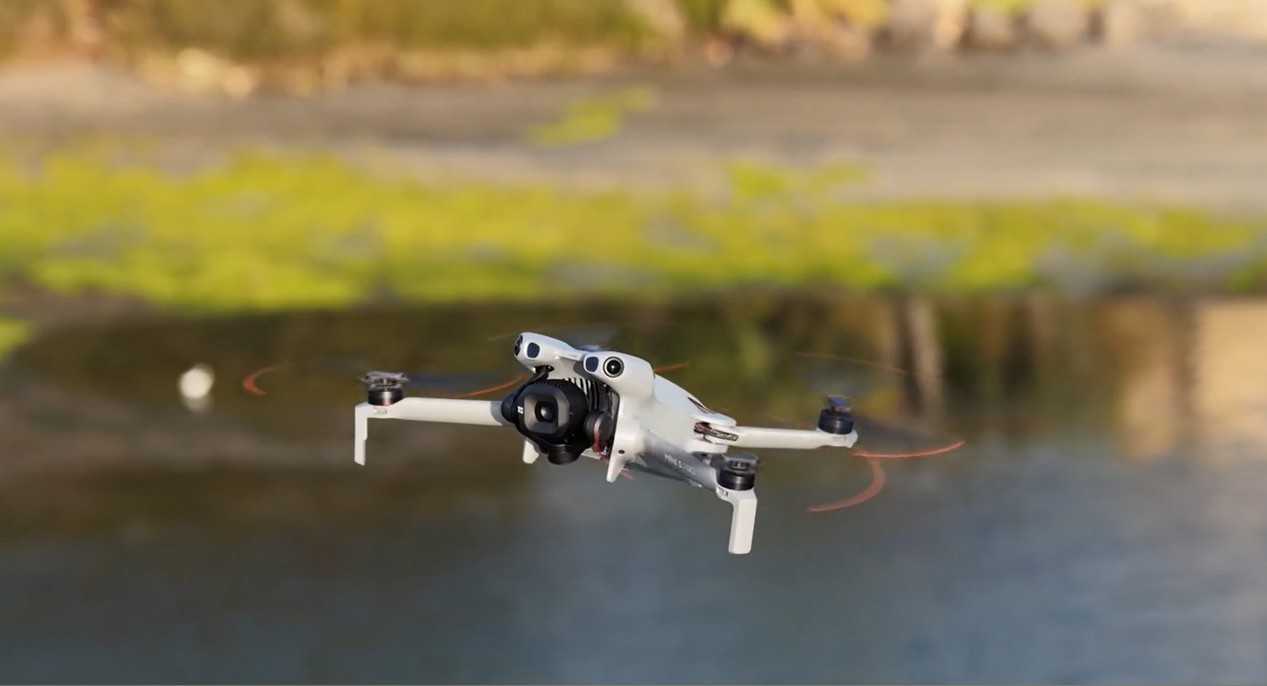
The DJI Mini 5 Pro features the world’s first 1-inch sensor in a mini camera drone, with an Intelligent Flight Battery providing up to 36 minutes of flight time and upgraded ActiveTrack 360-degree tracking. Launched in September 2025, it packs professional-level specs into a sub-250g frame that keeps flying simple and registration-free for recreational pilots.

The Mini 5 Pro feels like the Mavic 4 Pro’s sibling, having inherited pro-level specs not typically found in mini or sub-250g drones. It is the best AI drone for travelers, content creators, and first-time professional pilots who want serious capability without a serious price tag.
Specifications:

  • Sensor: 1-inch CMOS, 50MP, f/1.8 lens, 24mm equivalent focal length
  • Video Resolution: 4K at up to 120fps; Full HD at 240fps for slow motion
  • Flight Time: Up to 36 minutes (standard battery); up to 52 minutes with Intelligent Flight Battery Plus
  • Max Transmission Range: Up to 20 km (FCC mode)
  • Obstacle Avoidance: Omnidirectional, including forward-facing LiDAR and vision sensors
  • Weight: 249.9g
  • Price: ~$759 (available through third-party US retailers)

Pros:

  • First 1-inch sensor in a sub-250g drone delivers sharp detail in low-light conditions including sunsets and nightscapes
  • 225-degree gimbal rotation enables true vertical shooting for social media content
  • Under 250g means no FAA registration required for recreational flying
  • 42GB internal storage eliminates immediate memory concerns

Cons:

  • Not sold directly through DJI in the US; available only through third-party retailers
  • Smaller sensor than the Mavic 4 Pro means image quality does not match the larger drone at high ISO settings
  • Wind resistance is rated at 12 m/s, which limits flying in stronger conditions

3. Skydio X10

Skydio X10Source: Skydio

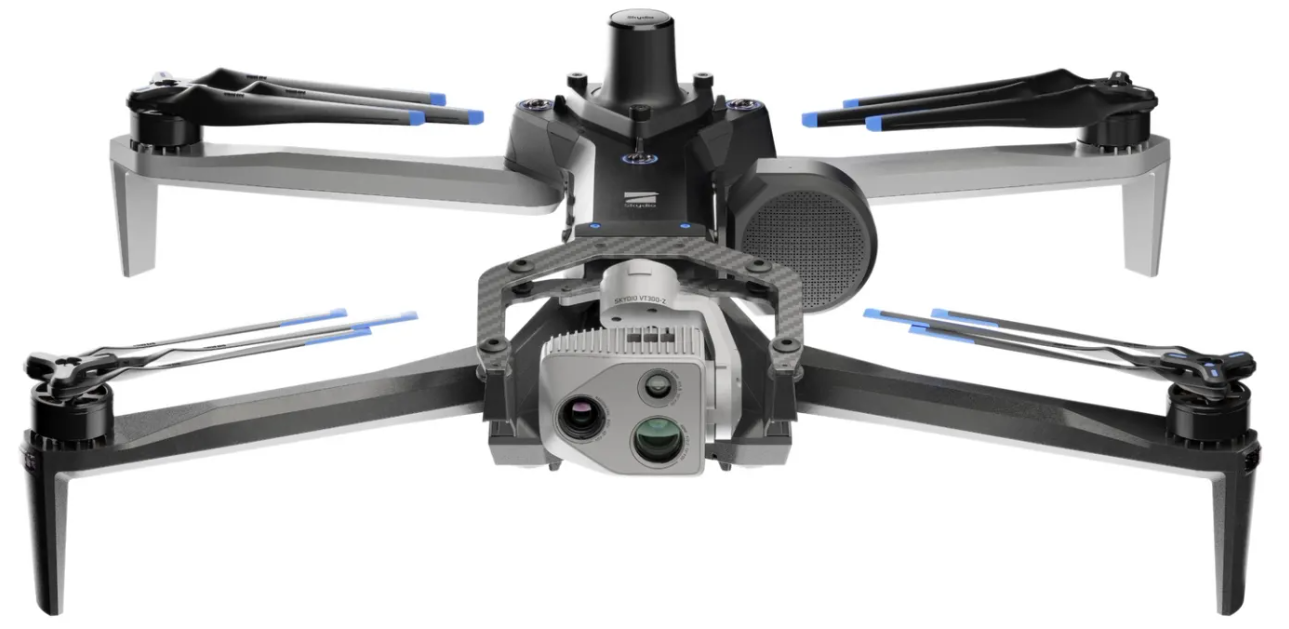
The Skydio X10 is the strongest US-made option for autonomous inspection work. Its AI navigation handles complex environments, structures, and low-light conditions with minimal pilot input, making it the preferred choice for public safety, infrastructure inspection, and any work where NDAA compliance is required.
Specifications:

  • Sensor: 1/2″ 48MP CMOS
  • Video Resolution: 4K
  • Range: 5km
  • Flight Time: 40 minutes
  • Obstacle Avoidance: 360-degree

Pros:

  • User-friendly controls and autonomous flight modes make flying effortless.
  • Six-rotor design offers a confidence boost for beginners.
  • Provides ample time for capturing desired aerial footage.

Cons:

  • Sensor size translates to a lower resolution compared to high-end models.
  • May not be ideal for covering larger areas.

4. Autel Robotics EVO II Pro 6K Enterprise Bundle V3

Autel Robotics EVO II Pro 6K Enterprise Bundle V3Source: Autel Robotics

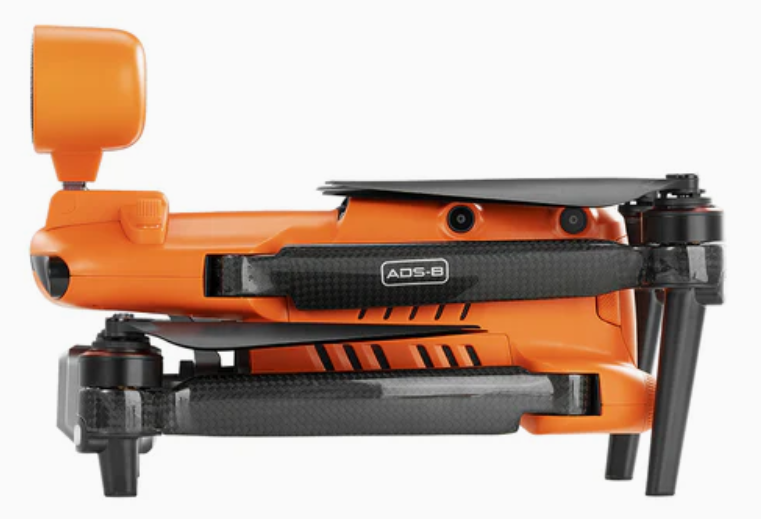
This EVO II Pro 6K Enterprise Bundle V3 offers multiple models, each boasting impressive AI features. The EVO II Pro 6K handles tracking and obstacle detection effectively across a range of professional scenarios. With 42 minutes of flight time and 6K video, it is a capable workhorse for commercial operators who need both endurance and image quality.
Specifications:

  • 20MP 1″ CMOS sensor capable of 6k Ultra HD Videos
  • 3x Lossless 16x Digital Zoom Capability
  • 360° obstacle avoidance with 19 groups of sensors
  • 7.9″ Smart Controller V3
  • Dynamic Track 2.1
  • 42 minutes flight time

Pros:

  • Multiple models cater to diverse functionalities and needs.
  • Extended flight duration allows for capturing more expansive aerial footage.

Cons:

  • The cost depends on the chosen model and its advanced features.
  • Some models can be bulkier, impacting portability.

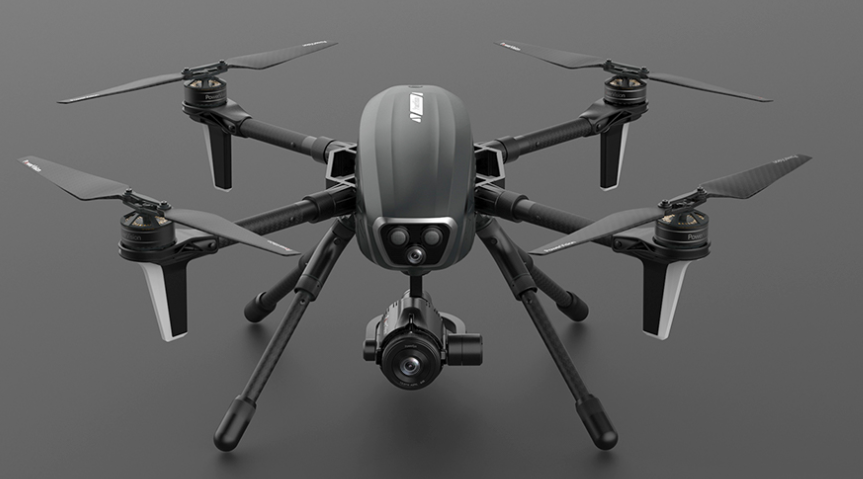
5. PowerVision PowerEye

PowerVision PowerEyeSource: PowerVision

This PowerEye drone stands out for its long flight time and unique tethered flying option, ideal for extended aerial missions and commercial applications.

The PowerEye stands out for its marathon flight times, ideal for extended aerial missions. Add to that the unique tethered flying option, perfect for commercial applications requiring continuous power.
Specifications:

  • Sensor: 4/3′ CMOS
  • Video Resolution: 4K
  • Max Transmission Distance: 5 km
  • Flight Time: 29 minutes
  • Gimbal: 3-axis

Pros:

  • Tethered option enables exceptionally long missions.
  • Perfectly suited for tasks requiring continuous power, such as inspections or security.
  • Micro Four Thirds sensor delivers solid image capture capabilities.
  • Covers vast areas efficiently.

Cons:

  • Tethered flight restricts movement in certain scenarios.
  • Less portable compared to some options.

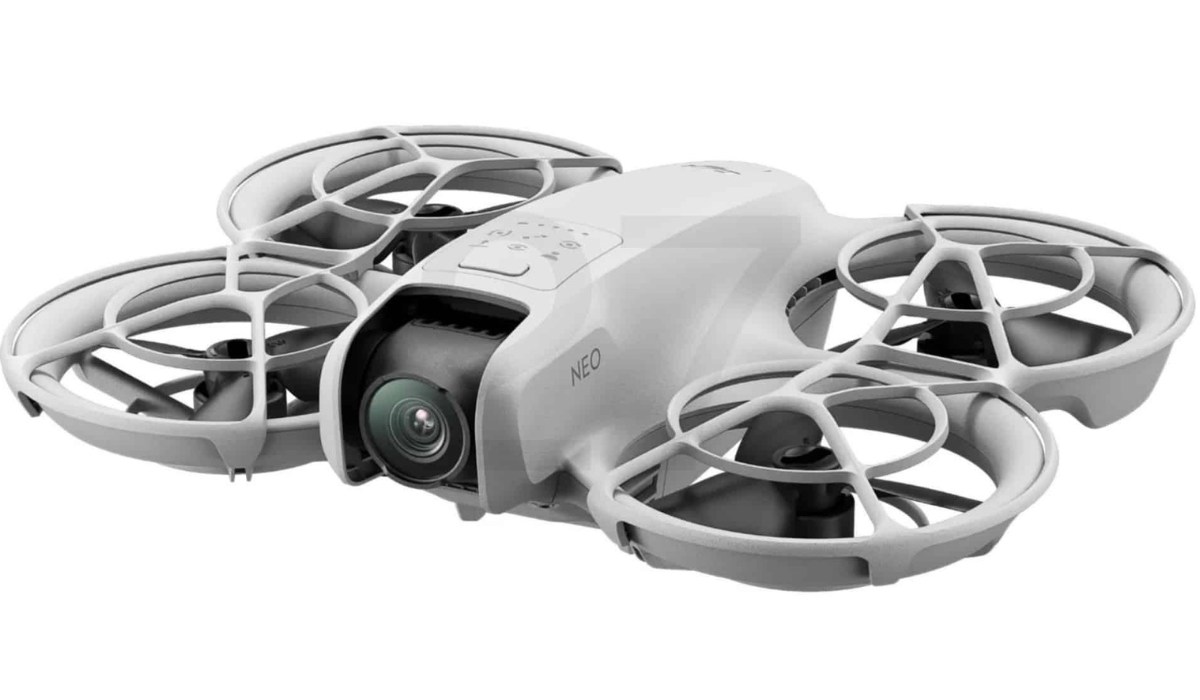
6. DJI Neo

DJI NEO

Source: DJI

For just $199, the DJI Neo is DJI’s most affordable drone, designed for social media creators who want an easy flying experience without a steep learning curve. It is palm-sized, weighing approximately 135g, and features fully enclosed propeller guards for safe flight.

The Neo reaches the air with palm takeoff, voice control, and automatic shooting modes that require no setup knowledge. It is the right choice for beginners, students, kids, and anyone trying drone flying for the first time.

Specifications:

  • Camera: 12MP, 1/2-inch sensor
  • Video Resolution: 4K at 30fps; Full HD at up to 60fps
  • Video Transmission Range: 6.2 miles (FCC)
  • Flight Time: Approximately 18 minutes
  • Weight: 135g
  • Control Options: DJI Fly app, RC-N3 controller (Fly More Combo), voice commands, palm takeoff
  • Price: $199 (drone only); $289 (Fly More Combo with controller and 3 batteries)

Pros:

  • At 135g, no FAA registration is required and it is easy to transport
  • Palm takeoff and voice control make it genuinely beginner-proof
  • Integrated propeller guards are part of the airframe, not clip-on accessories, providing constant protection during flight
  • Lowest entry price in the DJI lineup at $199

Cons:

  • 18-minute flight time is significantly lower than most DJI drones, which typically offer around 30 minutes
  • No obstacle avoidance system, so pilots must watch for hazards manually
  • Lightweight frame makes it susceptible to strong gusts of wind
  • 4K is limited to 30fps; not suitable for professional video work

Summary

The right AI drone depends on your use case and budget.

The list has explored six compelling AI-powered drones, each with its strengths:

  • For professional photography and videography, the DJI Mavic 4 Pro is the top pick in 2026.
  • For travelers and content creators who want serious specs in a small frame, the DJI Mini 5 Pro delivers at $759.
  • For industrial inspection and government work requiring a US-made drone, the Skydio X10 is the strongest choice.
  • For enterprise missions needing long endurance, the Autel EVO II Pro 6K and PowerVision PowerEye are proven workhorses.
  • For beginners, students, and first-time flyers, the DJI Neo at $199 is the easiest entry point available.

Ultimately, the “best” AI drone depends on your specific needs and budget.

Consider your primary use case, whether photography, inspection, education, or autonomy, and match the drone to that goal.

1

FAQs

1. What is an AI drone?

2. What is the best AI drone in 2026?

3. How do AI drones work?

4. Which industries use AI drones?

5. Do I need a license to fly an AI drone?

6. Is Skydio better than DJI for AI obstacle avoidance?

Author

Paul Aitken
Paul Aitken - Drone U

Paul Aitken

Co-Founder and CEO

Paul Aitken is a Certified Part 107 drone pilot and a Certified Pix4D Trainer. He is a pioneer in drone training and co-founder of Drone U. He created the industry’s first Part 107 Study Guide and co-authored Livin’ the Drone Life.

Paul is passionate about helping students fly drones safely and effectively. With over a decade of experience, he has led complex UAS projects for federal agencies and Fortune 500 clients such as Netflix, NBC, the NTSB, and the New York Power Authority.

Add Your Comment