
Best DJI Alternatives in 2026

May 23, 2026
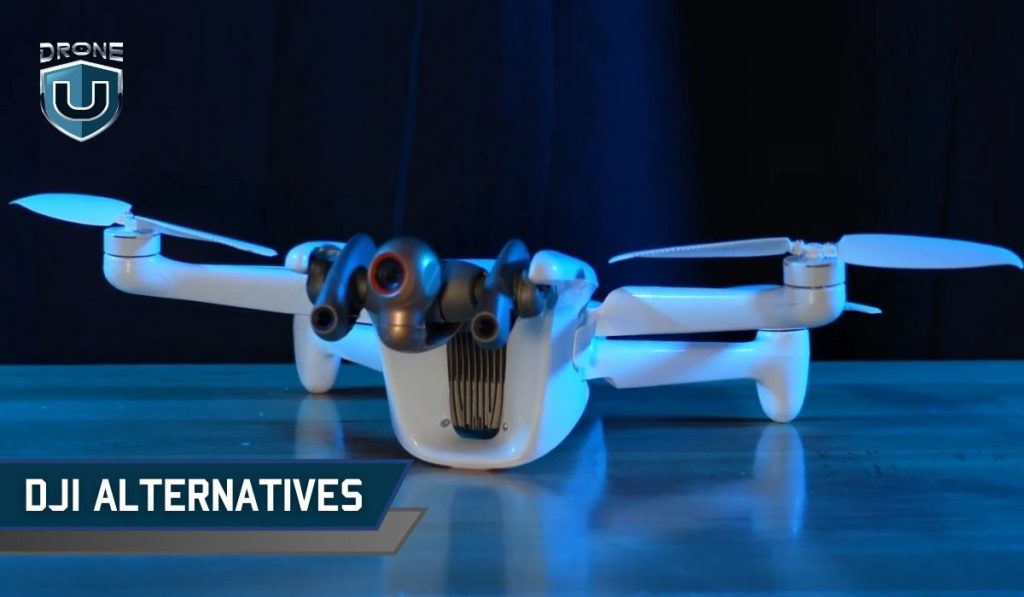
Quick Answer: Best DJI Alternatives in 2026The best DJI alternatives in 2026 depend on your budget and mission. For professional and enterprise use, the top picks are the Skydio X10 (~$23,000) for autonomous inspection, the Freefly Astro (~$20,000) for modular mapping, the Anzu Robotics Raptor (~$5,099) for data-secure commercial work, and the Parrot Anafi Ai (~$4,500) for portable all-weather operations. For pilots looking for a consumer-priced option, the Potensic Atom 2 (~$330) is the most competitive sub-250g DJI alternative actively available in the US in 2026. Why consider alternatives in 2026? DJI and Autel were added to the FCC Covered List in December 2025, blocking new equipment authorizations for federal procurement. Existing DJI drones remain legal to fly for private and commercial operators. Organizations using federal funding must now use compliant alternatives. |
| Drone | Best For | Price | Weight | Flight Time | NDAA |
|---|---|---|---|---|---|
| Potensic Atom 2 | Budget consumer | ~$330 | 249g | 38 min | No |
| Anzu Robotics Raptor | Data-secure commercial | ~$5,099 | 915g | 45 min | Yes |
| Parrot Anafi Ai | Portable all-weather | ~$4,500 | 898g | 32 min | Yes |
| Freefly Astro | Modular mapping | ~$20,000 | 1.8kg | 37 min | Yes |
| Skydio X10 | Autonomous inspection | ~$23,000 | 2.49kg | 40 min | Yes |
The best DJI alternatives in 2026 are the Skydio X10, Freefly Astro, Anzu Robotics Raptor, and Parrot Anafi Ai for professional use. The Potensic Atom 2 covers pilots who need a consumer-priced option under $500.
Between rising costs, regulatory concerns, and limited alternatives in the past, pilots are actively looking for real options that can compete.
The problem?
Most “DJI alternatives” lists recycle the same weak recommendations.
In this guide, we break down the few drones that actually hold up, based on real-world performance, not spec sheets.
The goal is to help you find the perfect DJI alternative to match your needs.
But why should you consider DJI alternatives?
Let’s understand.
DJI offers a compelling combination of easy-to-use features, reliability, and a wide range of drones.
Here are some reasons why you might want to consider other drone manufacturers:
In December 2025, DJI and Autel were added to the FCC Covered List under the Countering CCP Drones Act. This blocks new DJI and Autel models from receiving FCC equipment authorization for US import and sale.
It also prohibits federal agencies and federally funded programs from procuring or operating these drones.
For private commercial operators and recreational pilots: this does not affect you. Existing DJI drones remain fully legal to fly. New DJI hardware is still available through existing stock and authorized dealers while supplies last.
For government agencies, public safety departments, and any program using federal funding: you need a compliant alternative now. That is driving the search for NDAA-compliant options like those covered in this guide.
Privacy and Security: Government agencies and those conducting sensitive operations might have concerns about potential data collection by DJI. Some manufacturers offer open-source software or limit data collection, providing you with greater transparency over how your flight data is handled.
Feature Specialization: While DJI offers a well-rounded feature set across its models, some competitors excel in specific areas. Need longer flight times for stunning aerial photos? Want to fly in tight spaces? A drone with top-notch obstacle avoidance technology might be your best bet.
Brand Diversity: Supporting regional manufacturers or companies outside of China is a factor for some buyers. With the rise of new technology, many Americans prefer American-made drones. Choosing a different brand allows you to diversify your options and encourage a wider range of manufacturers.
Keeping these points in perspective, we explored the best DJI alternatives. Let’s explore how you can choose the right DJI alternative.
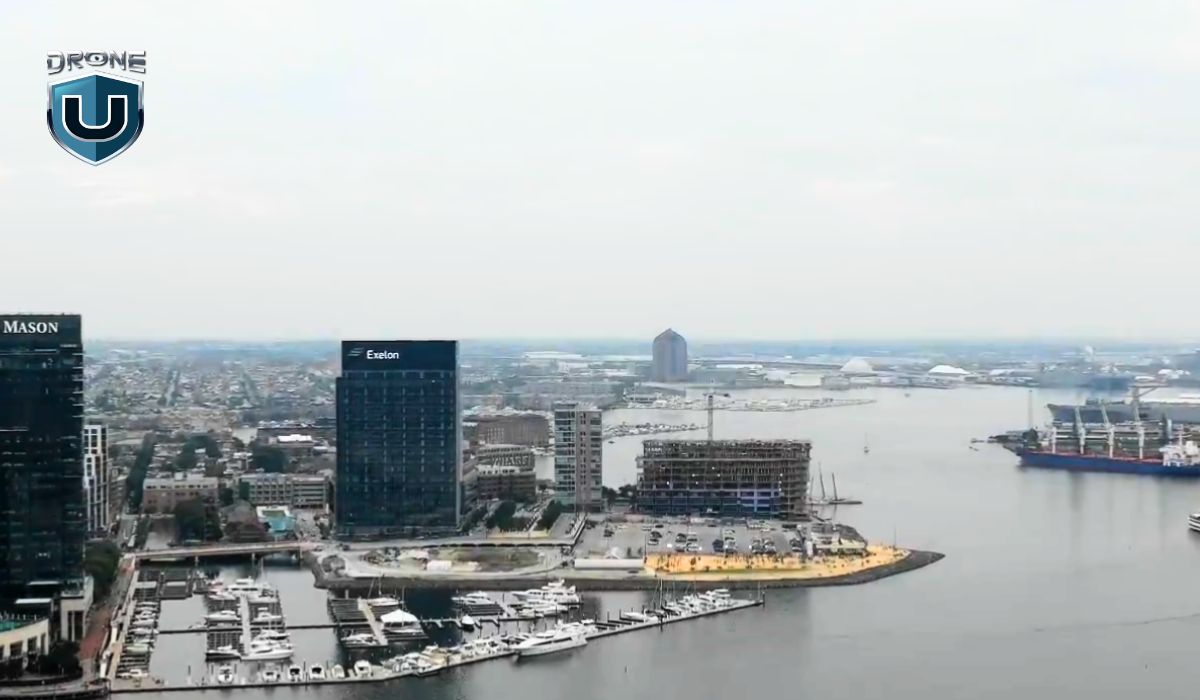
Choosing the right DJI alternative comes down to what you actually need from a drone.
Here’s a breakdown of key factors to consider:
Are you a photography enthusiast seeking stunning image quality? Maybe a hobbyist wanting long flight times for exploration? Or are you looking to map large areas?
The answer determines which drone on this list is right for you.
The next important step is to compare their features. Focus on what you cannot do without: camera quality, flight time, range, or obstacle avoidance. Check sensor size, gimbal stabilization, and flight time across models.
The software and apps that control the drone are crucial for a smooth user experience. Compare the ease of use, the available flight modes and settings, and any limitations of the app offered by each alternative.
Research the brand’s customer service, update history, and after-sales support before buying.
Read reviews from drone pilots to gain insights into how the alternative performs in different conditions. Reviews can highlight strengths and weaknesses you might not find in product specifications.
Here are the best 5 alternatives to DJI drones:
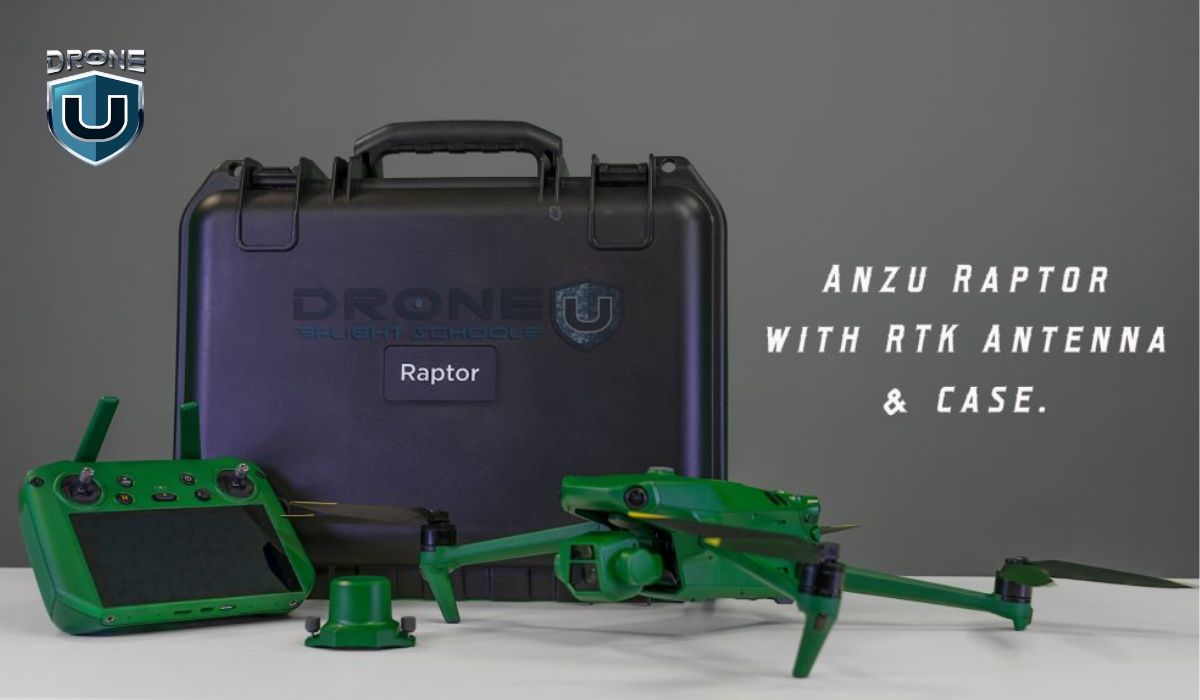
The Anzu Robotics Raptor is the top pick for commercial pilots who need a data-secure alternative to DJI with US-based software and NDAA compliance.
The Raptor is manufactured in Malaysia with final assembly and quality control in Austin, Texas. This can be a deciding factor for government agencies or businesses with security concerns.
The Raptor boasts specs comparable to DJI’s Mavic 3, including a 45-minute flight time, a 9-mile range, and a high-quality camera. However, the Raptor uses software developed by Aloft, ensuring it complies with US regulations.
The Anzu Raptor drones look nearly identical to the popular DJI Mavic 3 Enterprise and Mavic 3 Thermal models.
While they may share a similar appearance, these drones operate on entirely different software systems. DJI relies on the DJI Pilot 2 app or various third-party options. Anzu Raptor, on the other hand, takes a completely different approach with American-made software.
Check out this video with Randall Warnas, the CEO of Anzu Robotics:
Specifications of Anzu Robotics Raptor
Price Point: $5,099
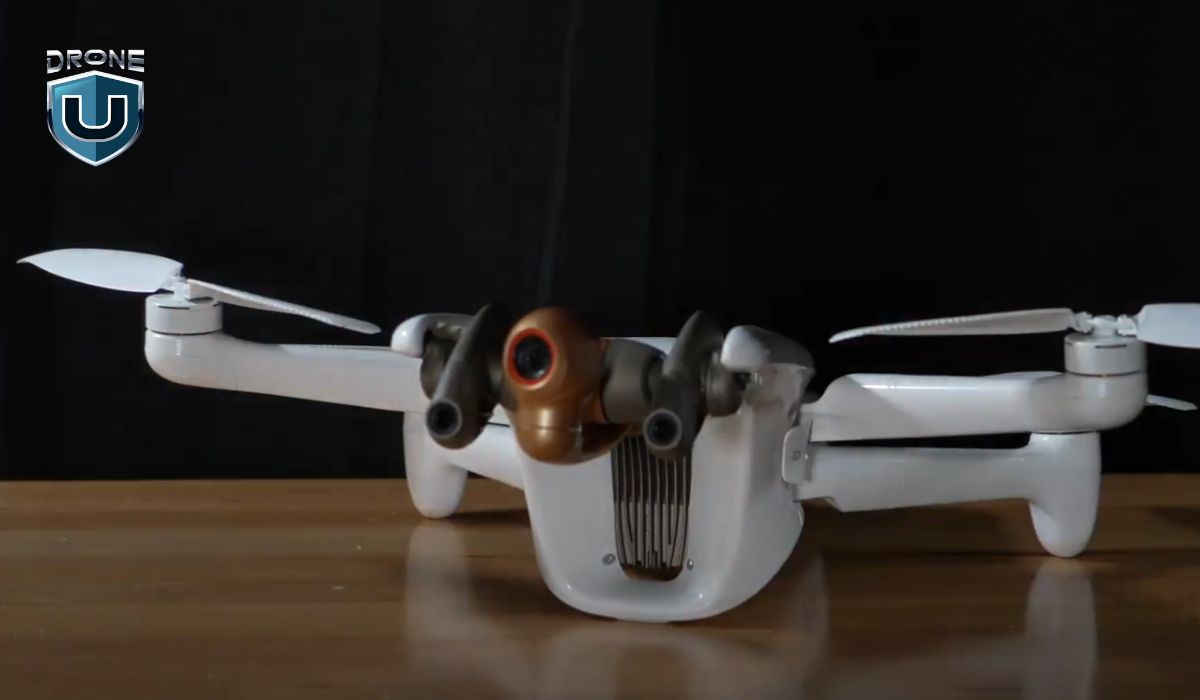
The Anafi Ai’s lightweight design and unique folding mechanism make it one of the most portable drones on the market. It easily fits in a backpack or even a large pocket, making it ideal for travel or capturing spontaneous moments.
For pilots who fly in breezy conditions, the Anafi Ai handles wind better than most DJI models in its class. While some DJI models offer good wind resistance, the Anafi Ai generally holds up better in stronger gusts.
A surprise advantage of the Anafi Ai is its IP53 weather resistance rating. This means it can withstand light rain or drizzle, giving you more flexibility to fly in less-than-perfect conditions without worrying about damaging the drone.
Price Point: $4,500
 Source: Freefly Systems
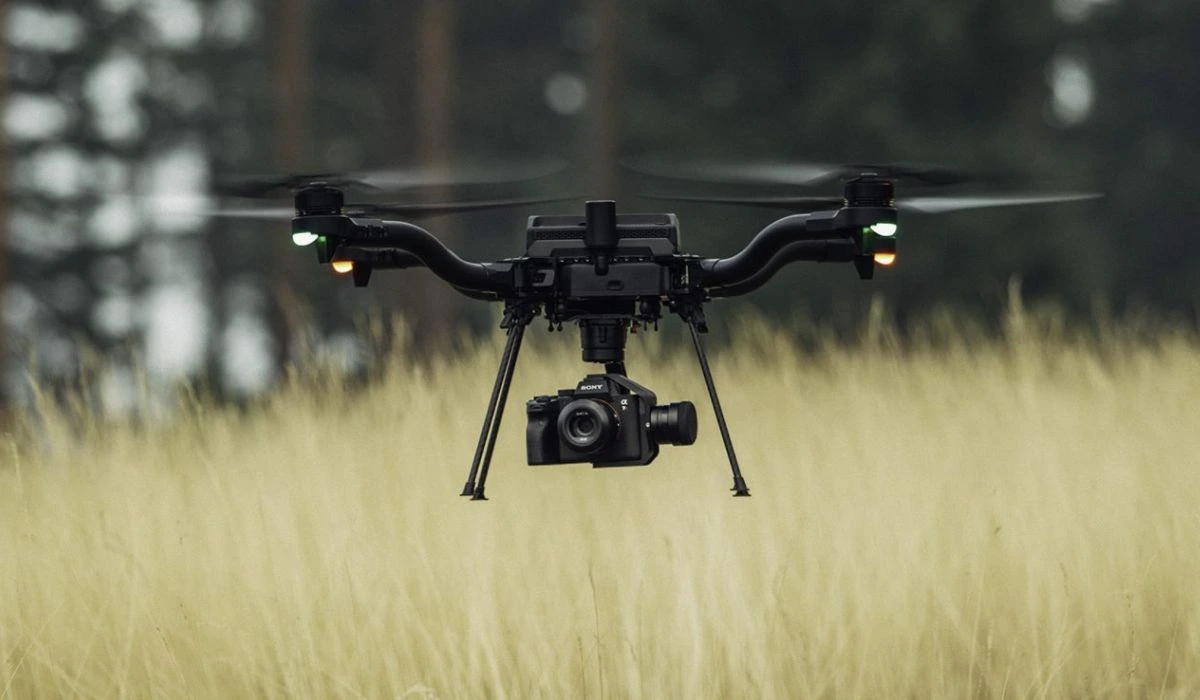
Unlike DJI’s closed ecosystem, Astro utilizes open-source software (PX4) for flight control. This is the right pick for teams who need to swap sensors between missions or run custom payloads.
Build quality is stronger than the DJI Inspire. That matters in the field.
If your missions change often, Astro’s modular design is the advantage DJI’s Inspire cannot match.
Specifications of Freefly Astro
Price Point: $20,000
 Source: Skydio
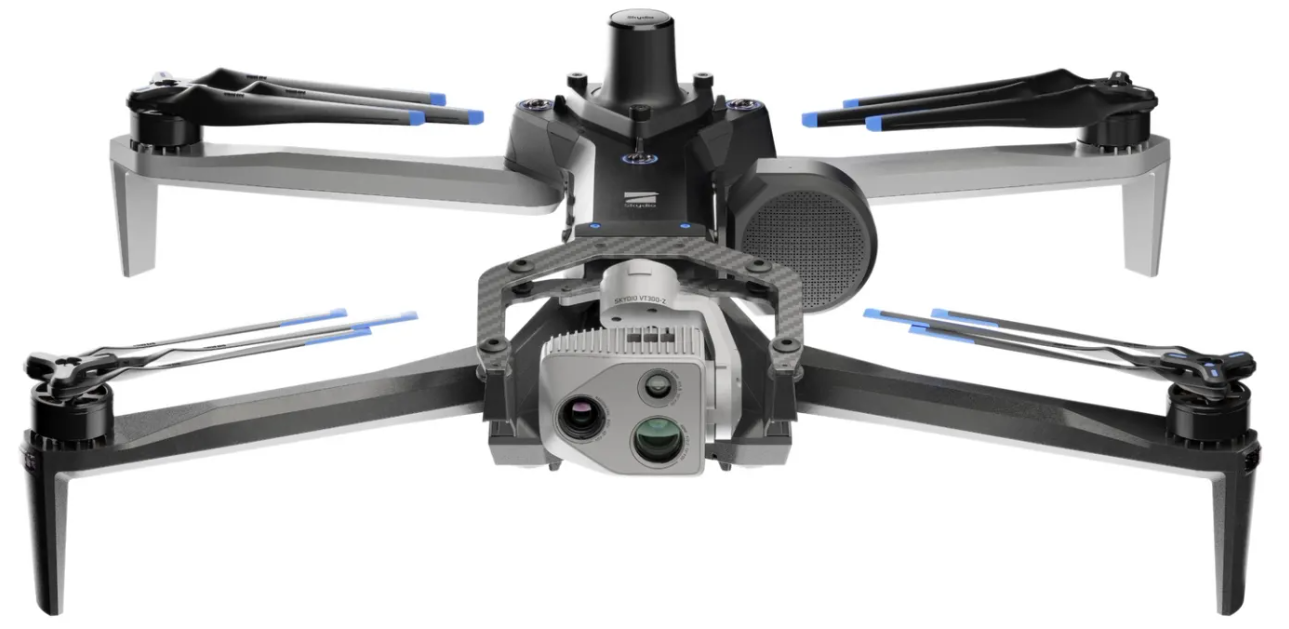
The Skydio X10 is the strongest alternative to DJI’s high-end drones for autonomous inspection work.
Skydio shines in its autonomous tracking capabilities. Its AI-powered system excels at following subjects through complex environments, making it ideal for action sports, self-filming, or capturing dynamic scenes without constant manual control.
The X10 boasts a sophisticated obstacle avoidance system that can navigate intricate spaces and around unexpected hurdles. This allows for safer flight, especially in tight or cluttered environments.
If your primary concern is capturing dynamic footage with hands-free, subject tracking in complex environments, the Skydio X10 excels in this area.
Specifications of Skydio X10
Price Point: $23,000
Source: Potensic STORE
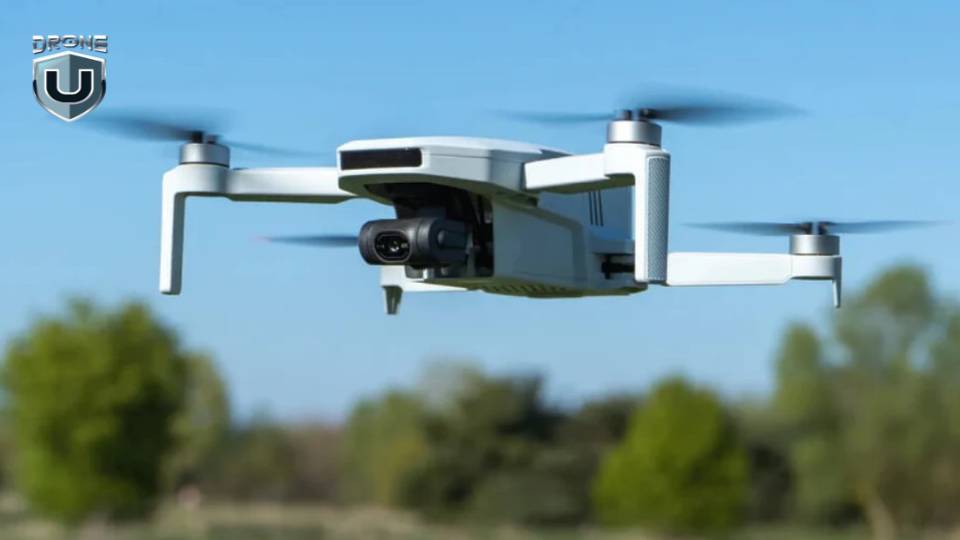
The Potensic Atom 2 is the most accessible DJI alternative available in the US in 2026. At $330 and under 249g, it stays below the FAA registration threshold and competes directly with the DJI Mini 4 Pro at a lower price. It is the only consumer camera drone outside of DJI actively sold in the US market at this price point.
For hobby use, real estate photography, and casual commercial work, it delivers genuine value. It is not an enterprise drone. For pilots who need a capable camera drone without spending thousands, it is the clearest choice right now.
Key Specifications of Potensic Atom 2
Price Point: ~$330
The right DJI alternative exists for every mission and budget. From the $330 Potensic Atom 2 for casual pilots to the $23,000 Skydio X10 for enterprise inspection. The market has changed. The options are real. Pick the one that fits what you actually do.
 0
0

Add Your Comment