
How Much Does a Good Drone Cost?

May 20, 2026
Quick Answer: How Much Does a Good Drone Cost?A good drone costs between $300 and $1,000 for most hobby and recreational pilots. In that range you get 4K video, GPS stabilization, 20 to 34 minutes of flight time, and a foldable design. For professional and commercial use, expect to spend $2,000 to $10,000 or more. The total cost of owning a drone goes beyond the purchase price. Add $50 to $200 per extra battery, $15 to $50 for SD cards, and $40 to $100 for a carrying case. A Part 107 certification ($175 exam fee) is required for any commercial use in the United States. |
A good drone costs between $300 and $1,000 for most buyers.
Below that range, you are buying a toy. Above it, you are paying for professional-grade features most hobbyists do not need. The right price depends on what you plan to do with the drone.
Prices range from $50 to over $50,000. That range makes it hard to know where to start.
This guide helps you find the right drone for your budget.
The drone market can feel like a maze. You’ll find models priced under $100 and others priced like used cars. So, how do you make sense of it all?
To clear the air, let’s categorize drones based on their price and intended purpose.
These are entry-level drones made for indoor flying or casual outdoor use. They’re light, simple, and often lack GPS. Most have basic 720p cameras, if they have a camera at all. Flight time is around 8 to 15 minutes.
If you’ve never flown before and want to get a feel for the controls without worrying about an expensive crash, this is a great place to start. Just know: you’ll likely outgrow these quickly.
Looking for more compact and beginner-friendly options? Check out our picks for mini drones for beginners.
You can also check out the best drones under $200 with a camera.
They often fold up for portability and use brushless motors for smoother flight. This is the sweet spot for most beginners and hobbyists who want reliable flying and decent footage.
Examples: DJI Mini 2 SE, DJI Mini 3, Autel EVO Nano+, Potensic Atom SE.
These drones incorporate semi-professional features. They offer higher-end specs like:
Examples: DJI Air 3, DJI Mavic 3 Classic, Autel EVO Lite+
These are purpose-built machines for professionals. They carry thermal cameras, LiDAR sensors, RTK positioning, or large interchangeable payloads.
Often used in surveying, search and rescue, agriculture, and cinematography, they require training and usually a Part 107 certification in the U.S.
Examples: DJI Matrice 30T, Freefly Alta X, JOUAV CW Series.
When it comes to drone pricing, there’s more at play than just the brand name or camera specs. We’ll explore that in the next section.
Factors Affecting Drone Cost
If you’re new to the world of drones, you might have this question: “Why do some drones cost $300 and others $3,000?”
Answering this question can help you avoid overpaying and make a smarter choice.
Let us find out what drives the drone cost:
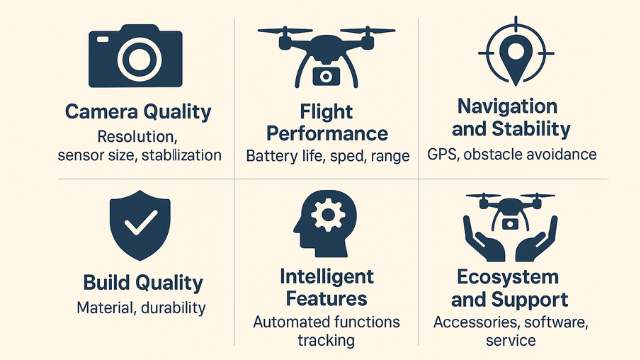
This is often the first spec people check in a good drone. A drone with a 2.7K camera will cost far less than one with a 1-inch sensor shooting 5.4K video.
Higher-end cameras also come with better image processors, larger sensors for low-light performance, and mechanical gimbals for buttery-smooth footage.
If you’re into photography or want to create professional-looking video, this is one area where it’s worth investing.
Cheaper drones usually fly for 10–15 minutes. Step up a bit, and you’ll find drones offering 30+ minutes of flight per battery, along with better wind resistance, higher top speeds, and more stable hovering.
Why does that matter? Because longer flight time means fewer battery swaps and more room to focus on getting your shot.
Range also varies. A toy drone might stay within 100 feet, while a GPS drone could fly several miles and still come home safely.
GPS, GLONASS, or Galileo let your drone hover in place, return home automatically, and fly pre-set routes. Without them, you have to correct the drone manually the whole time.
Higher-end models add obstacle avoidance and terrain-following to prevent crashes.
Cheaper drones are usually made of lightweight plastic that doesn’t hold up well in crashes. Premium drones use reinforced plastic, carbon fiber, and more efficient propeller designs.
That adds cost, but also adds lifespan.
Want ActiveTrack to follow you on a hike? Or QuickShots for automated cinematic movements? These software features depend on powerful onboard processors and stable firmware.
You can find them in drones with reliable flight apps, customizable settings, and regular firmware updates. These features are more common in premium drone models.
A DJI drone offers more than hardware. You get access to an entire ecosystem of accessories, flight software, community support, and firmware improvements. That support is baked into the price.
You might find cheaper off-brand drones, but they often lack support, replacement parts, or trustworthy tutorials.
Next, let’s explore what it costs to own and operate a drone.
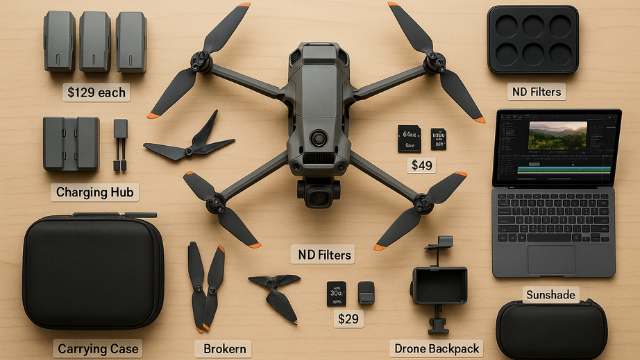
Real Cost of Operating a Drone
Buying the drone is just the beginning. If you’re serious about flying, you’ll need to factor in a few extra expenses. These aren’t always obvious when you’re first shopping, but they add up quickly.
Most drones include just one battery. As a result, flight time usually tops out at 25–30 minutes per charge. In real-world conditions, like wind or recording video, it often drops to 20 minutes.
If you want to spend a full afternoon flying, keep at least two extra batteries.
Depending on the model, each battery can cost anywhere from $50 for small drones like the DJI Mini 2 SE to over $200 for higher-end drones like the Mavic 3 series.
A multi-battery charging hub also helps keep you flying longer without long wait times.
Propellers break; it’s just part of the learning curve. Fortunately, they’re cheap and easy to replace. Many drone kits include an extra set, but it’s best to keep backups on hand.
Crashes often damage parts like landing gear, gimbals, or arms. With high-end drones, you need to send them in for professional repairs, which increases long-term costs.
Most drones do not include an SD card. Slow cards cause dropped frames or corrupted footage.
Look for a U3-rated microSD card, ideally 64GB or 128 GB. Having at least two is a smart move. Quality cards usually cost between $15 and $50.
Once you add batteries, chargers, and a controller, you need a padded case or backpack. A padded case can cost $40–$100, depending on size and features.
ND (neutral density) filters act like sunglasses for your drone’s camera. They reduce harsh light and help capture smoother video in bright conditions.
For better control and protection, you can add accessories like landing pads, tablet mounts, prop guards, and sunshades.
Most drones include a free flight app. But if you plan to stitch panoramas, create maps, or edit cinematic video, you need to budget for additional software.
Some pilots use free editors like DaVinci Resolve, while others choose paid options like Final Cut Pro or Adobe Premiere.
Serious editing often adds $200 or more to your total cost.
Once you’ve factored in all the extras like batteries, accessories, and editing tools, the next step is choosing a drone that gives you the best value for your budget.
Once you understand the full cost, finding the right drone gets a lot easier.
Is your budget under $1,000? Good news.
You’re in one of the best spots to get real value without sacrificing flight performance or camera quality.
A good drone under $1,000 offers:
This is where most serious hobbyists and even some semi-pros get started.
Let’s take a look at the drones that deliver the most for the money.
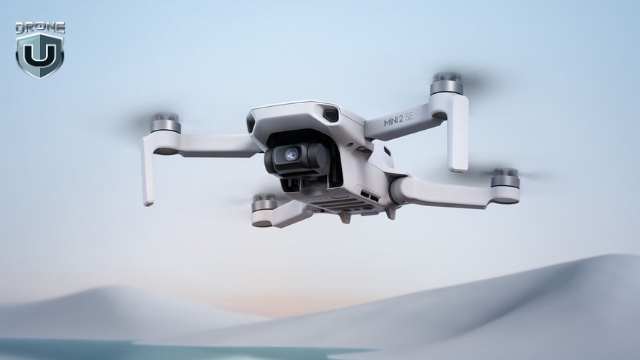
DJI Mini 2SE
DJI Mini 2 SE is a favorite for first-time flyers. It’s lightweight, which means you don’t need to register it with the FAA for recreational use. It shoots 2.7K video, handles wind better, and folds up to fit in a jacket pocket.
Battery life is about 31 minutes, and it uses DJI’s trusted flight app for stability and control. It is a perfect beginner drone.
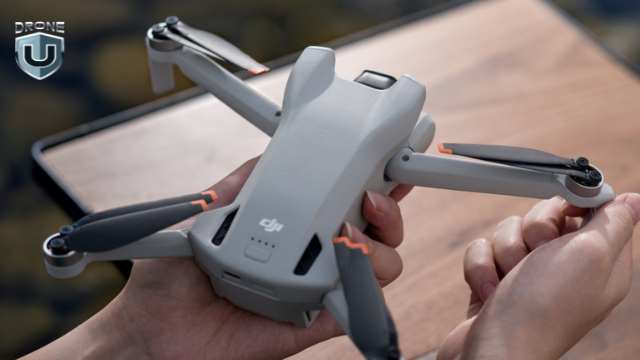
DJI Mini 3
A noticeable step up from the Mini 2 SE, the DJI Mini 3 offers true 4K video, vertical shooting (ideal for social media and content creators), and enhanced low-light performance.
It still weighs under 250g, so you can skip registration. Battery life is up to 38–51 minutes of flight time.
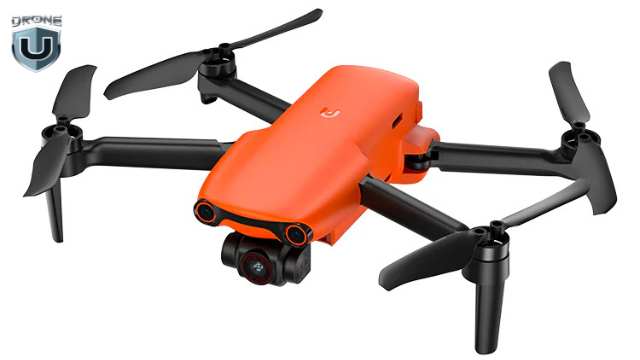
Autel EVO Nano+
Autel’s Nano+ is a powerful DJI alternative. It features a 1/1.28” sensor, which means better dynamic range and low-light shots.
You also get 4K/30fps video, obstacle avoidance sensors (rare at this price), and about 28 minutes of airtime. Plus, no account sign-in is required to fly.
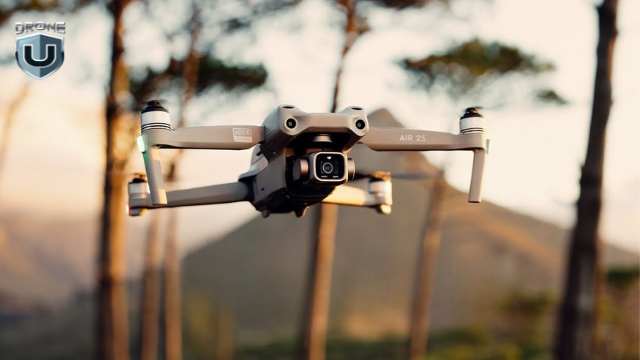
DJI Air 2S
If you can find a deal, this drone is a beast.
The DJI Air 2S has a 1-inch sensor, shoots 5.4K video, and includes intelligent features like MasterShots and ActiveTrack 4.0.
It weighs more than 250g, so you need to register it. But if you find a deal on a refurb or bundle, this drone delivers far more value than its cost suggests.
In this range, every dollar counts. A drone around $400 will fly and film, but a drone closer to $900 will track, dodge, and shoot cinematic footage.
Here is how all four categories compare at a glance.
Drone pricing isn’t one-size-fits-all. A good drone cost depends on your goals, features, and how you plan to fly.
Here’s a quick comparison of the most common categories of drones.
| Category | Price Range | What You Get | Best For |
| Toy & Mini Drones | $30–$300 | Basic controls, short range, no GPS, limited camera | Kids, indoor flying, first-time fun |
| Budget Camera Drones | $300–$1,000 | 2.7K–4K video, GPS stabilization, 20–30 min flight, foldable, beginner-friendly | Hobbyists, travelers, and content creators |
| Prosumer Drones | $1,000–$2,000 | 1” sensor, obstacle avoidance, 4K/60fps+, long-range, pro apps | Freelancers, creators with goals |
| Pro & Commercial | $2,000–$10,000+ | Interchangeable payloads, thermal/LiDAR, RTK, smart tracking | Surveying, inspections, and enterprise use |
Want to explore more drone options under $1k?
Check out our in-depth guide on the best budget drones for beginners to choose the perfect drone for you.
With those options in mind, here is what to take away.
A “good” drone doesn’t have to be expensive. However, it does require a little clarity on what you need.
If you’re just getting started, focus your search on the $300–$1,000 range. This is where the drones are easiest to fly, easiest to learn on, and most likely to give you solid photo and video results without blowing your budget.
If you buy smart, you’ll fly more often. And you’ll enjoy the experience a whole lot more.
For most pilots, a budget of $300 to $1,000 covers everything needed to fly, film, and enjoy the experience. Plan for batteries, an SD card, and a carrying case on top of the drone price.
Buy the drone that fits your goals today. You can always upgrade later.
 7
7