
Best Budget Drones for Beginners (2026): Easy Picks for Your First Flight

October 14, 2026
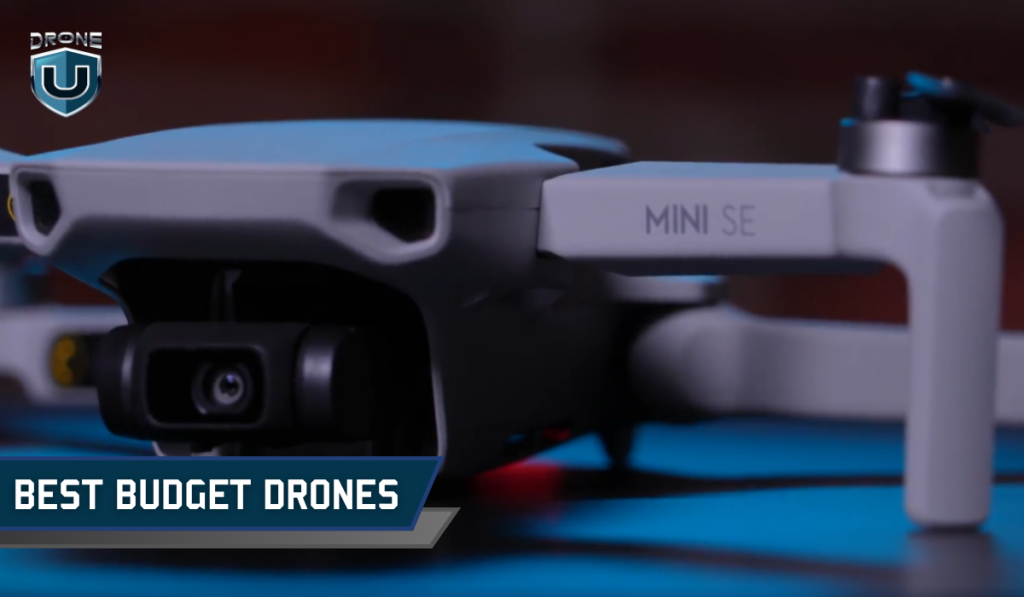
Quick Answer: Best Budget Drones for Beginners in 2026## Conclusion The best first drone for most beginners is the DJI Mini 3 (about $469). It weighs under 250 grams, which keeps the rules simple. Tighter budget? Choose the DJI Mini 2 SE (about $299) or the Potensic ATOM SE (about $229). The 250g rule matters: Drones under 250g do not need FAA registration for recreational use. The DJI Mini 3, Mini 2 SE, and Potensic ATOM SE all come in just under this threshold, making them the smartest starting picks. Avoid: Drones under $100 for outdoor flying. At that price, most have no GPS, drift in any breeze, and the cameras produce unusable footage. They work for indoor practice only. |
Many beginners hesitate to invest in their first drone, fearing they might crash an expensive gadget within minutes.
This guide breaks down the top choices, helping you find the best budget drone that’s easy to fly, packed with features, and perfect for beginners.
Here is a quick look at the best affordable drones included in the list:
| Model | Weight | Flight time | Camera | Price | Best for |
| DJI Mini 3 | 248g | up to 38 mins | 48MP | $469 with remote | Aerial photography |
| DJI Mini 2 SE | under 249gm | 31 minutes | 12MP | $299 | Recreational/ hobbyists |
| BetaFPV Cetus X | 55g | 5 minutes | C04 FPV Camera | $309.99 | Freestyle flying |
| Ryze Tello | Approx 80gm | 13 minutes | 5MP | $99 | Educational purpose |
| DJI Neo | 135g | 18 minutes | 1080p | $199 | Best selfie drone |
| DJI Mini 4K | Under 249g | 34 min | 4K/12MP | $299 | Best value DJI beginner drone |
| Potensic ATOM | Under 249g | 32 min | 4K/12MP Sony | $249.99 | Best non-DJI budget pick |
| Potensic ATOM SE | under 250gm | Up to 31 mins | 12MP | $229.99 | Recreational/ hobbyists |
Before choosing, here is a quick overview of what each drone offers.
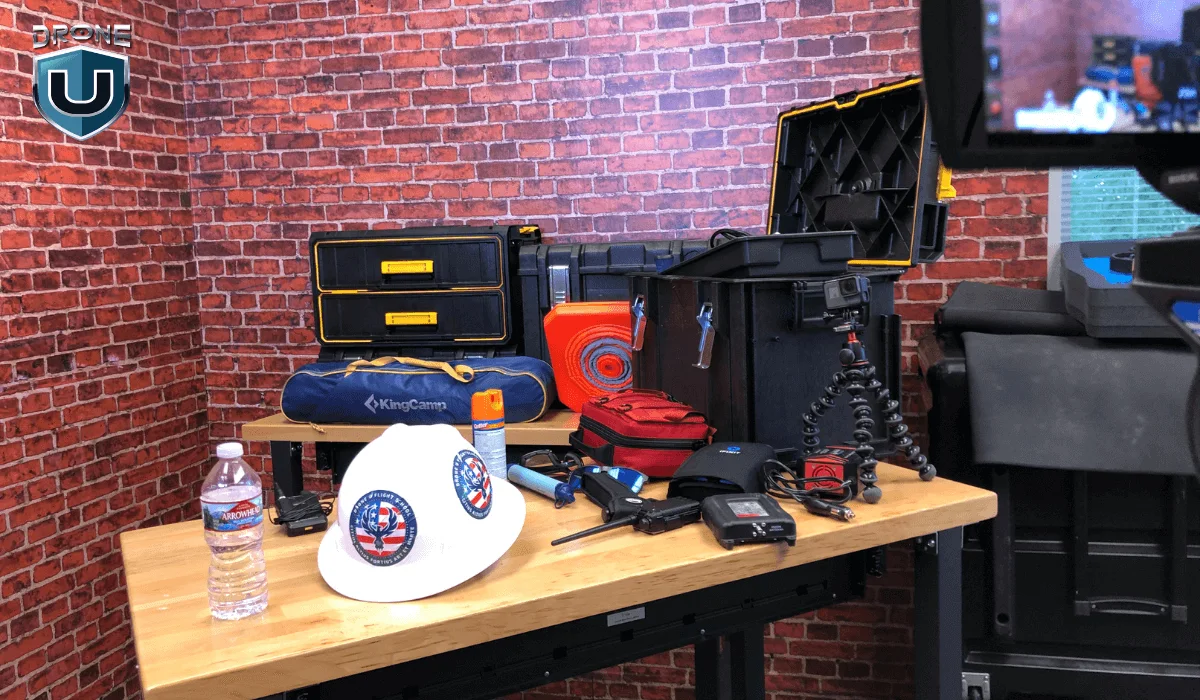
Here are some important terms that you have to be aware of before buying a drone:
The frame is the physical framework that holds the drone’s components together. It offers structure and support for other components and is available in a variety of forms and materials depending on the drone’s kind and function. They are typically made from carbon fiber or plastic, which holds all the drone’s parts together.
Motors spin the propellers and provide the thrust that lifts the drone. These motors are usually brushless and electric, perfect for the demands of flight.
The number of motors a drone has is directly related to the number of propellers it uses. This in turn determines the drone’s configuration.
Generally, you’ll find drones with four motors and propellers, making them quadcopters. The quadcopters are quite popular because they offer good stability and control for beginners.
Propellers are revolving blades that provide thrust and lift, propelling the drone through the air. Drones can have several propellers, and their arrangement (quadcopter, hexacopter) affects stability and maneuverability.
The remote controller is the handheld device you use to fly the drone. It has joysticks, buttons, and sometimes even a built-in screen.
You use the joysticks to make your drone fly up, down, and around. With buttons, you can control things like taking pictures or videos. Additionally, more advanced controllers display live flight data on a built-in screen.
Drones are powered by rechargeable lithium batteries. The longer the battery life, the longer you can fly per session. More battery life means longer sessions and more footage.
Consider the battery life of the drone and whether it comes with extra batteries. Extra batteries are a great way to extend your flight time, allowing you to capture more footage or explore a wider area.
As you gain experience flying, you can consider features that elevate your drone to a more advanced level. These features include:
GPS modules: Enable features like automatic flight paths and return-to-home functionality, making flying more convenient and safer.
Cameras: Capture stunning aerial photos and videos, opening a world of creative possibilities.
Gimbals: Stabilize your camera for smoother, professional-looking footage.
Sensors: Enhance obstacle avoidance and flight stability, especially helpful for navigating complex environments.
It would be best to focus on mastering the basics first; then you can explore these advanced features as you progress.
Let’s explore the criteria to consider when purchasing a drone.
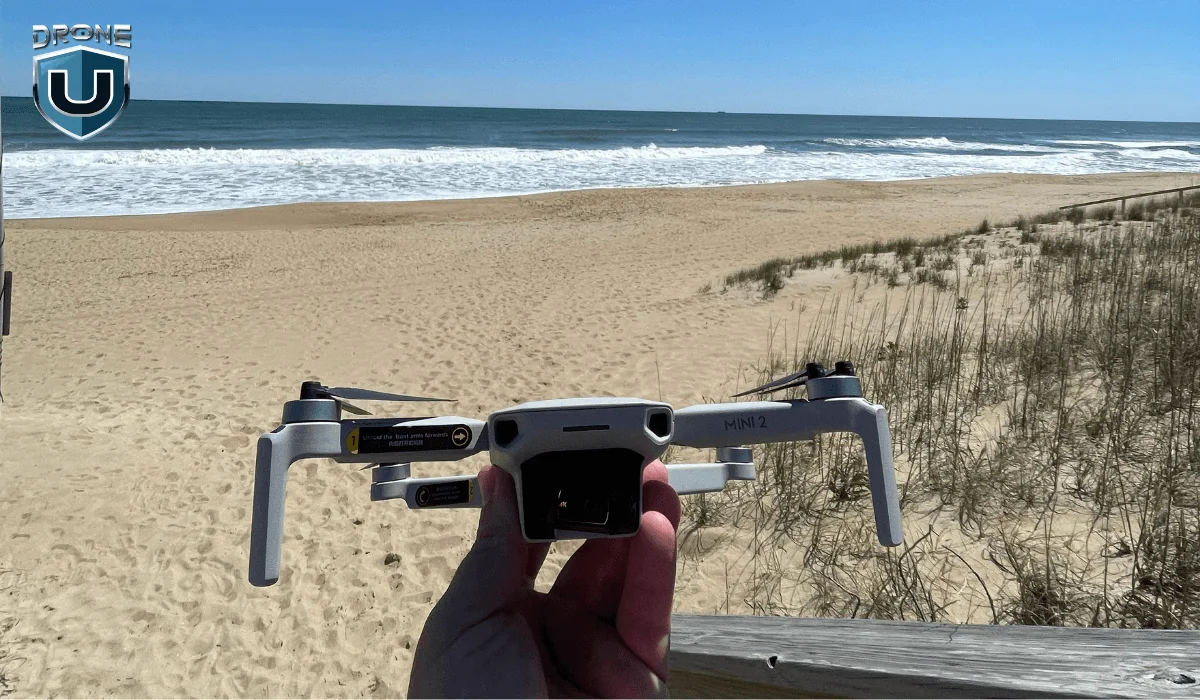
We’ve covered the drone basics. But choosing the right one goes beyond terminology. Let’s explore some key factors to consider before you find your perfect budget drone:
Most useful beginner drones fall between $200 and $500. For example: The DJI Mini 3 comes at $469 with a remote controller and is a high-quality drone.
Some suitable options also exist below $300, providing a cost-effective pathway into the hobby. The DJI Mini 2 SE at $299 is a strong option in that range.
If you are a beginner, the ease of use is a paramount consideration. This determines how quickly you progress past the learning curve.
Drones with user-friendly controls and a simple setup process make the drone easier to control from the first flight.
Altitude Hold and GPS Stabilization make your drone easier to control and keep it steady while hovering. This reduces the learning curve and lets you focus on capturing stunning photos and videos, not fighting the controls.
Durability is an important factor for beginners still developing their flying skills. Minor bumps and crashes are common when learning to fly. A well-built drone handles early mistakes without significant damage and lets you explore with confidence.
Many drones come equipped with safety features like propeller guards. These act as shields, preventing accidental contact with the spinning blades. Thus, keeping both you and objects safe.
You must understand flight performance before taking off on your drone adventures. This determines how long and how far your drone can fly.
The Flight Time of the drone depends on its battery life. Most drones can fly for between 10 and 30 minutes on a single charge. This gives you plenty of time to explore, take photos, and practice your flying skills.
A good-quality camera on a drone opens up a world of creative possibilities. For capturing breathtaking aerial photography and videography.
For most beginners, a camera in the 1080p to 4K range is sufficient.
As you fly your drone more, the need for replacement parts may arise. To minimize downtime and keep you flying, consider the availability of spare parts for your chosen model. Ideally, look for drones with readily available parts from nearby stores or reputable online retailers.
The eight drones below cover the main price points and use cases for beginner pilots in 2026.
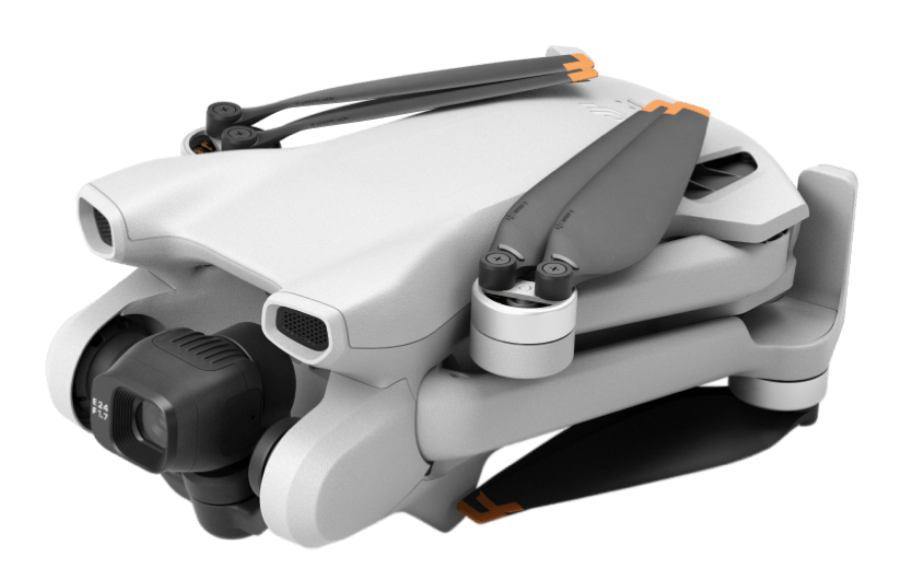 Source: DJI
The DJI Mini 3 is renowned for its compact and lightweight design, making it a strong choice for beginners who want reliable performance in a compact size. Its sleek design and lighter materials make it exceptionally travel-friendly and easy to deploy, making it an ideal choice for casual flight enthusiasts and photographers searching for a highly portable aerial platform.
| Pros | Cons |
| Compact and portable design | It lacks higher frame rates. |
| Decent camera quality for capturing aerial footage. | The Mini 3 lacks obstacle avoidance sensors. |
| Affordable price point as compared to the advanced models. | |
| Extended battery life of 51 minutes with Intelligent Flight Battery Plus. |
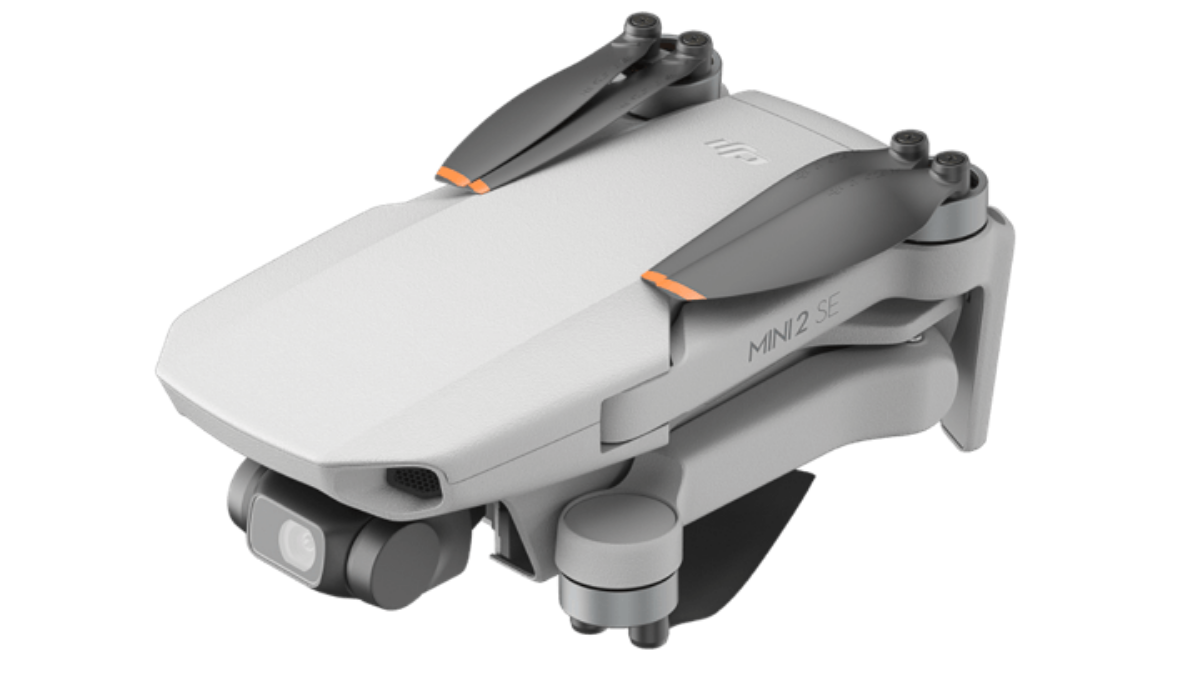 Source: DJI
The DJI Mini 2 SE is a lightweight, compact drone that does not skimp on performance. It supports up to 10km HD video transmission and can fly for up to 31 minutes on a single charge. It is capable of capturing high-quality footage with a 1/2.3-inch CMOS camera that shoots 12MP photos and up to 2.7K videos. It comes with wind-resistant and robust flying capabilities, making it a great option for those considering the best budget drones.
| Pros | Cons |
| It weighs under 249 gm with its compact structure making it travel-friendly. | It lacks obstacle avoidance and hyperlapse features. |
| It is one of the cheapest drones by DJI with good features. | While 2.7K video is impressive, it may not satisfy those looking for 4K resolution. |
| The camera delivers clear and crisp imagery for a drone at this price. | |
| Excellent wind resistance and stability features ensure smooth footage. |
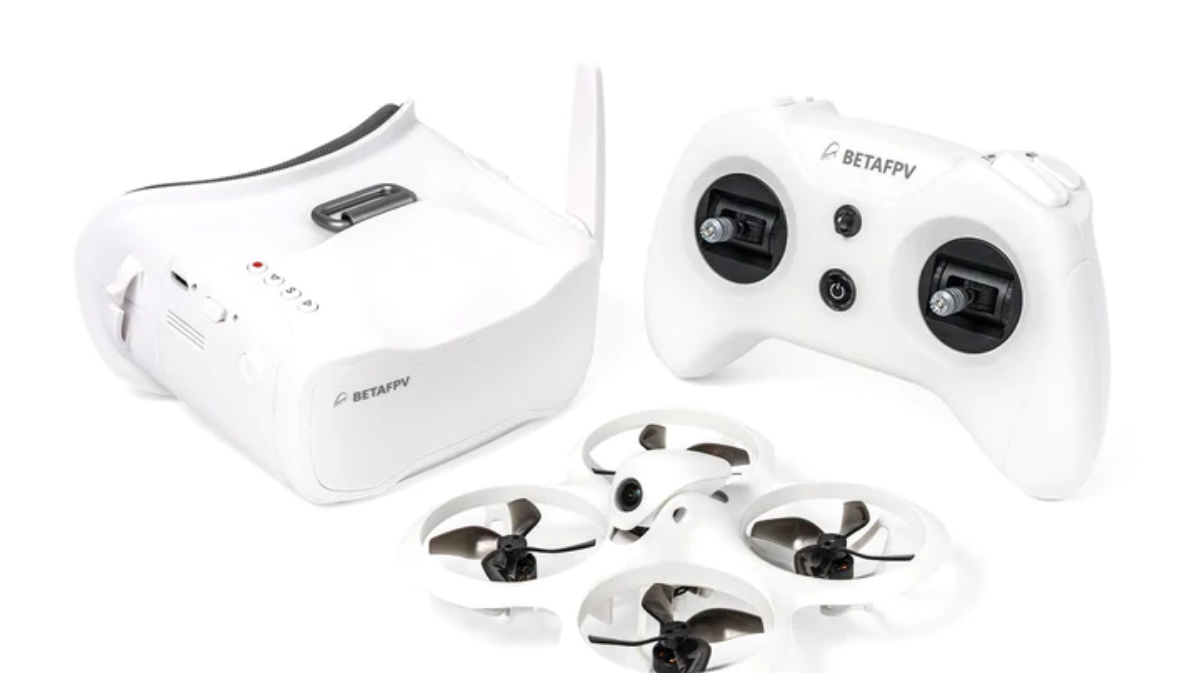 Source: BetaFPV
The BetaFPV Cetus X is a comprehensive FPV drone kit designed primarily for beginners in FPV (First Person View) flying arena. It includes the drone itself, VR03 FPV goggles, and the LiteRadio 3 controller, along with a charger. This kit is tailored to offer a seamless entry into FPV flying, emphasizing ease of use and an all-inclusive package that negates the need for separate purchases.
| Pros | Cons |
| It has a lightweight, durable plastic frame that handles inevitable bumps. | The short battery life limits the amount of time you can fly. |
| You can watch your flights later on by recording the FPV video stream using the VR03 FPV goggles. | The video transmission uses an analog system, which can be susceptible to interference and offer lower-quality visuals. |
| It comes with everything needed to start flying FPV, including goggles and a controller, making it an excellent value. |
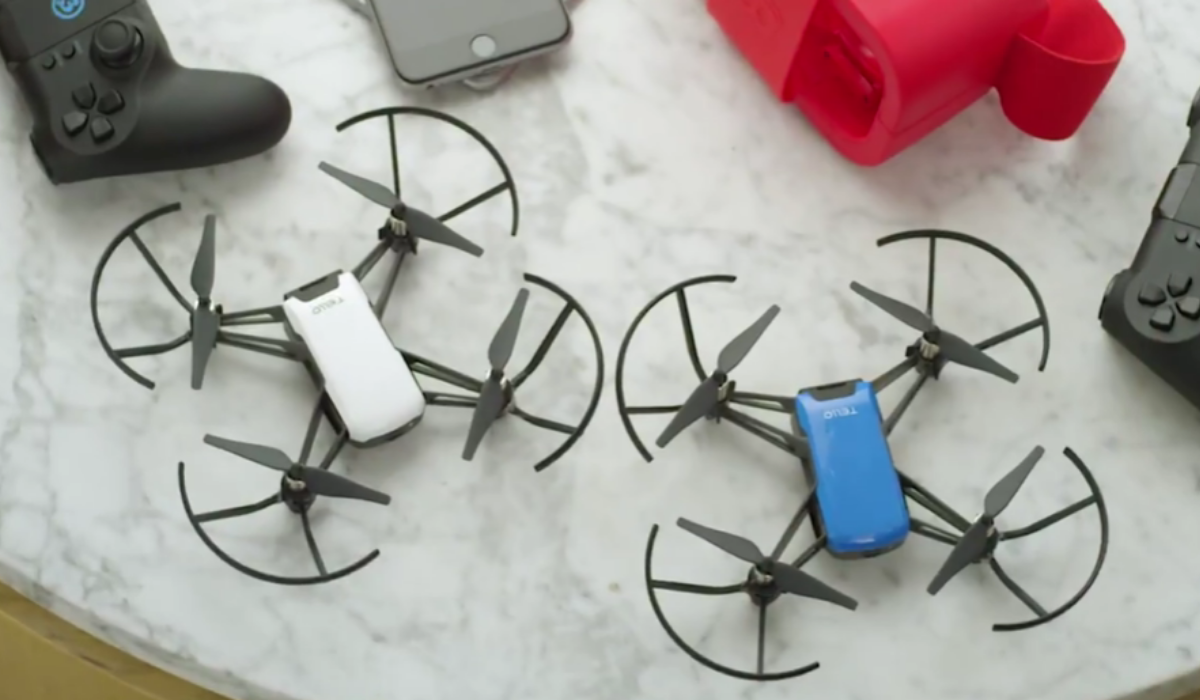 Source: Ryze Robotics
The Ryze Tello is an entry-level drone designed for beginners and educational purposes. It’s known for its affordability, ease of use, and educational applications. This allows users to learn about drones and basic coding. The Tello boasts a decent flight time with a 720p HD transmission quality. You can capture video and photos with various flight modes that make flying fun and accessible.
| Pros | Cons |
| The Tello’s compact design makes it easy to carry and handle. | Its performance and range are modest compared to more advanced drones. |
| Easy to control and comes with safety features that make it ideal for beginners. | The 720p camera may not meet the needs of those looking for higher-resolution footage. |
| One of the most budget-friendly drones on the market, making it accessible to a wide audience. |
 Source: DJI Neo
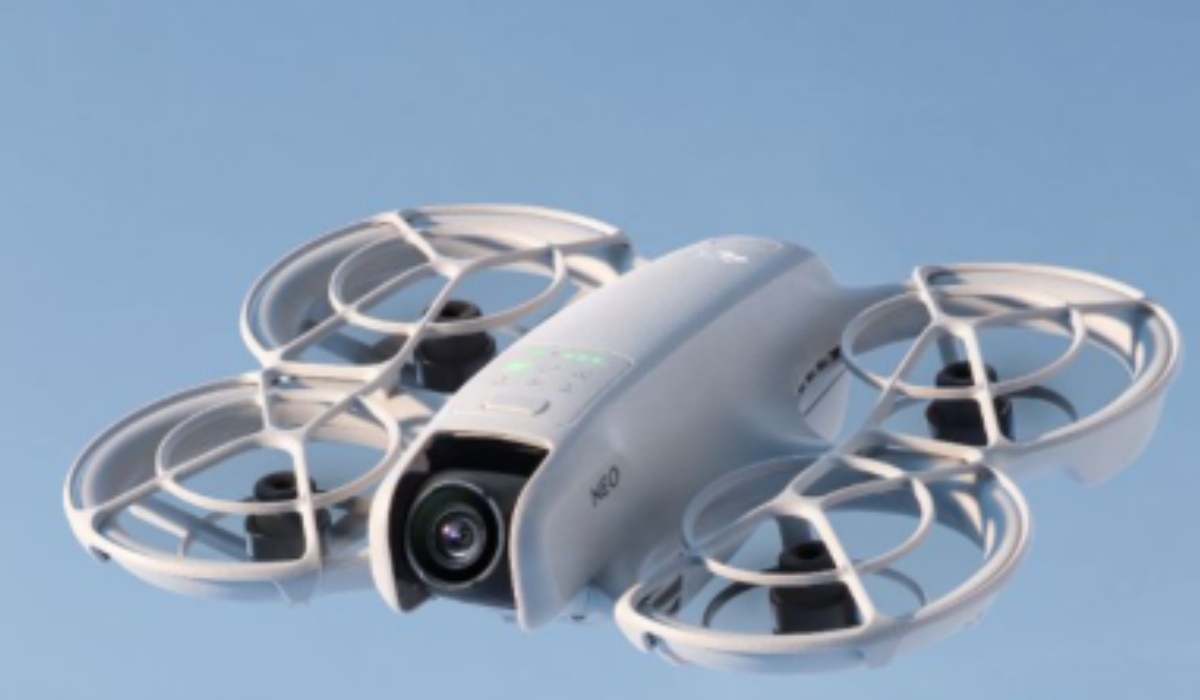
The DJI Neo is a compact, beginner-friendly drone designed for selfies and vlogging. It features pre-programmed flight modes, hand-launch capability, and automated flight patterns. You can launch it from your hand, and it flies in smooth, automated patterns before returning to your palm.
It weighs only 135g; it’s FAA registration-free and includes propeller guards for safety. The 4K camera with stabilization captures sharp, colorful footage, stored on 22GB of built-in memory.
You can control it via a smartphone app or upgrade to the optional remote for better range and precision.
| Pros | Cons |
| Small, light build | Moderate wind resistance |
| Smooth, stabilized aerial footage | Very limited operating range without the remote |
| Automated flight modes are easy to use | Absence of Remote ID poses an issue for licensed pilots |
| 22GB internal storage holds 40 minutes of 4K | Cumbersome manual flight controls in the phone app |
| Takes off from and lands in your palm | Unappealing processed video profile |
Source: DJI
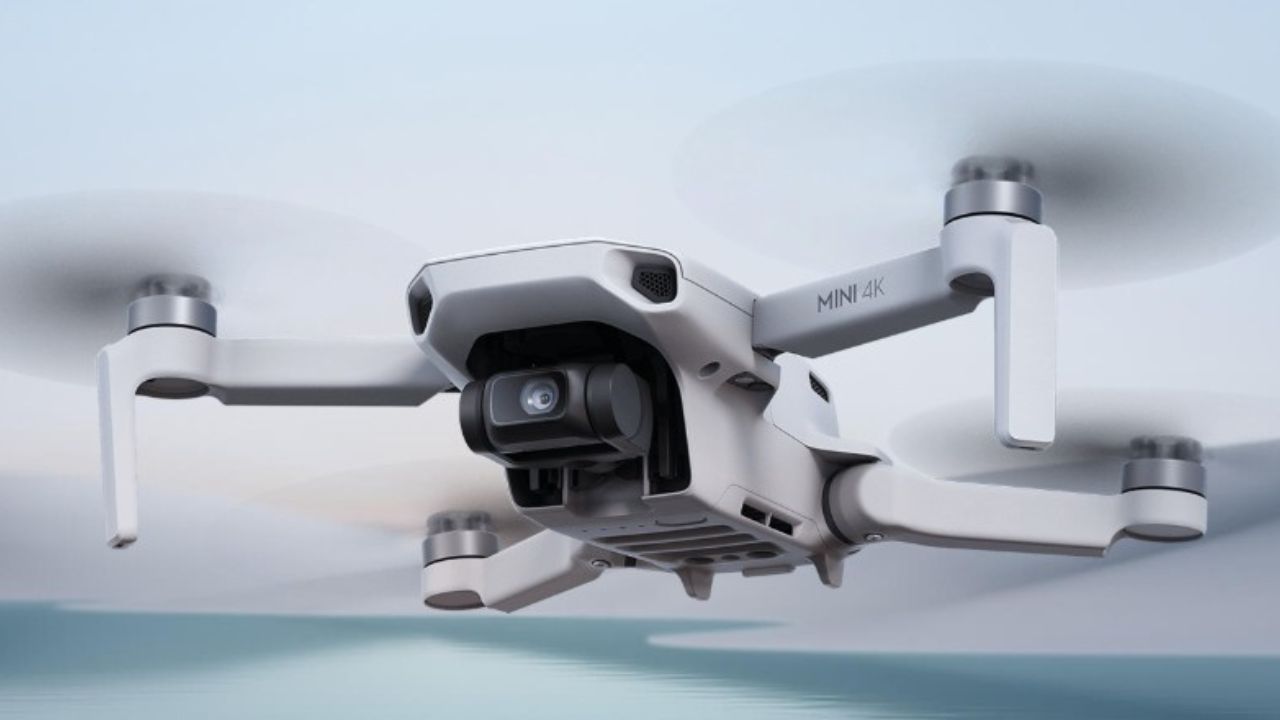
The DJI Mini 4K is the most recommended beginner drone in 2026 at this price point. It shoots true 4K video, weighs under 249g, and requires no FAA registration for recreational use. It shares the same reliable DJI flight system as the Mini 3 and Mini 2 SE but at a lower price. For first-time buyers who want a dependable DJI drone without stretching to $469, this is the pick.
| Pros | Cons |
| True 4K video at the lowest price DJI currently offers | No mechanical gimbal. Relies on electronic image stabilization. |
| Under 249g with no FAA registration required for recreational use | No obstacle avoidance sensors |
| Reliable DJI flight system with GPS and Return-to-Home | No follow-me or advanced intelligent flight modes |
| 34-minute flight time, competitive at this price range | 12MP photos are solid but not class-leading |
| 10 km video transmission range |
Source: Potensic
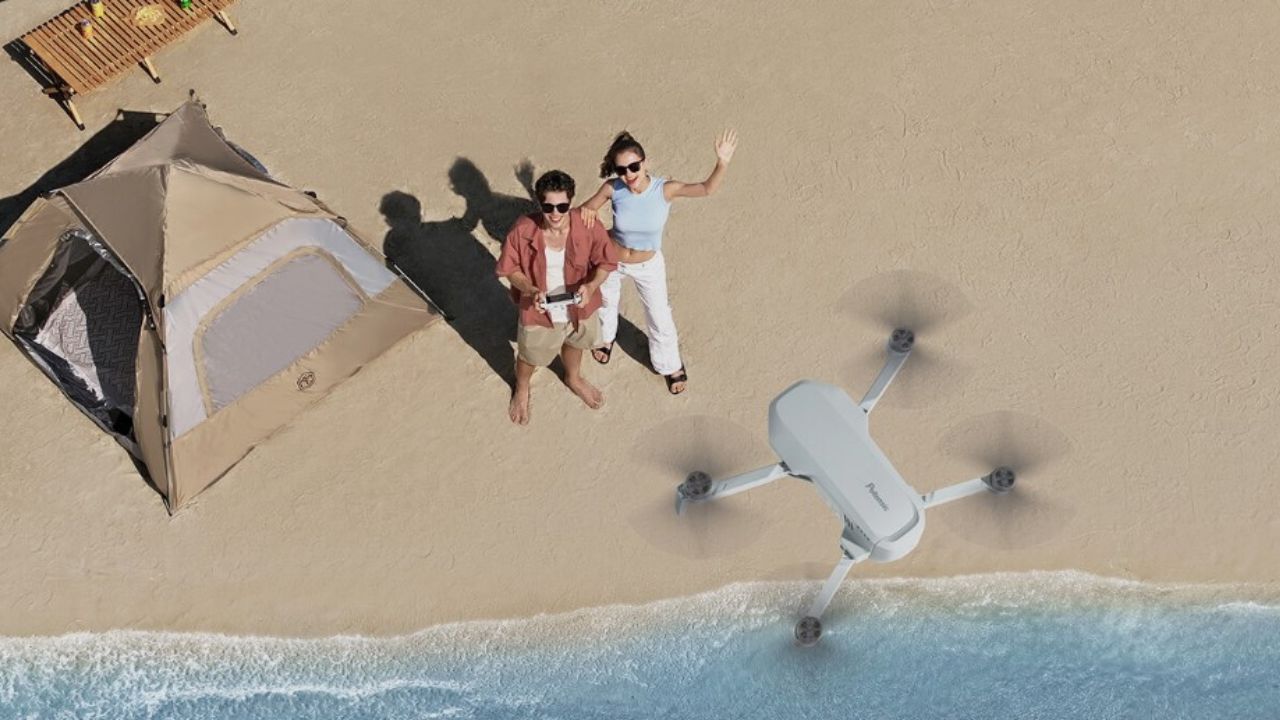
The Potensic ATOM 3-Axis Gimbal is the strongest non-DJI option under $300 in 2026. Unlike most budget drones that rely on electronic image stabilization, it has a true 3-axis mechanical gimbal, the same stabilization technology used in drones costing three times as much. The Sony sensor delivers genuinely sharp footage. At $249.99 with a three-battery combo included, it undercuts the DJI Mini 2 SE on price while matching it on GPS features and flight time.
| Pros | Cons |
| True 3-axis mechanical gimbal. Rare at this price point. | Potensic app is less polished than DJI Fly |
| Sony sensor delivers sharper, more accurate color than most budget drones | Shorter control range (4 km) compared to DJI models at similar price |
| Three batteries included. Up to 90 minutes of total flight time per session. | Smaller support community and fewer accessories than the DJI ecosystem |
| Under 249g with no FAA registration required for recreational use | |
| GPS, Return-to-Home, and intelligent flight modes included | |
| Significantly cheaper than the DJI Mini 3 for comparable performance |
 Source: Potensic
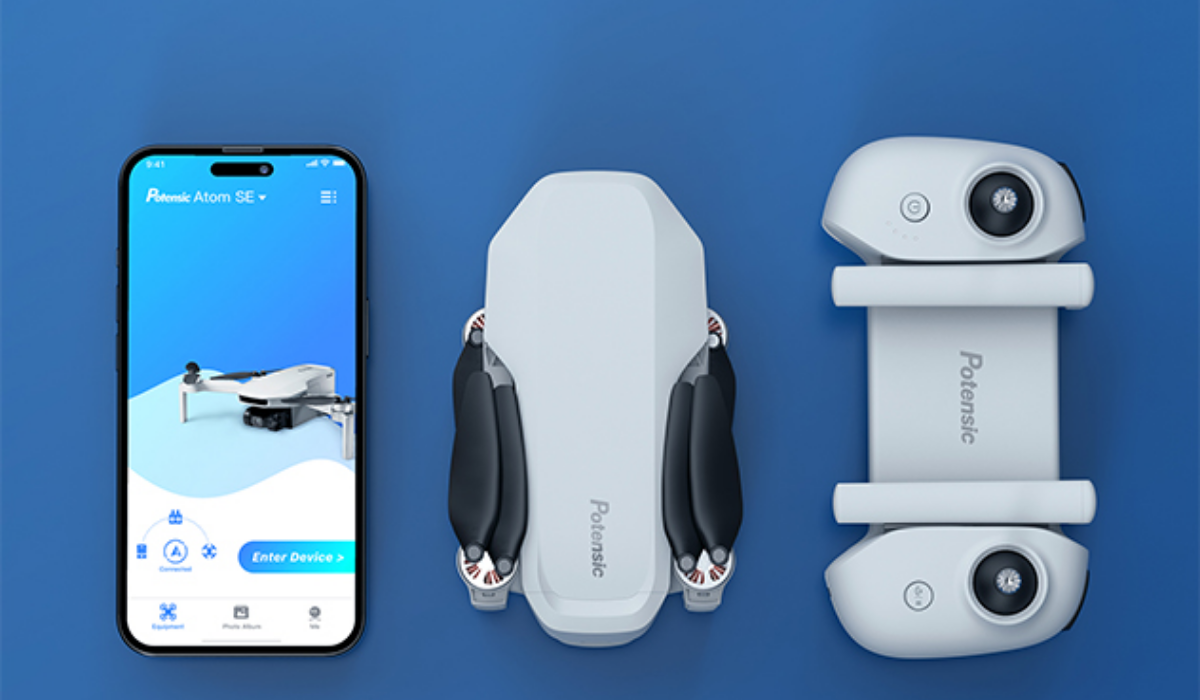
The Potensic ATOM SE is a compact, lightweight drone optimized for portability and ease of use. It is suitable for beginners and hobbyists. It features 4k video capture capability with 3 different flight modes for enhanced stability.
| Pros | Cons |
| 12MP images and 4K video are good for aerial photography at this price. | The 4KM transmission range limits your flying experience. |
| It offers three flight modes for different experiences: Video, Normal, and Sport. | While it has some obstacle detection features, it lacks advanced collision avoidance capabilities. |
| The Atom SE does not need registration with aviation authorities due to its weight. |
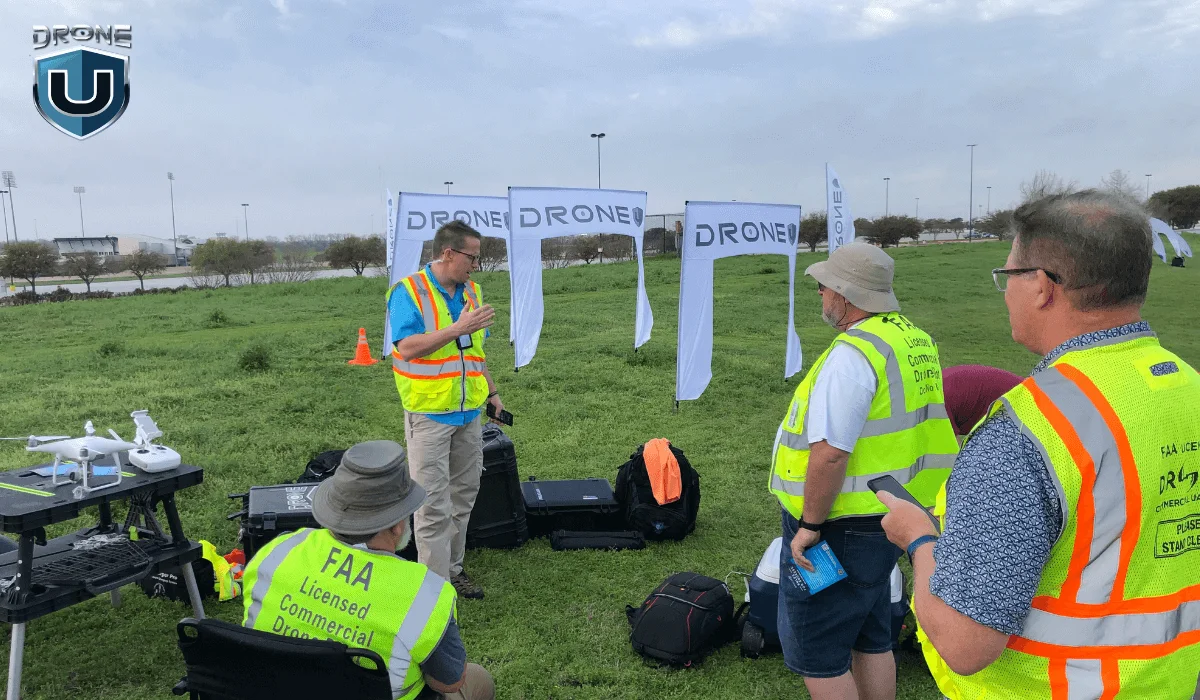
Flying a drone for the first time can be both exciting and a bit intimidating.
Here are some tips to help you start well:
Look for a drone with features that make flying easier, like automatic hovering, one-touch takeoff and landing buttons, and limited speed options. These features are common in beginner drones, which are typically more affordable and can handle those bumps and wobbles that come with learning to fly.
Choose a wide-open space for your first flights. This gives you plenty of room to maneuver and experiment with the controls without worrying about hitting people, animals, or obstacles.
Before you launch your drone for the first time, take some time to get comfortable with the controller. Learn how to make it go up and down (ascend and descend), move forward and backward, and spin (rotate). Knowing these controls thoroughly will make flying much smoother.
Avoid flying in bad weather conditions. High winds, rain, and snow can affect the drone’s performance and might lead to loss of control or damage. Ideal conditions are clear skies with little to no wind.
Be mindful of privacy concerns and local laws regarding drone flying. Avoid flying over private property or taking photos or videos of people without their consent. Always check and abide by local regulations concerning drone flight.
Maintain a visual line of sight with your drone at all times. This not only complies with many countries’ regulations but also reduces the risk of losing your drone. You should also be careful when encountering unexpected obstacles.
If your drone comes with propeller guards, use them, especially during your learning phase. They can protect your drone’s propellers from damage during minor crashes and bumps.
Many drone manufacturers offer flight simulator software. This allows you to practice flying in a virtual environment on your computer or smartphone. This is a great way to hone your skills without the risk of crashing your real drone.
Remember, patience and practice are key to becoming a skilled drone pilot. Take your time to learn and enjoy the process of discovering what your drone can do.
New to flying? Enroll in our Drone Basics course to learn the controls, pre-flight checks, and safe flying in 7 short lessons.
Looking to get started with drones? The best budget drones for beginners offer impressive features at affordable prices, making it easier to find an option that fits your needs.
On a tight budget? Explore the best drones under $200 with a camera. For something lighter and more compact, compare the best mini drones. If racing-style flying interests you, read our guide to the best FPV drones for beginners.
The world of drones continues to evolve, offering exciting possibilities for beginners and experienced pilots alike. With more options for capturing aerial photos and videos, there’s plenty to explore.
With the knowledge you’ve gained here, you can choose the right drone for your needs and budget and start flying with confidence.
 4
4
Add Your Comment