
What Is an FPV Drone? Best FPV Drones for Beginners [2026]

June 2, 2026
![What Is an FPV Drone? Best FPV Drones for Beginners [2026]](https://www.thedroneu.com/wp-content/uploads/2024/02/BESTFPVDRONES-1024x768.jpg)
Quick Answer: Best FPV Drones for Beginners in 2026An FPV (First Person View) drone streams live video directly to goggles or a screen, giving you a real-time pilot’s-eye view during flight. FPV drones are harder to fly than standard GPS drones but offer a far more immersive experience for racing, freestyle flying, and cinematic footage. Best overall for beginners: DJI Avata 2 (~$999): ducted propellers, 4K/60fps, 23-minute flight time, works out of the box Best budget option: BetaFPV Cetus X Kit (~$199): complete kit with goggles and controller, good for indoor learning Best for cinematic FPV: DJI FPV Combo (~$999): 4K/60fps, GPS, 10km range, three flight modes Best racing starter: EMAX Tinyhawk III (~$149): compact, crash-resistant, ideal for indoor practice Important: FPV drones over 250g require FAA registration. If you are flying commercially, a Part 107 certificate is required. |
An FPV drone streams live video directly to your goggles or screen while you fly. Instead of watching your drone from the ground, you see exactly what the drone’s camera sees in real time. This first-person perspective is what separates FPV flying from standard drone piloting.
FPV drones are harder to fly than GPS camera drones. The learning curve is steeper, crashes are more common early on, and the experience rewards pilots who invest time in practice. For beginners who are ready to commit, the DJI Avata 2 is the most accessible entry point in 2026.
This guide covers how FPV drones work, who they are for, and the best FPV drones available in 2026.
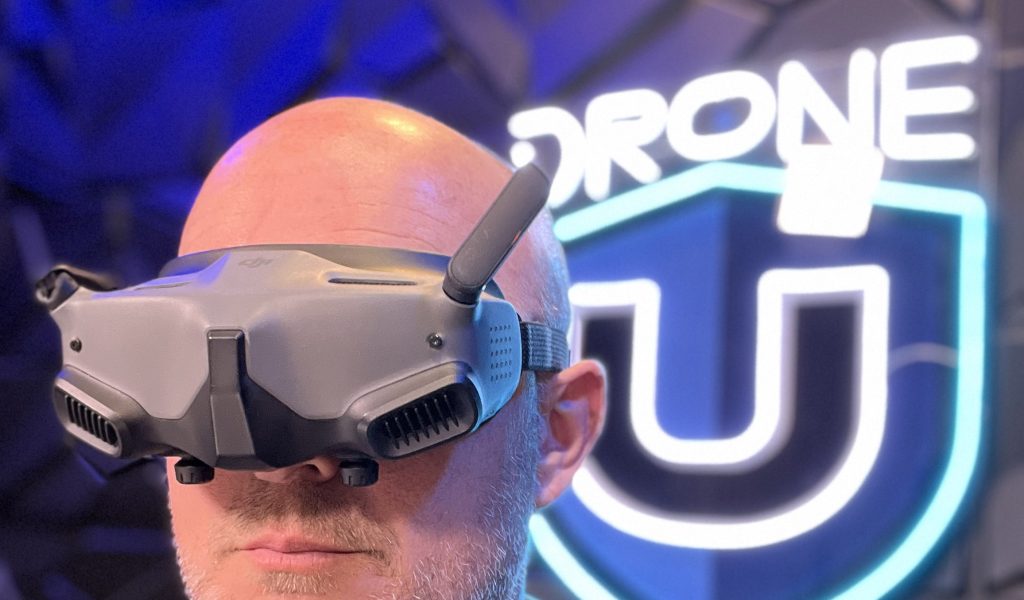
An FPV drone, or First Person View drone, is an unmanned aerial vehicle with a built-in camera. The camera transmits live video directly to the pilot through a headset, FPV goggles, or a screen. Instead of watching from the ground, you see the flight path in real time. It’s almost like sitting inside the drone’s cockpit and exploring the world as the drone sees it.
FPV technology has changed how pilots interact with their drones.
Earlier, pilots relied only on direct visual observation, which limited their range and made obstacle avoidance harder. With FPV, pilots can explore greater distances and navigate through narrow spaces. The live video feed streams straight to their goggles, letting them capture breathtaking aerial footage from unique angles.
This immersive experience attracts both hobbyists and professionals. Filmmakers use it for dynamic shots. Rescue teams rely on it to locate people. Farmers apply it to monitor crops. The real-time view gives every pilot an advantage. For beginners, FPV drones create an immersive way to fly and a hands-on path to building skills.
| Feature | Traditional Drones | FPV Drones | What It Means for You |
| Flight Experience | Standard camera view from a distance, similar to surveillance. | Immersive, in-the-pilot-seat experience through FPV goggles or live screen feed. | Engagement: Feel like you’re truly flying, not just piloting. Great for hobbyists who want more excitement. |
| Control & Maneuverability | Basic controls with limited precision. Ideal for wide, open areas. | Advanced maneuverability with precise controls for racing, stunts, or tight spaces. | Performance: Perfect for aerial videographers, racers, and those who need agility in complex environments. |
| Real-Time Monitoring | Delay in feedback, making it harder to react in time. | Instant, real-time video feed, allowing quick decisions mid-flight. | Reaction Time: Critical for capturing perfect shots, avoiding obstacles, and professional-grade flying. |
| Applications | Primarily for photography and simple aerial footage. | Versatile: Ideal for racing, filmmaking, inspections, and rescue missions. | Flexibility: Great for both recreational fun and high-stakes professional tasks like search-and-rescue. |
| Ease of Use | Beginner-friendly, with easy-to-use controls and stability. | Steeper learning curve, but with more rewarding outcomes for mastery. | Skill Growth: Start with traditional drones and transition to FPV for advanced skills. |
| Price Range | Affordable options available for entry-level users. | Generally higher cost, especially for racing or professional-grade models. | Investment: FPV drones are worth the investment if you’re looking for long-term versatility and performance. |
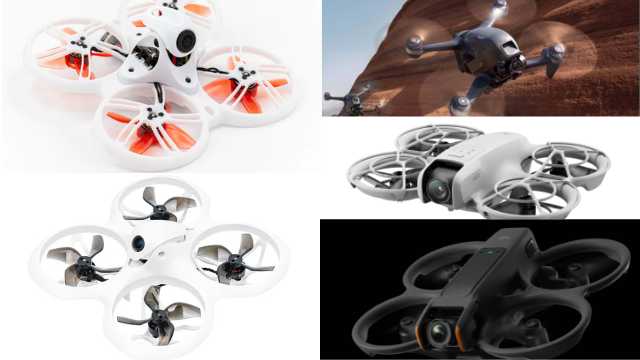
Here are some of the best FPV drones for beginners:
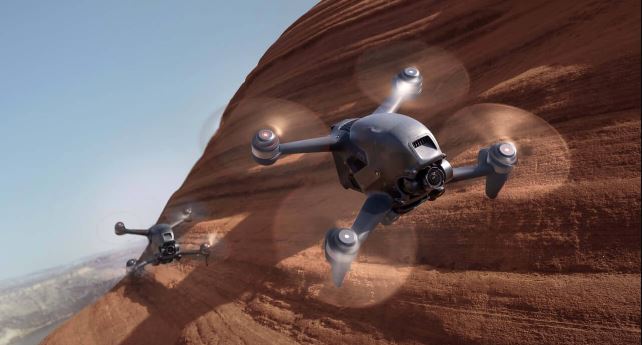 Source: DJI
The DJI FPV Combo is a top-of-the-line FPV drone that offers an immersive first-person flying experience. Its 4K/60fps camera and RockSteady stabilization let you capture smooth, cinematic footage with ease.
The kit includes the DJI FPV Remote Controller 2 and a pair of FPV goggles, allowing you to fly without any additional gear. With GPS positioning, obstacle sensors, and multiple flight modes, it helps beginners build confidence while keeping flights safe.
This drone is a good option for beginners who want a ready-to-fly FPV setup with strong safety features and high-quality video.
|
Pros |
Cons |
|
|
 Source: Emax
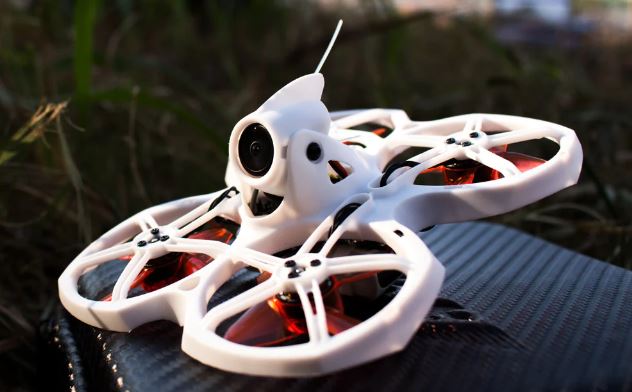
EMAX now offers Tinyhawk III, a direct upgrade of the TinyHawk II. The new version improves on durability, camera quality, and delivers smoother flight performance. It gives beginners a better flying experience while keeping the same small, portable size.
If you own the Tinyhawk II, you can still use it as a capable trainer. But if you plan to buy new, the Tinyhawk III is the better upgrade.
Features and Specifications
Sharper FPV camera with better low-light performance
|
Pros |
Cons |
|
|
 Source: DJI
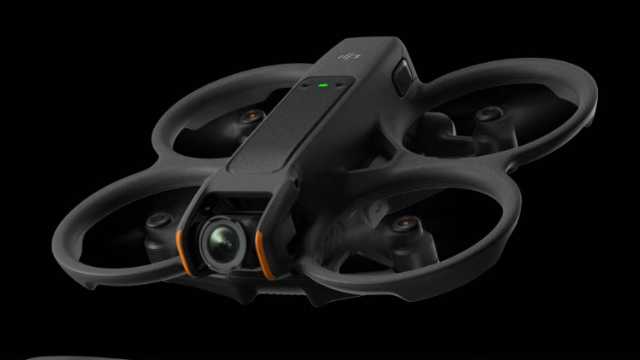
The DJI Avata 2 is a beginner-friendly FPV drone that combines safety with cinematic performance. Its 1/1.3-inch sensor records crisp 4K/60fps video, while RockSteady and HorizonSteady stabilization keep footage smooth and steady.
The kit includes DJI Goggles 3 and the Motion Controller 3, offering an immersive flight experience right out of the box. With its ducted propeller design, the Avata 2 handles bumps and crashes better than most FPV drones, making it ideal for new pilots.
This drone is the best option for beginners looking for a ready-to-fly FPV experience, offering strong safety features, intuitive controls, and professional-quality video.
|
Pros |
Cons |
|
|
Source: DJI
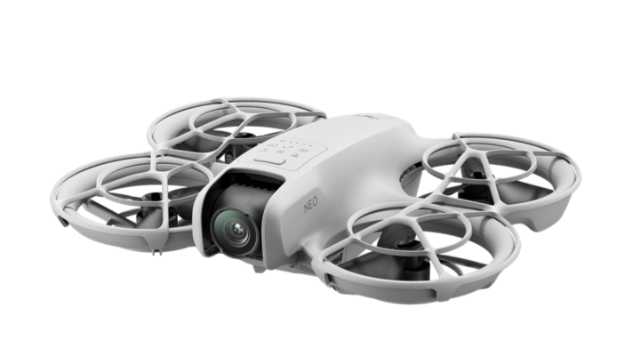
This beginner-friendly drone is an excellent choice for anyone looking to dive into FPV flying. The DJI Neo comes with a ready-to-fly setup, including intuitive controls and a set of FPV goggles.
It features a high-quality 4K camera for stunning video and sharp photos. The drone offers smooth, responsive flight performance. Its durable build makes it ideal for both beginners and experienced pilots.
Note: The DJI Neo is not a traditional FPV drone. It is a beginner-friendly camera drone that supports DJI Goggles 3 for an FPV-style experience. For true FPV flying with manual control, the DJI Avata 2 is the recommended option.
|
Pros |
Cons |
|
|
Source: BetaFPV
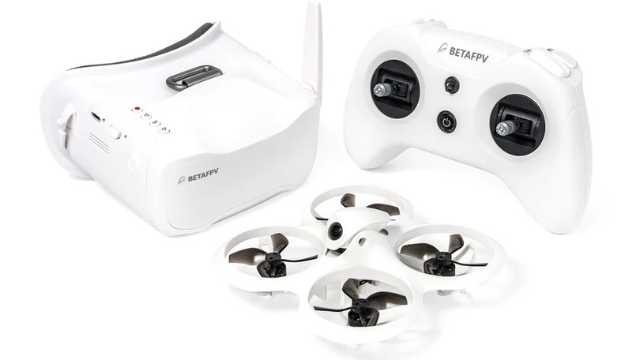
This mini drone is a great option for beginners who want a fun, portable, and affordable FPV setup.
The BetaFPV Cetus X Kit includes a compact controller, FPV goggles, and everything you need for immediate takeoff. It features a 720p HD camera and a gyroscope for stable, smooth flight. It also has responsive controls and a lightweight, durable frame. These features make it ideal for practicing basic maneuvers and learning FPV flying.
Its intelligent flight modes make it easy for beginners to capture professional-looking aerial footage, while the compact design allows for both indoor and outdoor fun. In short, the Cetus X Kit offers a reliable, engaging FPV experience without overwhelming new pilots.
|
Pros |
Cons |
|
|
| Drone Model | Best For | Camera | Flight Time | Key Features | Price Range |
| DJI FPV Combo | High-quality aerial footage | 4K/60fps | 20 min | GPS, obstacle sensing, long range (10 km) | $778.59 |
| EMAX Tinyhawk III | Indoor and outdoor practice | Digital FPV camera | 3-4 min | Compact, durable, beginner flight modes | $269.09 |
| DJI Avata 2 | Professional-grade filming | 4K | 23 min | Obstacle sensing, intelligent flight modes | $769 |
| DJI Neo | Beginner-friendly FPV flying | 4K Ultra HD | 18 min | GPS, obstacle detection, immersive FPV goggles | $199 |
| BetaFPV Cetus X Kit | Affordable training and practice | Camera: 720p FPV camera | 5 min | Altitude hold, headless mode, VR03 FPV goggles | $309.99 |
Note: Prices and specifications are based on the latest available data as of 2026. Actual costs may vary by retailer and region.
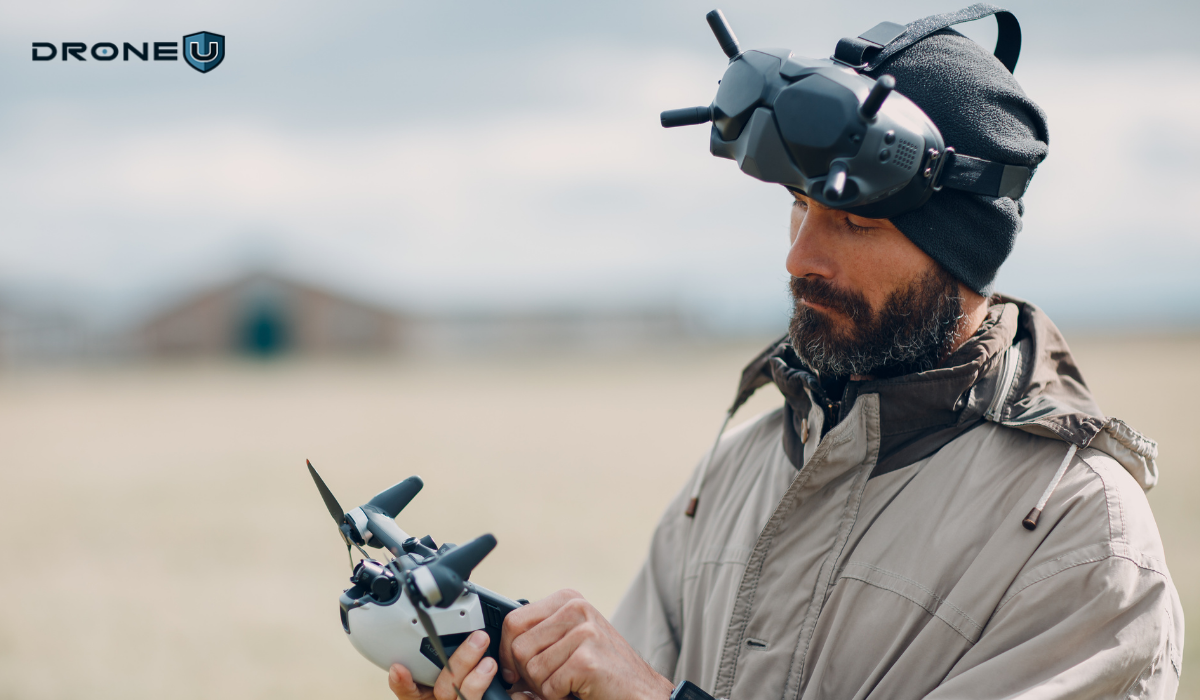
To fully understand FPV drones, it’s important to familiarize yourself with these key terms:
FPV refers to the experience of seeing the world from a drone’s perspective in real time. This is achieved using FPV goggles or a screen, which receives the live video feed from the drone’s camera.
Brushless motors are more efficient, powerful, and durable compared to brushed motors. They provide smoother control and increased power, making them ideal for FPV drones.
The flight controller is the brain of the drone. It manages stability, navigation, and flight modes, ensuring smooth handling and safety during flight. Advanced controllers can also support features like GPS, return-to-home, and custom flight programming.
FPV goggles provide an immersive flying experience, placing you virtually in the drone’s cockpit. Screens, on the other hand, offer a larger, shared view, which is useful for beginners or group flights. Some modern goggles even integrate augmented overlays like speed, battery life, and telemetry data.
Radio transmitters and receivers are used to control the drone’s flight. Transmitters send commands to the receiver, which then instructs the drone on how to maneuver. On the other hand, receivers onboard interpret these signals and control the motors and flight surfaces. Modern systems often include features like multiple channels, customizable controls, and long-range connectivity.
LiPo (Lithium Polymer) batteries are commonly used in FPV drones for their high energy density. Safety precautions such as proper charging, storage, and handling are important to prevent overheating, swelling, or fires. Many pilots also use fireproof charging bags and balance chargers to ensure battery longevity.
FPV drones also have practical limitations worth understanding before buying.
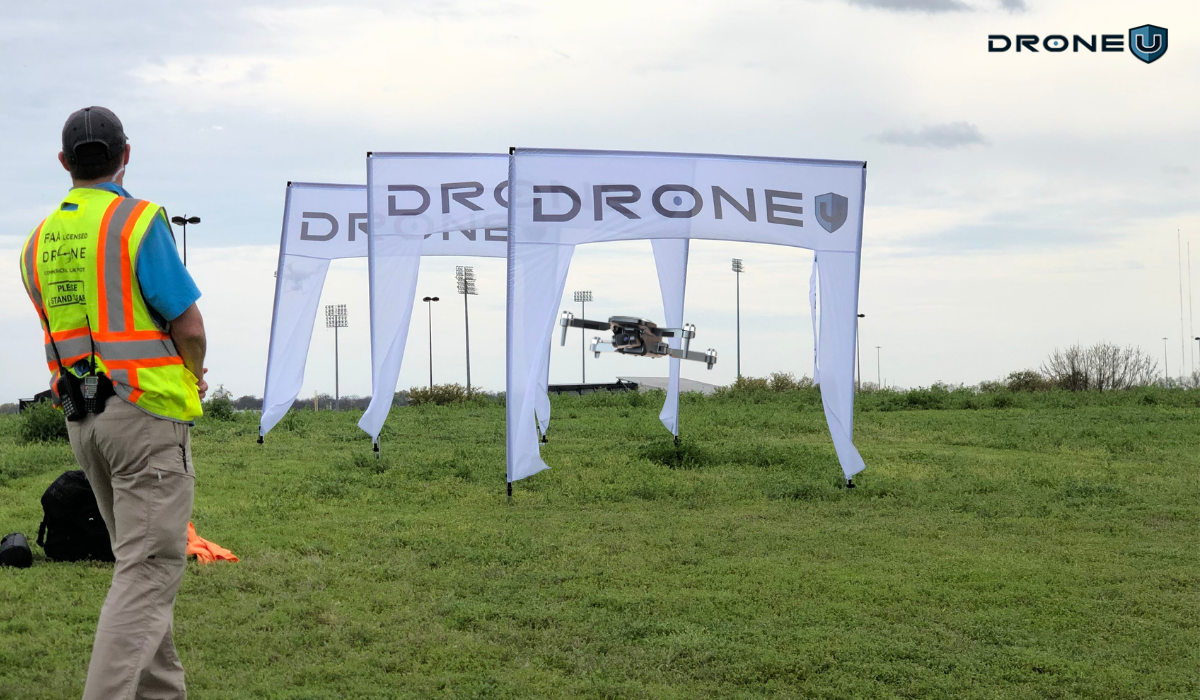
While FPV drones offer incredible benefits, they do have some limitations:
Most FPV drones have a relatively short flight time due to their compact size and high power consumption. This can limit the amount of time you have in the air before needing to recharge or swap out batteries.
FPV drones typically have a limited range compared to traditional camera drones. Signal interference can also affect the video transmission, leading to static or loss of connection. This can restrict the distance you can fly and the quality of the video feed.
FPV drones require some learning and practice to master. The first-person view can be disorienting for beginners, and the controls may take some time to get used to. However, with dedication and practice, beginners can quickly become proficient in flying FPV drones.
FPV drones can be more expensive compared to traditional camera drones due to their advanced features and specialized equipment. Additionally, they require regular maintenance and the occasional replacement of parts, which adds to long-term costs.
RTF (Ready-to-Fly): Includes the drone, controller, and goggles. Pre-configured and ready to fly out of the box. Best for beginners. The DJI Avata 2 and BetaFPV Cetus X are both RTF kits.
BNF (Bind-and-Fly): Drone comes fully assembled but requires your own compatible transmitter. Best for intermediate pilots who already own radio equipment.
DIY (Custom Build): Full customization of frame, motors, flight controller, and video system. Best for experienced pilots who want maximum performance and are comfortable with electronics and soldering.
For first-time FPV buyers, RTF is almost always the right choice.
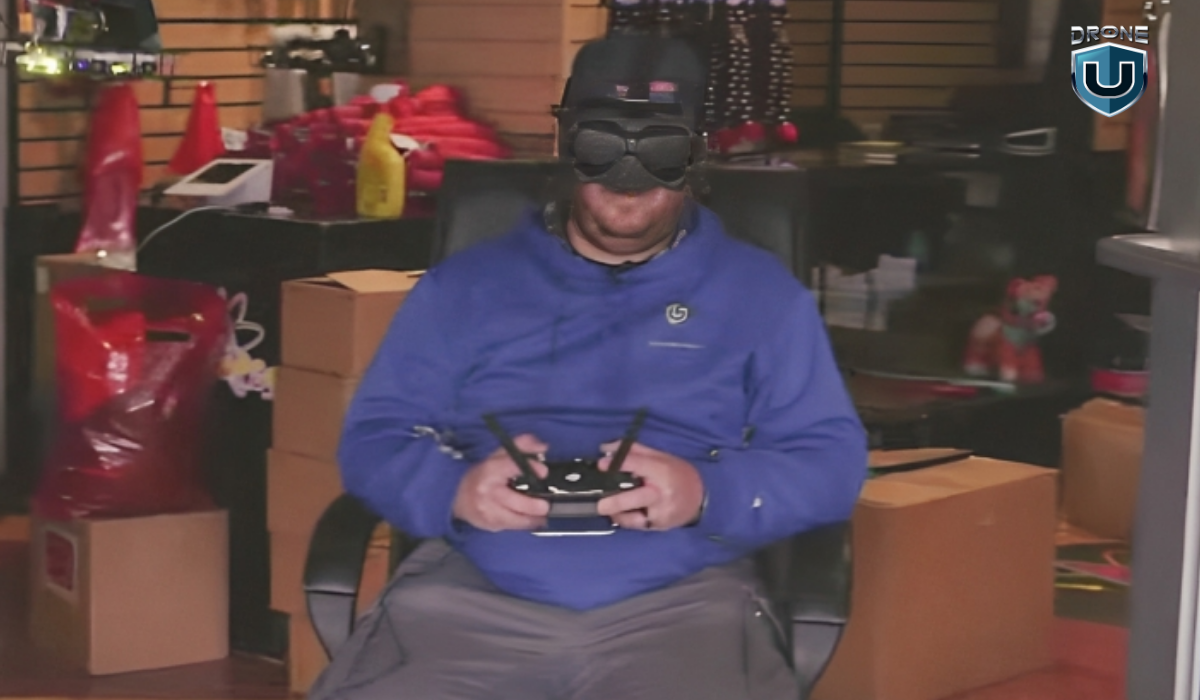
When selecting your first (or next) FPV drone, keep these factors in mind:
Evaluate your flying experience and identify your goals. Are you a complete beginner looking for a training drone? Or do you have some flying experience and want to take your skills to the next level?
Beginners can start with entry-level kits designed for learning. Experienced pilots may prefer drones with advanced flight modes or customizable features for racing and freestyle flying. Understanding your skill level will help you choose a drone that matches your needs.
Set a realistic budget for your drone. Don’t forget to include the additional costs of accessories such as spare batteries, FPV goggles, chargers, and replacement parts. It’s important to factor in these costs to ensure you have a complete and functional setup.
Choose drones from reliable manufacturers with good customer reviews. Check the availability of accessories and customer support to ensure you have a reliable and trusted brand.
Each drone on this list serves a different pilot. The DJI Avata 2 suits beginners who want the best ready-to-fly FPV experience. The BetaFPV Cetus X is the most affordable complete kit. The EMAX Tinyhawk III is best for indoor racing practice.
Whether you’re just starting with a beginner-friendly kit or exploring advanced options, FPV drones make flying exciting and accessible. The right drone can open up a whole new perspective on the skies.
As you begin your FPV journey, make safety and drone regulations a priority. Carry extra batteries, practice in open areas, and embrace the learning process. With patience and practice, you’ll soon be capturing smooth, immersive footage and enjoying the true thrill of FPV flying.
Ready to level up your flying?
Join Drone U for expert training, proven strategies, and a supportive pilot community.
 2
2
Add Your Comment