

Best Drones Under $200 With Camera (2026 Buyer’s Guide)

June 9, 2026

Quick Answer: Best Drones Under $200 in 2026The DJI Neo at $199 is the best drone under $200 in 2026. It shoots 4K/30fps, weighs 135g, requires no FAA registration, and launches from your palm with no controller needed. It is the most beginner-friendly entry into the DJI ecosystem at this price. Best overall: DJI Neo ($199): 4K, AI tracking, palm launch, 135g, no FAA registration Best GPS drone: Potensic Atom LT ($179): 2.5K, GPS, 40-minute flight time, under 249g Best for beginners on a budget: Holy Stone HS440 ($99.99): 1080p, 20 minutes, ultra-portable Best for GPS on a budget: Holy Stone HS510 ($149 to $200): GPS, Return-to-Home, 26 minutes Best for fun and stunts: Snaptain S5C ($89.99): voice control, 360° flips, beginner-friendly 250g rule: All drones on this list except the Snaptain S5C weigh under 249g. Drones under 249g do not require FAA registration for recreational use. |
Drones under $200 in 2026 offer HD cameras, GPS positioning, and 20 to 40 minutes of flight time. These are features that cost far more just a few years ago. The best pick in this category is the DJI Neo at $199, which shoots 4K, weighs 135 grams, and requires no FAA registration for recreational use.
For pilots who want GPS and longer flight time at a lower price, the Potensic Atom LT at $179 is the strongest alternative.
Drones under $200 have real limitations. They will not match the camera quality or range of premium models. What they do offer is enough to learn to fly, capture casual footage, and enjoy the hobby without a major financial commitment.
Here is what to keep in mind before buying:
Under $200, you might not get professional-grade photos and videos. What you do get is usable HD video and photos for casual flying.
Most drones under $200 offer 720p or 1080p cameras. A few push for higher resolution, but stability matters more than numbers. Electronic image stabilization (EIS) helps, while mechanical gimbals are rare in this price range.
If smooth video matters to you, prioritize stability and flight control over megapixels.
Budget drones typically have shorter flight times, often ranging from 10 to 25 minutes per battery. Shorter flight times are typical at this price point. Carrying a spare battery extends your session significantly.
Consider drones with multiple batteries to extend your flying time between charges. Always check total flight time, not just per-battery claims.
Similar to flight time, the control range of sub-$200 drones is usually shorter compared to premium drones. Most stay between 80 and 300 meters.
This keeps you close to the drone and reduces signal drop issues. Always fly within your control range to avoid losing connection.
Crashes are a natural part of the learning process, especially for beginners. Look for drones with a lightweight yet sturdy build. Propeller guards are a big plus, as they can absorb impact and prevent damage to the propellers and the drone itself.
This is where budget drones shine. Many include features that make flying easier from day one.
Common features include altitude hold, headless mode, and one-key takeoff and landing. These reduce control stress and help you focus on flying instead of correcting drift.
Look for drones with user-friendly apps and clear instructions.

The Potensic ATOM LT focuses on flight time and portability. It’s lightweight, easy to pack, and stable in open spaces thanks to GPS support. The camera delivers sharp footage for its class, making it a good option for casual photography and travel. This drone works best outdoors where GPS can lock in properly.
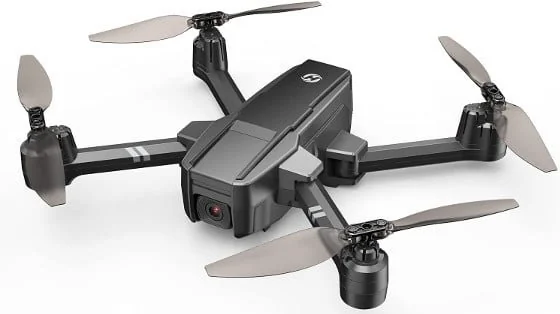
The Holy Stone HS440 is a fantastic option for absolute beginners. Its compact size and propeller guards make it less intimidating to fly indoors. While the camera is basic, it offers a fun way to capture snapshots from a new perspective. The HS440 has a flight time of up to 20 minutes and includes features like headless mode and one-key takeoff and landing.
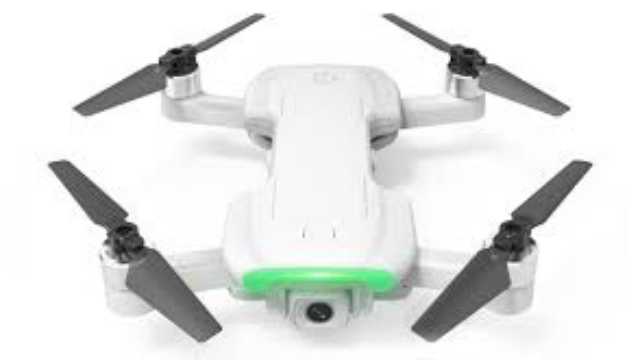
The Holy Stone HS510 is a solid next step if you’ve outgrown basic beginner drones. It adds GPS stability and smarter flight features while staying easy to control. The drone handles outdoor flying better than entry-level models and feels more confident in light wind. The camera isn’t professional, but it’s good enough for cleaner aerial shots and smoother video than simpler drones.
Note: The Holy Stone HS510 is no longer sold on the official Holy Stone store. It remains available through Walmart and other retailers while stock lasts.
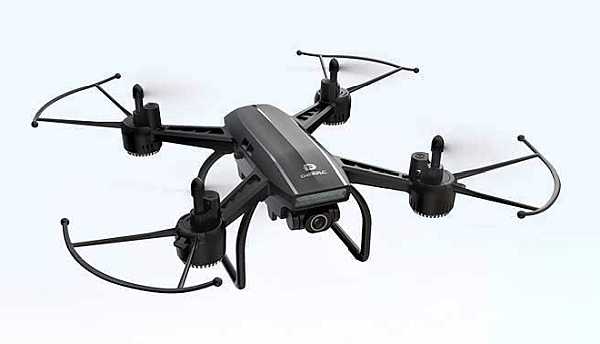
The Deerc D50 has a 2K camera and up to 24 minutes of flight time at one of the lowest prices on this list. The D50 is a great choice for those who want to experiment with drone flying without a significant investment.
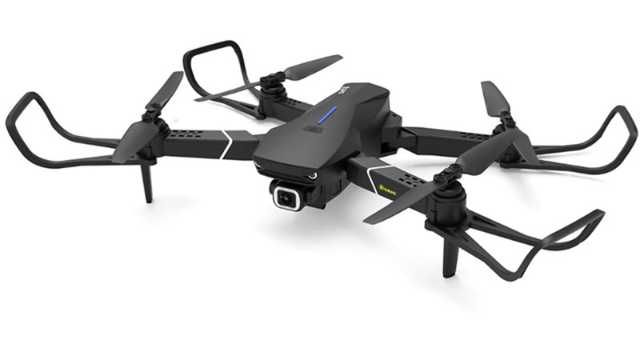
The Eachine E520S offers GPS features in a foldable design, making it appealing for casual outdoor flying. It includes smart safety functions like Return to Home, which helps reduce the risk of flyaways. The camera is basic but usable for learning aerial shots.
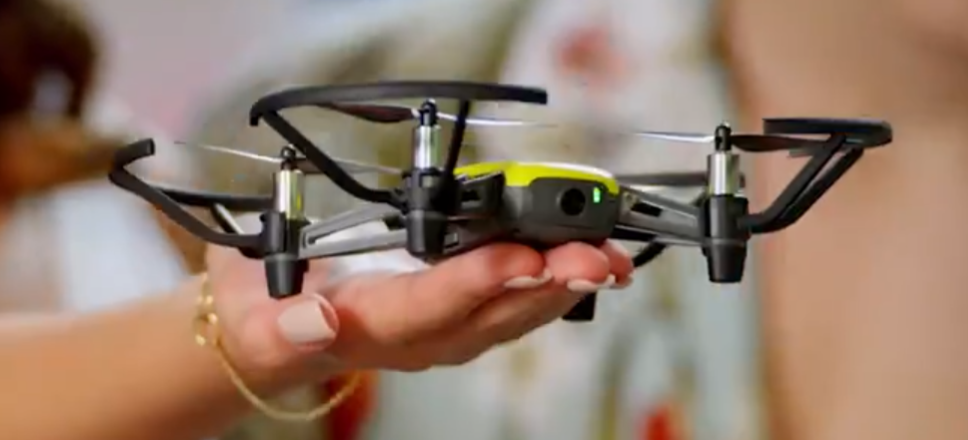
If you’re new to drones or just want something fun and easy to fly, the Ryze Tello is a great choice. This compact and lightweight drone is powered by DJI technology.
It’s extremely easy to fly and works well indoors where larger drones struggle. While the camera is basic, the flight stability is impressive for its size. You can even learn coding with it, which makes it a hit among kids and hobbyists.
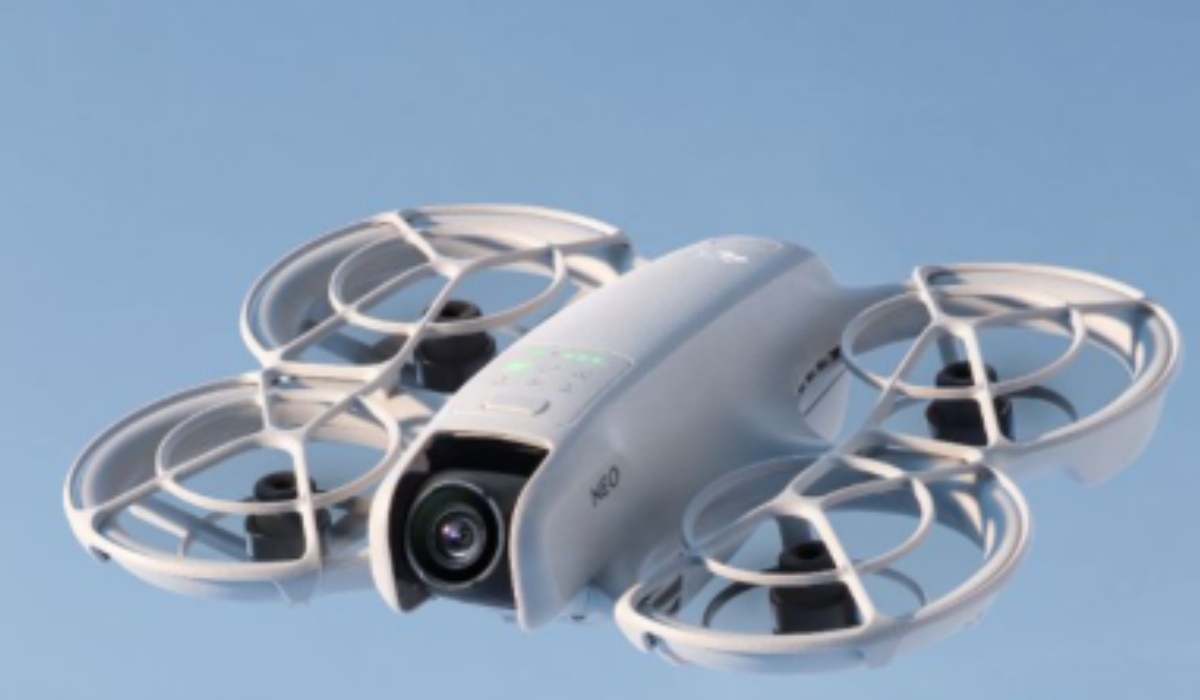
Source: DJI Store
The DJI Neo weighs 135 grams, light enough that it does not require FAA registration or Remote ID in the US when flown recreationally. At just 135g with full-coverage propeller guards, Neo gracefully takes off from your palm and captures footage automatically.
It is the most beginner-friendly drone DJI makes and the most affordable entry point into the DJI ecosystem. A newer model, the DJI Neo 2, is now available at $409 with omnidirectional obstacle sensing and a larger sensor.
If your budget allows, the Neo 2 is worth considering. If you want the lowest-cost entry point into the DJI ecosystem, the original Neo at $199 remains the best value.
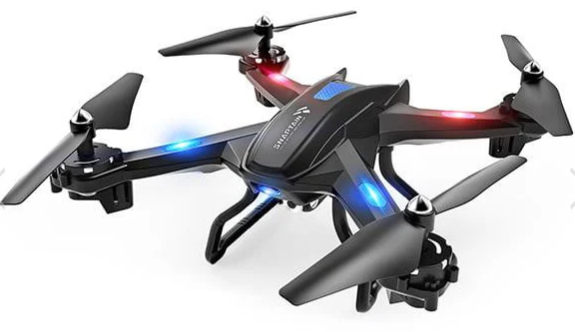
The Snaptain S5C is all about fun. Whether you’re a beginner or just want to entertain friends, this drone delivers excitement with its easy-to-use controls and stunt capabilities. For casual fun and beginner stunt flying, the S5C is the most entertaining option in this price range.
Important: The Snaptain S5C weighs 703g, which is above the 250g FAA registration threshold. FAA registration ($5) is required before flying this drone outdoors in the United States.
|
Drone Model |
Camera | Flight Time | Weight | GPS | Special Features | Best For |
Price Range |
| Potensic Atom LT | 2.5K | 40 minutes | <249g | Yes | GPS Return-to-Home, Sub-250g classification, Auto-hover & altitude lock | Outdoor flying & long sessions | $179 |
| Holy Stone HS440 | 1080p HD | 20 minutes | 166 g | No | Gyroscopic Stabilization, Auto-Landing, Emergency Stop, Tap Flight, Headless mode, and Gesture & Voice Control | First-time beginners | $99.99 |
| Holy Stone HS510 | 1080p (EIS) | 26 minutes | <250g | Yes | GPS-assisted Follow Me, Custom flight paths, Altitude hold | Upgrading from entry-level | $179.99 |
| Deerc D50 | 1080p/2K | 24-30 minutes | 178.6g | No | Optical flow positioning for stable hover, Adjustable camera tilt | Best value for the price | $39.95 |
| Eachine E520S | 1080p HD | 16-18 minutes | 248g | Yes | Foldable arms, GPS-assisted stability, Gravity sensor control | Budget GPS experience | $99.99 |
| DJI Neo | 4K/30fps | 18 minutes | 135g | No | Palm launch, AI tracking, voice control, FPV-compatible | Best overall under $200 | $199 |
| Snaptain S5C | 1080p HD | ~10–15 min | 703g | No | One-key 360° flips, gesture and voice commands, gravity-based phone control, tap-to-fly flight paths | Casual fun & kids | $89.99 |
| Ryze Tello (DJI) | 720p HD | 13 minutes | 80 g | No | Programmable via Scratch, Vision-positioning hover, Failsafe Protection, Bounce Mode, EZ Shots, 8D Flips | Indoor learning & DJI reliability | $199 |
Use this checklist to find the right drone for your situation.
GPS improves stability and helps the drone hold its position. It also unlocks features like flight paths and subject tracking. If outdoor flying matters, start with the GPS models in the list.
Non-GPS drones are lighter and easier to fly indoors. They cost less and are better for casual use or learning the basics without worrying about settings.
If you want smoother footage, look for drones with electronic stabilization or strong hover control. If you’re flying just for fun, a basic 1080p camera is enough.
Compact or foldable drones are easier to carry and store. Larger frames handle light wind better but need more space to fly.
Two batteries will give you more flying time than slightly better camera numbers. Longer sessions matter more than advertised flight time.
A stable app and easy access to replacement batteries make a big difference after the first few weeks.
Once you match these points to your use case, the right drone usually stands out on its own.
We’ve covered some of the best drones you can buy under $200, each suited to a different type of flyer.
For the best camera quality under $200, the DJI Neo at $199 is the top pick. It shoots native 4K, weighs 135g, requires no FAA registration, and tracks subjects automatically using AI.
If you’re just getting started, drones like the Holy Stone HS440 keep things simple. Easy controls and stable flight help you build confidence without feeling overwhelmed.
If fun matters more than specs, the Snaptain S5C delivers quick enjoyment. Flip modes, simple controls, and a lightweight design make it easy to enjoy short, casual flights.
For outdoor flying and longer sessions, GPS-equipped drones like the Potensic Atom LT and Holy Stone HS510 offer better stability and smarter flight features. They’re a strong choice if you want more control and smoother footage without moving into higher price ranges.
Budget drones may have limits, but they’re far from toys. With realistic expectations and a bit of practice, they offer plenty of room to learn, explore, and enjoy flying.
Choose the drone that fits how and where you plan to fly, and you’ll get a lot of value without overspending.
 4
4
Add Your Comment