
Thermal Drones for Hunting: Laws, Uses, and Best Practices

December 18, 2025
Thermal drones for hunting are no longer a niche tool. More hunters are using thermal drones to recover wounded game, manage land, and reduce lost animals.
By combining aerial flight with thermal imaging, these drones let you detect heat that your eyes can’t see. You can spot animals in thick brush, steep terrain, low light, and even complete darkness. What was once exclusive to military and search-and-rescue teams is now part of civilian hunting and wildlife recovery.
With broader adoption comes new questions.
When is a thermal drone legal to use? Does it cross ethical lines? And where does it actually help?
This article explains how thermal drones for hunting work, how hunters use them in the field, and where the limits are. You’ll also learn about legal rules, ethical concerns, best practices, and what to expect as this technology continues to evolve.
Let’s start with the basics of how thermal drones for hunting work.
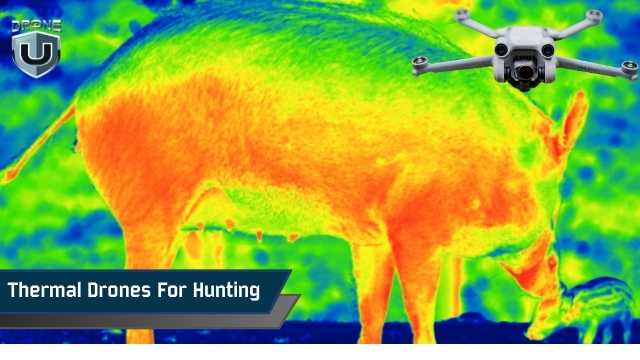
A thermal drone for hunting combines an unmanned aircraft with a thermal imaging sensor. Instead of relying on visible light, it detects heat. Animals appear as bright heat signatures against cooler ground, brush, or vegetation. That’s why thermal drones work in low light, thick cover, and complete darkness.
Thermal imaging doesn’t show visual detail like a regular camera; it only displays temperature differences. It cannot see through solid objects, but light brush and tall grass often do not entirely block heat. This makes thermal drones useful in fields, wooded edges, and recovery situations where visual tracking fails.
Thermal drones also differ from night vision. Night vision amplifies available light. Thermal sensors need none. They perform equally well at noon or midnight, as long as there is enough temperature contrast.
Flight conditions matter. Lower altitudes provide clearer heat signatures. Slower flight speeds improve detection. Early morning and evening usually offer the best results because the ground holds less heat than animals.
Let’s understand the primary benefits of using thermal drones for hunting.
A thermal drone for hunting gives you information you cannot get from the ground. It does not replace tracking skills or woodsmanship. It fills the gaps when visibility drops, terrain gets difficult, or recovery becomes uncertain. When used correctly, thermal drones support ethical hunting, reduce lost game, and help you make better decisions in the field.
Here are the primary benefits of using thermal drones for hunting:
Game recovery is the most common and widely accepted use of thermal drones. After a shot, animals often run into thick brush, tall grass, or uneven terrain. Blood trails fade fast, especially in dry or rocky conditions. A thermal drone lets you scan from above and locate body heat instead of relying on guesswork. This shortens recovery time and helps prevent wounded animals from being lost.
Thermal drones also help you understand how animals use the land. From the air, you can spot movement corridors, bedding areas, and edge habitat that are hard to see on foot. This is most useful before the season or outside legal hunting hours, where allowed. You gain insight without walking through cover and pushing animals out of the area.
Many animals rely on natural camouflage to avoid detection. Thermal imaging removes that advantage by highlighting heat instead of shape or color. This works best at dawn and dusk, when animals move more, and the ground holds less heat. In thick vegetation, thermal contrast often reveals what your eyes miss.
Landowners and managers also use thermal drones to monitor herds and large properties. They help locate injured animals, estimate population movement, and identify areas of pressure across the land. When used responsibly, thermal drones support long-term wildlife management rather than short-term advantage.
Before you fly a thermal drone for hunting, you need to understand the laws that control when and how you can use it. Let’s explore this in the next section.
Using a thermal drone for hunting is less about the technology and more about the law. Two sets of rules apply. The Federal Aviation Administration (FAA) controls how you fly a drone. State wildlife agencies control how you hunt. You must follow both.
Federal rules govern flight safety (airspace and altitude), while state wildlife agencies decide if drone use for locating or recovering game is allowed. If you offer paid recovery services, Part 107 certification usually applies.
State wildlife laws vary widely. Some states permit thermal drones for game recovery only, while others ban drones entirely during hunting seasons. A growing number of states now permit drones for recovering wounded animals after a legal shot. Missouri, for example, permits drones for wildlife recovery but not for locating live game before the shot.
Common restrictions include limits on night flight, public land use, and active pursuit of live animals. Because these rules change often, you should always check your state wildlife agency before using a thermal drone.
Even when rules allow it, hunters must still consider ethics and fair-chase principles.
Using a thermal drone for hunting raises important ethical questions. Technology can make locating game easier, but that doesn’t mean you should use it to track live animals before a shot. Fair chase is about giving animals a reasonable chance to evade hunters. Violating that principle can lead to legal trouble, community backlash, and damaged reputation among fellow hunters.
The most widely accepted use of thermal drones is for recovery. After a legal shot, a drone can help you find wounded game quickly. This reduces animal suffering and prevents lost animals, aligning with ethical hunting practices. It also helps landowners and hunters manage wildlife responsibly.
You should avoid using thermal drones to scout or harass animals during hunting hours. Even if state law allows some drone use, ethical hunting requires restraint. Think of the drone as a tool to support responsible practices, not as a shortcut to increase kills.
Next, let’s look at what you need to consider when choosing the right thermal drone for hunting.
Choosing the right thermal drone for hunting makes all the difference in the field. You want a drone that is reliable, easy to operate, and fits your specific needs—whether it’s recovering game, scouting land, or monitoring wildlife.
Focus on the thermal sensor first. Higher resolution helps you distinguish animals from the background heat.
Battery life is critical; you don’t want the drone dying mid-search.
Weather resistance matters, especially in cold, wet, or windy conditions.
GPS integration and stable flight help you cover large areas efficiently.
Picking the right thermal drone platform depends on your property size, hunting goals, and budget. Some drones are perfect for casual hunters, while others are suited for professional recovery or large-scale land management. Here’s a close look at the top options:
Choose a drone that balances portability, battery life, thermal clarity, and cost. Picking the wrong platform can lead to frustration, missed recovery opportunities, or legal risks, especially with enterprise drones.
Extra batteries extend flight time. Mapping software or ground control stations improve search efficiency. Keep your setup simple. A reliable, easy-to-use drone is often better than a complex, expensive one you may not use effectively.
Using a thermal drone for hunting is more than flying and spotting heat. Proper flight planning and image interpretation improve safety and recovery success in the field. Following best practices ensures you get the most out of your drone without disturbing wildlife or breaking the law.
Plan your flights carefully. Early morning and late evening usually provide the best thermal contrast.
Choose lower altitudes for clearer heat signatures, but balance that with safety and line-of-sight requirements.
Fly slowly when scanning areas to avoid missing animals. Grid or zig-zag patterns help cover larger areas efficiently.
Always check weather conditions before flying; wind, rain, or fog can reduce thermal visibility.
Learning to read thermal images is essential. Warm animals appear brighter than their surroundings, but other heat sources like rocks, sunlight on trees, or machinery can create false positives.
Take your time to differentiate between animals and background heat. Practice with known objects in your area to sharpen your interpretation skills.
Respect wildlife, property, and people while flying. Avoid scaring animals unnecessarily or entering restricted areas.
Never use a drone to actively pursue or harass live game; this is both unethical and often illegal. Keep your drone in good condition, follow FAA rules, and always have a clear emergency landing plan.
Following these practices helps you use a thermal drone safely, responsibly, and effectively.
Thermal drones for hunting are already making a real impact in the field. In Missouri, hunters use drones to recover wounded deer. After a legal shot, animals often run into thick brush or rough terrain. Drones equipped with thermal sensors help locate them quickly. This reduces recovery time and prevents lost game.
Other hunters use thermal drones to scout large properties. They can identify bedding areas, movement corridors, and hidden trails from above. This information would take hours or days to gather on foot. Some landowners also use drones to monitor herd health, track population movement, and locate injured animals.
Professional recovery services also rely on thermal drones. Hunters who partner with these services report faster recoveries and fewer lost animals. This is especially helpful in densely wooded or hilly terrain.
These examples show that thermal drones, when used responsibly, improve hunting efficiency, support ethical practices, and aid in wildlife management.
Advances in AI, battery tech, and wildlife data integration are shaping the next generation of thermal hunting drones.
One significant change is AI-assisted detection. Soon, drones may automatically identify animals and alert you in real time. This will reduce the need to interpret every heat signature manually.
Integration with wildlife management systems is another trend. Drones could provide data on population tracking, habitat monitoring, and herd health. This helps landowners and conservationists make better decisions while disturbing wildlife less.
Battery life and sensor technology will continue to improve. Drones will become lighter, easier to carry, and capable of covering larger areas in one flight. More affordable options will also appear, making thermal drones accessible to casual hunters.
Finally, laws and ethics will continue to evolve. Responsible use will remain key. Thermal drones will support recovery, scouting, and wildlife management without compromising fair chase principles.
Thermal drones for hunting are changing how you recover game, scout land, and manage wildlife. They help you find animals in thick cover, low light, and rugged terrain. When used responsibly, they reduce lost game and support ethical hunting.
Staying informed and using thermal drones responsibly ensures they support ethical and effective hunting. Choosing the right drone, understanding its limits, and using it correctly keeps you compliant and effective in the field.
As technology improves, drones will become smarter and more capable. But responsible use will always matter most. When you choose the right thermal drone for hunting, you improve recovery, scouting, and wildlife management while respecting the animal and the land.
Thinking about using a thermal drone for hunting or recovery?
Join DroneU and learn how to fly safely, understand FAA rules, and use thermal data correctly in real-world conditions.
 2
2