

DJI Asks Appeals Court to Force an FCC Decision on Its Covered List Ban

November 18, 2026
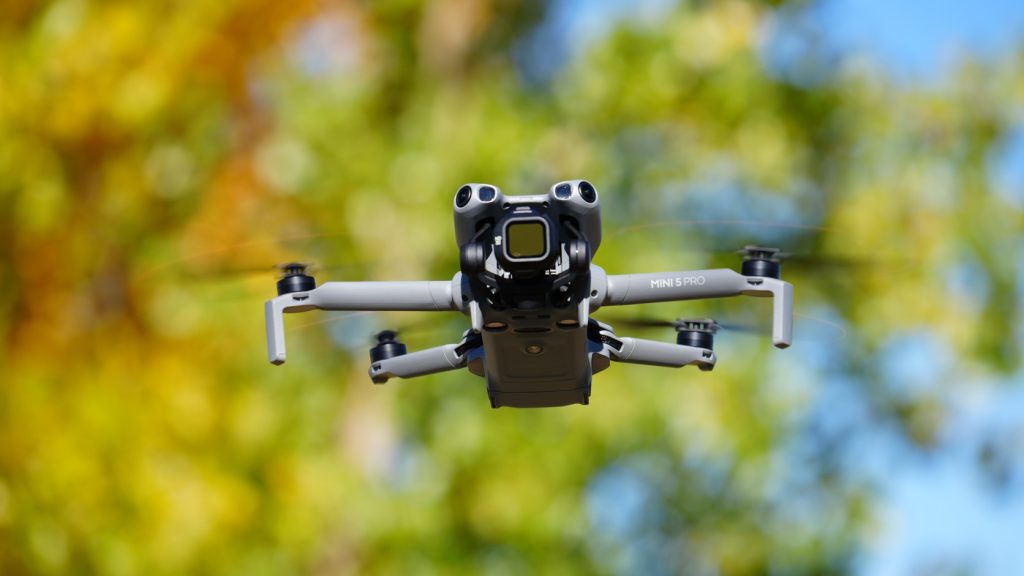
DJI has opened a second front in its court fight with the Federal Communications Commission. In a petition for a writ of mandamus dated Nov. 2 and docketed Nov. 3 at the U.S. Court of Appeals for the Ninth Circuit (case 26-7367), the drone maker asks the court to order the full Commission to rule on the reconsideration petition DJI filed in January. On Nov. 9, the FCC and the Justice Department answered in DJI’s original case: the new petition, they said, shows that case should be dismissed.
On Dec. 22, 2025, the FCC’s Public Safety and Homeland Security Bureau, a staff-level office, issued a Public Notice that added DJI’s equipment to the FCC’s Covered List. Equipment on that list can’t get new FCC authorizations, and without those it can’t be marketed in or imported into the United States. According to DJI’s petition, the FCC also set aside authorizations for 19 existing DJI products, including several that aren’t drones, and hasn’t acted on DJI’s requests to reauthorize those products or approve new non-drone products.
DJI asked the full Commission to reconsider on Jan. 21, 2026, and also sued in the Ninth Circuit (case 26-1029). The government moved to dismiss that suit. Under an order from May 28, the court put the case on hold until November, and briefing was set to resume on Nov. 2.
The mandamus petition, filed by Cooley attorneys including former U.S. Solicitor General Elizabeth Prelogar, argues that the FCC is using delay to keep a staff-level decision out of court. DJI says it expects to lose hundreds of millions of dollars in revenue in 2026 alone. It also says American first responders, energy companies and businesses that rely on its products have been unable to buy new ones.
The petition asks the court to direct the full Commission to resolve the reconsideration petition promptly and in line with the Secure Networks Act and the fiscal 2025 NDAA. At a minimum, DJI wants the court to make the Commission rule on its pending authorization requests for non-drone products. DJI also argues that the FCC has decided other Covered List matters much faster than this one.
In a seven-page reply filed Nov. 9, the FCC and DOJ argue that the court can’t review a staff-level notice until the full Commission issues a final order. They point to Section 5(c)(7) of the Communications Act and to a recent Supreme Court decision, National Republican Congressional Committee v. Brown. Because DJI’s mandamus petition says a Commission-level order is needed before DJI can seek judicial review, the government writes, “DJI thus concedes our point here.” The reply also notes that DJI never asked the agency itself to speed things up. It opposes holding the original case open any longer.
Under Ninth Circuit rules, the government doesn’t answer a mandamus petition unless the court asks it to. The reply says the government is ready to argue against the petition if that happens.
For now, nothing changes on the ground. The Covered List restricts new FCC equipment authorizations. It does not make it illegal to fly a DJI drone you already own, and the FAA rules for flying are the same no matter who built your aircraft. What the case affects is the pipeline: whether new DJI drones and accessories can be authorized and sold in the U.S., and whether some non-drone products come back. Fleet managers should keep planning on the assumption that new DJI hardware won’t arrive anytime soon and keep spare batteries and parts on hand for aircraft they rely on.
The bigger lesson is that your skills transfer even if your hardware changes. Airspace, weather, risk management and the rules in Part 107 apply whether you fly DJI, Skydio, Parrot or a U.S.-made platform. If you’re building a drone business that can handle shifts like this, start with Drone U’s Part 107 course.
The next step is up to the Ninth Circuit. It can call for a response to the mandamus petition, deny it, or rule on the government’s request to dismiss DJI’s original case.
Sources: Ninth Circuit filings via CourtListener: DJI petition for writ of mandamus (No. 26-7367, filed Nov. 3, 2026) and FCC/DOJ reply in support of renewed motion to dismiss (No. 26-1029, Nov. 9, 2026).
 0