
How to Use AI to Analyze Drone Inspection Data (and What to Charge)

November 27, 2026
Collecting inspection images is only half the job. Clients pay for a clear picture of what might be wrong, where it is, and what they should look at next. AI drone inspection analysis can speed up that second half: flagging possible defects, organizing findings, and drafting report language. It cannot replace a qualified human review, and it is not a license to call yourself an inspector if you are not one.
This guide walks through a practical, vendor-neutral workflow: capture, AI-assisted analysis, human review, report delivery, and how to package and price the work. It is written for working pilots who already fly inspections, or who want to add inspection data work to a real estate or property-services business. For the broader craft of flying inspection jobs, start with our drone inspections guide.
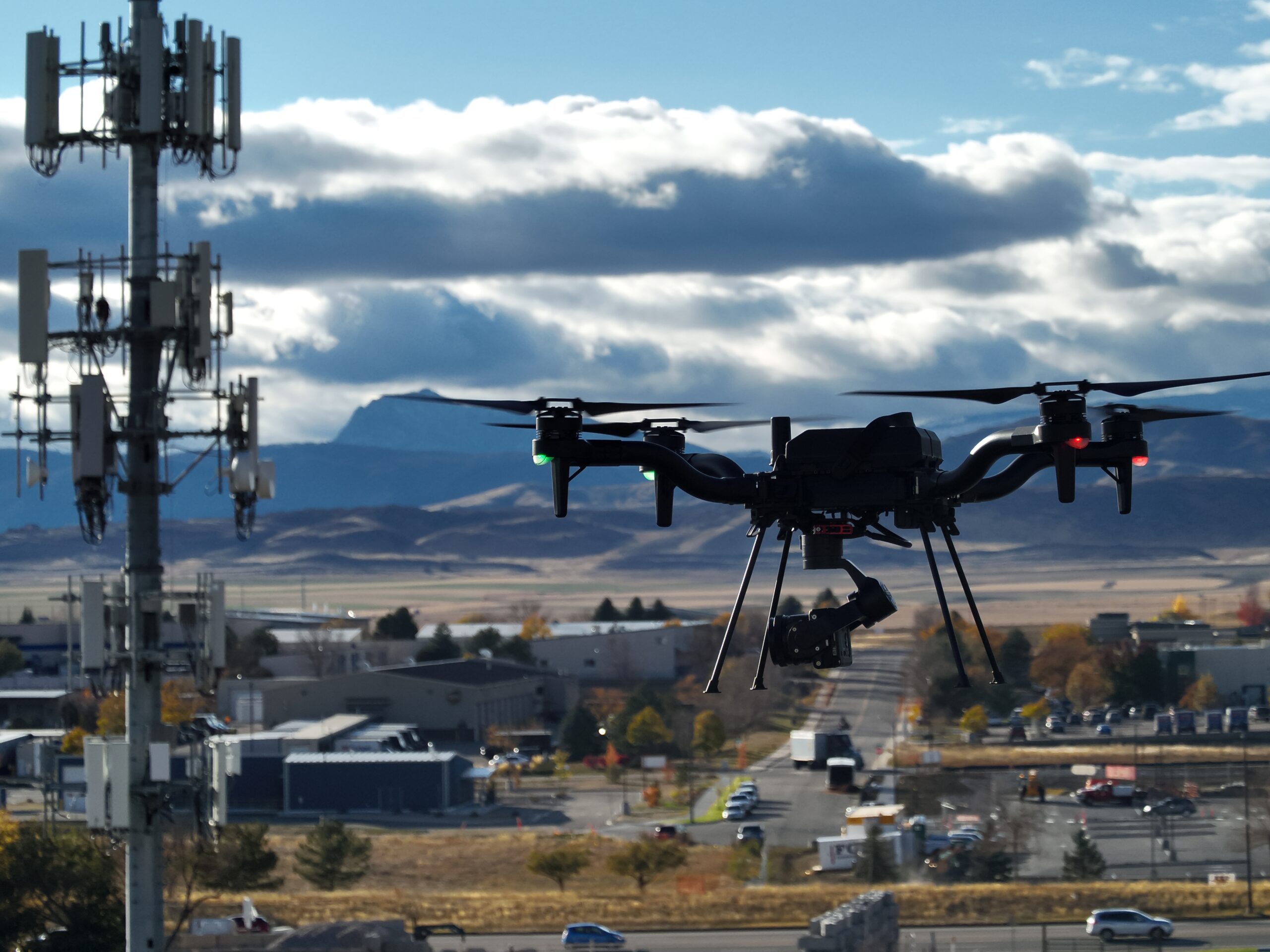
The flight collects the data. AI can help sort it. A person still has to stand behind the report.
Modern inspection software and general AI tools are getting good at tasks that used to eat an evening:
Treat every AI output as a draft. Models miss things, invent things, and cannot see context you would notice on site, such as a known repair, a wet stain from an overnight storm, or a confined-space hazard. The value you sell is a reviewed deliverable, not a raw software export.
If you fly this work for money in the United States, you need a Part 107 certificate. The Drone U Part 107 course is built so you can study and pass in 3 days. Some inspection clients will also require a licensed home inspector, engineer, or other credential for the conclusions in the report. Know which hat you are wearing before you quote the job.
The same rhythm works whether you use a dedicated inspection platform or a careful combination of mapping software, a spreadsheet, and a large language model for the write-up. Platform choice matters, and we have covered specific tools such as Percepto Axion when they are relevant, but the workflow above should hold even as vendors change.
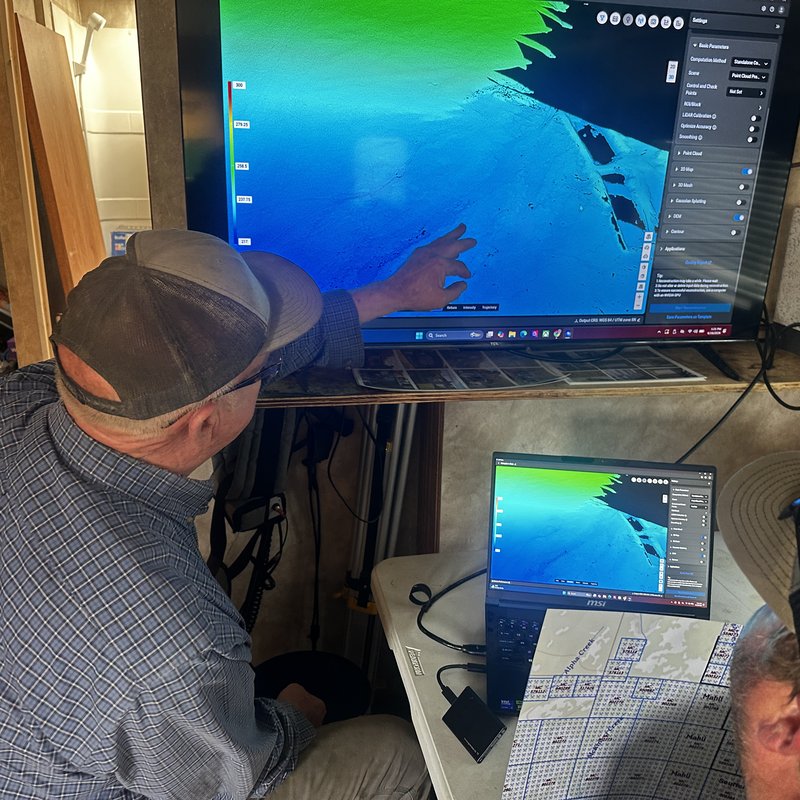
Human review of the model or image set is the quality-control step. Build time for it into the price.
Set the model’s sensitivity with the job in mind. A conservative threshold that misses some candidates may be worse than a noisier first pass you can clear quickly, as long as you actually clear it. The opposite problem is a flood of false positives that you rubber-stamp because you are tired. If you do not have time to review the flags, you are not selling analysis. You are selling an unreviewed software export, and that will catch up with you.
Good practice:
For roofs and occupied buildings, remember that your client may be a realtor, a property manager, or an insurer who will forward the report. Ambiguous language and overclaiming are liabilities. If a finding could affect a sale, a claim, or someone’s safety, say what the image shows and what should be inspected in person, not what you have legally concluded, unless you are licensed and hired to conclude it.
AI is often more useful on the write-up than it is as a standalone detector. A practical method:
Do not paste raw client personal data, non-public building details, or sensitive infrastructure information into a public consumer chatbot if your agreement or common sense says that data should stay in your own tools. Use a process you are willing to stand behind if a client asks how the report was prepared.
The delivery package should be easy to forward: a cover summary, annotated images, and, if you use one, a link to a model or gallery. That is also where office automation helps (consistent folders, a delivery email, an invoice when the report goes out). The AI agents and automation course and ai.thedroneu.com cover that business layer. If real estate agents are asking you to add roof or property-condition stills to a listing package, the production side lives in the Real Estate Drone Bundle, and the analysis side is what this article describes.
Price the review, the report, and the liability, not “the AI.” The software may shorten the first pass. It does not remove your time in front of the images, and it does not remove your responsibility for what you deliver. For a wider discussion of how to price drone services, see our drone service pricing guide. The packages below are illustrations of how to structure an offer, not a survey of what you should charge in your city.
Photo documentation package. A templated flight and a curated, labeled stills set with little or no written analysis. This is the closest product to a real estate add-on: useful context for an agent or owner, clearly described as visual documentation, not a formal inspection.
AI-assisted inspection report. The same kind of capture, plus software-assisted tagging and a written report you have reviewed. Charge more than the photo set because you are selling organized findings and judgment. Build the review time into the quote. If the roof is large or the asset is complex, the price should follow the review hours, not a flat “AI fee.”
Recurring monitoring. A monthly or quarterly flight over the same site, with a short change-detection summary. Subscription pricing often fits this better than a one-off invoice, provided your agreement says what happens when weather slips a window and who reviews the output.
Say in the contract what the deliverable is and what it is not. If you are not a licensed inspector or engineer, do not let the proposal read as if you are. If the client needs a licensed inspection, either partner with one or decline the conclusions and sell the data package instead.
For teams that want a complete inspection flying and business system, see the Drone Inspection Bundle. For companies building a repeatable program rather than a single-pilot offer, Drone U’s enterprise programs are the right conversation. And if you still need the certificate that makes commercial flights legal, start with the Part 107 course and pass in 3 days.
 0