

Michigan Man Indicted Over Drone Flights Near Barksdale Air Force Base

October 22, 2026
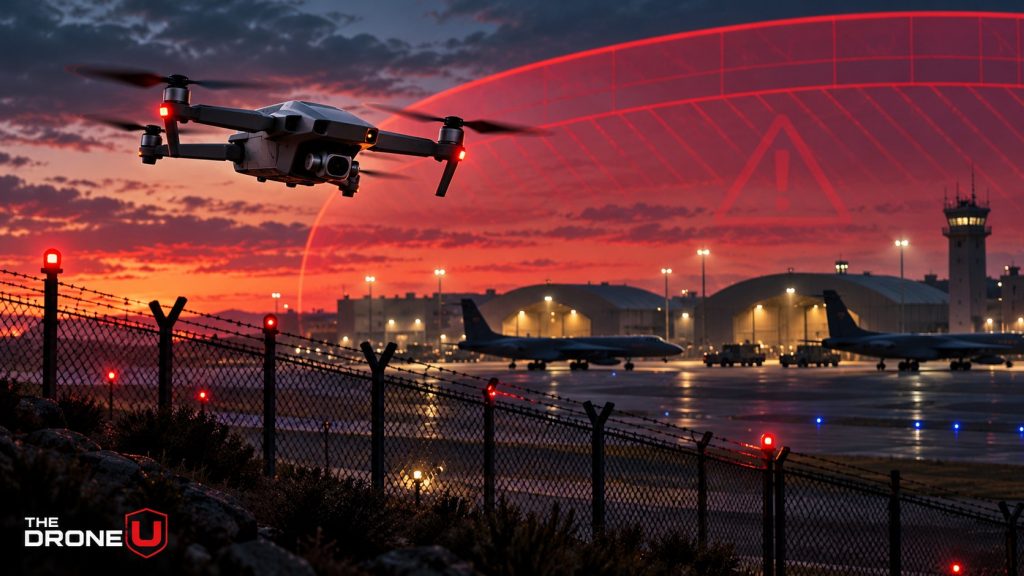
A Michigan man now faces federal charges over drone flights around Barksdale Air Force Base in Louisiana, home to the Air Force’s B-52 bombers and a base that dealt with a string of unexplained drone sightings earlier this year. The case is a pointed reminder that two of the most basic rules in drone flying, registering your aircraft and staying out of restricted airspace, can carry criminal penalties.
KSLA in Shreveport and the Shreveport-Bossier Advocate both reported this week on an indictment filed in the U.S. District Court for the Western District of Louisiana, Shreveport Division. It names Fuad Mousa Naji, also known as Adam, on two counts, each with a forfeiture notice:
According to the Advocate, the indictment alleges the flights took place around the base between March 22 and 26. Naji was arrested in the Eastern District of Michigan on September 29, and a magistrate ordered him transferred to Louisiana the same day. His initial appearance at the federal courthouse in Shreveport is set for December 2.
An indictment is only an accusation. Naji is presumed innocent, and we couldn’t find a Justice Department press release on the case as of Thursday morning.
The Advocate wrote that a conviction can bring up to a year in prison. That matches the statute for a first national defense airspace offense under Section 46307, which allows a fine and up to one year. The registration statute is tougher. Section 46306(b) allows up to three years for a knowing and willful registration violation. Both counts also carry forfeiture notices, which means the government is seeking to keep the drone.
Barksdale drew national attention in March. Air Force Global Strike Command said the base had several unauthorized drone incursions starting March 9, and leaders ordered a brief shelter-in-place that morning. ABC News later reported on an internal briefing that described waves of drones over the flight line during the week of March 9. The Advocate notes that on March 27, Sen. Bill Cassidy and a base spokesperson said two drones had been recovered.
The reporting we’ve seen doesn’t tie Naji to the earlier waves of sightings. The dates in his indictment come after them, and the aircraft named is an off-the-shelf DJI Air 3. Be careful with any headline that links the two.
If you’re flying for work, knowing how to read airspace, NOTAMs and registration rules is part of the job. Our Part 107 course covers all three and prepares you for the FAA knowledge test.
Sources: KSLA; Shreveport-Bossier Advocate; Air Force Global Strike Command; ABC News; 49 U.S.C. 46306 and 46307.
 0