
Beginner Friendly Drones You Won’t Outgrow: 2026 Holiday Guide

October 22, 2026
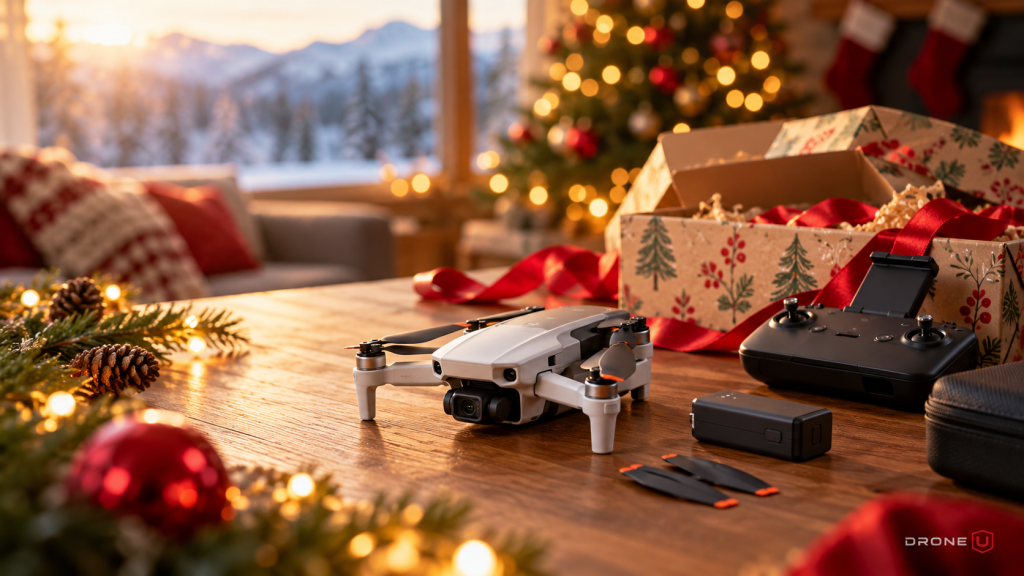
Every holiday season, thousands of people unwrap a cheap “starter” drone, fly it for a weekend, and realize within a month that it can’t do what they actually wanted. The video is shaky, the drone drifts in the slightest breeze, and the photos aren’t worth posting. So they buy a second drone. This guide is about skipping that step. These are the beginner friendly drones you really need, the ones a new pilot won’t outgrow, and all prices are as of Oct 22, 2026.
The most common beginner mistake isn’t a crash. It’s buying a drone that’s too limited. A toy-grade drone feels like a safe first purchase, but it teaches bad habits. With no GPS hold and no stabilized camera, you spend every flight fighting the drone instead of learning to fly and shoot. Then the upgrade itch starts, and the “cheap” drone ends up costing you the price of two.
Modern DJI drones are easy to fly from day one. GPS holds the drone in place, return to home brings it back on a low battery, and obstacle sensing forgives a lot of mistakes. So the beginner question isn’t “what’s easy?” anymore. It’s “what will I still want to fly a year from now?”
Yes. In December 2025 the FCC added foreign-produced drones, including DJI, to its Covered List. According to the FCC, that blocks new models from getting authorization, but models authorized before the listing can still be sold and flown legally. The Neo 2, Mini 5 Pro and Mavic 4 Pro were all authorized before the cutoff, and as of Oct 22, 2026 all three are listed in stock at major US retailers like Amazon, B&H and Best Buy.
There’s one catch. DJI never officially launched some of these models through its own US store, so you’ll buy them from retailers and dealers rather than DJI directly. Stock can be irregular, and warranty or DJI Care Refresh coverage can depend on where a unit was originally sold. Buy from an authorized retailer, keep your receipt, and ask about US warranty support before you check out. For the full background, read Is DJI Banned in the US?
About $259 for the drone only and $349 for the Fly More Combo (drone only) at Amazon, as of Oct 22, 2026. Combos with the RC-N3 remote run about $429 at major retailers.
The DJI Neo 2 weighs about 151 grams. It takes off from and lands in your palm, responds to hand gestures, and follows you with ActiveTrack. It adds omnidirectional obstacle sensing and full prop guards, and it records 4K at up to 60 fps. It’s the drone for selfies, vlogs, hikes and family videos, and it’s nearly impossible to be intimidated by.
Be honest about what it is, though. The Neo 2 is a follow-me camera, not a photography tool. It has a small sensor and it’s light, so it’s more affected by wind. If the person you’re shopping for wants sweeping landscape shots or plans to do paid work someday, the Neo 2 is the drone they’ll outgrow. It works best as a fun second drone or as a gift for someone who mostly wants hands-free clips.
Best for: kids, travelers, vloggers and anyone who wants video of themselves without a second person.
About $679 to $759 for the drone at Amazon and DJI dealers, and $959 for the Fly More Combo with the RC-N3 remote at Best Buy, as of Oct 22, 2026. B&H lists the Fly More Combo Plus with the DJI RC 2 screen remote at $1,159.
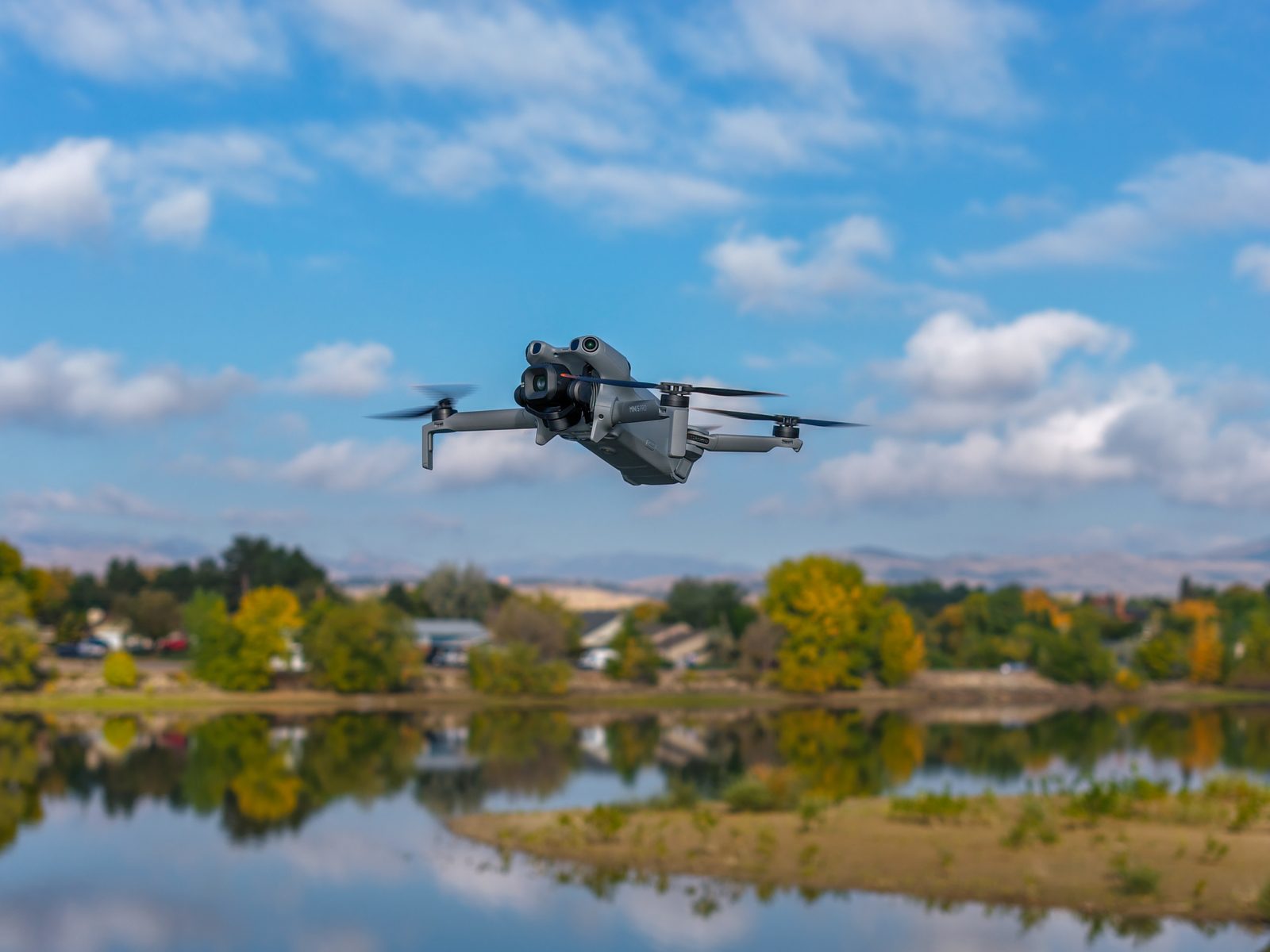
If you only buy one drone, make it this one. The DJI Mini 5 Pro is the drone that ends the upgrade cycle. It puts a 1-inch camera sensor in a folding drone that comes in under 250 grams with the standard battery, so recreational pilots don’t have to register it. The larger sensor is what you notice in real footage: cleaner sunsets, better detail in shadows and usable images after the sun goes down.
It’s still a true beginner drone. Omnidirectional obstacle sensing works in low light, ActiveTrack 360° follows a subject, and GPS hold plus return to home make the first flights calm instead of stressful. The gimbal rotates for true vertical shooting, so you can make social content without cropping.
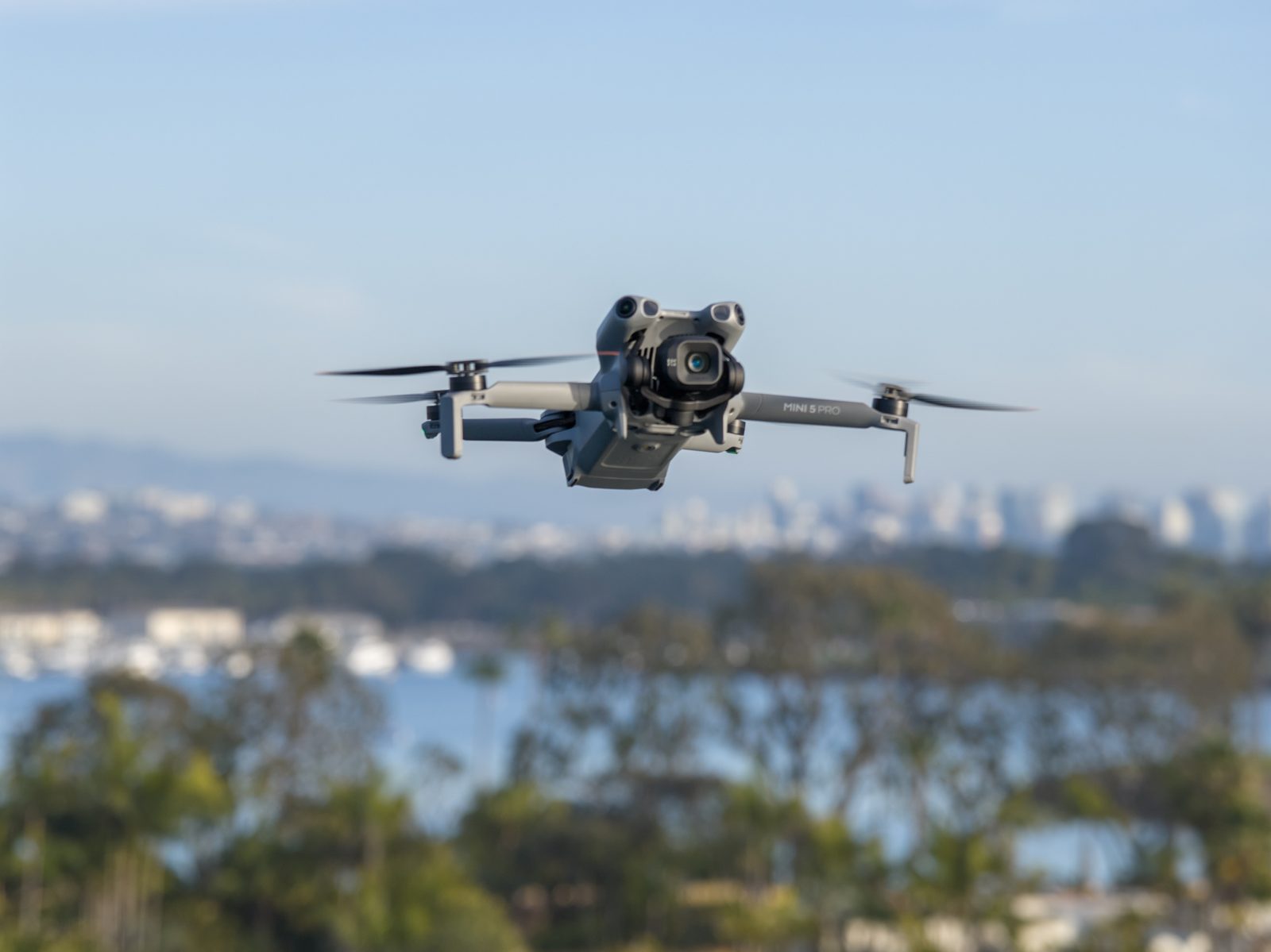
Most important, the Mini 5 Pro grows with you. It’s a drone you can learn on this winter and still use when you start shooting real estate, events or local businesses under Part 107. That’s why it’s our pick. It costs more than a starter drone, but far less than buying a starter drone and the drone you end up wanting.
A tip: skip the drone-only box if your budget allows. A Fly More Combo adds the remote, extra batteries and a charging hub, and one battery won’t last long on the first day. New to the Mini 5 Pro? Our Mini 5 Pro Don’t Crash Course walks you through setup and your first flights.
Best for: almost every new pilot, especially aspiring photographers and anyone who might fly for money someday.
About $2,199 for the drone with the DJI RC 2 remote and about $2,754 for the Fly More Combo (list $2,899) at Amazon, as of Oct 22, 2026. Prices vary by seller, so stick with listings shipped and sold by Amazon or an authorized dealer.
The Mavic 4 Pro is DJI’s flagship camera drone, and it’s worth a look if the person you’re buying for already knows they want to create professional work. It carries three cameras on a 360° Infinity Gimbal, led by a 100MP Hasselblad main camera that shoots up to 6K60 HDR, plus 48MP and 50MP telephoto cameras. Low-light obstacle sensing and long flight times make it forgiving despite its size.
It isn’t for everyone. At about 1,063 grams it must be registered with the FAA, it’s bigger to carry, and a crash is far more expensive. But a beginner with a clear professional goal and the budget can start on a Mavic 4 Pro and never need another camera drone. The flying is just as assisted as on the Mini. If you go with the Mavic, start with our Mavic 4 Pro Don’t Crash Course.
Best for: aspiring professionals, serious photographers and filmmakers who want to buy once.
| Model | Price (as of Oct 22, 2026) | Weight | Who it’s for |
|---|---|---|---|
| DJI Neo 2 | From $259 (drone only) | ~151 g | Fun, hands-free selfie video |
| DJI Mini 5 Pro | From ~$679; $959 Fly More (RC-N3) | Under 250 g (standard battery) | Best beginner drone for the money |
| DJI Mavic 4 Pro | From ~$2,199; ~$2,754 Fly More | ~1,063 g | Serious creators and future pros |
Want more options? See our guide to the best entry-level drone.
Selling photos, shooting real estate or doing any paid work requires an FAA Part 107 Remote Pilot Certificate, according to the FAA. Drones flown under Part 107 must be registered regardless of weight, including the Mini 5 Pro and Neo 2.
The DJI Mini 5 Pro. It’s easy to learn on, under 250 grams with the standard battery, and its 1-inch sensor is good enough that you won’t need to upgrade soon.
Yes. Models the FCC authorized before the December 2025 Covered List decision, including the Neo 2, Mini 5 Pro and Mavic 4 Pro, can still be sold and flown legally. Newer DJI models that weren’t authorized can’t be sold through normal US channels.
Not if the budget is there and the goal is professional work. It’s as assisted to fly as the Mini, but it’s heavier, requires registration and costs more to repair.
Recreational flyers need to pass the free TRUST test. Anyone flying for compensation needs a Part 107 certificate.
Plenty of people who unwrap a good drone end up wanting to fly professionally. That’s one more reason to start with a drone like the Mini 5 Pro or Mavic 4 Pro. The Drone U Part 107 course covers every topic on the FAA knowledge test, including airspace, sectional charts, weather, regulations and operations, with lessons from working commercial pilots. Pair the drone with the course and turn a hobby into a skill people pay for. Start the Part 107 course today.
 0