
8 Best Drones for Roof Inspections in 2026

June 29, 2026
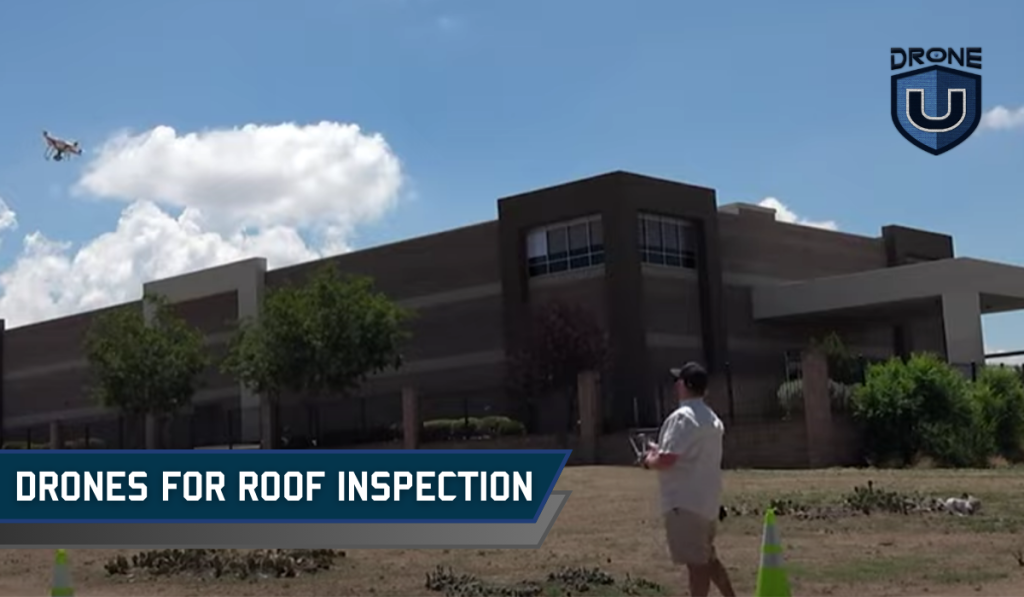
Quick Answer: Best Drones for Roof Inspections in 2026Best overall: DJI M30T: thermal + visual camera, 41-minute flight time, built for professional inspections. Best budget pick: DJI Mini 4 Pro: under 249g, no FAA registration needed, 48MP camera, omnidirectional obstacle sensing. Best for large roofs: SenseFly eBee X: covers up to 500 hectares (1,235 acres) per flight. Best AI obstacle avoidance: Skydio 2+: autonomous navigation with 360° sensors. Best zoom + thermal combo: Parrot Anafi USA: 32x zoom with FLIR thermal camera. You need a FAA Part 107 license to fly drones commercially for roof inspections in the US. |
Drones have changed how roof inspections are done. They are faster, safer, and cheaper than climbing a roof manually. The right drone captures high-resolution images and thermal data in minutes.
This guide covers the 8 best drones for roof inspections in 2026, what to look for, and which one fits your budget. You will also need to follow FAA rules before flying commercially for inspections.
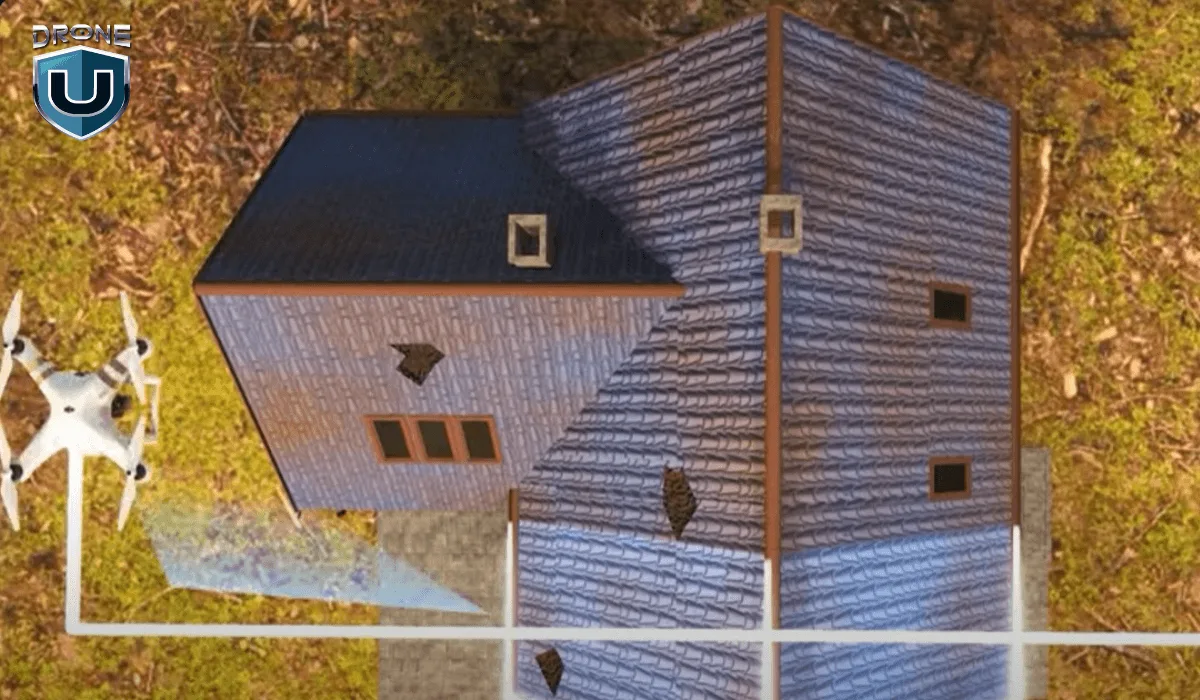
The adoption of drone technology for roof inspections has brought about numerous advantages over traditional manual inspection methods.
Roofing professionals can benefit from drones in the following ways:
Drones eliminate the need for inspectors to physically access roofs, avoiding risks of falls, injuries, and other hazards associated with working at heights or on unstable surfaces.
Using drones for roof inspections generally costs less than traditional methods, reducing the need for specialized equipment and minimizing labor required for manual inspections, resulting in significant cost savings.
Drones enable you to cover large areas quickly and efficiently, gathering comprehensive data in a fraction of the time, leading to faster turnaround times and more inspections completed in a given timeframe.
The high-resolution cameras and advanced sensors on drones capture detailed imagery, video footage, and data that are difficult or impossible to obtain through manual inspections, enabling accurate identification of potential issues.
Drones allow you to live stream the drone’s video footage, enabling virtual analysis of aerial data from anywhere in real-time inspections, which is extremely useful in emergencies or for projects with tight deadlines.
The M30T is our top recommendation for professional drone roof inspections. This powerful yet compact drone is designed specifically for commercial and industrial applications, making it ideally suited for roofing jobs.
The M30T is equipped with a high-resolution 48MP camera and a thermal imaging module, allowing you to capture detailed visual and thermal data simultaneously. This dual-sensor setup enables comprehensive analysis, making it easier to identify potential issues like moisture intrusion, insulation defects, and structural anomalies.
To know more about M30T check out this video:
While we have a favorite, the perfect drone for you might be different. Let’s explore some other great options for roof inspections.
We have highlighted the best drones for conducting detailed and safe roof inspections. You can pick that suits you the most:
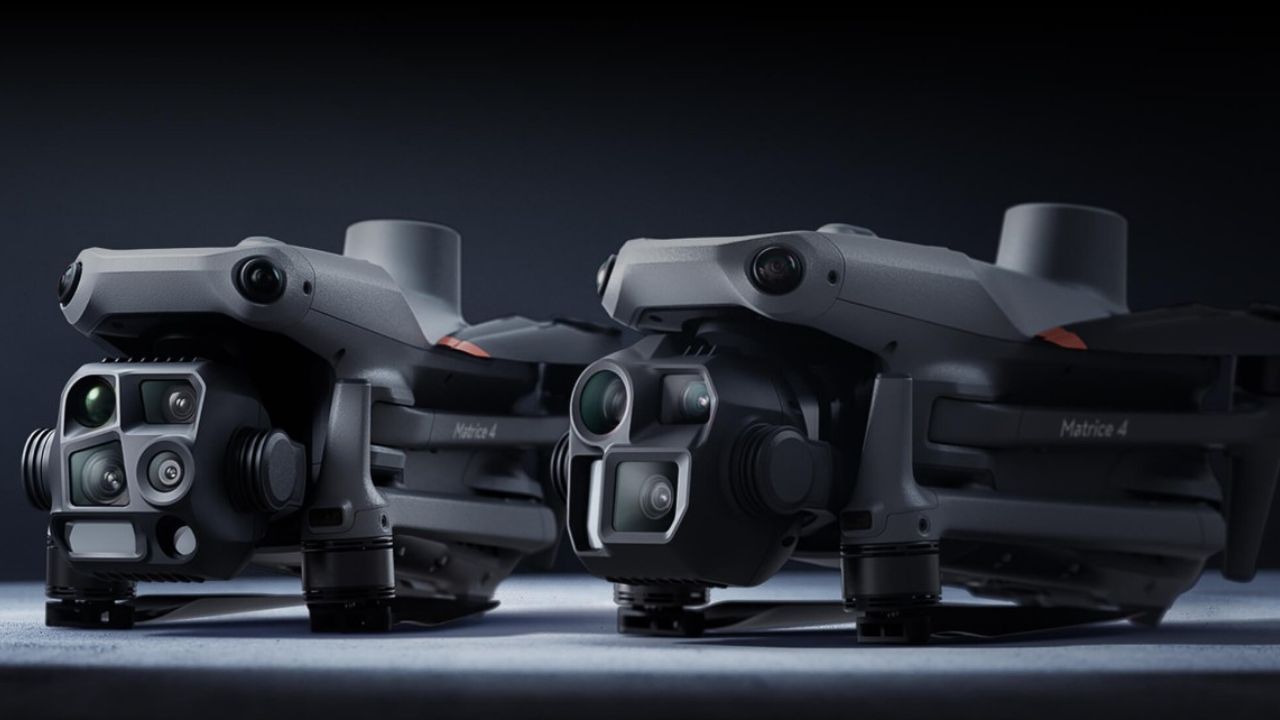
Source: DJI Enterprise
The Matrice 4E is DJI’s current flagship compact enterprise drone. It replaces the discontinued Mavic 3 Enterprise series. It comes with built-in RTK, a long-range laser rangefinder, and improved zoom, making it ideal for detailed roof mapping and inspection.
| Specifications | DJI Matrice 4E |
| Camera | Wide, zoom, and medium-tele triple camera, up to 50 MP |
| RTK | Built-in, no module required |
| Laser Rangefinder | Up to 1,800m range |
| Max Flight Time | Up to 50 minutes |
| Transmission | O4 Enterprise, up to 25 km |
| Max takeoff weight | Approx. 920 g |
Best for: Commercial inspectors who need enterprise-grade imaging, built-in RTK, and long flight time in a portable package.
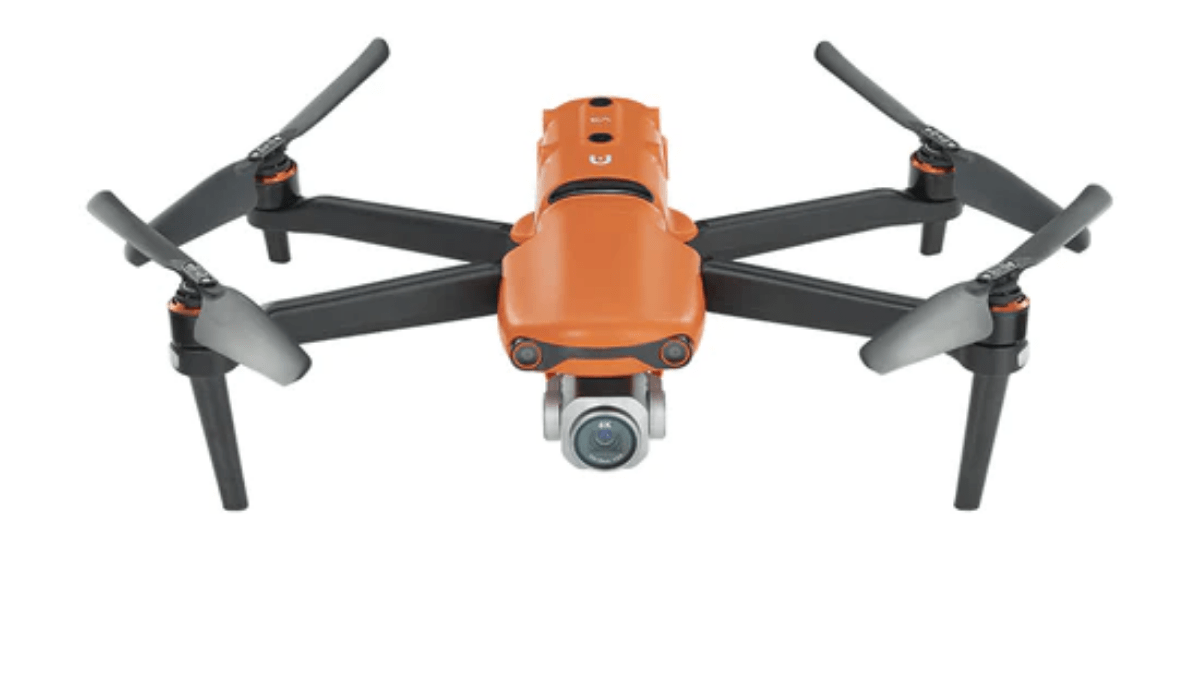 Source: Autel Robotics
Autel’s EVO II Pro packs a 6K foldable camera and thermal imaging in a portable, rugged airframe perfect for roof inspectors. Its omnidirectional obstacle avoidance ensures safe operations.
| Specifications | Autel EVO II Pro |
| Sensor | 1″ CMOS |
| Resolution | 6k 5472*3076 p30/p25/p24, 20 MP |
| Internal storage | 8 GB |
| Max Flight Time | 40 minutes |
| Sensing system | Omnidirectional binocular, sees obstacles in all directions |
| Max Takeoff Weight | 1999 gm |
Best for: Inspectors who want a DJI alternative with 6K resolution and omnidirectional obstacle avoidance.
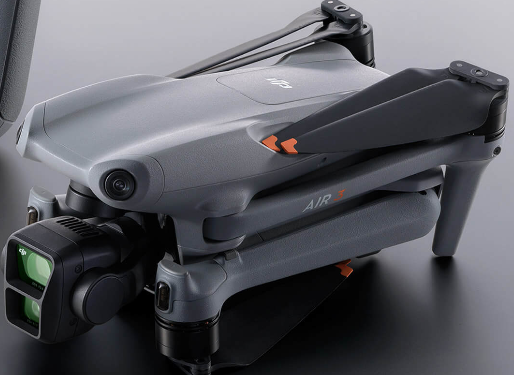 Source: DJI
DJI Air 3 is a powerful drone with a dual-camera system for excellent image quality. It is a great choice if image quality is your top priority. It boasts a long flight time of up to 46 minutes and omnidirectional obstacle sensing for safer flying.
| Specifications | DJI Air 3 |
| Weight | 720 gm |
| Max flight time | 46 minutes |
| Max flight distance | 32 km |
| Operating temperature | -10° to 40° C (14° to 104° F) |
| Sensor | Wide-Angle & Tele Camera: 1/1.3-inch CMOS, Effective Pixels: 48 MP |
| Sensing system | Omnidirectional binocular vision system |
Best for: Inspectors who prioritize image quality and need a reliable dual-camera system at a mid-range price.
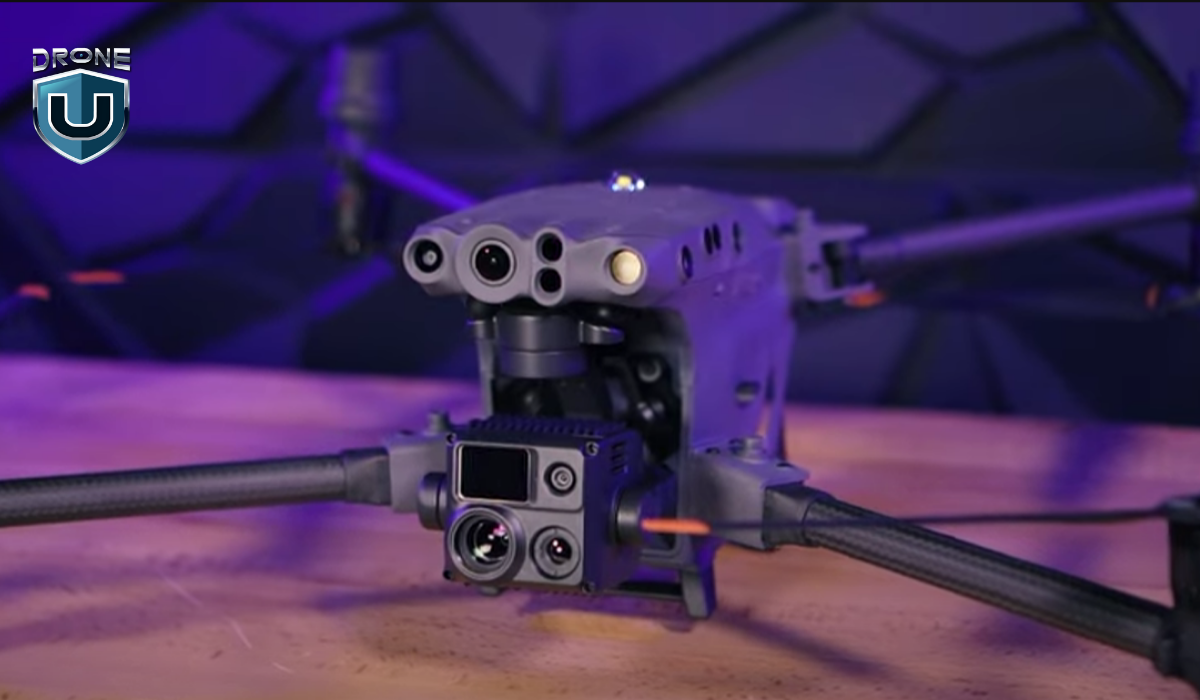
DJI M30T is a strong industrial drone designed for use in inspection and surveying in the workplace. It has high-resolution thermal and visual imaging cameras and can withstand challenging environments.
| Specifications | DJI M30T |
| Max takeoff Weight | 4069 g |
| Max flight time | 41 minutes |
| Operating temperature | -20° to 50° C |
| Wind resistance | 12m/s |
| Sensing system | Omnidirectional |
Best for: Professional roof inspectors who need thermal and visual imaging in one drone built for tough conditions.
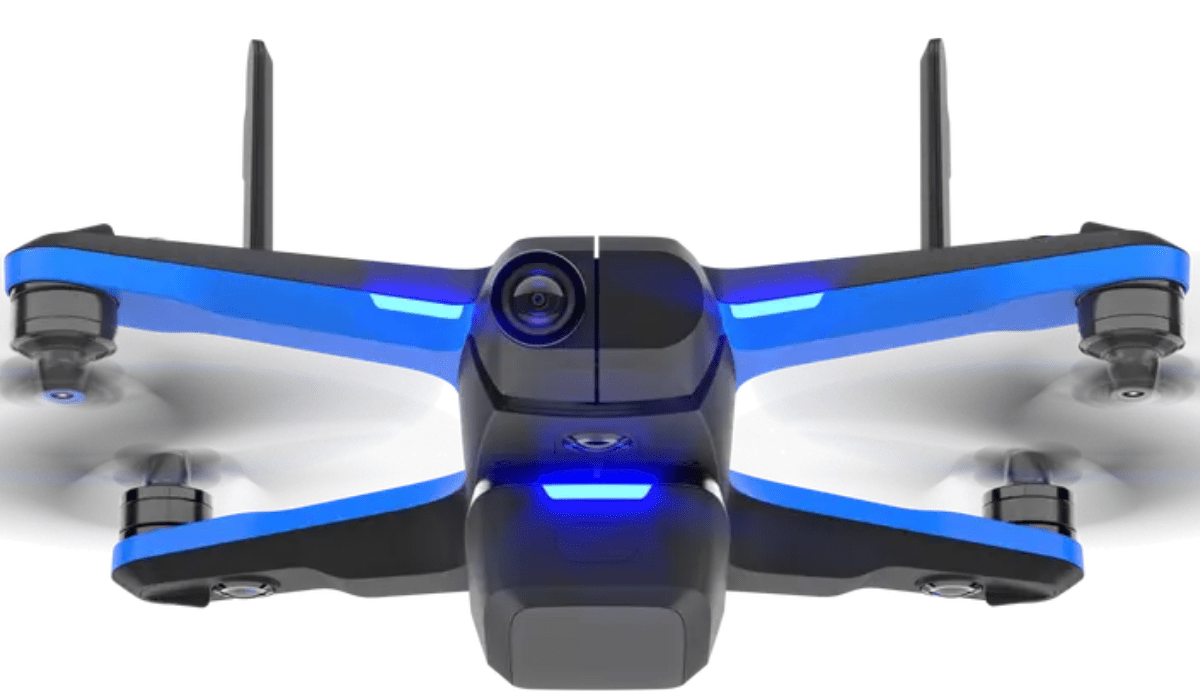 Source: Skydio
The Skydio 2+ is known for autonomous flight and collision avoidance. It uses AI and 360° sensors to navigate complex environments.
The Skydio 2+ Enterprise Kit is available directly through Skydio for business and government use, with dedicated support for fleet deployment.
| Specifications | Skydio 2+ |
| Sensor | Sony IMX577 1/2.3” 12.3MP CMOS |
| Lens aperture | f/2.8 |
| Max speed (sea level, no wind) | 36 mph |
| Flight Time | 27 minutes |
| Operating temperature | -5°C to 40°C |
| Weight (with battery) | 800 gm |
Best for: Complex roofs with lots of obstacles, where autonomous flight and collision avoidance matter most.
Source: DJI
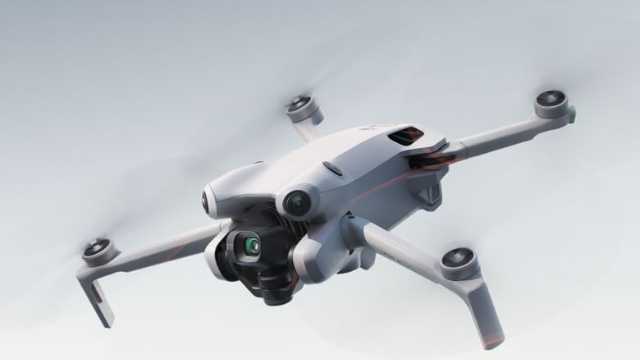
The Mini 4 Pro is DJI’s current sub-250g drone. It replaces the Mini 3 Pro, which has been phased out. It adds omnidirectional obstacle sensing, making it a safer and more capable choice for quick residential roof checks.
| Specifications | DJI Mini 4 Pro |
| Weight | Under 249 gm |
| Sensor | 1/1.3-inch CMOS |
| Resolution | 48 MP |
| Operating temperature | -10° to 40°C (14° to 104°F) |
| Obstacle Sensing | Omnidirectional |
| Max Flight Time | Up to 34 minutes |
Best for: Beginners or inspectors on a budget who need a lightweight, no-registration drone for residential roofs.
 Source: Sensefly
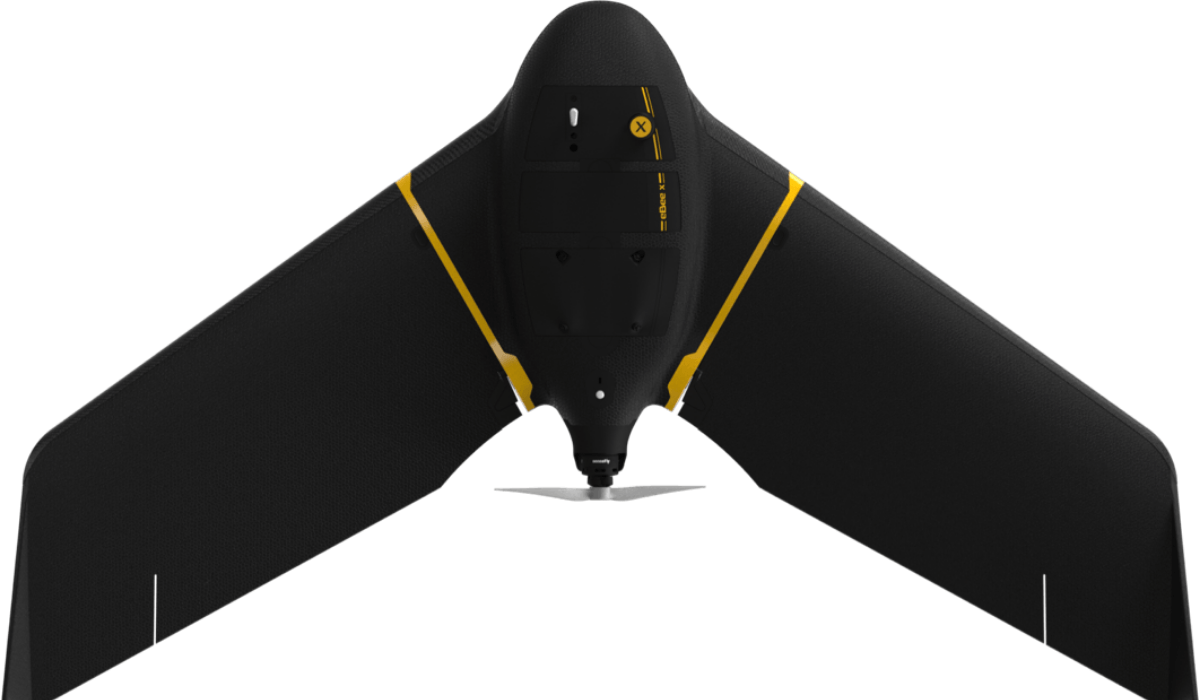
The SenseFly eBee X is a fixed-wing drone designed for large-scale mapping and surveying, capable of covering up to 500 hectares (1,235 acres) in a single flight. It’s highly efficient for agricultural, environmental, and land management projects.
| Specifications | SenseFly eBee X |
| Camera | Multiple payload options, including RGB, multispectral, and thermal sensors |
| Design | Fixed-wing for large area mapping, RTK/PPK (GPS precision systems) for high precision, automatic 3D flight planning |
| Flight Time | Up to 90 minutes |
| Wind resistance | Up to 12.8 m/s |
| Takeoff weight | 1.6 kg |
Best for: Large commercial or industrial roofs where covering maximum area in a single flight is the priority.
 Source: Parrot
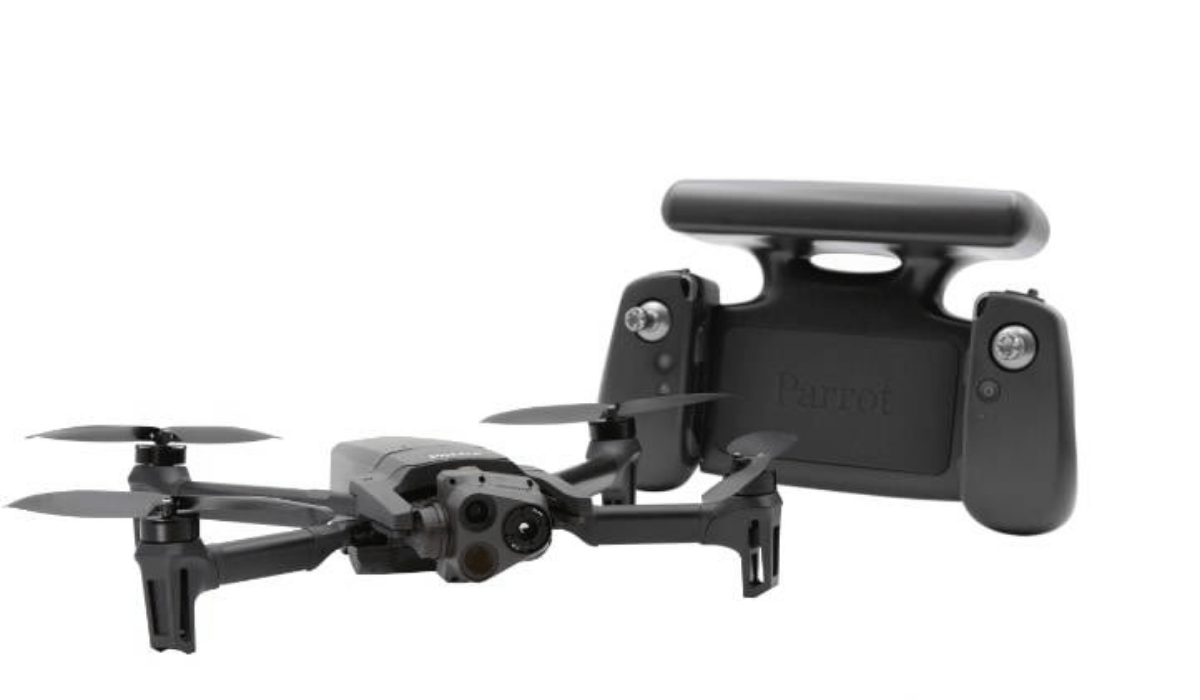
The Parrot Anafi USA is a drone built for professionals. It offers powerful zoom capability, thermal imaging, and a rugged design. It’s well-suited for public safety, inspection, and environmental monitoring.
| Specifications | Parrot Anafi USA |
| Camera | 32x zoom capability with 21 MP, FLIR thermal camera (detects heat signatures) |
| Resolution | 4K HDR video |
| Design | 3-axis hybrid stabilization, geofencing |
| Flight Time | Up to 32 minutes |
| Operating temperature | -33 °F (-36 °C) to +122 °F (+50 °C) |
| Weight | 500gm |
Best for: Inspectors who need powerful zoom and thermal imaging in a lightweight, security-conscious drone.
Choosing the right drone comes down to a few key factors. Here is what to look for.
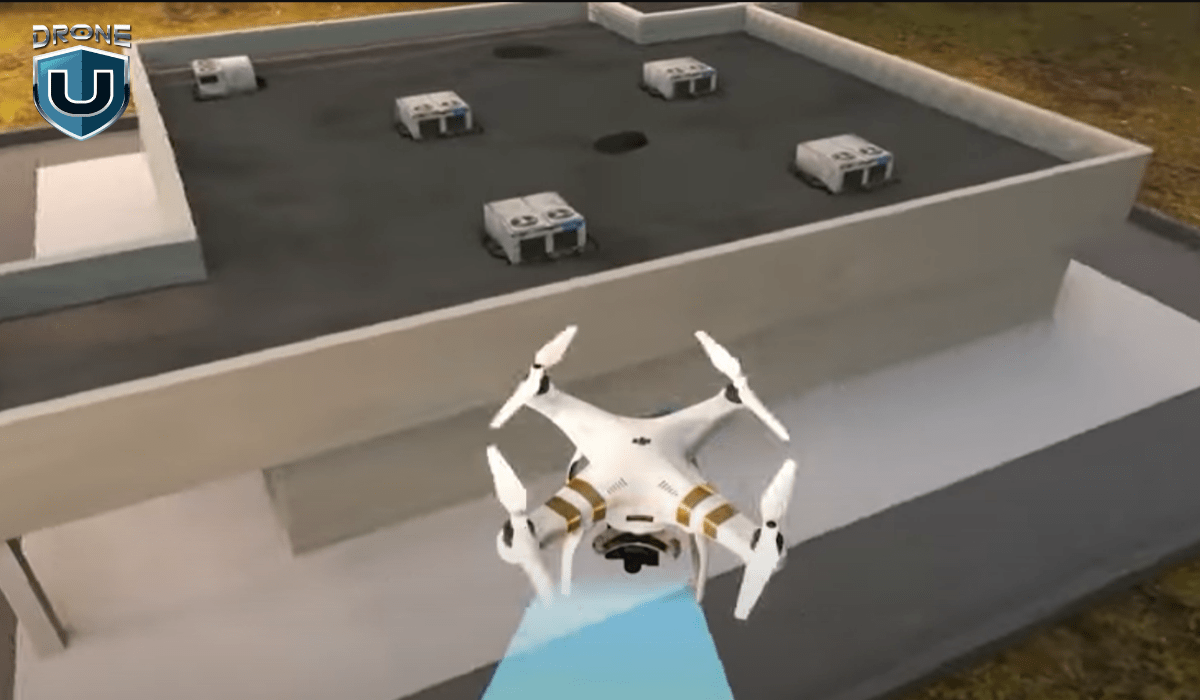
When choosing a drone for roof inspections, consider these key factors.
Check how much weight a drone can carry. For roof inspections, you need a drone that supports high-resolution and thermal cameras. Most inspection-grade drones carry at least 300 to 500 grams of payload.
Image quality is paramount for identifying and assessing roof defects and issues. You should go for drones with cameras offering at least 20MP stills and 4K video capabilities. Adjustable apertures, gimbals, and zoom lenses provide more flexibility. Integrated thermal cameras are invaluable for detecting moisture/insulation problems.
Stable flight performance ensures smooth, blur-free image /video capture even in windy conditions. GPS/vision positioning helps drones hover accurately. Ruggedness and redundant components boost reliability.
As a roof inspector, you’ll encounter a variety of environmental conditions. During emergencies, you need to fly in bad weather also. Thus, choose drones with weatherproof bodies, all-weather cameras, and wind/precipitation resistance ratings.
If you are new to drone inspections, start with the DJI Mini 4 Pro or DJI Air 3. Both are beginner-friendly and capable.
You can always switch to professional and enterprise drones optimized for roof inspections. The Matrice 4E, EVO II Pro, and Skydio 2+ offer top cameras for thermal and mapping data.
Before you decide on your drone for a roof inspection, keep in mind these factors:
It is important to understand that these roof inspection drones are powerful tools, but true mastery lies in your expertise. Investing in the right drone, coupled with the skills and certifications, will position you to deliver high-quality roof inspection services.
 2
2
Add Your Comment