
Best Drones Under $500: Stunning Aerials on a Budget

June 8, 2026
Quick Answer: Best Drones Under $500 in 2026The DJI Mini 3 is the best drone under $500 for most pilots: best camera quality, longest flight time, and most reliable performance in this price range. It costs $419, weighs under 249g, and requires no FAA registration for recreational use. Best overall: DJI Mini 3 (~$419): 4K HDR, 38-minute flight time, 1/1.3-inch sensor Best value: DJI Mini 4K (~$299): 4K, 3-axis gimbal, no FAA registration required Best beginner DJI: DJI Mini 2 SE (~$279): GPS, 31-minute flight time, under 249g Best for vlogging: DJI Flip (~$439): integrated prop guards, palm launch, 4K/60fps HDR Best budget non-DJI: Potensic Atom (~$249.99): 3-axis mechanical gimbal, Sony sensor, 4K 250g rule: Drones under 249g do not require FAA registration for recreational use. The DJI Mini 3, Mini 4K, Mini 2 SE, and Potensic Atom all qualify. |
Sub-$500 drones in 2026 deliver 4K video, 30-plus minutes of flight time, GPS, and obstacle avoidance. These features cost $1,500 or more just a few years ago. The best options in this price range come from DJI, which holds a 94% market share on the hobby side of the drone industry.
This guide covers the top six drones under $500 in 2026, with honest verdicts on who each one is for.
Here’s what we focused on while choosing the top models in this price bracket.
The drone’s overall performance, including flight time, range, and stability, is crucial. We evaluated how well each drone performs in various conditions and its ability to maintain a steady flight.
We looked at camera resolution, frame rates, and gimbal stabilization to ensure you can capture sharp, high-quality images and videos.
We considered how easy it is to set up the drone, the intuitiveness of the controls, and the quality of the accompanying software or app.
Drones can be a significant investment, so durability matters. We assessed the build quality and resilience of each drone to withstand crashes and harsh conditions.
Extra features like GPS, obstacle avoidance, and intelligent flight modes enhance the flying experience. We highlighted drones with standout features that add value without exceeding the $500 budget.
With these criteria, we ensured that our recommendations for the best drones under $500 offer excellent performance, quality, and value for drone enthusiasts of all levels.
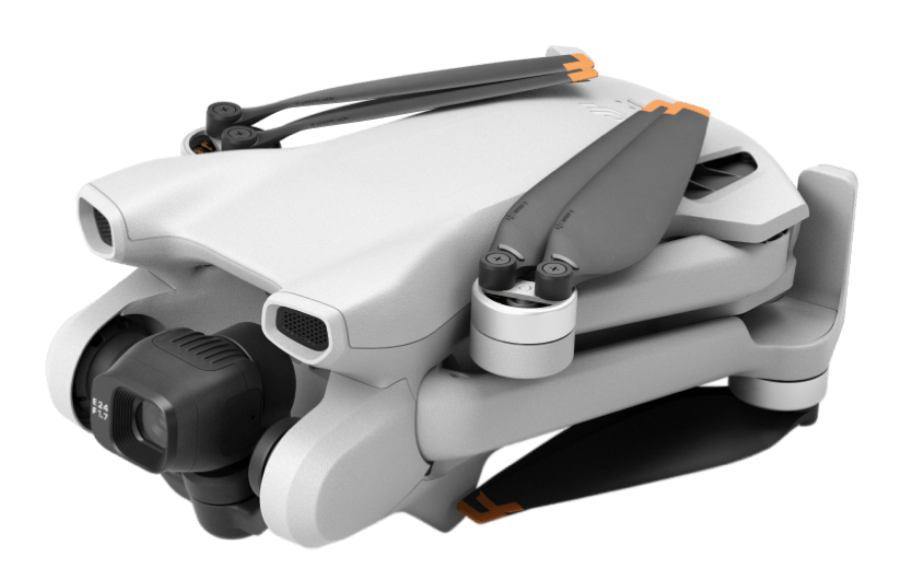
Weighing in at under 250 grams, the Mini 3 falls into a category that often doesn’t require registering with aviation authorities. Despite its compact size, the Mini 3 has a 1/1.3-inch sensor capable of shooting 4K HDR video. It also has features like dual native ISO for low-light performance.
This makes it perfect for travel and on-the-go content creation.
| Feature | DJI Mini 3 |
| Weight | Under 250 grams |
| Price | $419 |
| Camera Sensor | 1/1.3-inch CMOS |
| Max Video Resolution | 4K HDR |
| Flight Time | Up to 38 minutes (standard battery) |
| Transmission Range | Up to 10 km (FCC) |
| Controller | DJI RC-N1 (uses smartphone/tablet for display) |
| Intelligent Flight Modes | Yes (QuickShots, Panorama, etc.) |
| Low-Light Performance | Dual native ISO |
| Gimbal | 3-axis motorized gimbal for stabilized footage |
However, if you already have a remote controller either RC or RC-N1, you can buy just the drone for $339.
Great option for a powerful, portable, and easy-to-use drone under $500. Consider trade-offs, especially regarding the controller, to see if it meets your needs.
Source: DJI Store
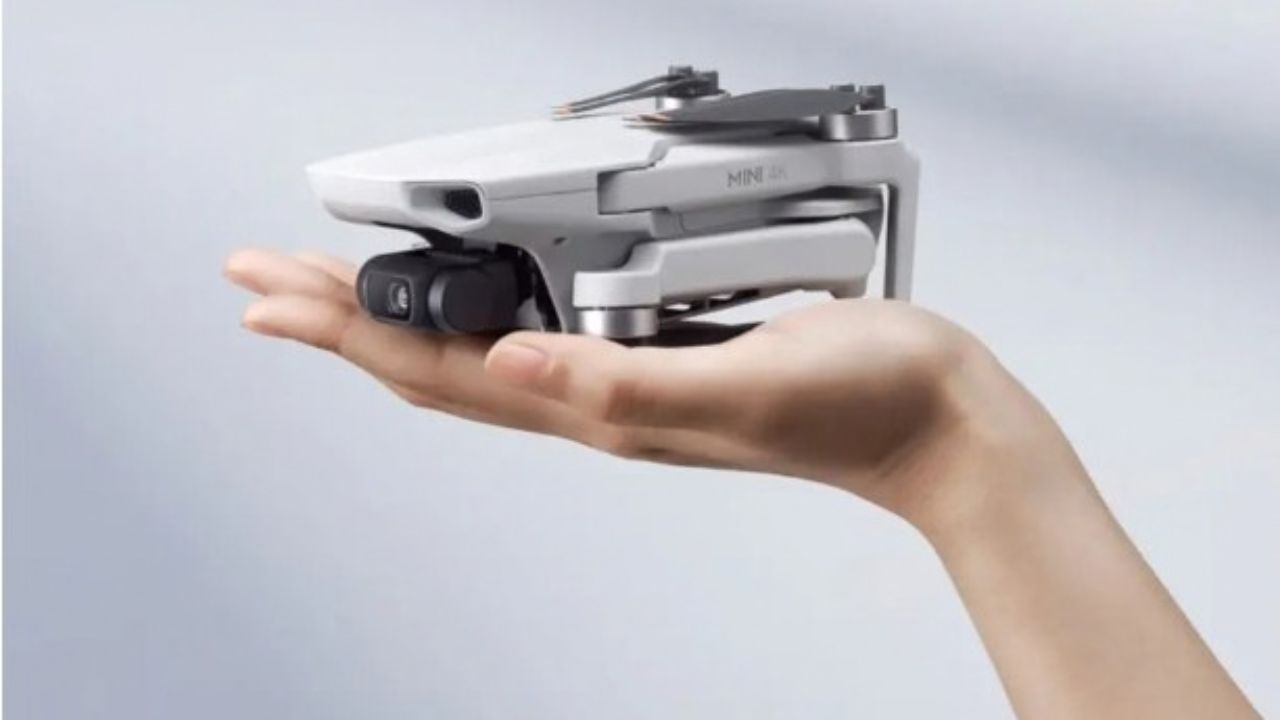
The DJI Mini 4K delivers a professional-grade 4K camera, a 3-axis mechanical gimbal, and 31 minutes of flight time in a frame weighing under 249 grams. It is the most recommended beginner drone in 2026 at this price point.
It is the drone most commonly recommended for first-time buyers in 2026, particularly at its current price. It shares the same reliable DJI flight system as the Mini 3 and Mini 2 SE but costs significantly less.
For first-time buyers who want a dependable DJI drone without spending $419, this is the pick.
| Feature | DJI Mini 4K |
| Weight | Under 249g, no FAA registration required |
| Price | $299 |
| Camera Sensor | 1/2.3-inch CMOS |
| Max Video Resolution | 4K/30fps |
| Gimbal | 3-axis mechanical gimbal |
| Flight Time | Up to 31 minutes |
| Transmission Range | Up to 10 km (DJI O2) |
| Wind Resistance | Level 5 (38 kph) |
| Intelligent Flight Modes | QuickShots, Panorama |
Source: DJI Store
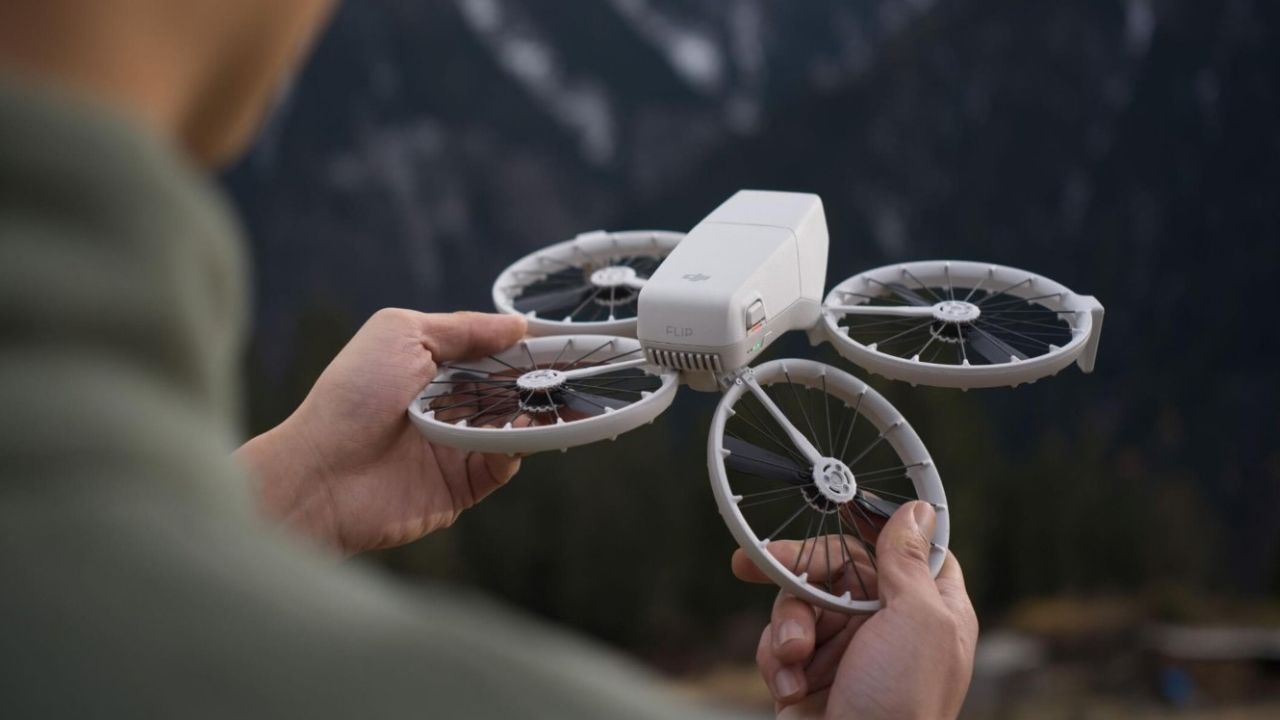
The DJI Flip is DJI’s first drone equipped with a foldable full-coverage propeller guard, making it ideal for aerial photography, everyday recording, and leisure activities. Featuring a 1/1.3-inch CMOS sensor, it captures stunning 4K/60fps HDR videos and 48MP photos with 10-bit D-Log M color mode (a professional color profile for post-processing).
For solo creators and vloggers who want the best camera under $500 with maximum safety, the Flip is the clear choice in 2026. When a beginner picks up the DJI Flip and gets acquainted with it, word spreads quickly.
The Flip earns that reputation by doing all the clever things that shorten the learning curve while producing footage that anyone would be glad to share immediately.
| Feature | DJI Flip |
| Weight | Under 249g, no FAA registration required |
| Price | $439 |
| Camera Sensor | 1/1.3-inch CMOS |
| Max Video Resolution | 4K/60fps HDR |
| Photo Resolution | 48MP |
| Gimbal | 3-axis mechanical gimbal |
| Flight Time | Up to 31 minutes |
| Transmission Range | Up to 13 km (DJI O4) |
| Propeller Guards | Foldable full-coverage carbon fiber |
| Intelligent Flight Modes | FocusTrack, QuickShots, MasterShots, Hyperlapse |
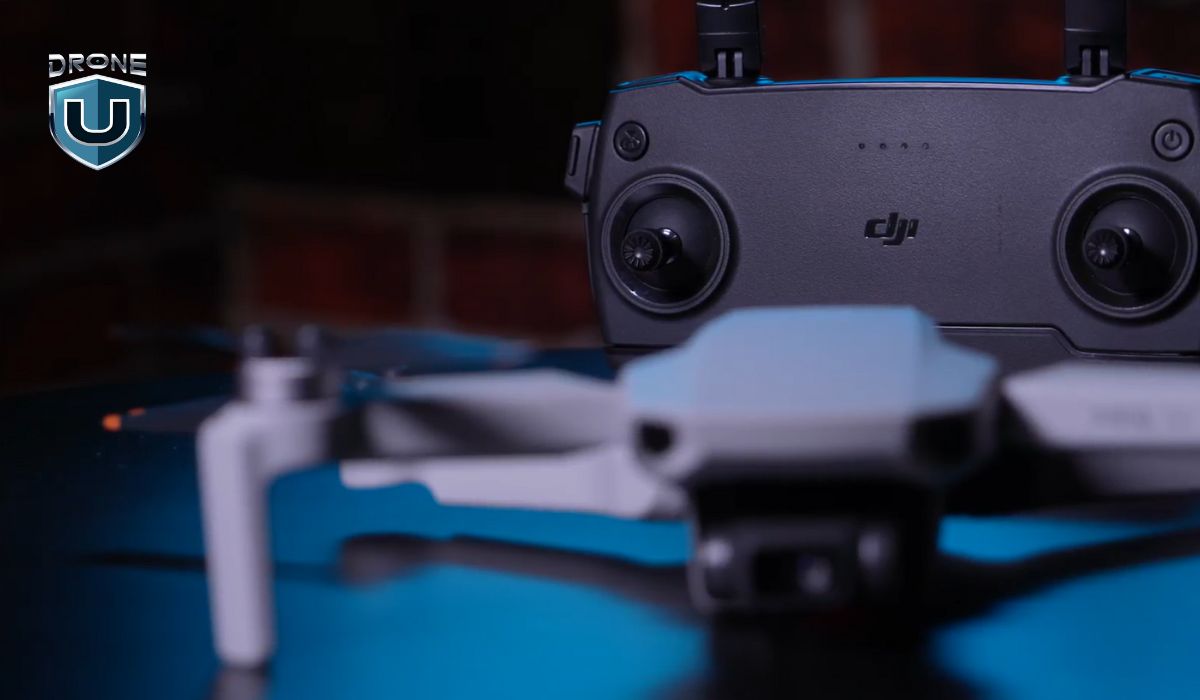
At under 249 grams, it falls into a weight class that exempts it from needing registration with the FAA in the US.
While it doesn’t record in 4K like the Mini 2, it shoots in 2.7K — still strong quality for most hobbyists and casual content creators.
You can expect around 31 minutes of flight time on a single battery, which is sufficient for most shooting sessions.
| Feature | DJI Mini 2 SE |
| Weight | Under 249 grams |
| Price | $279 |
| Max Flight Time | 31 minutes |
| Wind Resistance | Level 5 (up to 38 kph) |
| Camera | 1/2.3” CMOS sensor |
| Photo Resolution | 12MP |
| Video Resolution | 2.7K at 30 fps |
| Gimbal | 3-axis motorized gimbal for stable footage |
| Control Range | Up to 10 km (FCC) |
| Transmission System | Enhanced Wi-Fi. OcuSync 2.0 (DJI’s proprietary video transmission system) is not supported. |
| App | DJI Fly app for control and viewing |
| Intelligent Flight Modes | One-tap takeoff/landing, Return to Home (RTH), QuickShots, Panorama |
Source: DJI Store
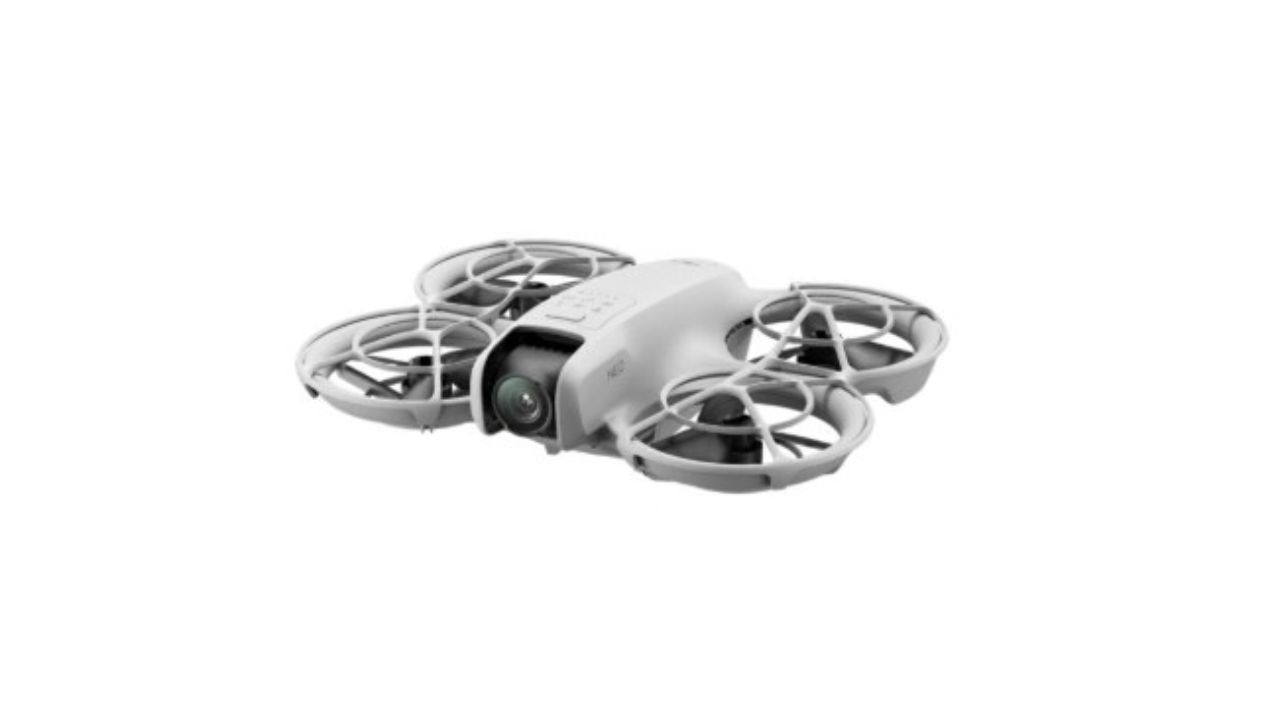
The DJI Neo weighs 135 grams, light enough that it does not require FAA registration or Remote ID in the US when flown recreationally. At just 135g with full-coverage propeller guards, Neo gracefully takes off from your palm and captures footage automatically.
It is the most beginner-friendly drone DJI makes and the most affordable entry point into the DJI ecosystem. A newer model, the DJI Neo 2, is now available at $409 with omnidirectional obstacle sensing and a larger sensor.
If your budget allows, the Neo 2 is worth considering. If you want the lowest-cost entry point into the DJI ecosystem, the original Neo at $199 remains the best value.
The original DJI Neo remains the best value at $199 for pilots who simply want to start flying with zero friction.
| Feature | DJI Neo |
| Weight | 135g, no FAA registration required |
| Price | $199 |
| Camera | 4K/30fps, 1/2-inch CMOS sensor |
| Gimbal | Electronic Image Stabilization (EIS) |
| Flight Time | Up to 18 minutes |
| Transmission Range | Up to 7 km |
| Propeller Guards | Built-in full-coverage guards |
| Control Options | Palm, app, voice, or optional RC-N3 controller |
| Intelligent Flight Modes | Follow, Circle, Rocket, Spotlight, Expanse, Custom |
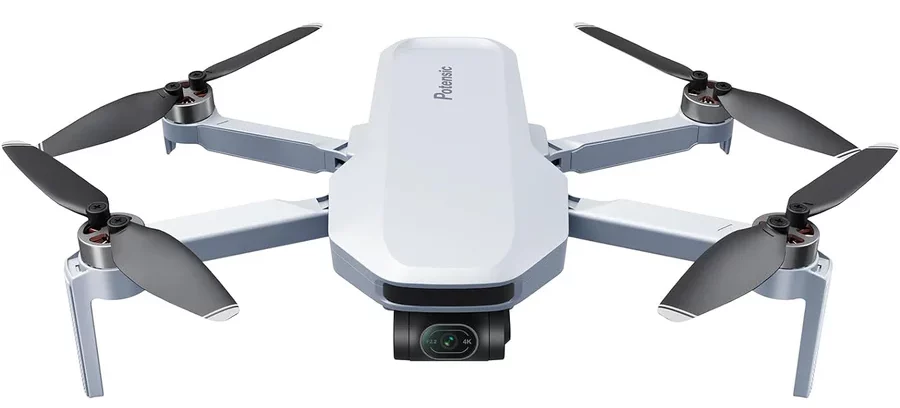
The Potensic Atom is a compelling option for beginners seeking a sub-$500 drone with a 4K camera, good flight time, and a long control range. The lightweight design and mechanical gimbal are big pluses.
At its current price of $249.99, it is one of the strongest value propositions in the sub-$500 category.
| Feature | Potensic Atom |
| Weight | 249 grams |
| Price | $249.99 |
| Max Flight Time | Up to 32 minutes |
| Camera | 12MP Sony CMOS sensor |
| Video Resolution | 4K at 30 fps |
| Gimbal | 3-axis mechanical gimbal for stable footage |
| Control Range | Up to 6 km (3.7 miles) |
| App | Potensic Pro app for control and viewing |
Here is a side-by-side comparison of all six drones covered in this guide.
| Drone | Weight | Camera | Flight Time | Best For | Price |
| DJI Mini 3 | Under 249g | 4K HDR, 1/1.3-inch | 38 min | Best overall | ~$419 |
| DJI Mini 4K | Under 249g | 4K, 1/2.3-inch | 34 min | Best value under $300 | ~$299 |
| DJI Flip | Under 249g | 4K/60fps HDR, 1/1.3-inch | 31 min | Best for vlogging | ~$439 |
| DJI Mini 2 SE | Under 249g | 2.7K, 1/2.3-inch | 31 min | Best entry-level DJI | ~$279 |
| DJI Neo | 135g | 4K/30fps | 18 min | Best for beginners | ~$199 |
| Potensic Atom | Under 249g | 4K, Sony sensor | 32 min | Best non-DJI budget pick | ~$249.99 |
Getting your hands on the perfect drone within a $500 budget requires careful consideration of various factors. Here are some essential tips to help you choose the right drone:
Determine what you value most in a drone. Are you looking for high-quality camera footage, extended flight time, or advanced features like GPS and obstacle avoidance? Knowing your priorities will help narrow down your options.
Think about where you will be flying your drone. Urban areas may require better obstacle avoidance and GPS stability, while rural areas may benefit from longer range and flight time. Weather conditions also play a role, so look for drones with features suited to your typical flying environment.
If photography or videography is your main goal, pay close attention to the camera specs. Look for drones with at least a 4K camera, good stabilization (such as a 3-axis gimbal), and features like HDR for better image quality.
Longer flight times and extended range enhance your flying experience. Drones with flight times around 30 minutes and ranges over 1 kilometer are ideal for most users. Consider drones with dual batteries for even longer flying sessions.
Extra features like intelligent flight modes (follow me, waypoint navigation), GPS return home, and obstacle avoidance can significantly enhance your drone experience. Ensure the drone offers features that align with your needs.
Customer reviews provide valuable insights into the real-world performance and reliability of drones. Look for consistent positive feedback and take note of any recurring issues mentioned by users.
Ensure the drone model you choose has good support from the manufacturer, including regular firmware and software updates. This ensures your drone remains up-to-date with the latest features and improvements.
While staying within your budget, try to get the best combination of features and performance. Sometimes spending a little extra can provide significantly better value in terms of camera quality or flight capabilities.
You can confidently select a drone that meets your needs and provides an enjoyable flying experience if you consider the mentioned points.
Finding the best drones under $500 is easier than ever with the variety of high-quality options available today.
Here are some handy recommendations to make the decision easier:
The right drone depends on your budget, experience level, and what you plan to film. Use the comparison table above to find the best match.
 2
2
Add Your Comment