
The Best Entry-Level Drone in 2025

November 5, 2025
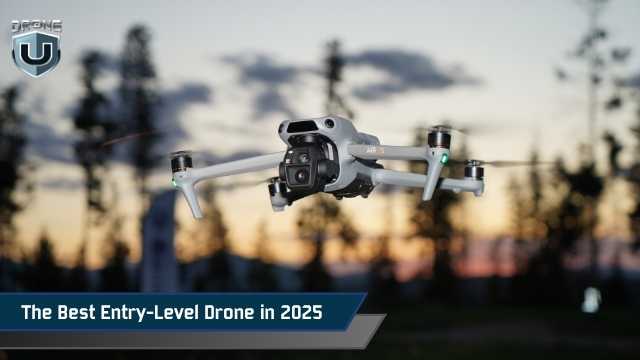
Ever wondered why so many professional pilots still fly “beginner” drones?
Turns out, you don’t need a flagship drone to fly like a pro. Many experienced pilots grab entry-level drones to practice, test new moves, or train their crews. Modern beginner drones are compact, capable, and loaded with smart tech that used to cost thousands.
If you’re a professional pilot looking for a lightweight, affordable, and dependable drone that still delivers solid performance, this guide is for you. We’ll break down what features actually matter, what to avoid, and which beginner models offer the best mix of value and reliability in 2025.
Alright, let’s dig into which entry-level drones deserve a spot in your flight bag.
You might think entry-level drones are just for beginners, but even experienced pilots can benefit from keeping one in their kit. Sure, high-end models come with bigger sensors, longer range, and advanced flight systems, but sometimes simpler really is better.
Here are some practical reasons to keep a beginner-friendly drone in your lineup.
When you’re testing a new camera angle, teaching an assistant pilot, or trying out a creative shot, it’s comforting to know that a mishap won’t cost thousands. Entry-level drones are lightweight, resilient, and forgiving of small mistakes. They’re ideal for skill-building, flight drills, and experimental shoots.
A compact sub-250 g drone can legally fly in more places with fewer regulatory restrictions. That means you can scout filming locations, check lighting conditions, or plan your route without hauling your main rig. It’s a practical way to prepare for professional shoots while staying compliant.
Having a reliable backup drone is essential. Entry-level drones are affordable, quick to deploy, and easy to maintain, perfect when your main drone is charging or in for service. Since spare parts and batteries are inexpensive, they make great secondary tools in the field.
Today’s entry-level drones aren’t toys. Many now shoot in 4K, offer GPS stabilization, and come packed with smart flight modes like QuickShots, Follow Me, and Return-to-Home. You can use them for client previews, social content, or smaller projects without sacrificing quality.
Choosing a “beginner” drone isn’t about finding something basic, but rather about practicality. While performance metrics are essential, you also have to identify the right balance between simplicity, safety, and smart design.
Here’s what to look for when evaluating an entry-level drone.
Drones weighing under 250 grams, such as the DJI Mini 4 Pro or Autel EVO Nano+, don’t require registration in many regions, including the U.S. and parts of the EU. That’s a huge advantage when you’re traveling or working on short notice. These ultra-light drones offer sufficient stability in windy conditions while staying nimble enough for tight spaces.
No one likes cutting a shot short because of battery limits. Look for drones offering at least 25 minutes of flight time per battery and quick-swap designs.
For example, the DJI Mini 2 SE can stay in the air for around 31 minutes and recharges quickly. Also, ensure that spare batteries are affordable and easy to find.
Even for practice or scouting, you’ll need good visuals. Go for 4K recording with at least a 1/2.3-inch CMOS sensor. Drones like the Potensic Atom SE and DJI Mini 3 produce crisp footage for social content or quick client previews.
Modern beginner drones are incredibly stable. Make sure your drone supports GPS and GLONASS for steady hovering and accurate control. Even simple models like the Ryze Tello demonstrate how reliable stabilization can help you focus on creative framing rather than constant corrections.
You know how easily things can go wrong in the field. Look for smart safety systems like Return-to-Home, auto takeoff and landing, and geofencing. Drones like the Mini 4 Pro even include omnidirectional obstacle avoidance, giving you an extra layer of protection in tight spaces.
A great entry-level drone should grow with you. Check for accessory compatibility (ND filters, extended range controllers), firmware support, and third-party app integration. That way, even as you upgrade, your beginner drone still serves as a capable backup or training unit.
Don’t just look at the price tag; look at what you’re getting for it.
A $400 drone with stable software, solid imaging, and easy repairs is worth more than a $250 model that drops signal every flight.
Reliability should always be your bottom line, even when you’re buying a “starter” drone.
Entry-level doesn’t mean entry-quality. When chosen wisely, a beginner drone can become a dependable training partner, a reliable scouting tool, and even a creative backup for commercial work.
Wondering which beginner drones actually live up to the hype? Let’s explore some of the best entry-level drones worth adding to your toolkit.
Choosing the right entry-level drone may start with checking out the specs, but more importantly, you need a model that fits your workflow, environment, and expectations.
Here are the top 5 entry-level drones that professionals frequently recommend for training, scouting, or light commercial work.
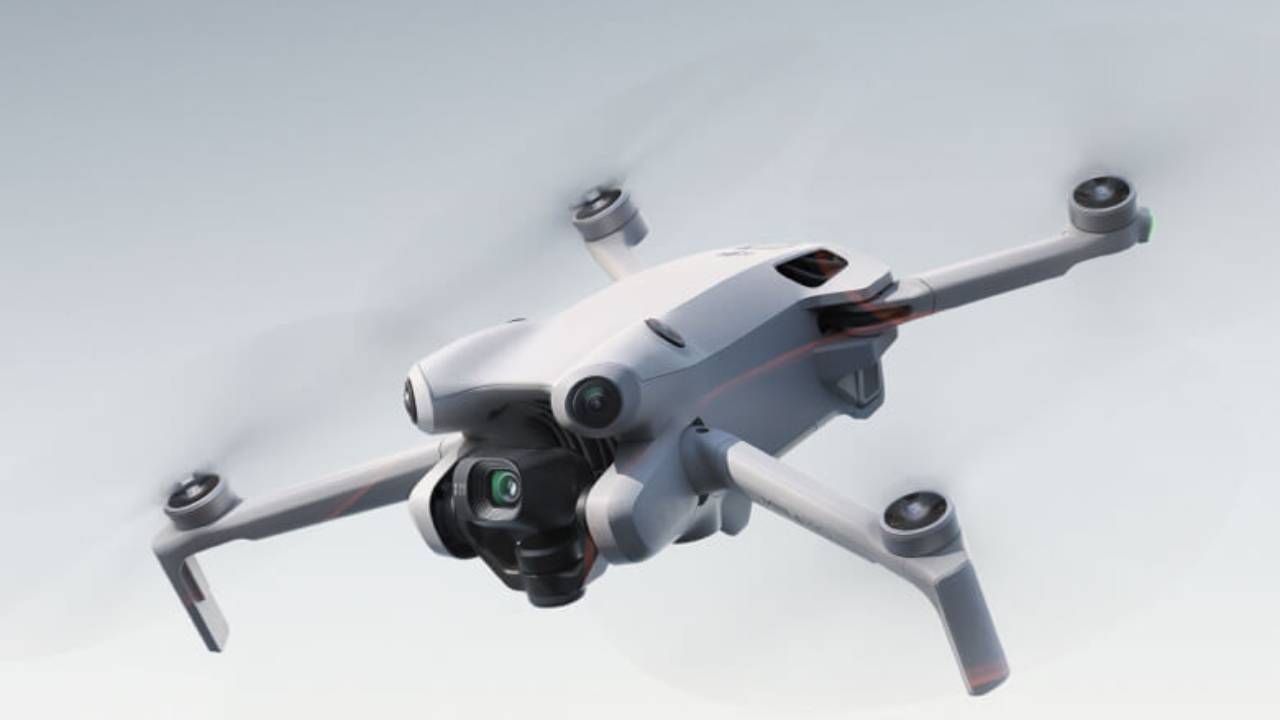
Source: DJI
If there’s one drone that redefines what “entry-level” can do, it’s the DJI Mini 4 Pro. Weighing just under 249 grams, you can fly it freely in many regions without registration hassles.
It comes with a 1/1.3-inch CMOS sensor, shoots 4K at 100fps, and offers 48MP stills, features that used to be reserved for much larger models. Its omnidirectional obstacle sensing and advanced Return-to-Home (RTH) make flying feel effortless, even in tricky environments. Whether you’re scouting locations or shooting quick client previews, the Mini 4 Pro is a dependable travel-ready companion.
Key Features:
Best for: Professionals needing a highly portable yet powerful secondary drone.
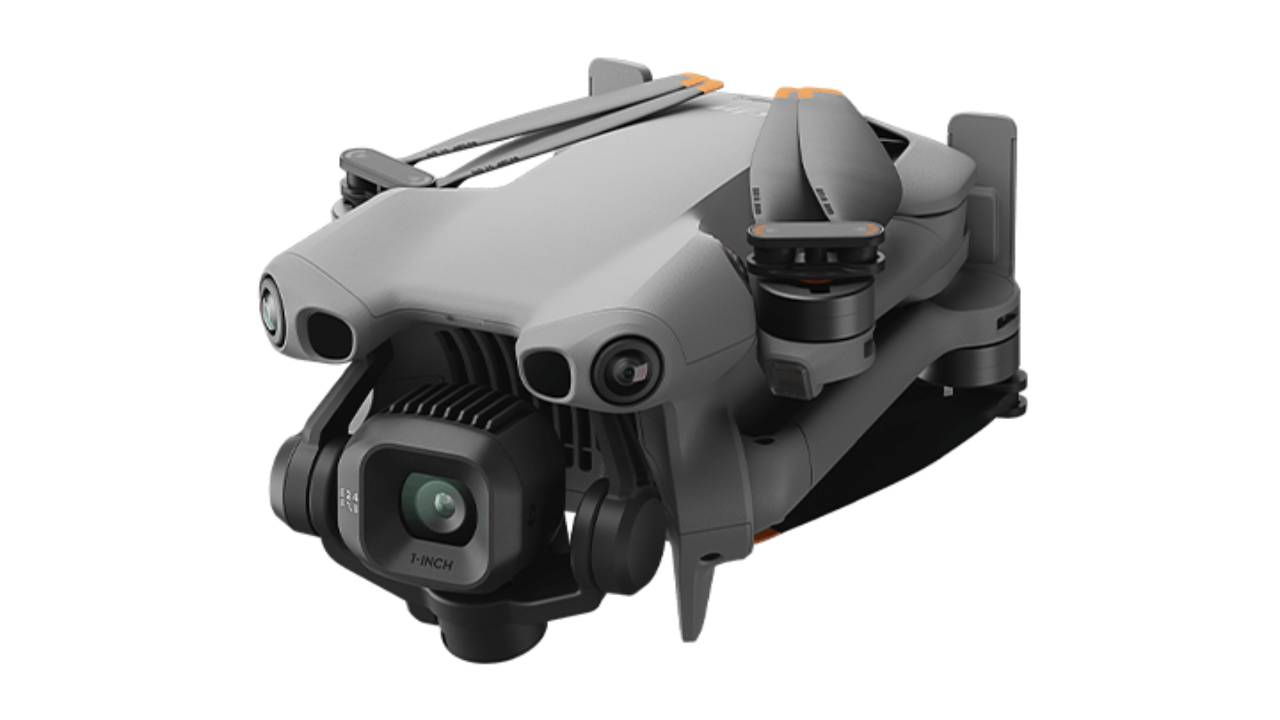
Source: DJI
If you love the Mini 4 Pro but crave more power, the Mini 5 Pro is your next step up. Still under 250 g, it packs a 1-inch CMOS sensor, 4K/120fps video, and stunning low-light performance. These features make it the most capable sub-250g drone on the market in 2025.
The redesigned gimbal lets you shoot from more creative angles while holding steady in strong winds. It also includes an upgraded AI tracking and richer color profiles that make your footage look straight out of a cinema-grade rig.
Key Features:
Best for: Professionals who want the smallest drone that can still deliver cinematic results without licensing hassles.
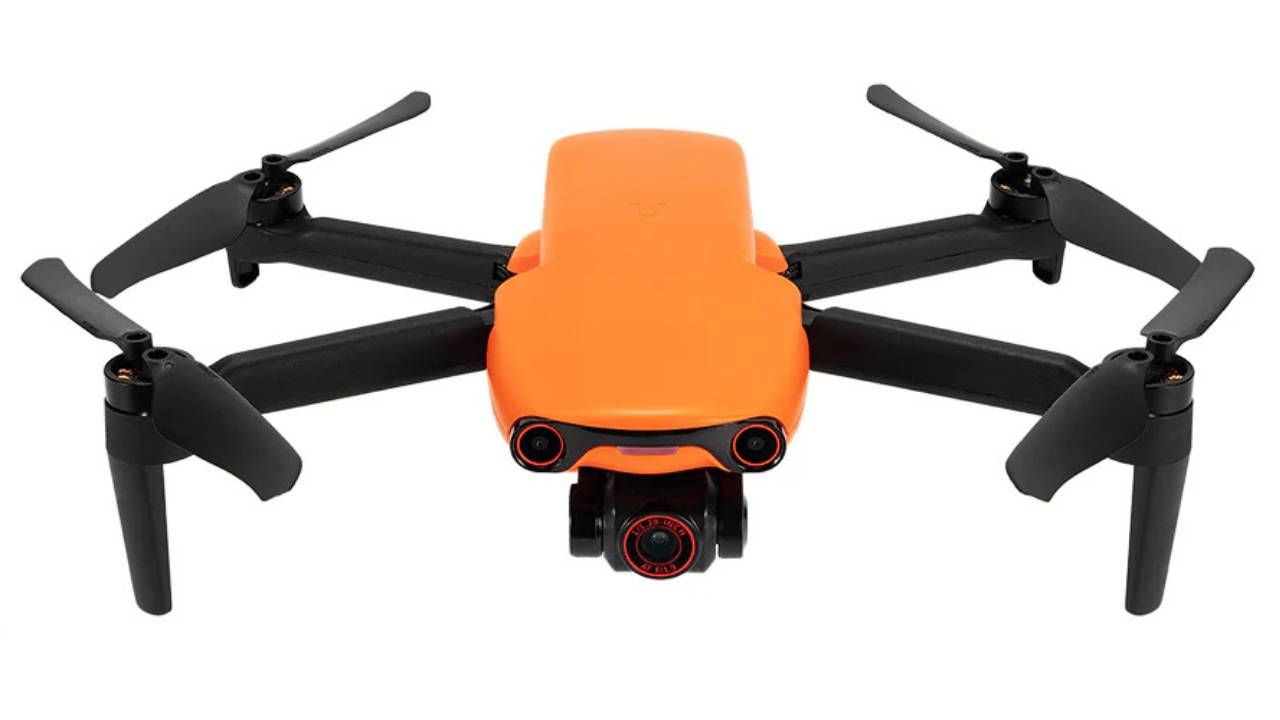
Source: Autelpilot
The Autel EVO Nano+ proves that small can still mean powerful. Its 1/1.28-inch 50MP sensor uses an RYYB color filter, giving you more light and better detail than most small drones. You’ll notice the difference, especially in dawn or dusk shots.
Autel’s Sky app feels polished and gives you complete manual control, letting you fine-tune exposure and color like you would on a DSLR. And since it shoots RAW photos, you can push the edits in post without losing quality.
Key Features:
Best for: Pilots who prioritize color accuracy and want to stand out from DJI’s ecosystem.
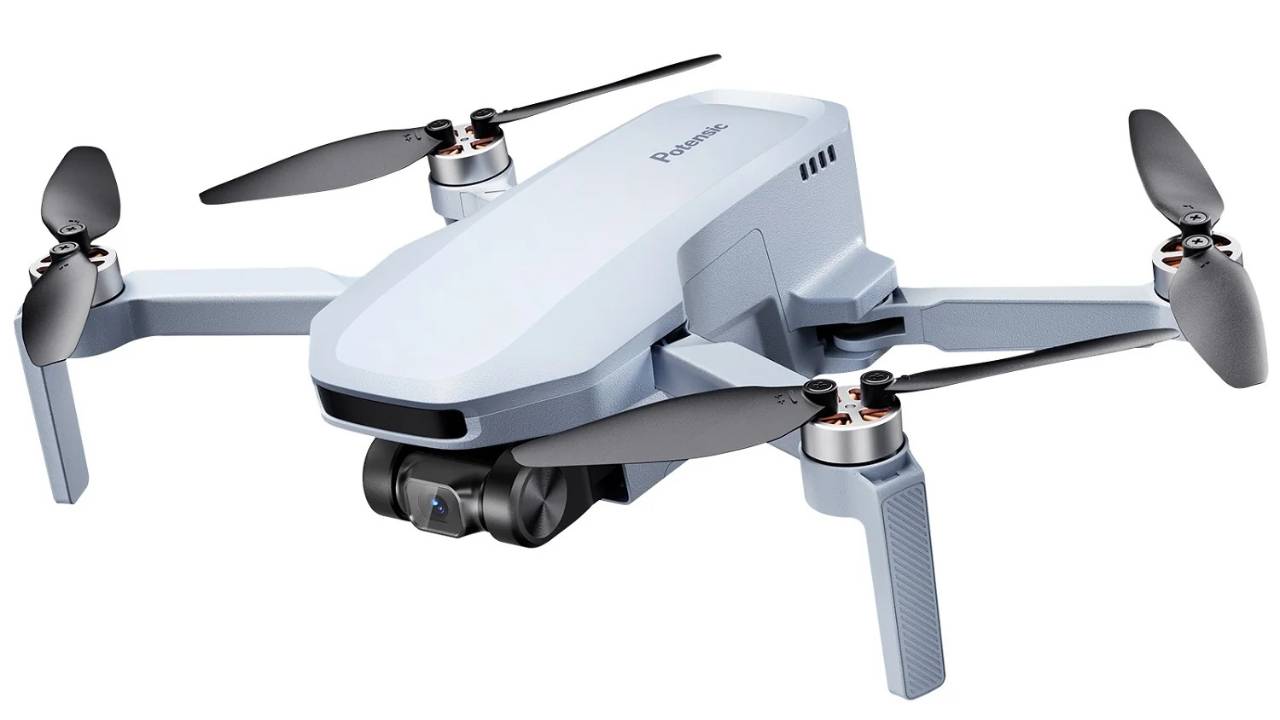
Source: Potensic
For professionals who want something affordable yet reliable, the Potensic Atom SE delivers exceptional value. It folds compactly, flies steadily, and records 4K/30fps video, making it perfect for quick scouting, training sessions, or secondary shoots.
Its 31-minute flight time and GPS-assisted stabilization make it surprisingly capable for its price. It doesn’t have obstacle sensors, so you’ll want open airspace, but for the cost, it’s an unbeatable value for routine practice or backup use.
Key Features:
Best for: Professionals on a budget who need a rugged, no-fuss practice or scouting drone.
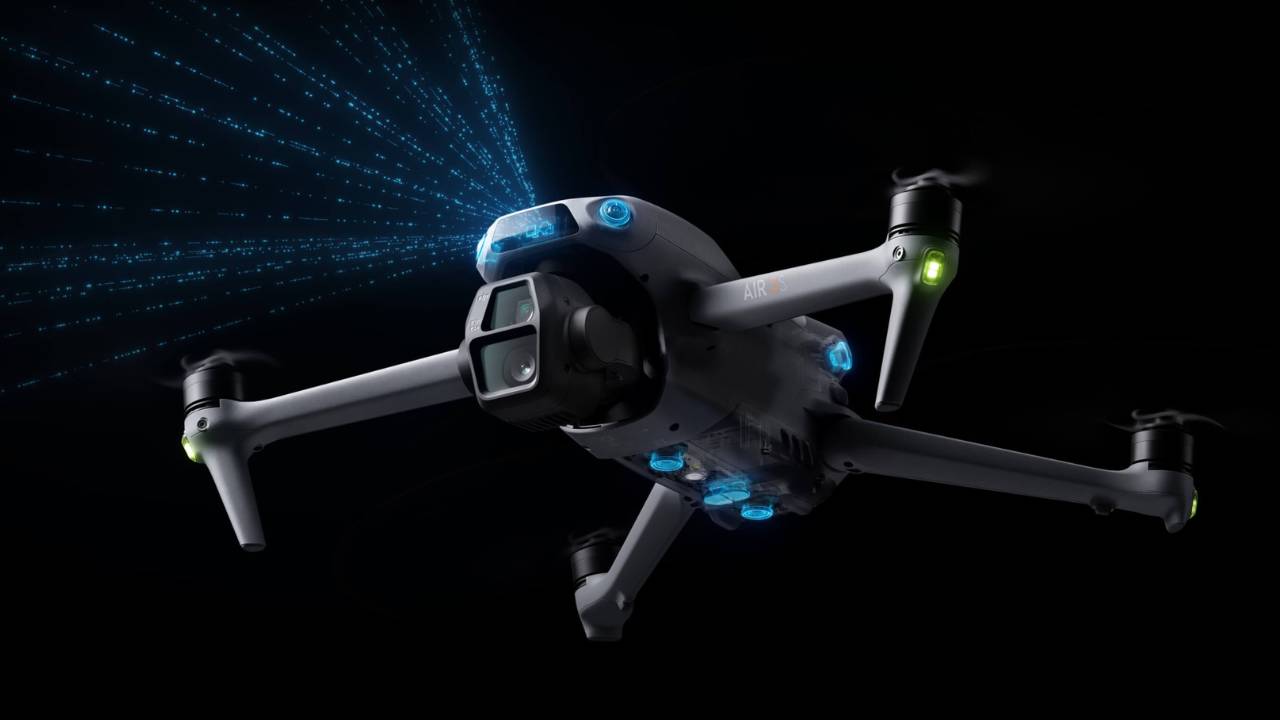
Source: DJI
Though technically above the “beginner” category, the DJI Air 3S deserves mention for pros seeking an all-purpose aircraft that’s easy to transition into. It features dual cameras (1-inch and 1/1.3-inch sensors), 45-minute flight time, and powerful image processing.
This makes it an ideal upgrade once you’ve outgrown sub-250g drones or need something for semi-commercial projects. The Air 3S offers a taste of professional performance without the intimidating complexity of enterprise drones, such as the Mavic 3 Pro or Inspire series.
Key Features:
Best for: Pilots who want to transition from entry-level to full professional use without a steep learning curve.
| Drone model | Max Flight Time | Camera Sensor | Video Resolution | Ideal Use | Price Range |
| DJI Mini 4 Pro | ~34 min | 1/1.3” CMOS, 48MP | 4K/100fps | Scouting, training, quick pro shots | $629-$949 |
| DJI Mini 5 Pro | ~36 min | 1” CMOS, 50MP | 4K/120fps | Cinematic work, pro-grade output | $759 – $1,749.99 |
| Autel EVO Nano+ | ~28 min | 1/1.28” CMOS, 50MP | 4K/30fps | Color-accurate aerials | $679 |
| Potensic Atom SE | ~31 min | 1/3” CMOS, 12MP | 4K/30fps | Training, practice, scouting | $279.99 |
| DJI Air 3S | ~41 min | Dual: 1” + 1/1.3” CMOS | 4K/60fps | Semi-pro and transitional use | $1,029 – $ 1,469 |
Next, let’s determine which drone best fits your flying style and goals.
Choosing the right entry-level drone isn’t about hunting for the “best” specs; it’s about matching the drone to how you actually fly. Once you understand your flying style and goals, the right choice usually becomes obvious. Here’s a quick framework to help you decide.
Ask yourself what you need the drone for.
Your goal determines your gear, not the other way around.
If you’re familiar with flying DJI, Autel, or Skydio drones, staying within that brand saves you time and avoids confusion.
The app interface, flight modes, and maintenance routines feel second nature, so you can focus on flying, not re-learning controls.
You don’t need to overspend to get great results. Instead, think of your beginner drone as an investment in flight time. Choose a model that gives you confidence now but also grows with you. One with accessory support, software updates, and repair options.
Think of it as your training platform, where you can fly confidently and replace or upgrade later.
Before buying a drone, check the drone’s weight and the FAA rules that apply to you. In the U.S., drones weighing less than 250 g (like the Mini 4 Pro and Mini 5 Pro) don’t require FAA registration for recreational use. They’re easier to travel with and perfect for quick setups.
If you plan to fly commercially, you’ll need a Part 107 Remote Pilot Certificate.
In short, choose a drone that matches what you need right now and helps you fly more often, learn faster, and stay confident in the air.
Choosing your first drone isn’t about getting the most features. It’s about finding a drone that helps you build fundamental flying skills. Models like the DJI Mini 4 Pro, Mini 5 Pro, or Autel EVO Nano+ give you enough control to learn while maintaining simplicity and safety.
Start small, learn fast, and fly often. Every professional pilot begins with a drone that teaches them the ropes. Make yours the one that helps you grow with every flight.
Ready to Level Up Your Skills?
The right drone is just the beginning. Take your flying to the next level with Drone U’s hands-on training and online courses, built by pilots, for pilots.
Explore courses here: Drone U Training Programs
 1
1