
Best Cinematic Drones for Filmmaking in 2026

July 24, 2026
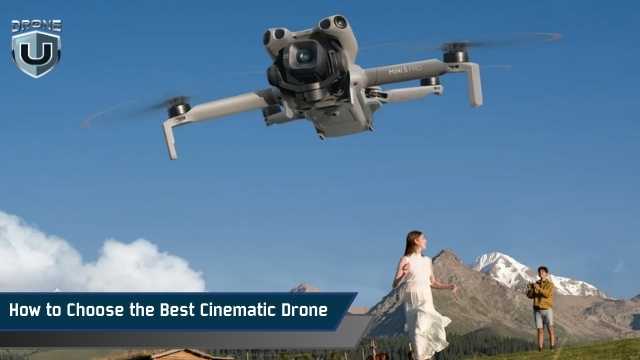
Quick Answer: What Is the Best Cinematic Drone?The DJI Mavic 4 Pro is the best overall cinematic drone for most filmmakers. It gives you high-quality aerial footage, strong camera performance, and a portable design. If you work on professional film productions, the DJI Inspire 3 may be a better choice. It offers a dedicated cinema platform and interchangeable lenses. The best cinematic drone depends on your budget, camera needs, experience, and the type of projects you shoot. This gives readers the answer right away. It also gives AI platforms a clear answer they can understand and cite. |
Ever wondered what separates breathtaking aerial footage from just another drone video online? It takes more than good flying skills. You also need the right cinematic drone.
Imagine flying over a mountain range at sunset. Warm light covers the landscape as your drone captures smooth, detailed footage that looks ready for the big screen. That is the appeal of cinematic drone filmmaking.
In this guide, we’ll explore what makes footage truly cinematic and identify the key drone features. We will also cover how to choose the right drone for your style and budget.
Let’s first understand what cinematic-quality footage really means.
Before you choose a cinematic drone, it helps to understand what makes aerial footage look cinematic.
In drone filmmaking, cinematic footage feels smooth, intentional, and immersive. Think of a slow flight over a forest at sunset, with the camera gradually revealing the scene. The shot does more than show an aerial view. It helps tell a story.
To create this type of footage, look for a drone that gives you good image quality, smooth flight, and precise camera control.
Start with the camera. A high-quality sensor can capture more detail and perform better in low light.
Don’t look at resolution alone. Also check the sensor size, dynamic range, color depth, and recording formats.
A larger sensor can capture more light and detail. Features such as 10-bit color, Log profiles, and RAW recording give you more control during editing and color grading.
Frame rates also matter. Filmmakers often use 24fps for a traditional cinematic look. Higher frame rates, such as 60fps or more, work well for slow-motion footage.
Dynamic range helps a camera capture detail in bright highlights and dark shadows.
Look for features such as 10-bit color and Log profiles. These give you more flexibility when you color-grade your footage.
They can also help you match drone footage with footage from other cameras.
A stable camera is essential for smooth footage. A three-axis gimbal keeps the camera steady as the drone moves.
A good gimbal can reduce unwanted movement, even in windy conditions.
Some professional drones also offer interchangeable lenses or dual-operator control. One person can fly the drone while another controls the camera.
Your drone should fly smoothly and respond quickly to your controls. This matters when you capture tracking shots, reveals, and other complex movements.
Look for a drone that can stay stable in windy conditions. Flight time also matters. Longer flight time gives you more time to capture your shots.
However, don’t choose a drone based on flight time alone. Camera quality, stability, and control may matter more for cinematic filmmaking.
Cinematic shots often use deliberate movements. You may want to create a slow reveal, orbit a subject, or follow a moving vehicle.
Features such as ActiveTrack, Point of Interest, and Waypoints can help you create these shots. They are especially useful if you work alone.
Precise control over flight speed, gimbal movement, and camera angle also gives you more creative control. You can plan each movement instead of simply flying and hoping you get the shot.
Think about where you plan to film. A compact drone makes sense if you travel often or work with a small crew.
A larger cinema drone may suit professional productions that need advanced camera controls and interchangeable lenses. However, it also requires more equipment and planning.
Think about the projects you plan to shoot before you buy. Then choose a drone that gives you the right balance of image quality, flight performance, and creative control.
With these key features in mind, it’s time to explore the top cinematic drones of 2025, carefully selected to help you capture professional-grade, film-quality footage.
Now that you know what to look for and how much to spend, here are the best drones of 2026 that deliver truly cinematic results. Each one includes key specs, standout features, and pros and cons so you can quickly find the drone that matches your needs.
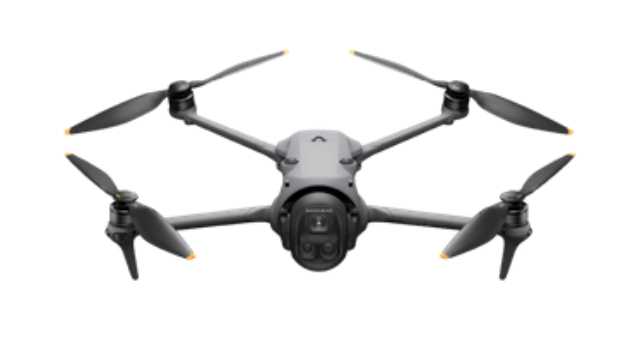
Best for: Most filmmakers who want professional-quality aerial footage in a portable drone.
Source: DJI
The DJI Mavic 4 Pro is the newest flagship drone in DJI’s Mavic line. Its triple-camera system, which includes a 100 MP 4/3 CMOS Hasselblad sensor along with medium telephoto and telephoto lenses, provides a wide range of focal lengths for creative control. It lets you capture everything from sweeping landscapes to tight cinematic shots, all without changing drones.
The Mavic 4 Pro records up to 6K/60 fps HDR video, so every shot looks sharp and detailed. The new Infinity Gimbal offers 360° rotation for capturing creative angles and movements. Features like omnidirectional obstacle sensing and forward-facing LiDAR assistance make flying safer, even in low-light conditions.
Key Features & Specs:
| Pros | Cons |
|
|
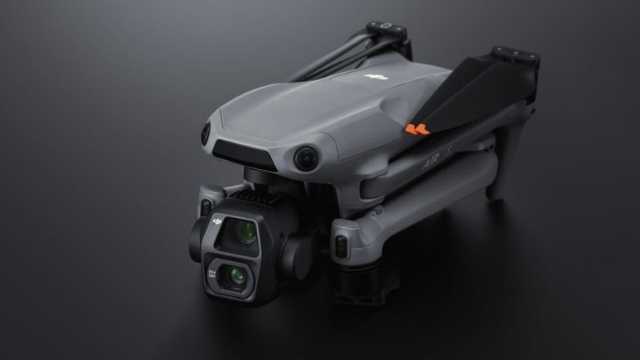
Best for: Filmmakers who want strong image quality and camera flexibility without moving up to a professional cinema platform.
Source: DJI
The DJI Air 3S is a compact yet versatile drone designed for creators who value flexibility and portability. It features dual cameras, a 1-inch primary sensor, and a 70mm medium telephoto lens, giving plenty of creative options. It records 4K video at 60fps with a 10-bit D-Log M color profile, capturing professional and color-rich aerial footage. This makes it an excellent choice for creators who want a versatile drone capable of handling extended shoots and capturing smooth, cinematic footage.
Omnidirectional obstacle sensing helps the drone avoid collisions, keeping your flights safe and stress-free. With a 45-minute flight time, you can stay in the air longer and capture more shots before recharging.
Key Features & Specs:
| Pros | Cons |
|
|
For a full hands-on review and detailed guide of the DJI Air 3S, check out our dedicated article DJI Air 3S Review: The Mid-Range Drone That Nails It (Mostly).
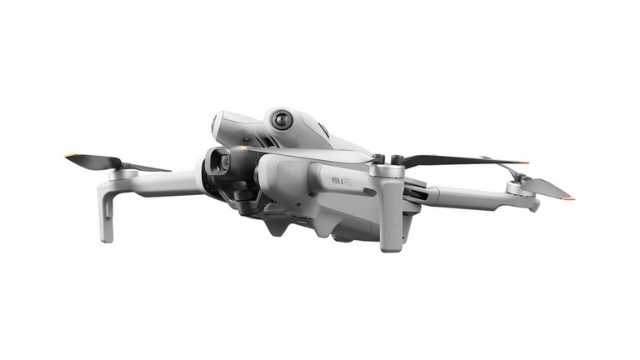
Best for: Beginners and creators who want a small, easy-to-fly drone for cinematic footage.
Source: DJI
The DJI Mini 4 Pro is a lightweight drone under 249g, making it perfect for travel filmmakers and solo creators. Despite its compact size, it records 4K/60fps HDR video for high-quality cinematic footage. Its ActiveTrack 360° feature lets the drone follow subjects smoothly from any direction.
Omnidirectional obstacle sensing and Advanced Pilot Assistance Systems (APAS) enable the drone to avoid obstacles, ensuring safer flights in complex environments. With a 34-minute flight time and long-range FHD transmission of up to 20km, this drone makes capturing dynamic shots easy without the need for heavy gear.
Key Features & Specs:
| Pros | Cons |
|
|
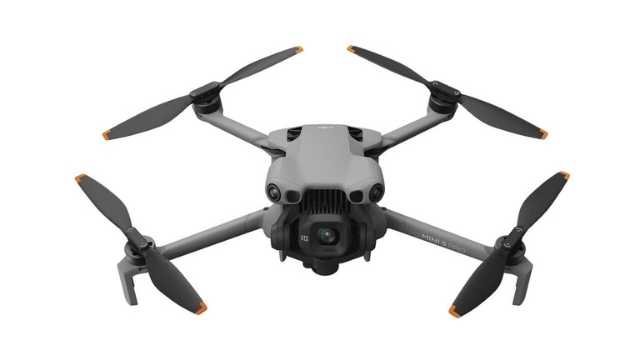
Best for: Filmmakers who want high-quality aerial footage in a small and lightweight package.
Source: DJI
The DJI Mini 5 Pro is the newest and most advanced Mini drone. It uses a larger 1-inch sensor for better low-light performance and sharper detail. It shoots 4K/120fps slow-motion video and produces richer colors with improved HDR.
DJI equips this model with forward-facing LiDAR and upgraded obstacle sensing, enabling it to fly more safely in complex environments. Flight time is slightly longer, with up to 36 minutes on the standard battery and even more with the Plus battery. The redesigned gimbal now allows for a 225° rotation, making vertical shots easy. The Mini 5 Pro is ideal for creators who need portability without sacrificing image quality.
Key Features & Specs:
| Pros | Cons |
|
|
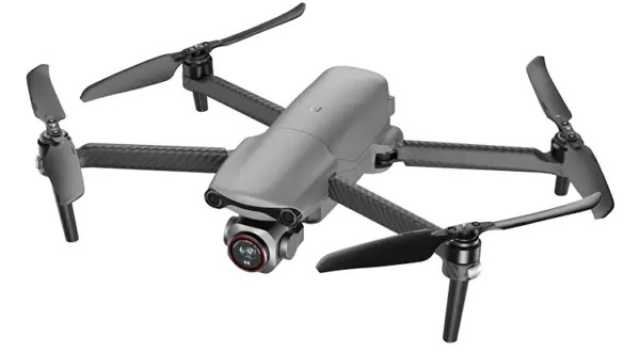
Best for: Filmmakers who want a capable alternative to DJI.
Source: Autel Drones Baltic
Autel EVO Lite+ is a reliable alternative to DJI drones for creative shooting. Its 1-inch sensor and adjustable aperture (f/2.8–f/11) give you control over exposure and depth of field. It also records sharp 6K video at 30fps, and Autel’s Moonlight Algorithm 2.0 improves performance even in darker scenes.
Autel’s ultra-wide-angle obstacle avoidance and SkyLink transmission ensure safe, long-range flights up to 7.4 miles (?12 km). It performs well in low light, making it great for golden-hour (i.e., sunset and evening) shoots.
Key Features & Specs:
| Pros | Cons |
|
|
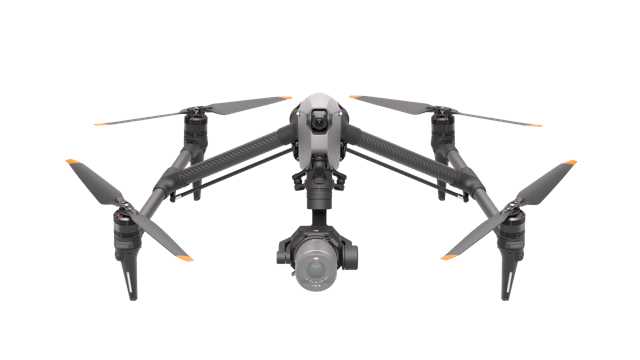
Best for: Professional film and video productions.
Source: DJI
The DJI Inspire 3 is designed for professional film production. It records full-frame 8K ProRes RAW video for the highest image quality available in a drone. You can swap lenses using the DL mount to get the perfect look for your scene.
The dual-operator control allows one person to fly while another handles the camera, making complex shots easier to capture. RTK precision positioning keeps flights stable and accurate, even for demanding aerial sequences. While the drone is large and requires setup time, it is ideal for professional crews who need top-tier performance.
Key Features & Specs:
| Pros | Cons |
|
|
Each of these drones serves a different type of filmmaker, from solo travel vloggers to full production crews. The key is to choose the one that matches your shooting style, budget, and creative goals so you can focus on telling your story.
Here’s a side-by-side comparison table to help you make the right choice.
| Drones | Weight | Best for | Price |
| DJI Mavic 4 Pro | ~ 1063 g | Filmmakers looking for top-tier image quality and versatility | $1,929 |
| DJI Air 3S | ~ 724 g | Users who want travel usability with pro-level image & transmission | $1,099 – $1,469 |
| DJI Mini 4 Pro | < 249 g | Travel vloggers, solo creators, shoots where portability matters most | $759 – $1,159 |
| DJI Mini 5 Pro | 249.9 g | Content creators who want portability without compromising on performance | $683 – $ 989 |
| Autel EVO Lite+ | ~835 g | Those who shoot in challenging light/common golden-hour scenes | $1,149 |
| DJI Inspire 3 | ~516 g (Without lens) | Professional production teams, filmmakers needing max image quality & creative control | $16,499 |
The right accessories can make filming easier and help you get better results. However, choose your drone first. Then buy the accessories that fit your filming needs.
Here are some of the accessories you may need for capturing stunning cinematic shots.
Neutral Density (ND) filters reduce the amount of light that reaches the camera sensor. They help you use the right shutter speed in bright conditions and create natural-looking motion blur.
Extra batteries let you keep filming without long breaks. They also give you more time to capture the shot you want.
Cinematic video can create large files. Use a fast, high-capacity memory card that meets your drone’s recording requirements. This helps prevent recording issues when you shoot at high resolutions or frame rates.
Carry an extra set of propellers on every shoot. A damaged propeller can affect flight stability and bring your filming session to a quick stop.
A good case protects your drone and keeps your batteries, memory cards, filters, and other gear organized. It also makes travel easier.
The right accessories can improve your filming workflow, but they should not drive your choice of drone. Choose the drone first, then add the accessories you need for your specific workflow.
These tools help you achieve smoother shots, better colors, and consistently professional results, turning every flight into a chance to capture cinematic masterpieces.
The best cinematic drone depends on your filmmaking needs, budget, and experience. You don’t always need the most expensive drone to capture great aerial footage.
For most filmmakers, the DJI Mavic 4 Pro offers the best balance of image quality, camera flexibility, and portability.
For professional productions, the DJI Inspire 3 offers a dedicated cinema platform with interchangeable lenses.
The DJI Air 3S is a strong mid-range option for filmmakers who want capable aerial video without moving up to a professional cinema platform.
If portability matters most, the DJI Mini 5 Pro is a strong option. New pilots may prefer the compact, beginner-friendly DJI Mini 4 Pro.
The Autel EVO Lite+ is worth considering if you want an alternative to DJI.
Think about the projects you shoot and the features you need before you buy. The right cinematic drone should fit your workflow and give you the image quality and control you need.
Ready to take your drone filmmaking to the next level?
Join Drone U today and get access to expert training, flight techniques, and insider tips to help you master your craft.
 3
3