
Complete Guide to BVLOS and Remote Drone Operations (2025)
August 4, 2025
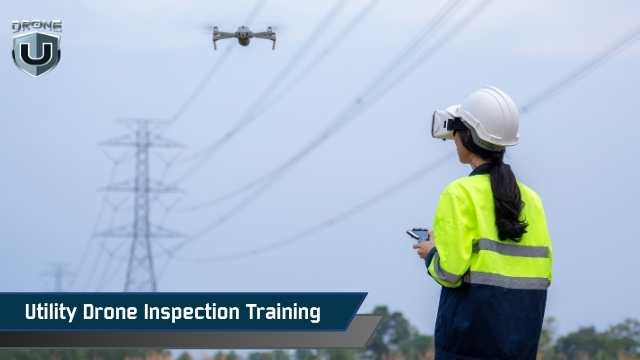
Air-based operations such as surveying miles of pipelines or traffic patterns would require multiple pilots, weeks of coordination, and ample training to fly a drone far beyond your line of sight. That’s a liberty that most operators simply don’t have.
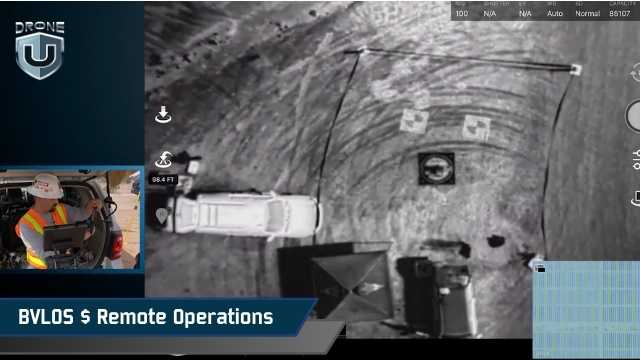
However, it is now possible to fly a drone much further than your line of sight from a single location. This is thanks to Beyond Visual Line of Sight (BVLOS) and remote operations, the next development in drone operations within the United States.
A new executive order signed by President Trump directs federal agencies to prioritize U.S.-made drones and invest in technologies that support automated, long-range operations.
With the Federal Aviation Administration (FAA) finalizing a dedicated BVLOS rule and Remote ID being active nationwide, BVLOS is now the standard for industries relying on aerial data, including energy, infrastructure, emergency response, and environmental science.
If you’re a drone pilot, team leader, or decision-maker, you must be familiar with BVLOS and how this changes your operations. It takes the right drone, knowledge, and training to fly in today’s skies, and these aspects are what we’re here to discuss today.
In this article, we’ll learn how BVLOS works and what its rules are, examine the technology behind it, and discuss how to obtain the necessary training. We’ll also cover the common mistakes that trip people up, so you don’t make them.
Key Takeaways
FAA Waiver for BVLOS & Remote Operations
The rules for flying BVLOS are not fully established, but that doesn’t mean you can ignore them. Instead, staying ahead of these changing rules is one of the smartest things you can do right now.
Let’s first take a closer look at the existing rules, starting with Part 107.
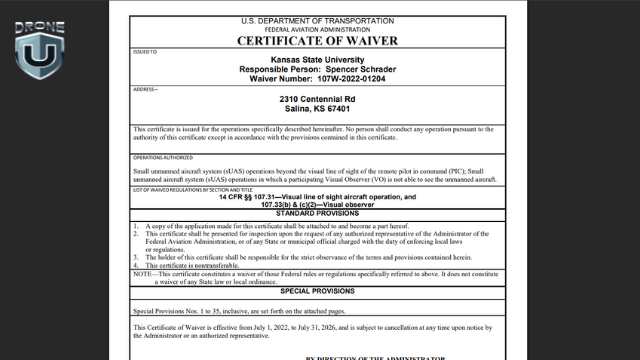
Under Part 107 regulations, the FAA requires drone pilots or a visual observer positioned further out to keep their aircraft within visual line of sight at all times. However, BVLOS flights, where the drone is beyond the line of sight of either the operator or observer, require a special waiver from the FAA.
To obtain a BVLOS waiver, you need to show that your aircraft has Detect and Avoid (DAA) capability, meaning that it can detect and avoid other aircraft. You also need to demonstrate that your drone can handle communication loss and emergency procedures.
Overall, the FAA expects a detailed safety case and real-world flight data to prove your aircraft is ready to fly.
The FAA is working on Part 108, a new rule made specifically for BVLOS operations. It’s designed to create national standards and outline safety requirements, pilot certifications, and performance thresholds for aircraft used in long-range flights.
While the rule isn’t final yet, it’s already in motion.
On August 5, 2025, the FAA released the much-awaited draft of Part 108, the new set of rules that will define how BVLOS flights work in the U.S.
Right now, most BVLOS missions require a special FAA waiver, which can take months to approve. Part 108 is meant to replace that process with clear, national standard rules so more pilots and companies can fly long-range drone missions.
Here are the key elements from the draft:
The FAA invites public feedback on the draft. The comment period is open for 60 days from August 5, ending around October 4, 2025.
In the U.S., Remote ID works like a digital license plate for drones. It allows regulators, law enforcement, and other airspace users to see who’s flying, where they’re flying, and what drone they’re using.
It broadcasts real-time information about your drone’s identification, location, and altitude, along with the pilot’s location and emergency status.
For any BVLOS operations, Remote ID is very important. It creates transparency and accountability when drones are flying beyond the pilot’s line of sight.
If you’re wondering how these regulations compare globally, then the United States isn’t alone.
In Canada, certain BVLOS operations are allowed with the right training and equipment. The European Union, under EASA, uses a risk-based framework that includes BVLOS as part of its “specific” and “certified” categories.
The bottom line is that BVLOS is becoming the global standard, and the U.S. is actively working to catch up.
While the FAA continues to work on the Part 108 rule, a new bill called the LIFT (Leading innovation in Future Technologies) Act was introduced in Congress on 25 July 2025.
This legislation aims to speed up the approval process and integration of routine BVLOS operations across the United States.
Although the bill is yet to be passed as a law, this act reflects the growing awareness that BVLOS is the key to unlocking the next era of drone innovation.
So, What Does This Mean for You?
If you’re just flying VLOS today, but your long-term goals include remote operations or autonomous operations, now is the time to start looking into Part 108 and what will be required of you to fly BVLOS operations.
The executive order signed in June 2025 marks the most significant policy shift in American drone operations since Part 107. It addresses three priorities, including BVLOS, eVTOLs, and domestic drone production, creating both new requirements and new opportunities for operators.
Federal agencies must now prioritize drones, software, and supporting hardware built in the United States. That mandate covers Detect and Avoid systems, command and control links, and fleet management tools, strengthening domestic supply chains and reducing reliance on foreign components.
A key outcome is the expected streamlining of BVLOS waivers. Historically slow waiver processing has limited adoption; the order directs agencies to remove bottlenecks, making it easier for qualified operators to secure long-range flight permissions.
More federal contracts and grants will flow to U.S. manufacturers, encouraging development of secure, scalable platforms purpose-built for remote and BVLOS missions. Operators can expect rapid improvements in aircraft performance and automation.
When agencies such as the Department of the Interior or NOAA expand BVLOS operations, the FAA must adjust regulations to keep pace. This momentum accelerates work on the forthcoming Part 108 rule, supports investment in national Uncrewed Traffic Management systems, and invites new public-private partnerships.
What This Means for Pilots and Program Leads:
The order effectively clears a path for automated, long-range drone flights across multiple sectors. Pilots, fleet managers, and decision-makers who prepare now by upgrading equipment, refining safety cases, and pursuing advanced training will be ready to capitalize on the next era of BVLOS operations.
For operators getting ready for BVLOS flights, there are several factors to keep in mind, including skills and training that are required. Let’s take a look.
Flying BVLOS does involve getting authorization, but more so, it’s about understanding your drone and how to keep it safe.
Your drone needs more than just a good camera or GPS for this. It should have a reliable DAA System. This technology is the foundation of safe BVLOS operations.
Your drone also needs a backup communication system in case the main signal fails during the flight. Moreover, if you’re flying in complex environments, like around buildings, under trees, or over bridges, it should be equipped to navigate without GPS.
Even with all this technology, you need a smart operational plan.
Before starting the mission, always carry out a pre-flight risk check. Review the airspace for changing weather conditions and nearby traffic. If you’re working with visual observers, make sure they understand and follow the communication protocols, especially your signals.
Remember: When flying BVLOS, you’re not just operating a drone. You’re managing a remote flight operation. And since you cannot see the drone, every decision counts.
And here’s the part many overlook – you still need strong flight skills.
BVLOS doesn’t mean the drone flies itself. It means you need to be even more prepared to handle unpredictable weather, software glitches, or signal loss. You need to know how to read telemetry data and spot a system failure. If you don’t know how to safely bring a drone home in an emergency, then you’re not ready for BVLOS.
Key Takeaway: In simple terms, BVLOS operations require a combination of good technology, smart planning, and strong piloting skills for a safe and successful operation beyond the horizon.
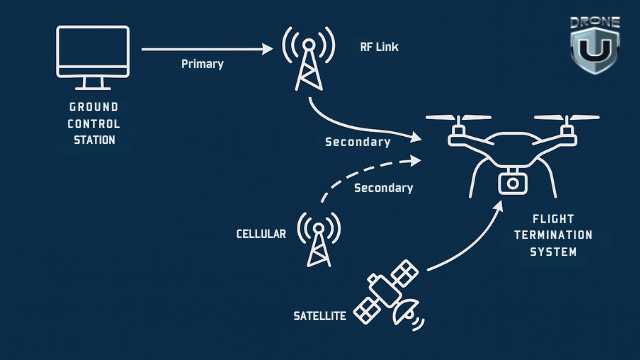
Command and Control Link for BVLOS Drones
So, how do you go from flying short-range visual missions to safe, legal BVLOS flights? It may seem like a lengthy process, but it can be completed in five relatively simple steps. Let’s take a look.
Start by getting your Part 107 Remote Pilot Certificate or equivalent license in your region – training must be done every 24 months to remain current. Spend time flying as much as you can, within visual line of sight (VLOS).
Make sure you really understand the basics. Know how your drone works, the airspace rules, how weather affects flights, and what to do in an emergency.
Understand how DAA systems work. Also, learn to read and interpret your drone’s telemetry and system health data, like battery levels, GPS signal strength, and warning alerts.
Next, you can try flying Extended Visual Line of Sight (EVLOS) missions with the help of trained visual observers. This is the best way to practice longer-range flights while staying within legal and safe operating limits.
Operators should also understand Command-and-Control (C2) link performance definitions (RTCA DO-377, DO-362A) because waiver reviewers focus heavily on C2 reliability.
Many BVLOS waivers require real flight data, either from actual test flights or high-quality simulators. Practice key scenarios like how your drone reacts in lost-link situations, or how it responds to other aircraft using DAA systems.
You can practice this safely in a simulator or during controlled test flights to build experience and collect the data for future approvals.
Some of the best programs are operated by specialized Remotely Piloted Aircraft System (RPAS) training centers in Canada, Australia, and a few advanced U.S. providers, such as DroneU.
These programs walk you through full BVLOS mission planning, system checks, risk assessments, and post-flight reviews. You’ll not only learn how to fly but also how to document and defend every decision you make.
When the FAA finalizes Part 108, make sure you update your certification with the required training. This may include scenario-based evaluations, refresher courses, or even endorsements for new equipment.
The goal is to stay focused and fully aligned with the new rules, so you’re ready to fly BVLOS with confidence once it officially goes live.
One of the common issues in remote operations programs is relying on inexperienced or undertrained drone pilots to handle complex BVLOS missions. Even with automation, BVLOS operations require strong skills and quick decision-making to keep flights safe and compliant.
The decision could be something small, like adjusting the path for the weather, or something serious, like safely recovering a drone that’s lost its connection and drifting into restricted airspace. In both cases, the outcome depends on the person in control.
The safety of the entire BVLOS operations depends on that human element. If your pilot doesn’t understand telemetry, can’t troubleshoot quickly, or hasn’t experienced real-time risks, they’re not ready to manage these flights.
Such inexperience puts your operation, your clients, and your compliance status at risk.
In BVLOS, unexpected things always happen. So, if you’re leading a drone program or building a team, make sure your pilots are more than just certified. Look for their real qualification, experience, and capability.
If you’re planning to operate BVLOS or lead others who do, you need more than a license. You need good judgment, fast reflexes, and the ability to remain confident under pressure. These skills don’t come from reading a manual – they come from flying.
That’s why flight mastery training matters.
The BVLOS course isn’t for beginners. It is designed for working pilots who want to sharpen their control, problem-solving, and recovery skills – which means that you must already have well-refined drone-piloting skills.
In flight mastery, you don’t just study theory – you practice quick decision-making, emergency landings, advanced stick control, and working under pressure, without relying on GPS or automation.
The Flight Mastery Course from DroneU does exactly this – it builds real instincts for real-world flying.
You might ask: “Why is it important for remote operations?”
Because in BVLOS, you’re not always watching the drone. You’re also watching the data it sends back. You’re reading telemetry, tracking trends, and catching issues before they turn into problems.
But this setup only works if the person in charge understands what these small changes mean and how to respond before things go sideways.
The best remote operators are the ones who’ve already flown through failure. They’ve lost GPS, smartly handled disconnects, and brought the drone home manually. They don’t panic. They act quickly and finish the mission safely.
The DroneU Flight Mastery Course turns licensed pilots into reliable remote operators. It’s the difference between passing the test and being ready to fly one. If you’re serious about BVLOS, start with DroneU’s Flight Mastery.
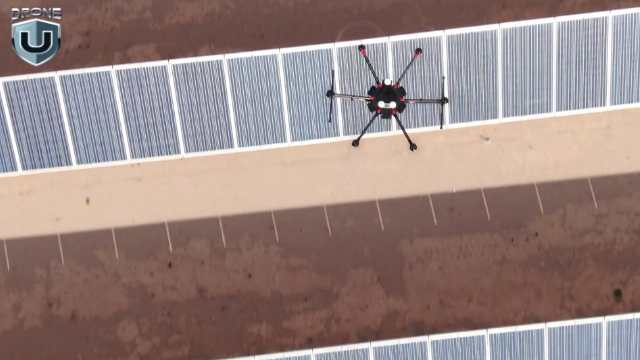
Solar Tower Inspection Using BVLOS Drones
Some of the most exciting and fast-growing drone applications today depend on BVLOS, and in many cases, it’s the only way to get the job done.
Let’s look at where it’s already happening – and why.
Power lines, pipelines, and solar farms stretch for miles, often through remote or rugged terrain. VLOS simply doesn’t seem practical over such great distances.
BVLOS allows drone teams to inspect large linear infrastructure quickly. Companies like Xcel Energy and Southern Company have already secured BVLOS waivers to save time, reduce risk to personnel, and improve coverage.
In disaster zones or search-and-rescue missions, speed and reach matter. Agencies like Chula Vista PD and the NOAA Office of Marine & Aviation Operations use BVLOS operations to support firefighting, hurricane response, and missing person searches.
They do so by deploying drones from central command and monitoring missions remotely over LTE or satellite links.
Companies like Zipline, Wing, and Amazon Prime Air are already flying long-range delivery missions under BVLOS rules. They carry out these missions to safely transport medical supplies, food, and packages across towns and rural areas.
BVLOS operations allow construction firms and engineering teams to collect data across wide areas. With AI-based mapping and modeling software, this data can be processed into 3D models or real-time progress reports.
In every case, BVLOS is both a technical upgrade and a chance to improve how drone operations work. It unlocks longer missions, increases efficiency, and makes large-scale operations possible.
The demand is already here. The real question is: are your teams ready to handle it?
The drone industry is quickly headed towards BVLOS operations, especially in the USA. So, pilots and program leads need to prepare, train, and level up their skills.
The skills you build today around flight control, strong airspace awareness, and remote decision-making will shape your ability to lead tomorrow’s flight operations.
Make sure to invest in training today that goes beyond the basics. This means training for unexpected moments, not just relying on automation.
To that end, courses like DroneU’s Flight Mastery give you the real-world edge to lead BVLOS missions with confidence and control.
The future of flight is remote. Make sure you’re ready to fly it!
 4
4