

FCC Plans Vote to Open 50 MHz of Spectrum for Commercial Drones

October 9, 2026
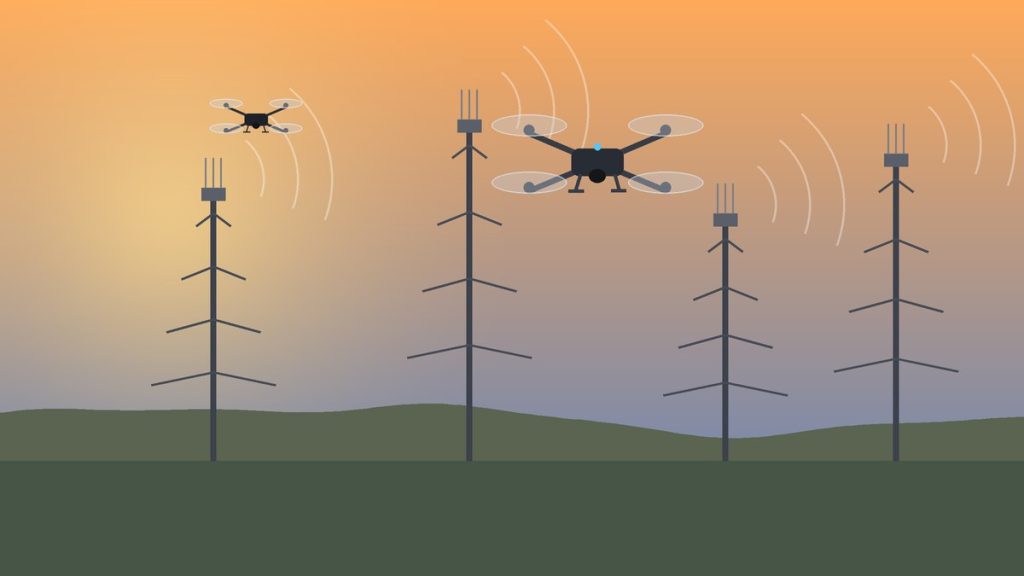
More radio spectrum for commercial drones is on the FCC’s calendar. On October 7, FCC Chairman Brendan Carr published a blog post titled “Hammer Down” outlining the agenda for the Commission’s October 29 open meeting. One of the items is an Order that would open roughly 50 MHz of low-band spectrum for commercial drone operations.
This is an FCC radio-rules story, not a change to FAA flight rules. Pilots still need FAA authorization to fly. But if you care about beyond visual line of sight (BVLOS) connectivity, the spectrum vote is worth watching.
Carr’s post says the Commission will vote on an Order that modernizes a rule that unintentionally blocked drones in the 800 MHz band. The goal is to free up about 50 MHz of low-band spectrum for commercial drone use.
Low-band spectrum matters because it tends to travel farther and penetrate buildings and terrain better than higher frequencies. For operators building cellular-connected drone networks, that kind of coverage is useful for command-and-control links and for streaming video when the aircraft is far from the pilot.
The blog frames the action as clearing a regulatory obstacle rather than inventing a brand-new band from scratch. In plain terms: a rule written for other radio uses had the side effect of keeping drones out of spectrum that could support commercial operations. The October 29 Order is meant to fix that.
The same meeting also includes a vote on an Order that would prohibit test labs and certification bodies in countries that do not give reciprocal recognition to U.S. organizations. Carr said that in 2025, 82% of electronics were tested in a single country that refuses to recognize U.S. labs.
That item is about who can certify equipment for the U.S. market. It sits alongside the drone spectrum vote as part of a broader push to tighten equipment authorization and reduce reliance on foreign testing pathways. For drone manufacturers and importers, lab access and certification timelines affect how quickly new radios and aircraft can reach U.S. operators.
It is easy to mix up the agencies. The FCC regulates radio spectrum and equipment authorization. The FAA regulates where and how you fly. Opening spectrum does not grant BVLOS waivers, does not change Part 107, and does not replace airspace authorization.
What it can do is give manufacturers and network providers cleaner access to frequencies that support long-range links. Extra cellular spectrum is especially relevant for BVLOS connectivity, where the aircraft may rely on networked command links instead of a short-range radio from the controller in your hand.
Until any Order is adopted and takes effect, nothing changes in your day-to-day flying. Treat October 29 as a policy checkpoint, not a green light to redesign your operations overnight.
Whether you fly short VLOS jobs or are planning networked operations, the fundamentals stay the same: know your airspace, brief the risk and follow Part 107. If you are working toward your certificate, our Part 107 prep course covers the flight rules the FCC does not write.
The FCC plans to vote on October 29 to open about 50 MHz of low-band spectrum for commercial drones by updating a rule that had blocked use in the 800 MHz band. That is useful groundwork for connectivity. It is not a substitute for FAA authorization. Keep flying under the rules you have today, and read the Order when it lands.
Sources: FCC Chairman Brendan Carr: Hammer Down (Oct. 7, 2026); DroneLife
 0
0
