
How To Know If A Drone Pilot is Current or Proficient

September 17, 2026
| Quick Answer:
A current drone pilot holds a valid Part 107 certificate, verified on the FAA registry. A proficient pilot can safely handle real conditions: tight spaces, emergencies, and bad weather. A certificate proves paperwork. It does not prove skill. Proficiency proves skill. Test both before you hire. |
Hiring a drone pilot? Checking if they’re current is easy. Checking if they’re actually skilled is not. This guide shows you how to tell the difference before you hire.
Learning to fly a drone well takes real effort. Most new pilots see the Part 107 exam as the hard part. Experienced pilots know better. Passing the exam is easy. Staying skilled long-term is not.
Flying a drone is not like riding a bike. You cannot set it down for months and pick it back up at the same skill level. Without regular practice, small mistakes creep back in. Those mistakes can escalate fast, sometimes into a crash.
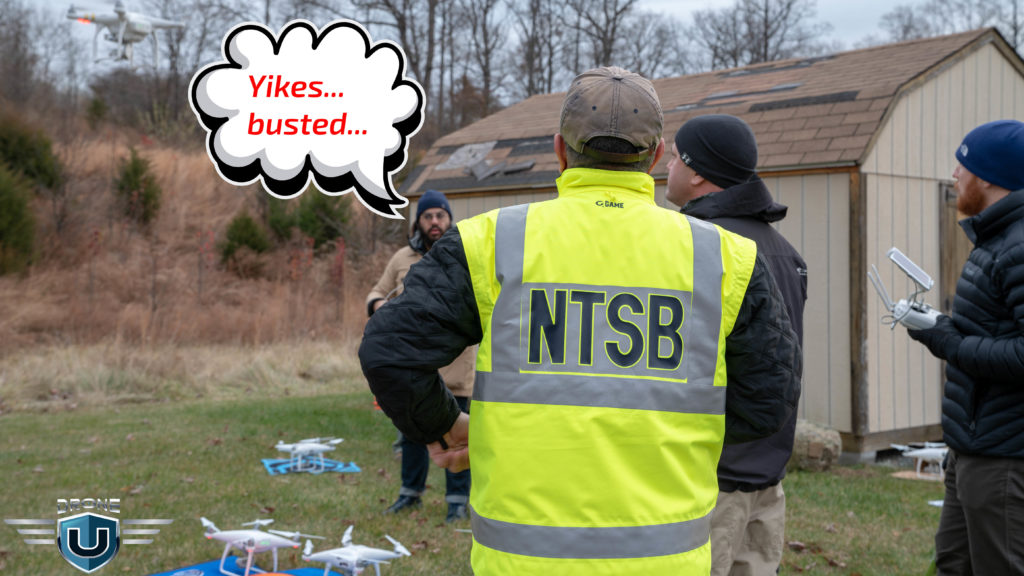
Example: Picture a facility manager hiring a “current” pilot for a cell tower inspection. The pilot’s Part 107 certificate is valid. But the job requires flying within a few feet of steel structures in gusty wind, something the pilot has never actually practiced.
The flight gets delayed, or worse, the drone clips the tower. A valid certificate never tested for that. A short proficiency demo, in similar conditions, would have caught the gap before the job started, not during it.
As more industries use drones, many managers struggle to tell a skilled pilot from someone who simply holds a license. That mistake costs time and money. Hiring the wrong pilot can mean redoing a job, or worse, an accident.
Part 107 requires pilots to renew their currency every 24 calendar months. Since April 2021, that renewal has been a free online course through FAASafety.gov, with no in-person test required. Renewal proves currency. It does not prove skill.
Here’s why that renewal doesn’t test skill. The recurrent course covers regulations, airspace rules, weather effects, and emergency procedures. It’s a knowledge refresher, taken alone at a screen. No instructor watches the pilot fly. No one checks how they handle a real obstacle or a real gust of wind. That’s not a flaw in the course. It’s simply not what the course is for.
As drone use grows across industries, the need for skilled pilots grows with it. Many employers assume a Part 107 certificate proves skill. It does not.
A Part 107 certificate does not protect a pilot from liability. It mainly satisfies insurance compliance requirements. The FAA does not teach pilots how to fly. It never has.
Drone Pilot Currency: The pilot’s Part 107 certificate is up to date. Check current status on the FAA’s airmen registry.
Drone Pilot Proficiency: The pilot can perform flight operations calmly and without stress. Proficient pilots have built strong habits through repetition. They follow a consistent, systematic process on every job.
Employers have tried many flight tests over the years. Few have held up. At Drone U, we tested several versions ourselves. Most asked pilots to fly a mission and send back the flight log and video. That approach did not scale, and it did not reliably prove real skill.
A real proficiency test should measure four things. Use this as a rough scorecard:
| Skill | Red flag | Acceptable | Strong |
| Proximity flying (cell towers, roofs) | Keeps excess distance or clips an obstacle | Completes pass safely, but slowly or stiffly | Smooth, confident control near obstacles |
| Emergency response | Freezes or reacts late to a simulated failure | Reacts correctly, but hesitates | Reacts immediately and calmly, by the book |
| Field problem-solving | Can’t adjust when conditions change mid-flight | Adjusts, but needs guidance | Adjusts independently and explains the decision |
| Extreme weather (hot and cold) | Never flown outside mild, ideal conditions | Has flown in one extreme, not both | Comfortable flying in both hot and cold conditions |
After watching numerous drone programs fail. After watching numerous drone programs buy the wrong equipment and fail to train new pilots, we had to devise a method to teach drone pilots. Anywhere in the world. We had to test their ability to solve problems in cold environments and warm environments. This is why Drone U branched out to create the only online scenario-based augmented reality flight training. Scenario based trained seemingly solved the problems of “putting” pilots in different environments. After testing the system for the last year, we will finally be releasing it in January.
A flight test alone won’t catch everything. Before you hire, also check:
Start with three questions:
Then ask the pilot to demo a similar flight. If they complete real job deliverables, pay them for that work. Keep the test separate from an actual paid job. A pilot can often recreate a similar environment near their own home.
Think through the job first. Then think through what could go wrong. Check the flight plan against Part 107 rules. As the hiring party, you are responsible for making sure the pilot follows FAA guidelines. If they don’t, you could be liable too.
Currency and proficiency answer two different questions. Currency asks whether a pilot’s paperwork is valid. Proficiency asks whether that pilot can actually do the job safely. A Part 107 certificate, kept current through free online renewal, answers the first question. It was never built to answer the second.
Before you hire, check both. Verify currency on the FAA registry. Confirm liability insurance. Then test proficiency directly, with a flight demo built around the real conditions of the job: tight spaces, emergencies, and tough weather. Skipping that last step is how a valid certificate ends up hiding a pilot who isn’t ready for the work in front of them.
Not sure your own pilots would pass this test? Drone U’s training programs are built around real scenario-based flying, not just passing a certificate exam. See our course options.
 0
0
Add Your Comment