

Zipline Brings Drone Delivery to the Austin Area as Cities Write Hub Rules

October 12, 2026
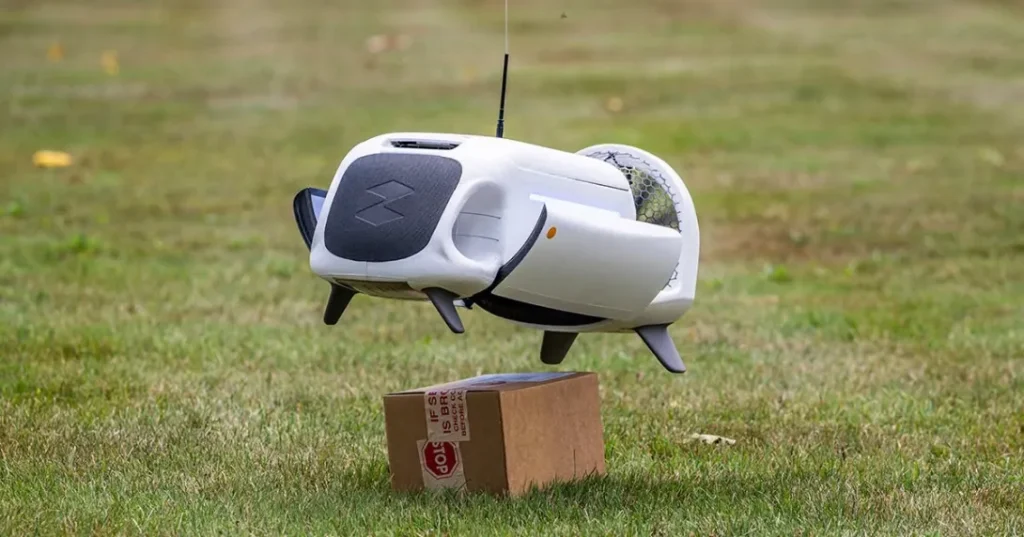
Zipline drone delivery has reached the Austin area. The company began taking orders in Round Rock, Texas, on October 9, and the launch is a good snapshot of how delivery expands in 2026: the service starts, the FAA’s environmental review runs alongside it and local governments work out what they can control.
Zipline flew a demonstration delivery at Round Rock ISD’s Stony Point High School on October 8. The school runs a drone aviation program, and Zipline says it’s partnering with the campus. Public orders opened the next day.
Zipline says its drones have made more than 3 million deliveries and flown more than 140 million miles, with operations in more than 30 municipalities across four U.S. states. It plans to expand from Round Rock to other parts of the city and the greater Austin metro. According to DroneXL, Austin is Zipline’s third Texas metro, after Dallas-Fort Worth and Houston.
On September 11, the FAA published a draft environmental assessment (EA) for Zipline’s proposed operations in five Texas metro areas: Houston, San Antonio, Austin, Amarillo and El Paso. Zipline holds a Part 135 air carrier certificate and an exemption to fly beyond visual line of sight (BVLOS). It’s asking the FAA to amend its operations specifications to cover those metros.
The draft describes service around the clock, seven days a week. For Austin, it lists a maximum of 30 Chargers, 600 Dropboxes and 30,000 deliveries per day across about 2,498 square miles. Across all five metros, the ceiling is 220,000 deliveries a day. The 30-day comment period closed on Sunday, October 11.
DroneXL points out that the comment window was still open when the first Round Rock orders flew. Zipline’s announcement doesn’t say which existing authorization covers today’s flights. That’s an open question, not an allegation of wrongdoing.
Round Rock’s city government published a resident guide that sums up the local position well. Delivery operations are primarily regulated by the FAA, and the city does not regulate flight paths. Cities can regulate land use and zoning, though, such as where hubs go inside city limits.
There’s a wrinkle. Zipline’s current facility sits in Round Rock’s extraterritorial jurisdiction, outside city limits. The city also says its current zoning doesn’t specifically address drone delivery hubs. It’s working with Zipline on a proposed in-city hub behind the Renaissance Square shopping center along northbound I-35. The city plans to use that site to evaluate operations and write rules for future facilities.
Halfway across the country, Belvedere, California, is taking the opposite approach and writing rules before any operator arrives. Its City Council holds a final vote tonight, October 12, on Marin County’s first commercial drone delivery ordinance. The draft regulates only ground activity. That includes where facilities can go, prior consent from residents before home deliveries, and delivery hours tied to the city’s noise code. It explicitly leaves flight to the FAA.
Want to work in drone delivery? Start with your remote pilot certificate. Our Part 107 certification course covers the airspace, regulations and operating rules you’ll need to pass the FAA exam.
Round Rock shows the 2026 delivery playbook: launch, a parallel FAA review and city rules about the ground, not the sky. Expect to see it again as delivery spreads.
Sources: Zipline; Community Impact; FAA Draft EA, Zipline Texas Metros (PDF); City of Round Rock; North Bay Tribune
 0
0
