
Best Travel Filmmaking Kit of 2026 (Under $3,000)

October 23, 2026
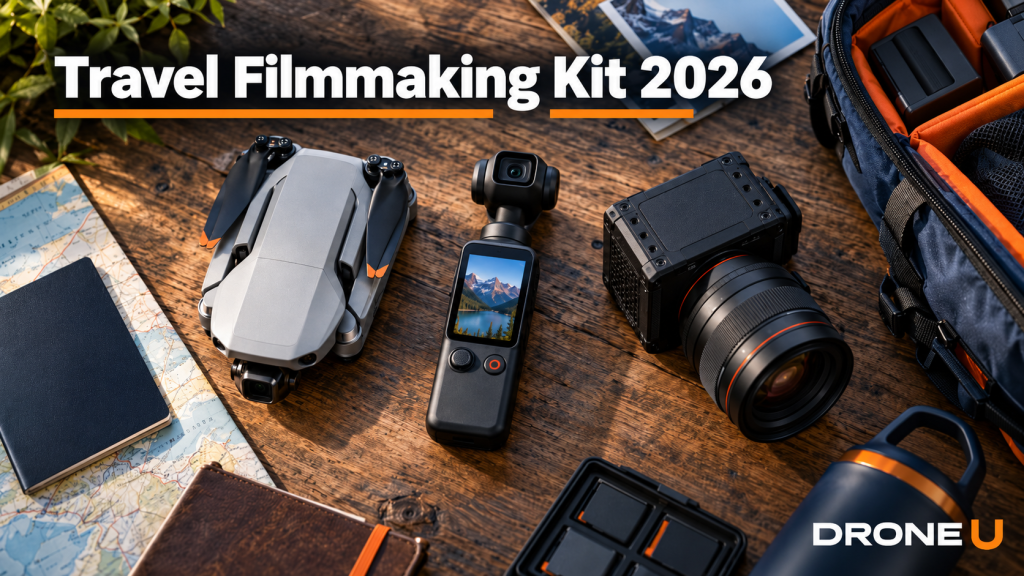
A few years ago, a travel filmmaking setup that could cover aerials, smooth gimbal shots, immersive POV and real slow motion meant a big case, a big budget and probably a crew. In 2026, you can carry all of it in a small backpack for well under $3,000. Here at Drone U, this is the kit we’d hand anyone who wants to make social media content, marketing videos, small productions or even news packages on the road.
The kit is three pieces: the DJI Mini 5 Pro for aerials, the DJI Osmo Pocket 4 for stabilized handheld footage, and the GoPro MISSION 1 PRO ILS for POV and slow motion. Each one covers what the others can’t.
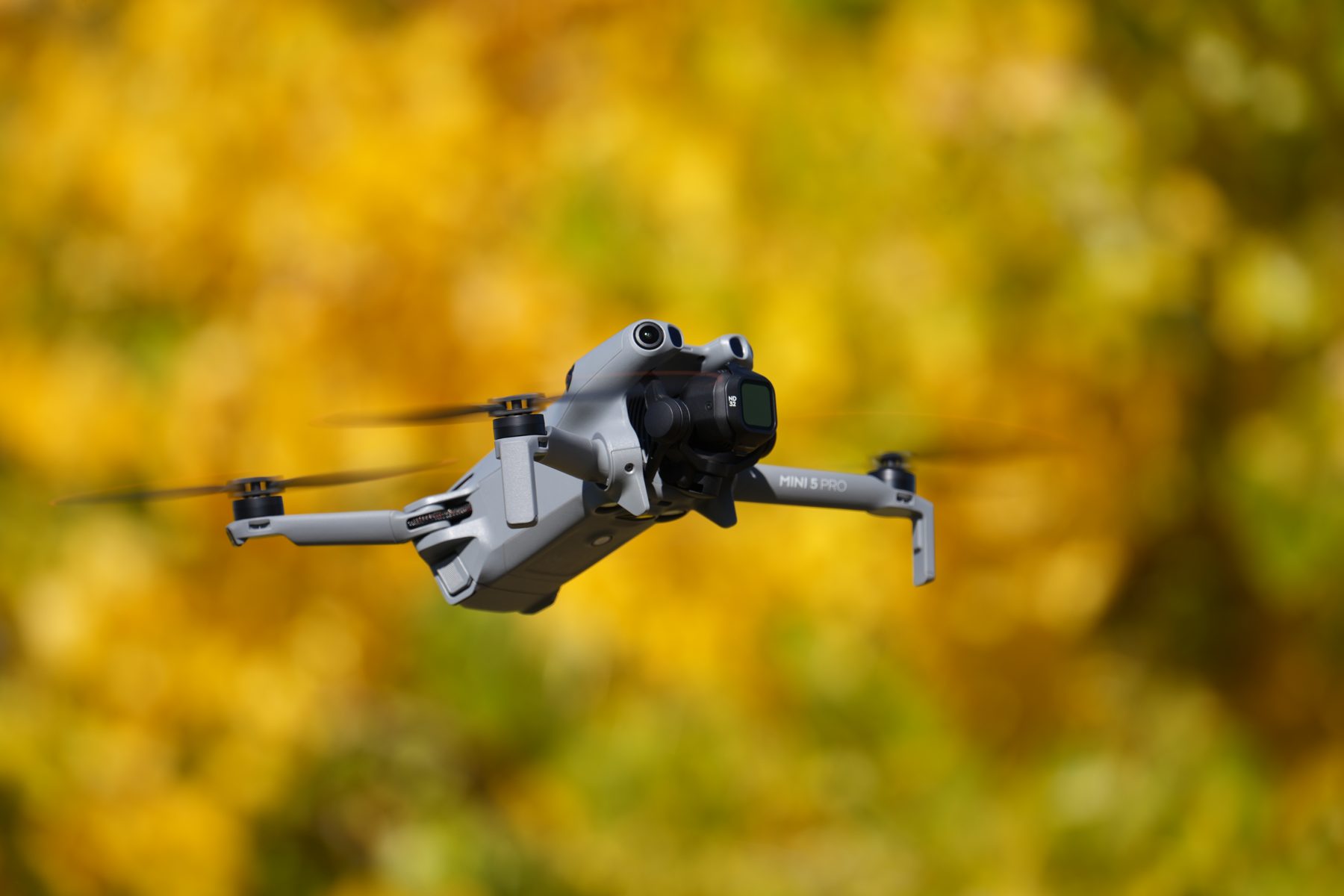
Every great travel film needs a sense of place, and nothing establishes place like an aerial shot. The Mini 5 Pro is our pick for the best travel drone of 2026, and it anchors this kit.
It folds to roughly the size of a phone, so it never feels like a burden to bring. In our experience, its image quality is in the same class as the Phantom 4 Pro that so many working pilots relied on from 2016 to 2020, at a fraction of the size. For the full breakdown, including our advice on the Plus battery and flying over people, read why the Mini 5 Pro is the best travel drone of 2026.
Master flight on the Mini 5 pro with Drone U. The best knowledge comes from experience, learn from experienced drone pilots at Drone U.
Drones handle the big picture. On the ground, you need something that makes walking shots, vlogs, interviews and product B-roll look smooth and professional. That’s the DJI Osmo Pocket 4, which DJI launched in April 2026 and which is now listed on Amazon in the US.
The Pocket 4 is tiny, quiet and non-threatening. People don’t stiffen up when you point it at them the way they do with a big camera, which makes it perfect for street scenes, travel vlogs and on-location interviews. It’s the shot-maker for everything that needs to glide.
If you want to save a few hundred dollars, the previous-generation DJI Osmo Pocket 3 is still an excellent camera, with the same 1-inch sensor class and 4K/120 fps slow motion, at roughly $400 to $500.
The third piece is what turns good footage into high production value. A gimbal camera gives you smooth. A drone gives you scale. But viewers feel a scene when the camera is in it: rigged inside a car, mounted on a bike, clipped to a harness or tucked into a tight corner of a location. That’s the GoPro’s job.
GoPro’s MISSION 1 series launched in 2026, and the GoPro MISSION 1 PRO ILS is the model we’d put in this kit. GoPro calls it the world’s smallest, most rugged cinema camera with interchangeable lenses:
Those slow-motion numbers, paired with real lenses, are the reason it earns a spot. Water splashing, a surfer turning or a crowd throwing confetti at 960 fps, shot through a lens you chose, looks like something out of a commercial.
If you’d rather skip lenses entirely, the fixed-lens GoPro MISSION 1 PRO uses the same 1-inch sensor and slow-motion modes with a wide built-in lens, and it’s waterproof to 66 ft (20 m) without a housing. It’s the better choice for surf, snorkel and rain-heavy trips.
Think about how a good travel or marketing video is built. You open wide with an aerial to establish where you are. You cut to smooth, moving ground shots to walk the viewer through the place. Then you drop in POV and slow-motion moments that make people feel what it’s like to be there. That’s exactly what this kit gives you:
All three use 1-inch sensors, so the footage matches better in the edit than you might expect from such different cameras. With that combination, you can film just about any social media video, marketing video or small-scale production, and even handle news or documentary work. Larger productions use this kind of gear too, as crash cams, B cameras and tight-space angles.
Prices move constantly, especially around the holidays, so treat these as late-October 2026 ballparks from major US retailers:
That comes to roughly $2,400 to $2,600 for the three cameras plus a lens. That leaves a few hundred dollars for extra batteries, fast memory cards and mounts while staying under $3,000 (a full Mini 5 Pro Fly More Combo may push you right up to that line) for a kit that covers aerials, gimbal and POV with real slow motion. Honestly, that’s unheard of.
Accessories worth budgeting for:
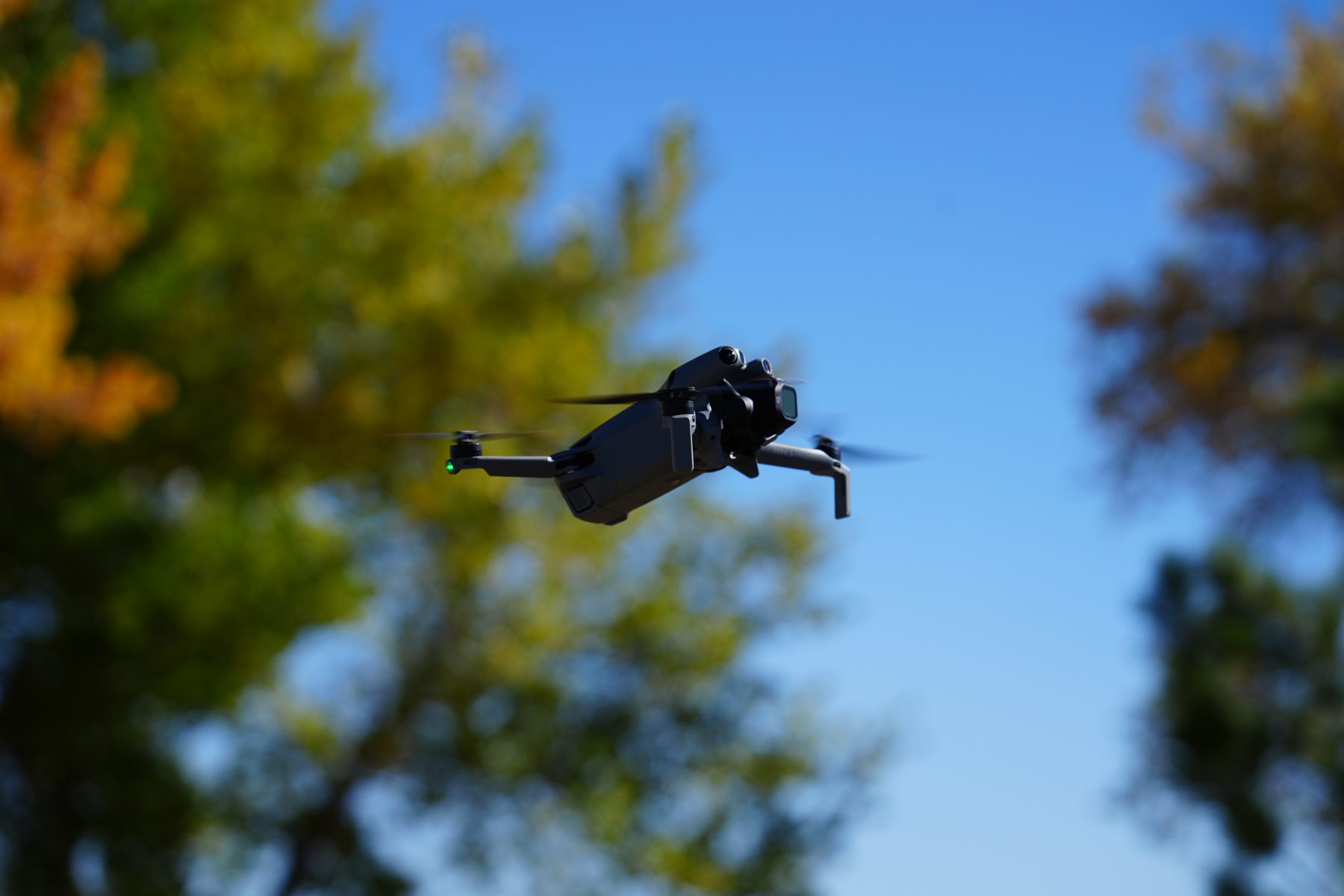
Of the three cameras, the drone is the one that can fly away, hit a tree or land in a lake. It’s also the one with rules attached. Before your trip, take our Mini 5 Pro Don’t Crash Course. It covers setup, camera settings, intelligent modes, wind and battery management, and the habits that keep your aircraft in one piece. If you’ll be filming for clients, a business, or any paid project, you’ll also need your FAA Remote Pilot Certificate, and our Part 107 course gets you there.
Still deciding which drone is right for you? See our guide to beginner friendly drones you won’t outgrow.
The best travel filmmaking kit of 2026 is the DJI Mini 5 Pro, the DJI Osmo Pocket 4 and the GoPro MISSION 1 PRO ILS. Together they give you aerials, gimbal-stabilized footage, immersive POV and true slow motion for less than $3,000. And if you’re ready to step up to a professional rig, read our next guide on the pro travel videography and photography setup.
Sources: DJI Mini 5 Pro specs; GoPro MISSION 1 PRO ILS announcement; GoPro MISSION 1 series; DPReview on the Osmo Pocket 4. Prices as of late October 2026.
 0