

Best Waterproof Drones in 2026

June 6, 2025
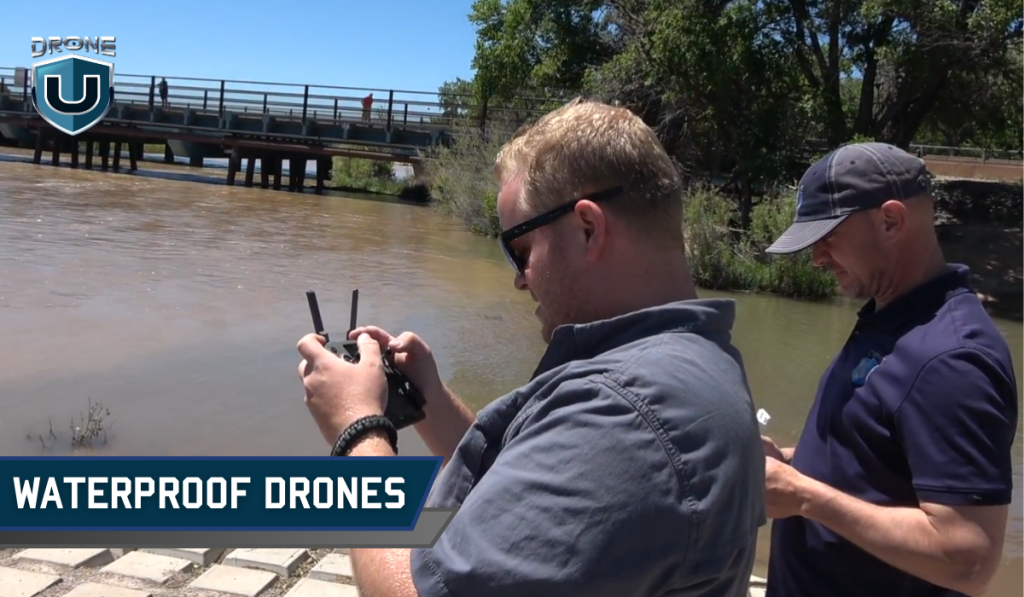
Quick Answer: Best Waterproof Drones in 2026A waterproof drone is a UAV with sealed electronics, corrosion-resistant materials, and an IP rating that allows it to fly in rain, land on water, or in some cases float on the surface without damage. True waterproofing starts at IP67. Water-resistant drones handle light rain only. Best overall waterproof drone: SwellPRO SplashDrone 4+ (~$2,777): IP67, 4K/60fps, 3-axis gimbal, launches and lands on water Best for fishing: SwellPRO Fisherman FD1 (~$1,147): IP67, bait release, sonar, 28-minute flight time Best surface drone: PowerVision PowerDolphin (~$500): IPX8, catamaran hull, integrated sonar Best budget waterproof option: SwellPRO FD2 (~$999): IP67, 4K camera, 7 lb payload capacity for fishing Note: The PowerVision PowerEgg X Wizard has been discontinued. It is no longer available new from major retailers as of 2026. |
A waterproof drone is a UAV designed to fly in rain, operate over water, and in some cases land on the water surface without damage. Unlike standard drones, waterproof models feature sealed electronics, corrosion-resistant frames, and moisture-protected motors.
In 2026, the best waterproof drones carry IP67 ratings or higher, meaning they can withstand immersion in 1 meter of water for up to 30 minutes.
We’ve thoroughly researched and evaluated these drones based on their waterproof ratings, camera quality, flight time, and overall performance.
A waterproof drone is designed to fly in wet conditions without getting damaged. It can handle rain, splashes, and in some cases, full submersion.
Unlike regular drones, it won’t shut down the moment water hits it. The internal components are sealed. The materials are corrosion-resistant. Some even float or flip themselves upright if they land in water.
There are two main types:
These drones are built with corrosion-proof materials, tightly sealed electronic components, and often feature waterproof cameras or modular parts designed for marine use. Some even have buoyant frames or self-righting systems that help them recover after landing in water.
Because it removes a huge limitation, you can now fly during unpredictable weather or launch from a kayak. You can also capture footage right above the waves or inspect underwater infrastructure without risking your gear.
Waterproof drones achieve their water resistance through a combination of design features and materials.
The IP rating system indicates a drone’s level of protection against dust and water. For most waterproof drones, an IP67 rating or higher is recommended. This signifies the drone can withstand sustained water immersion.
Here’s a breakdown of the key elements:
Similar to how your smartphone might be water-resistant, waterproof drones utilize tight seals and gaskets. These are placed around critical components such as the battery compartment, motor housings, and camera gimbal. These seals prevent water from entering and causing electrical shorts or damage.
Instead of traditional metals that can rust, waterproof drones often use lightweight and corrosion-resistant materials like high-grade plastics, composites, and treated metals. These materials can withstand exposure to water, salt water, and even humidity without degrading.
For added protection, some manufacturers apply a conformal coating to the drone’s electronics. This thin, transparent layer acts as a barrier, repelling water and moisture that could potentially damage delicate circuit boards and components.
While water resistance is crucial, it’s not always about complete water exclusion. Some drones have strategically placed drainage holes that allow water to escape after a splash or landing on water. This prevents water from accumulating and potentially causing issues.
Waterproof drones often utilize specially sealed motors to prevent water from entering and shorting the electrical components. In some cases, hydrophobic coatings may be applied to repel water from the motor windings.
Apart from all these, streamlined shapes with minimal openings help minimize water ingress. Also, features like upward-facing air intakes can help prevent water from being sucked into the motors during takeoff and landing.
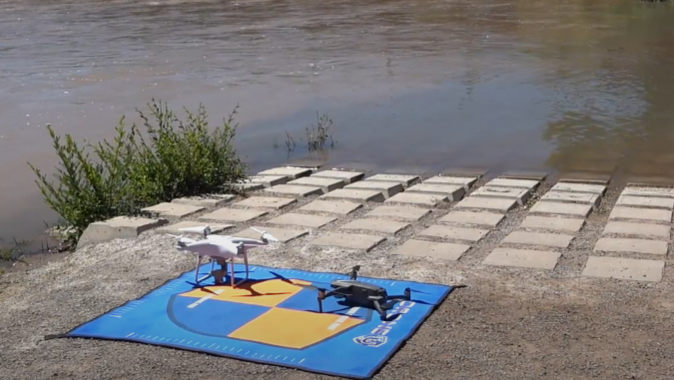
With so many waterproof drones available, it can be challenging to choose one that meets your needs. Here are the key factors to consider:
To capture breathtaking visuals, prioritize a drone with a high-resolution camera. Look for models that capture 4K or even 6K footage, ensuring crisp details in both photos and videos.
Gimbal stabilization is equally important. This integrated system compensates for shakes and vibrations, delivering smooth and cinematic footage even in windy conditions.
Choose a drone that offers a decent flight duration, allowing you ample time to explore and capture your desired footage.
Range is another important factor. It is the distance your drone can travel from the controller. A longer range provides greater freedom in exploring vast landscapes or venturing further out over water.
Check the IP rating, which indicates the level of water resistance. Generally, an IP67 rating or higher is recommended, signifying the drone can withstand sustained water immersion.
Look for a drone with a robust construction that can handle minor bumps and potential landings on uneven terrain. Corrosion-resistant materials are also a plus, especially for saltwater environments.
A user-friendly drone makes your adventures more enjoyable. Consider your piloting experience. Drones designed for beginners generally offer intuitive controls and flight modes.
More advanced options may provide greater control and customization for experienced pilots.
Some waterproof drones boast additional features that enhance their capabilities. Payload capacity allows you to carry additional equipment.
AI features, like obstacle avoidance or automated flight paths, can simplify piloting and add an extra layer of safety.
Here’s a breakdown of the top contenders categorized by their strengths:
Source: SwellPRO
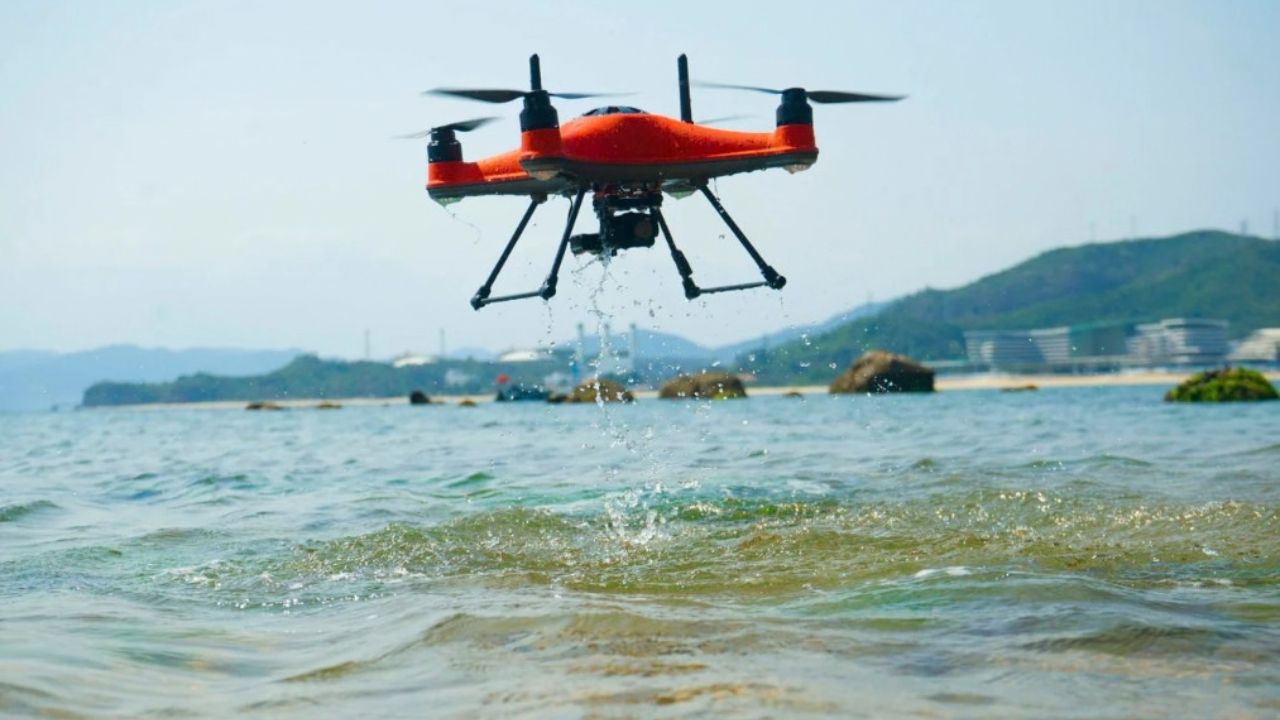
The SwellPRO SplashDrone 4+ is a professional-grade waterproof drone designed for fishing, marine exploration, and aerial filming in challenging environments. Built with SeaShield technology, the full body, motors, and partial circuits are corrosion-resistant, ideal for marine salt mist and harsh environments.
The PowerFlip self-righting system allows the drone to recover itself after capsizing, floating safely and resuming flight from the water surface. With a 7 km transmission range, 48MP 4K camera, and a smart touchscreen controller, the SplashDrone 4+ is built for serious marine operations.
Best For: Marine professionals, search and rescue teams, commercial operators, and serious anglers who need a fully waterproof drone for extended water operations.
 Source: SwellPRO
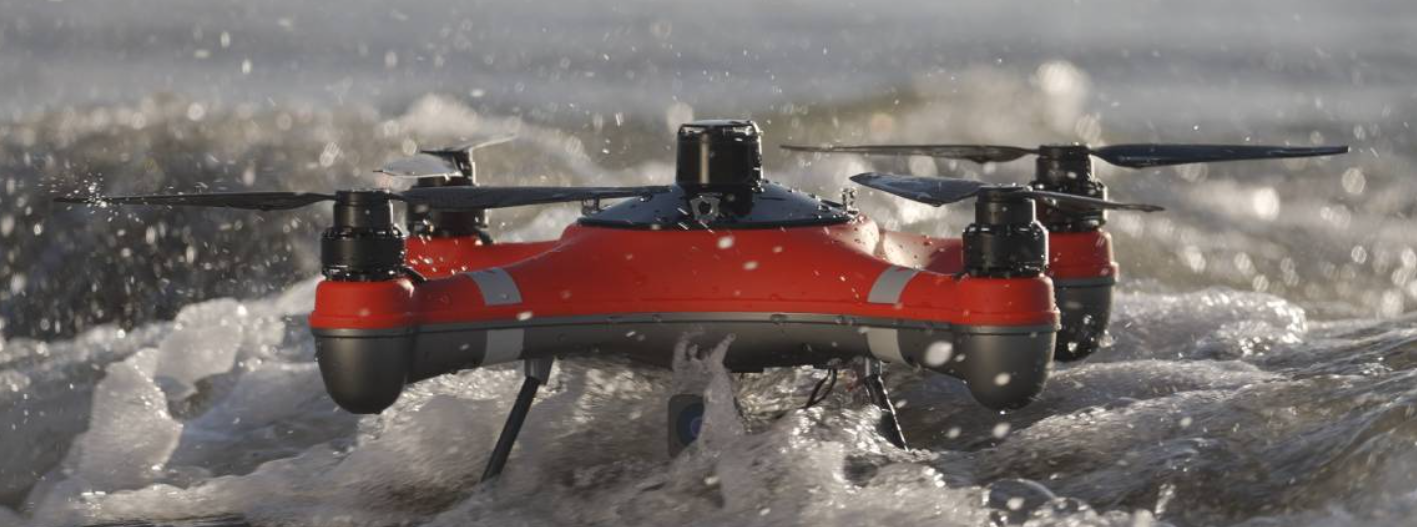
The SwellPRO Fisherman Drone FD1 is SwellPRO’s entry-level fishing drone, built specifically for anglers who need bait delivery capability and IP67 waterproofing at a lower price point than the FD2 or SplashDrone 4+.
This feature-packed drone boasts a unique payload capacity, allowing you to carry your fishing bait or line directly to your target spot. The integrated bait release mechanism ensures precise delivery, while the high-resolution camera helps you locate fish with ease. The rugged construction and waterproof design make the FD1 ideal for handling the challenges of saltwater environments.
Best For: Fishing enthusiasts and anglers looking for a drone specifically designed to enhance their fishing experience.
Source: SwellPRO
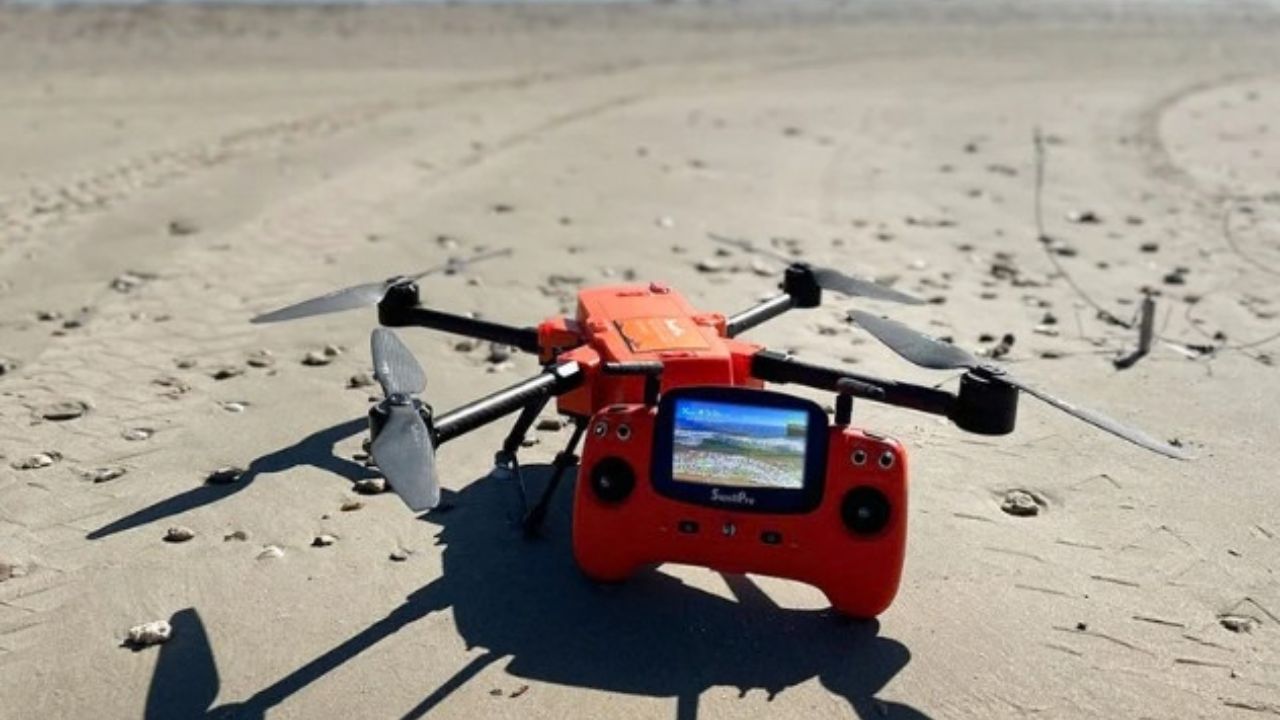
The Fisherman MAX FD2 is SwellPRO’s flagship fishing drone, designed for anglers who need a reliable, heavy-lift waterproof platform for land-based big-game fishing. It can deliver 7 lbs (3.2 kg) of bait to deeper waters or inaccessible areas, eliminating the need for a kayak or bait boat.
The FD2 holds steady and ensures accurate bait drops in winds up to 40 km/h. Keep fishing when others pack up. The Advanced version includes a 4K camera for fish spotting and real-time footage of bait delivery. The Basic version comes with a dual bait release only.
Best For: Serious anglers targeting big fish from shore, including shark fishing, surf casting, and offshore bait delivery beyond traditional casting range.
 Source: PowerVision
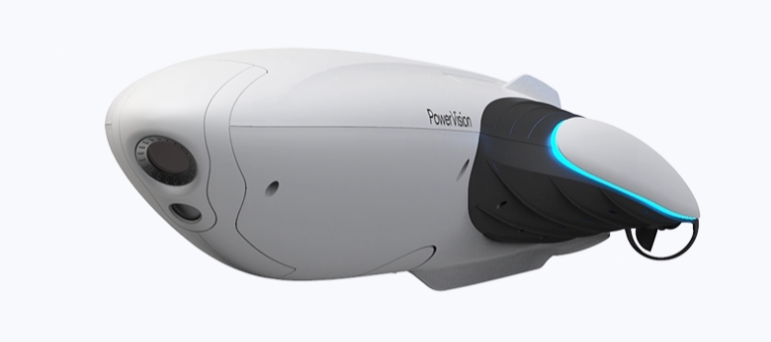
The PowerVision PowerDolphin is a surface water drone built for exploration, fishing, and underwater detection. Unlike the SwellPRO drones, it operates on the water surface rather than flying above it.
This innovative drone is designed specifically for surface exploration, featuring a unique catamaran hull that provides exceptional stability and maneuverability. The 4K camera captures stunning footage of the water’s surface, while the integrated sonar allows you to see what lies beneath.
Best For: Recreational boaters, fishermen, and water sports enthusiasts looking for a stable platform to capture surface footage and explore underwater environments.
 Source: PowerVision
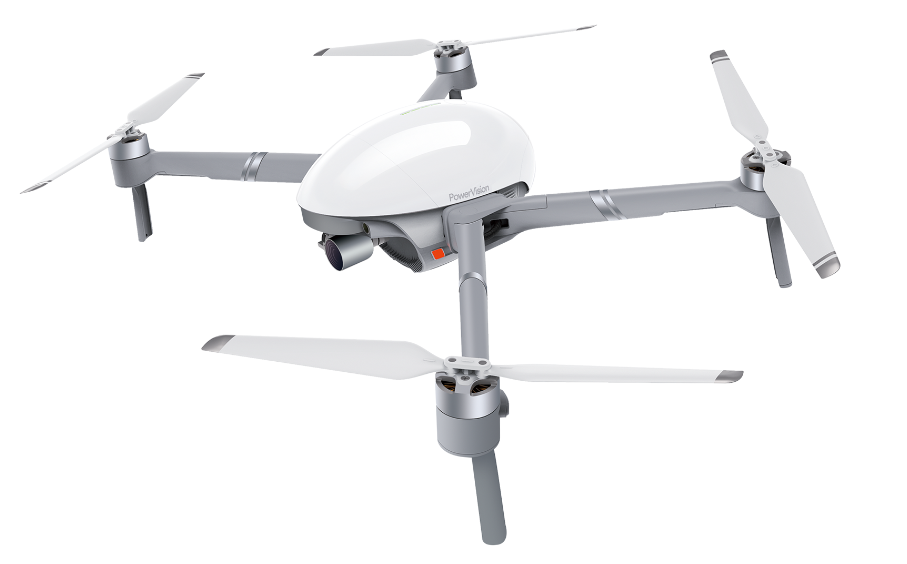
Note: The PowerVision PowerEgg X Wizard has been discontinued and is no longer available new from major retailers as of 2026. Used units may be available. If you are buying new, consider the SwellPRO SplashDrone 4+ or FD2 instead.
This versatile PowerVision drone combines a waterproof aerial drone with a handheld gimbal camera, offering a unique two-in-one solution for capturing stunning footage from both the air and ground. The Wizard package specifically includes a full waterproof kit that allows the drone to fly in rain and even take off and land on water. This makes it suitable for capturing footage in challenging weather conditions or over water bodies.
Best For: Content creators, travelers, and adventurers seeking a versatile drone for capturing footage from both air and ground.
Here is a quick comparison table to help you determine the winner.
| Model | Camera | Flight Time | Waterproofing | Best For | Price |
| SwellPRO SplashDrone 4+ | 48MP, 4K, 3-axis gimbal | 30 minutes | IP67 | Best overall waterproof drone for marine professionals | $2,777 |
| SwellPRO Fisherman MAX (FD2) | 4K (Advanced version only) | 28 minutes | IP67 | Best for heavy-lift fishing. 7 lb bait capacity | $999 (Basic) / $1,899 (Advanced) |
| SwellPRO Fisherman Drone FD1 | 720p | 28 minutes | IP67 | Best entry-level fishing drone | $1,147 |
| PowerVision PowerDolphin | 4K UHD | 20 minutes | IPX8 | Best surface water drone with sonar | $500 |
| PowerVision PowerEgg X Wizard | 4K UHD | 30 minutes | Rain-flying and water landing | Budget all-weather option (discontinued, available only as used units) | $600 |
By now, you probably have a clearer idea of what waterproof drones can do and why they’re worth considering. But choosing the right one still depends on your specific needs.
Start by thinking about how and where you’ll use it.
If your goal is to capture stunning content near or over water, focus on drones with high-resolution cameras, stable flight performance, and smooth gimbal systems.
Filmmakers and photographers should look for 4K video, waterproof lens housing, and steady hover capability even in wind.
For fishing use, look for models that offer bait release attachments, sonar integration, and solid floatation. Some even allow live underwater scouting to find fish before you cast.
For those in search and rescue or inspection work, range, durability, and GPS precision matter more than anything else.
A waterproof drone with strong signal stability and a loudspeaker can be a literal lifesaver in tough environments.
Interested in underwater exploration? Then you can check out this article on Best Underwater Drones.
Whatever your use case, the right drone is the one that matches your specific use case, budget, and environment. Set your budget, and pick a model that matches both.
 4
4
Add Your Comment