

Are Drones Banned in the US? The FCC’s Thermal, LiDAR and Spray Drone Proposal Explained

October 8, 2026
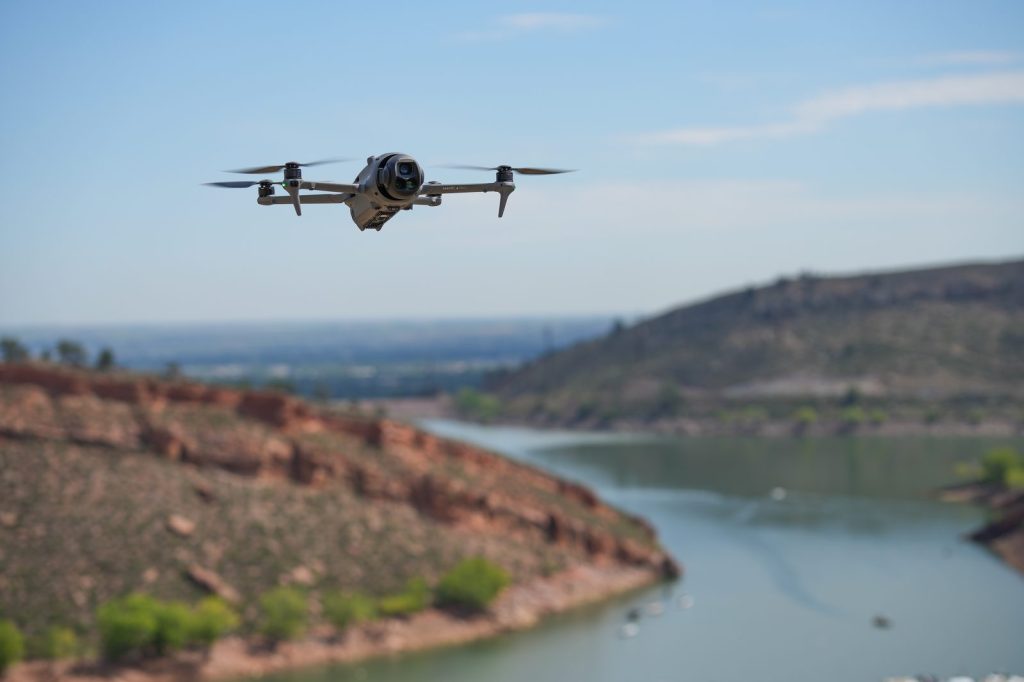
Are drones banned in the US? No—not the drone already sitting in your truck. However, the FCC has proposed stopping future imports and sales of many foreign-made thermal, LiDAR and spray drones, and that matters to anyone who flies for a living.
If you’ve been searching “are drones banned in the US” since the headlines hit, start here. The proposal is open in FCC docket PS 26-189, and as of October 2026 it has not been adopted. Below is what it says, which drones it would cover, what it wouldn’t do, and how thermal, mapping and ag operators should plan.
One thing won’t change no matter how this ends: the FAA rules you fly under. Whatever airframe you buy next, our FAA Part 107 certification course covers the regulations, airspace and safety knowledge every commercial pilot needs.
On July 21, 2026, two FCC offices, the Public Safety and Homeland Security Bureau and the Office of Engineering and Technology, released Public Notice DA 26-758. It was then published in the Federal Register on August 3, 2026, with comments due by September 2, 2026.
The idea is simple. The FCC would prohibit the continued importation and marketing of previously authorized, foreign-produced drones and drone components that are on the FCC’s Covered List and that the FCC calls “military-grade.”
Some background helps here. In December 2025, the FCC added foreign-produced drones and critical drone components to the Covered List. That step blocked new models from getting FCC equipment authorization. In contrast, models that were already authorized could still be imported and sold. This proposal would close that door for the “military-grade” categories. For the full backstory, see our FCC Covered List explainer.
According to the Federal Register notice, the FCC considers these drones and components “military-grade”:
| Category | What it means for operators |
|---|---|
| 1. UAS weighing 55 lb or more at takeoff | Heavy-lift and large spray platforms that aren’t “small unmanned aircraft” under FAA rules |
| 2. UAS capable of dispensing “economic poison” under FAA rules | Agricultural spray drones (the Part 137 world) |
| 3. UAS with thermal imaging sensors | Thermal inspection, public safety, search and rescue |
| 4. UAS with LiDAR sensors | Survey, mapping and vegetation work |
| 5. UAS docking stations | Drone-in-a-box and remote operations |
| 6. UAS “specially designed to incorporate a defense article” | Mostly defense-related hardware |
| 7. Swarming UAS | Includes drones purpose-built for light shows |
Because nearly all foreign-produced drones landed on the Covered List in December 2025, the reach is wide. In our experience, those categories describe a large share of the thermal, mapping and spray fleets we see in the field.
This is the part that gets lost online. The notice states the proposal “would not affect the continued use or operation of already-purchased UAS or UAS critical components.” It also says existing authorizations would not be revoked.
Specifically, the proposal would not apply to:
Also keep agencies straight. The FCC regulates radio equipment and its sale, while the FAA regulates flying. Nothing in this proposal changes Part 107. That’s why, for current owners, the answer to “are drones banned in the US” is still no.
The FCC also extended two Covered List exceptions on July 21. According to its fact sheet, the Blue UAS and Buy America (at least 65% U.S. components by value) exceptions now run until January 1, 2028. Meanwhile, the termination date for Conditional Approvals was eliminated entirely.
As of October 1, 2026, here’s the status:
If the FCC adopts it, the notice proposes that importation and marketing stop 180 days after Federal Register publication. That’s longer than the 10-day window the FCC used for equipment added to the Covered List in 2024 or earlier. Even so, it isn’t long for a fleet manager planning next year’s budget.
There’s a related docket worth watching. In PS Docket 26-184 (Public Notice DA 26-742, published in the Federal Register on July 30, 2026), the FCC proposed prohibiting continued importation and marketing of covered equipment from nine companies. One of them is XAG, an agricultural drone manufacturer. The others are Cogito, Fikaxo, Lyno Dynamics, Skyhigh Tech, Spatial Hover, SZ Knowact, WaveGo and Xtra.
That notice proposes a much shorter 30-day wind-down after publication. Similarly, it says already-purchased equipment could still be used. Comments closed August 31, 2026, and no final order had been published as of October 1, 2026.
Here’s the short version. Are drones banned in the US? No. You can still buy, register and fly drones legally. What’s changing is which drones can come to market:
In other words, the real question isn’t “are drones banned in the US?” It’s whether the drone you’ll want to buy in 2027 will still be on the shelf.
You don’t need to panic. Nevertheless, you do need a plan. Here’s what we’d do:
Ag operators should pay extra attention. Spray drones are named directly, and XAG appears in the second proposal. For current platform options, see our best agriculture drones guide.
Will the FCC ground my thermal or spray drone?
No. The proposal says it would not affect the continued use or operation of already-purchased drones or components.
Can I still buy a foreign-made thermal drone today?
As of October 1, 2026, previously authorized models can still be sold. However, that could change if the FCC adopts the proposal. New foreign-produced models already can’t get FCC authorization unless they fall under an exemption.
Does this affect recreational drones?
The FCC tentatively concluded that recreational consumers are “unlikely to fly military-grade UAS.” Unless a drone fits one of the seven categories, it falls outside this proposal.
Are drones banned in the US for commercial pilots?
No. Commercial pilots still fly under Part 107, and the FCC proposal doesn’t change FAA operating rules. It targets what can be imported and sold.
When will the FCC decide?
The FCC hasn’t announced a date. We’ll update this post when it acts.
Hardware rules will keep shifting. Whatever the answer to “are drones banned in the US” looks like next year, your training is the one thing that comes with you from airframe to airframe. Drone U has 10+ years of in-person drone training and 14+ years of online drone education, and we teach the practical skills that keep you working through changes like this.
We don’t teach hype. We teach what works—because we fly it ourselves.
Sources
 0
0
