

The Ultimate Beginner’s Guide to Remote Control (RC) Drones (2025)
September 23, 2025
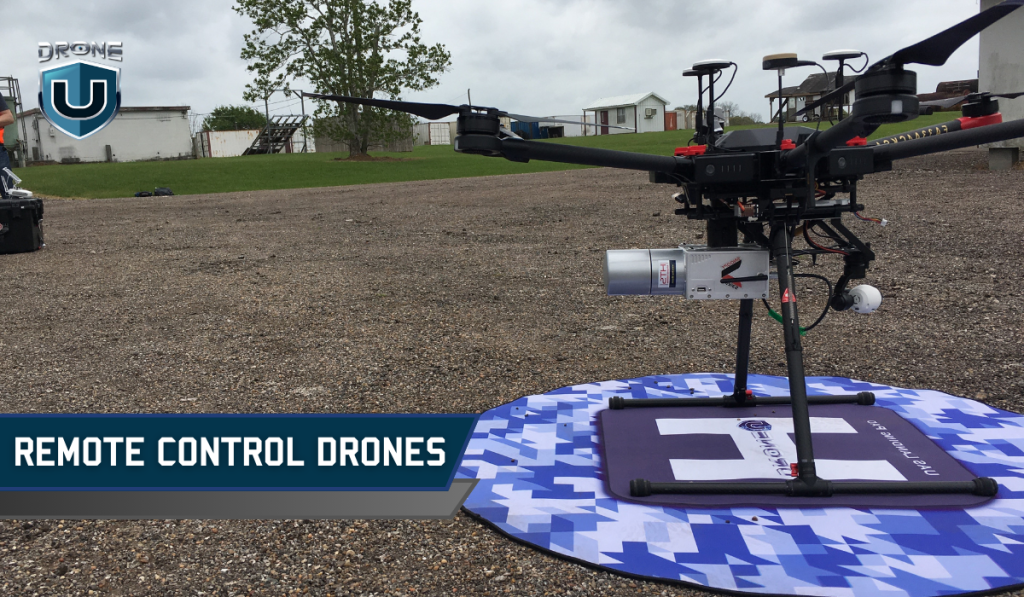
Ever looked up and watched a remote control drone zip across the sky, and thought, “I want to do that!”? You’re not alone! Flying drones is one of the most exciting hobbies today. It combines cool tech, creativity, and a whole lot of fun.
RC drones are more than just flying cameras; they’re advanced aerial tools that are reshaping many industries. They capture stunning photos and videos from the sky. They are also used for surveying land, inspecting construction sites, and monitoring infrastructure. Some drones are even used to deliver packages. Smart, versatile, and reliable, these drones have become essential for professionals across a wide range of fields.
This comprehensive guide is for anyone new to RC drones. We’ll explore the different types of RC drones, how they work, and how to choose the right one for your needs. You’ll also learn about the best models for beginners and practical tips for their applications and maintenance.
Ready to take off?
Let’s dive in and see how these remote-controlled wonders work!
First up, why remote control drones?
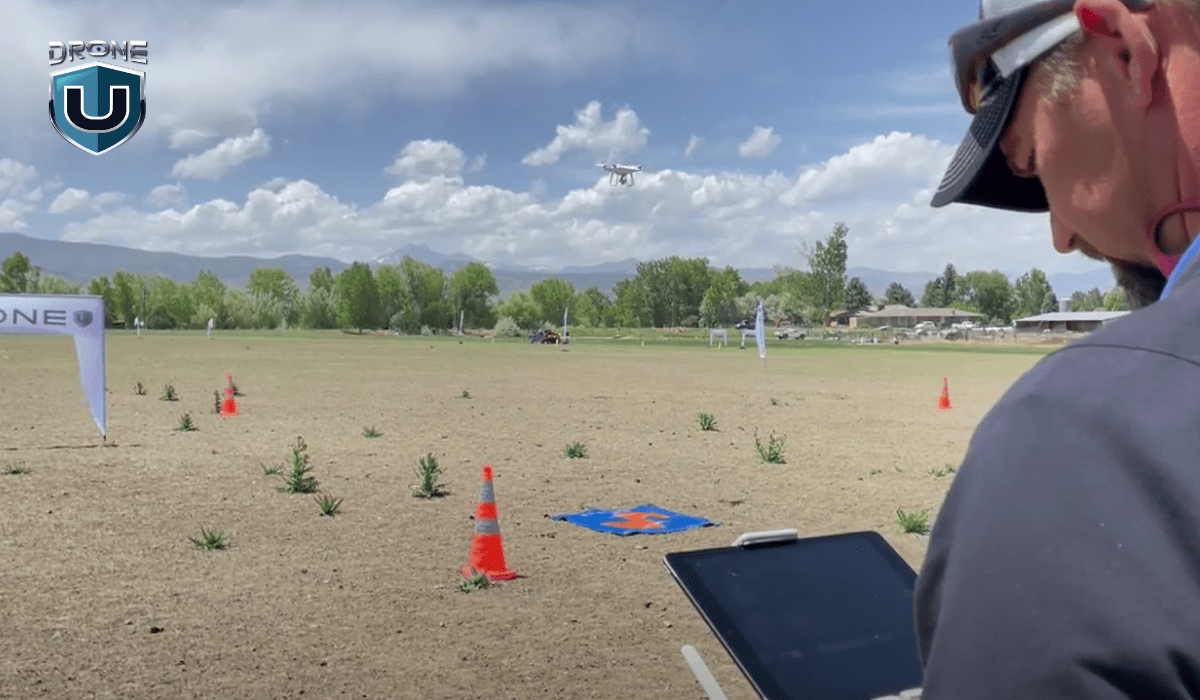
Remote control drones are game-changers. They offer a safe, efficient, and affordable way to get things done.
Remember those stunning aerial photos or videos you see from crazy angles? Drones made them possible, capturing what was once unreachable without expensive equipment or putting professionals at risk.
Even in search and rescue missions, drones can quickly scan vast areas and access challenging locations.
Essentially, drones have revolutionized the way we approach various tasks and challenges.
Before moving forward, let’s discover the different types of remote-control drones.
Remote control drones come in various shapes and configurations. Each is designed for specific applications. Here are some of the most common types:

These drones have four rotors and are among the most popular and versatile types. They are suitable for various applications, including aerial photography, videography, and recreational flying.
| Pros | Cons |
|
|
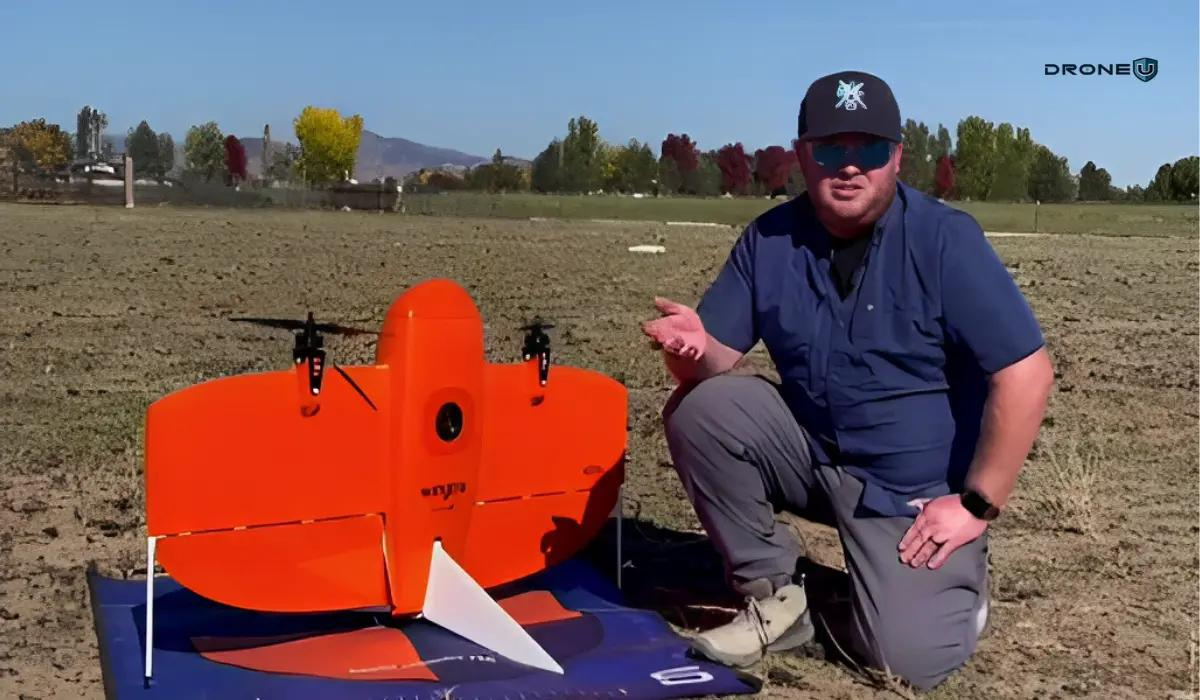
Fixed-wing drones resemble traditional aircraft, with wings and a fuselage. They are typically used for long-range missions, such as surveying and mapping, due to their efficient aerodynamic design.
| Pros | Cons |
|
|
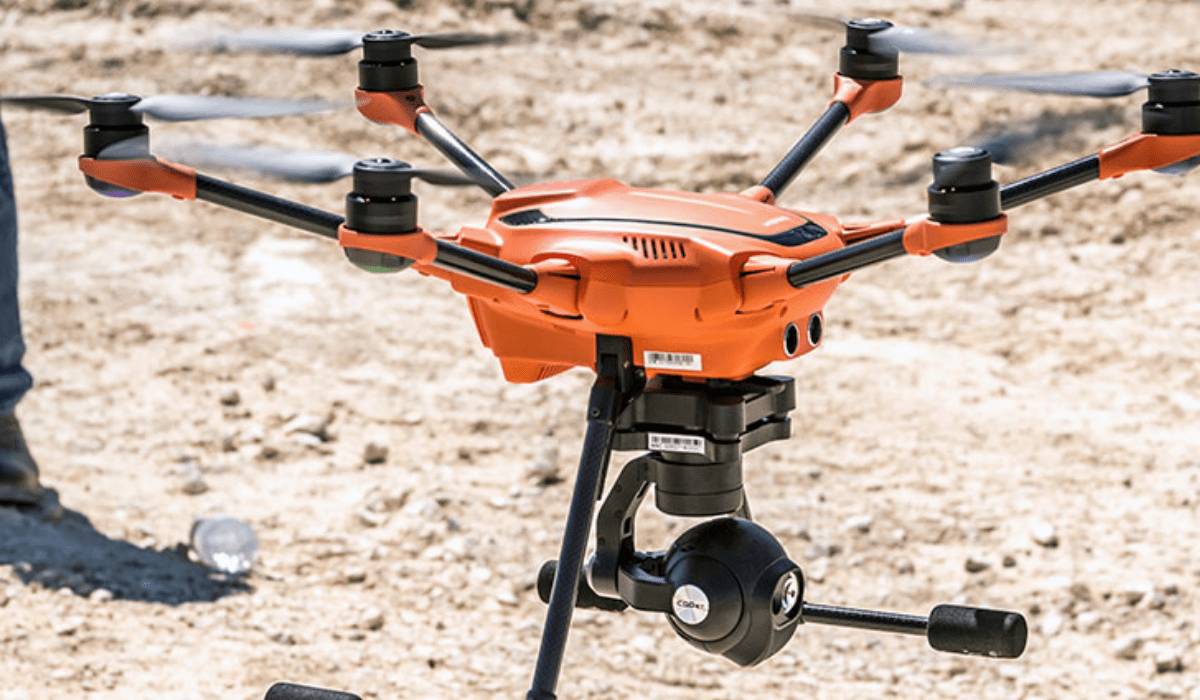
Multirotor drones have more than four rotors, usually six (hexacopter) or eight(octocopter). They are known for their stability and the ability to carry heavier cameras or equipment. They’re suitable for professional applications like inspection and cargo delivery.
| Pros | Cons |
|
|
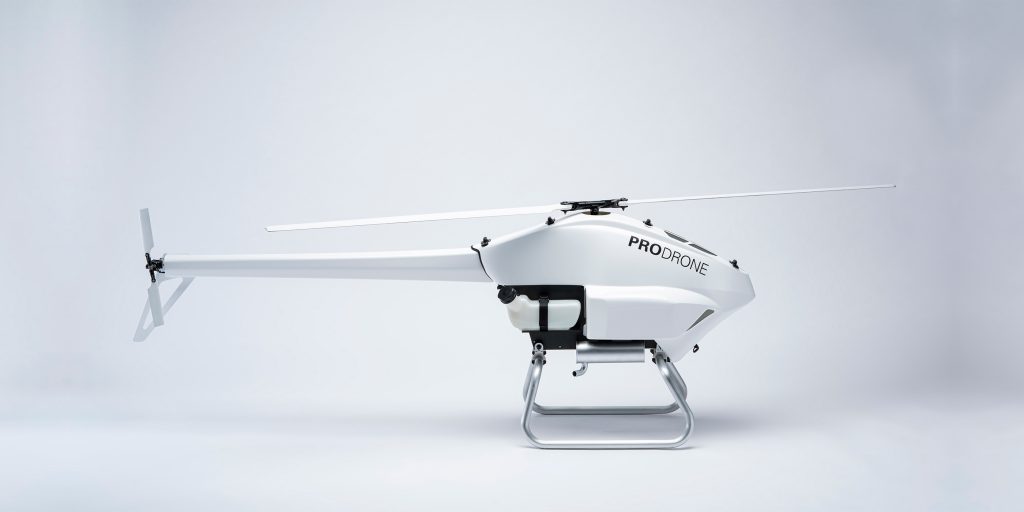 Credit: Prodrone
These drones mimic the design of traditional helicopters, with a single main rotor and a tail rotor. They are often used for specialized tasks like search and rescue operations or aerial filming in tight spaces.
| Pros | Cons |
|
|
Now, let’s understand how you can choose the perfect RC drone for yourself.
Your choice of a drone depends on your individual needs and preferences. The right model for you may not be the most expensive one, but the one that matches your skills and purpose. Here are the key factors to consider for choosing the right remote control drone:
Beginners can start with a stable, easy-to-control drone. Look for features like altitude hold, headless mode, and return-to-home. If you already have some experience, look for drones with agility and customization for tricks or racing. Professionals usually go for drones with long flight times, high-quality cameras, and advanced flight modes.
Determine why you need the drone. Is it for recreational flying, racing, capturing professional photography, or surveillance?
Each purpose demands different specifications in terms of speed, stability, camera quality, and durability.
Set a budget to find the perfect balance between the features you need and affordability. Remember, generally, pricier drones offer better performance and more features. Expensive doesn’t always mean better for beginners. Start small, upgrade later.
Think about how far and how long you want to fly. Longer flights and ranges are great for exploring or pro photography, but cost more.
If you want stunning aerial photos or videos, pay attention to:
Let’s explore the top 5 RC drones for beginners.
Choosing your first drone can feel overwhelming. To make it easier, here are five beginner-friendly drones that balance price, features, and ease of use.
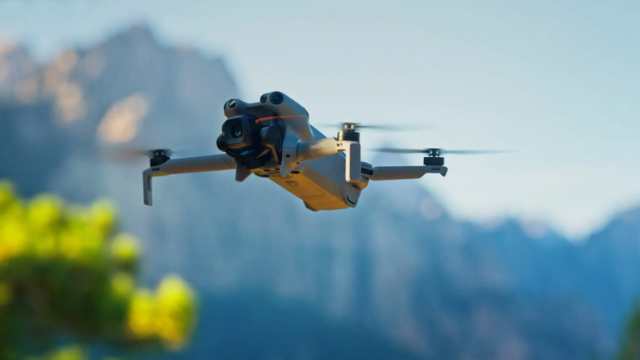
Credit: DJI
The DJI Mini 5 Pro is a great choice for beginner and hobbyist drone pilots looking for high-end features in a compact drone. It’s lightweight, easy to fly, and captures excellent photos and videos. Its foldable design and sub-250g weight let you easily pack it for travel and shoot aerial footage on the go.
The Mini 5 Pro combines advanced imaging capabilities with portability, making it perfect for capturing stunning aerial footage wherever you go.
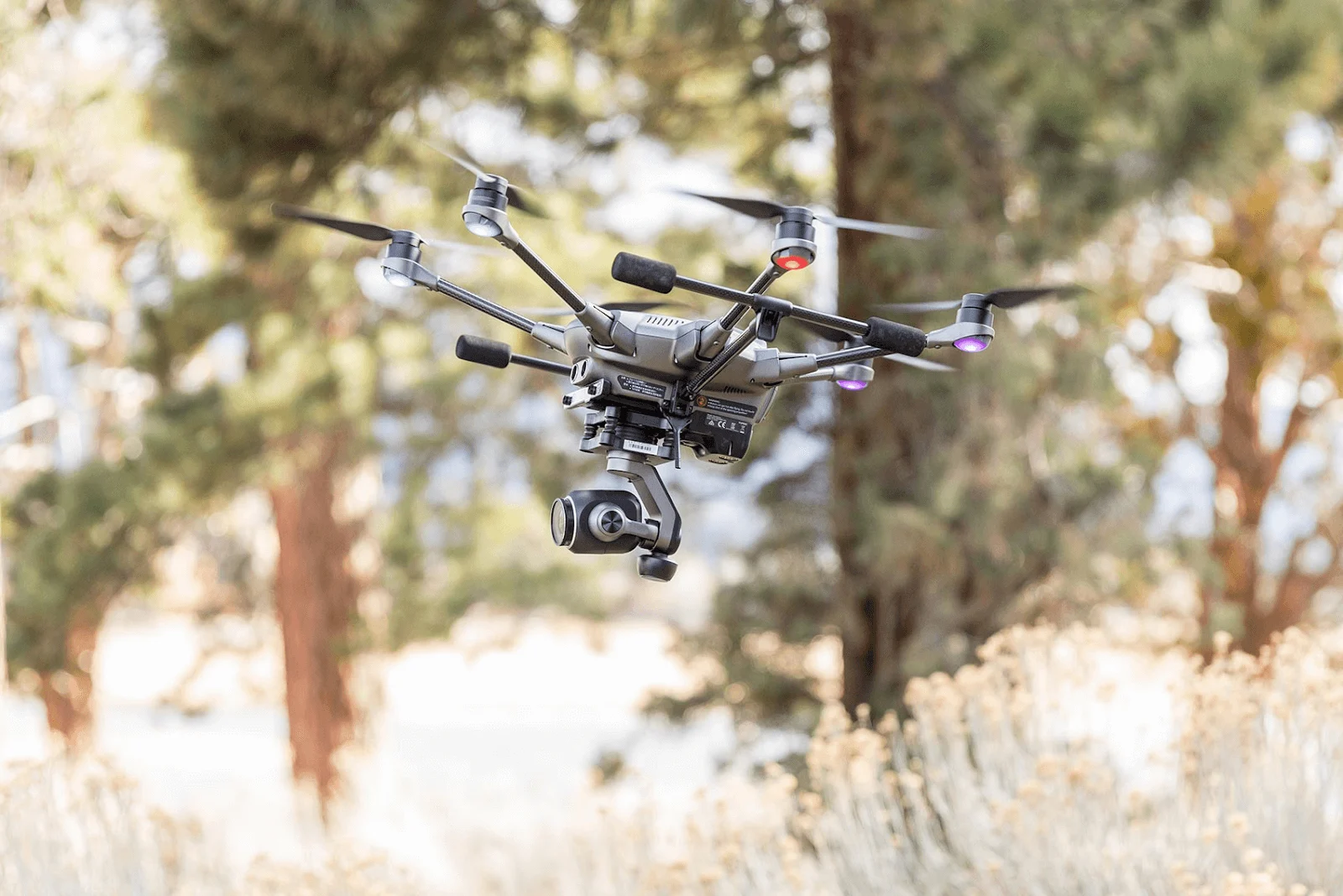 Credit: Yuneec
The Yuneec Typhoon H Plus is a versatile and reliable drone with a user-friendly ST16S controller. It comes with a 1-inch, 20MP camera mounted on a 3-axis gimbal. The gimbal allows full 360° rotation, making it easy to capture shots from any angle.
Typhoon H Plus stands out with its six-rotor design that ensures stability and safety. It also features obstacle detection, with the option to add Intel RealSense technology for advanced collision avoidance.
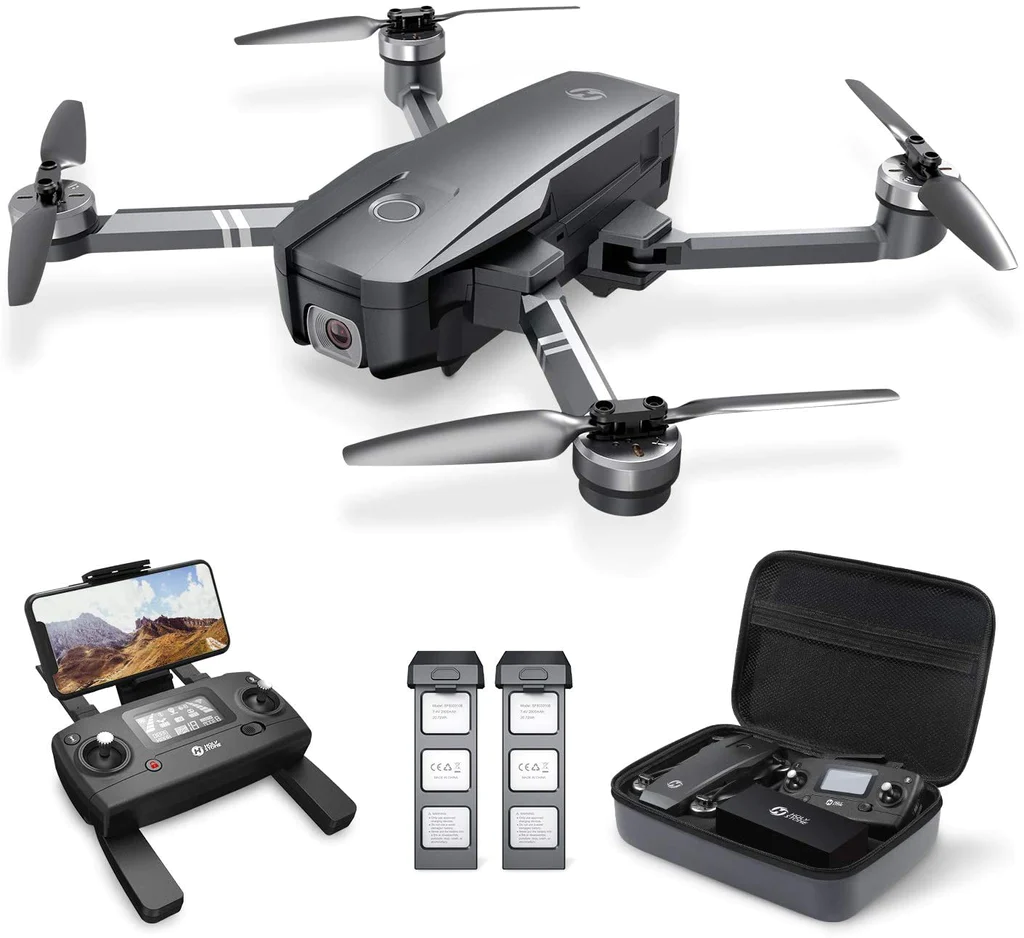 Credit: Holy Stone
The Holy Stone HS720E is an affordable option for beginners. It offers a stable flight experience and decent camera quality for the price. The controls are simple and beginner-friendly, making it easy to get started.
The HS720E provides a balance between affordability and functionality, making it a solid choice for newcomers to drone flying.
Credit: RyzeRobotics
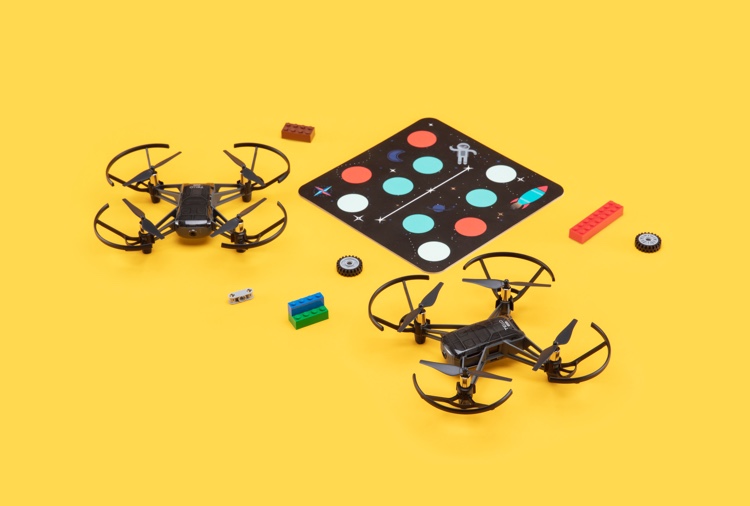
The Ryze Tello EDU is a small, lightweight drone made for beginners and classrooms. You can program the drone with Scratch, Python, or Swift, starting with simple commands and building up to more advanced code. It offers a practical approach to learning both drone piloting and basic programming.
The Tello EDU also supports swarm flying, allowing you to control multiple drones simultaneously for coordinated routines. The mission pads let the drone detect its position and trigger actions automatically. Vision positioning and electronic image stabilization keep it steady, even when you fly indoors.
Credit: Potensic
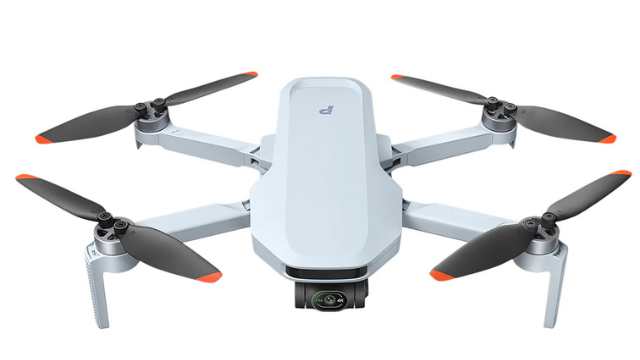
The Potensic Atom 2 is a beginner-friendly drone that balances affordability with advanced features. It weighs under 249 g, making it easy to carry. It has an 8K camera with a 3-axis gimbal, delivering sharp and stable footage.
The drone supports AI tracking and vertical shooting, letting you capture dynamic shots with ease. Its 10 km video transmission range keeps you connected during long flights.
With intelligent flight modes and a compact design, the Atom 2 provides a smooth, beginner-friendly flying experience.
Here’s a quick side-by-side look at the top 5 beginner drones, making it easy to compare price, flight time, and key features at a glance.
| Drone | Camera | Flight time | Standout Features | Best for | Price |
| DJI Mini 5 Pro | 50MP, 4K HDR @ 120fps | 36 minutes | 1-inch sensor, LiDAR, 225° gimbal, 360° ActiveTrack, 10-bit D-Log M | Travelers, videographers | $739 |
| Yuneec Typhoon H+ | 4K, 1-inch sensor | 28 minutes | 360° gimbal, Intel RealSense obstacle avoidance, foldable design | Prosumers, filmmakers | $1,899 |
| Holy stone HS720E | 4K, 130° FOV EIS | 46 minutes | GPS-assisted flight, Follow Me, Auto Return Home, budget-friendly | Budget hobbyists | $299.99 |
| Ryze Tello EDU | 5MP, 720p | 13 minutes | Programmable via Scratch, Python, Swift, swarm flying, educational tool | Students, Learners | Not Specified |
| Potensic Atom 2 | 48MP, 4K HDR @ 30fps | 32 minutes | 3-axis gimbal, AI tracking, vertical shooting, 10 km transmission, lightweight | Beginners, hobbyists | $359.99 |
Now that you know the best drones, let’s quickly see how RC drones work so you can fly with confidence.
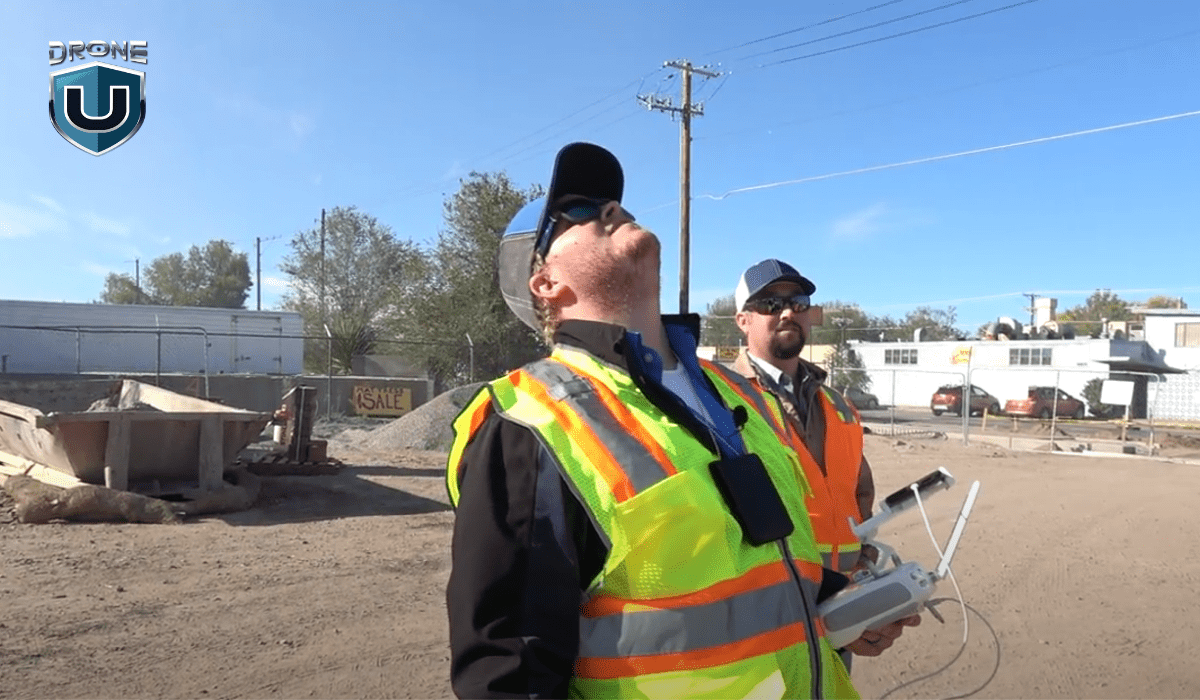
The science and art behind remote control drones involve a fascinating blend of aerodynamics, electronics, and robotics. Here’s an overview of how these incredible flying machines work:
Drones rely on the principles of aerodynamics to achieve controlled flight. Their design incorporates fixed or rotary wings that generate lift when moving through the air. Fixed-wing drones operate similarly to airplanes, using wings and control surfaces for lift and maneuvering. Rotary-wing drones, like quadcopters and hexacopters, use propellers to generate lift and control their movement.
Drones are powered by electric motors that spin the propellers or provide thrust for fixed-wing models. These motors draw power from rechargeable batteries. Most drones use lithium-polymer (LiPo) batteries, which offer high energy density and fast discharge rates. The power system also includes electronic speed controllers (ESCs) that regulate the power delivered to each motor.
At the heart of a drone’s operation is its flight control system, which consists of sensors and a flight controller. The sensors, such as accelerometers, gyroscopes, barometers, and GPS receivers, work together to collect data on the drone’s orientation, altitude, and position.
The flight controller, a small onboard computer, processes this information. It runs algorithms to stabilize the drone and respond to your commands from the remote control.
Drones are controlled remotely using a handheld transmitter. This transmitter communicates with the drone’s receiver via radio frequency (RF) signals. The transmitter usually has joysticks or other controls to command the drone’s movements. Many transmitters also feature a video display for viewing the live feed from the drone’s camera.
Many drones today include cameras, perfect for capturing stunning aerial photography and videography. These cameras are often mounted on gimbals, which are motorized systems that keep the camera steady and compensate for the drone’s movements. This ensures your video is smooth and stable, even if the drone tilts or shakes.
Flying a drone is both a skill and an art. A good pilot learns how to coordinate the controls, understand basic aerodynamics, and predict how the drone will move. With practice, pilots can execute precise maneuvers, capture stunning aerial footage, and even perform acrobatic feats with their drones.
Drones bring together engineering and creativity. They combine smart design, advanced technology, and artistic freedom, allowing you to explore the skies in exciting new ways.
Now, let’s explore the many ways you can use remote control drones and get the most out of them.
Let’s dive into the amazing applications of remote-control drones and understand how these flying machines are changing various industries.
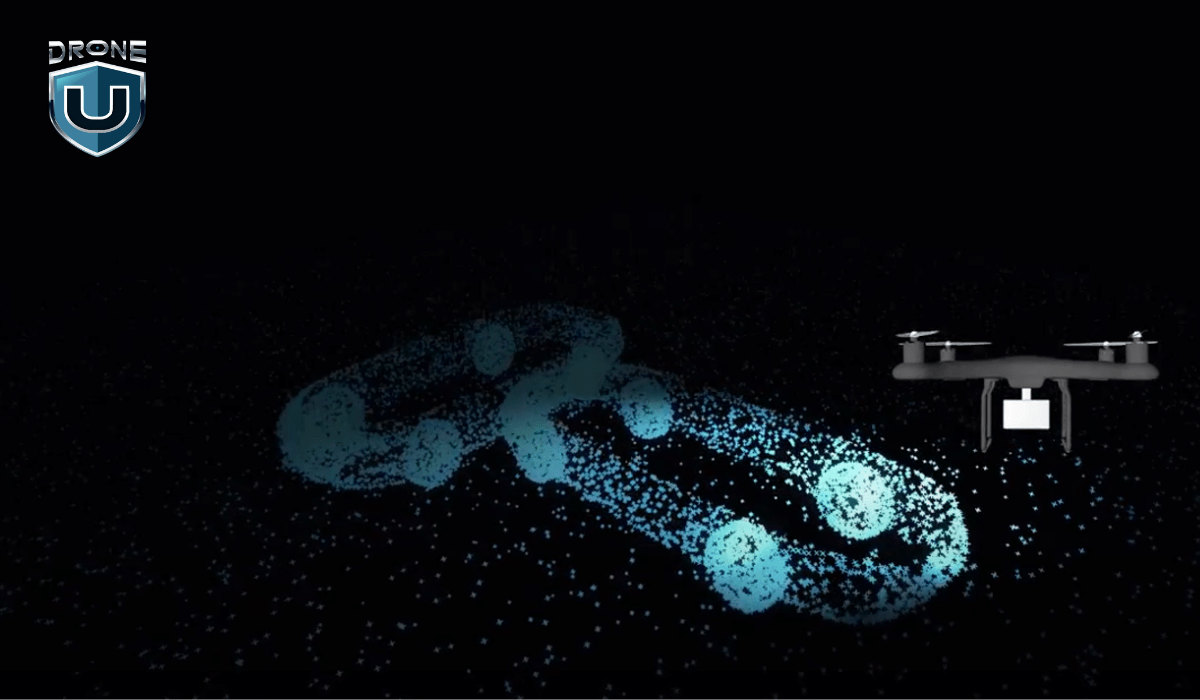
Remote control drones make it easy to create detailed maps and surveys of vast areas. Equipped with high-resolution cameras and LiDAR sensors, they capture data with incredible accuracy and efficiency. These powerful tools are especially useful for surveying land. Thus, creating intricate maps for monitoring construction sites and inspecting mining operations.
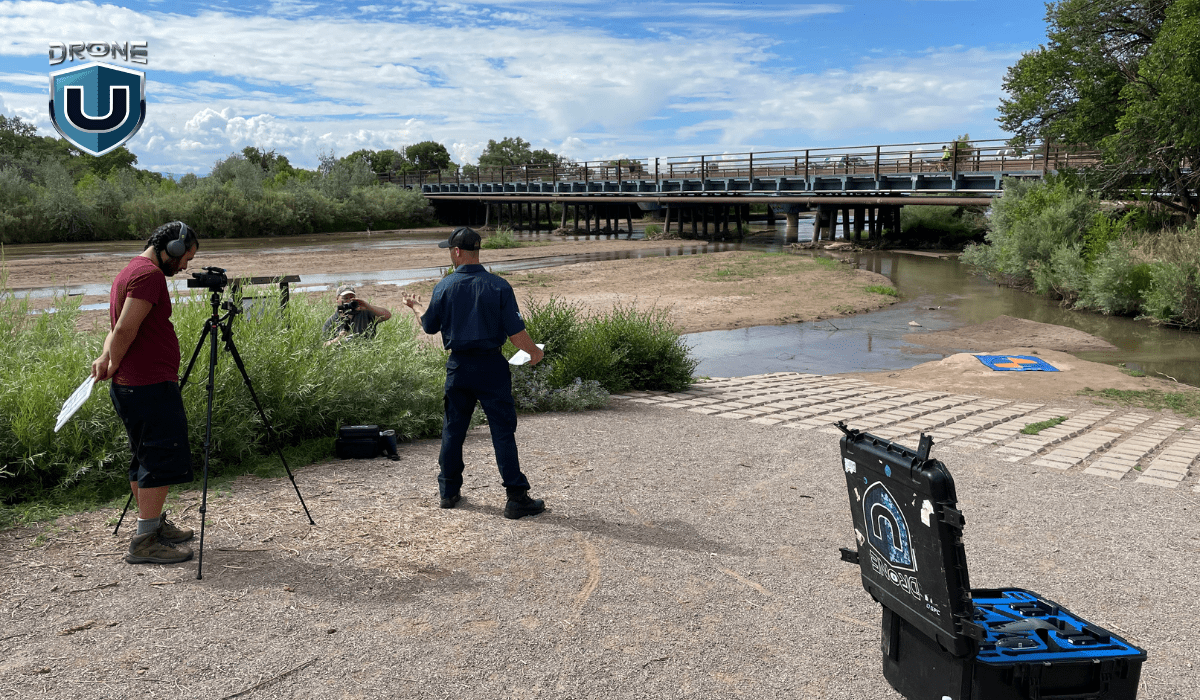
These aerial marvels have become essential tools for rescue teams around the world. You can access hard-to-reach locations and cover vast areas in a matter of minutes. That’s the power of drones in search and rescue operations.
You can deploy drones to locate missing persons in remote or hazardous areas. Hence, assess disaster zones from a safe distance and provide real-time aerial footage to aid rescue efforts.
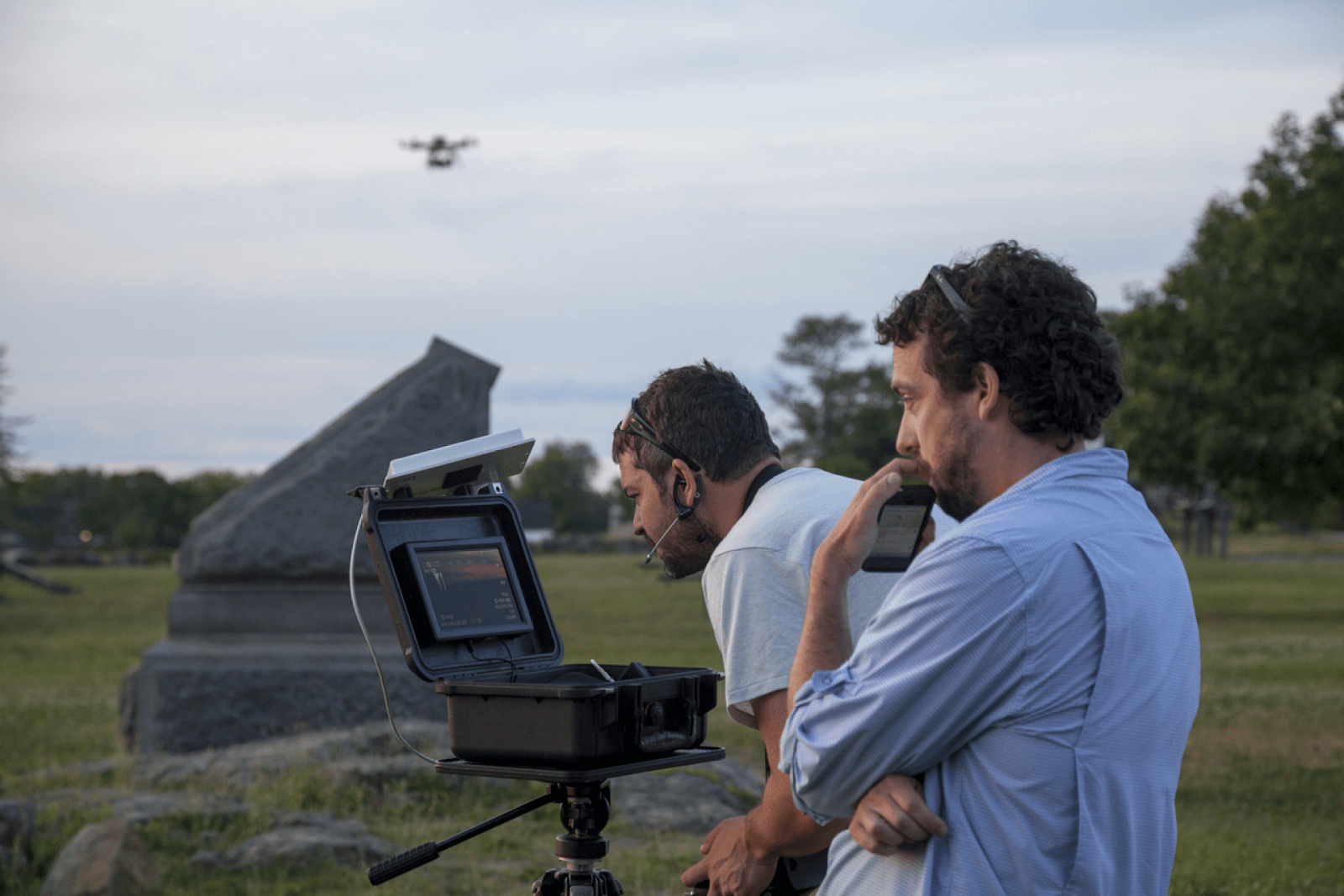 Source: IE
Professional-grade drones with advanced cameras and gimbals have revolutionized the film industry, offering you creative freedom and cost-effective solutions for capturing cinematic shots.
With a drone at your fingertips, you can capture stunning aerial footage and unique perspectives that were once difficult or impossible to achieve.
These powerful tools allow you to get up close and personal with your subjects in ways that traditional cameras simply can’t match.
You can capture crisp, high-resolution images and videos from angles that were once impossible. This lets you push the boundaries of storytelling and keep your audience fully engaged.
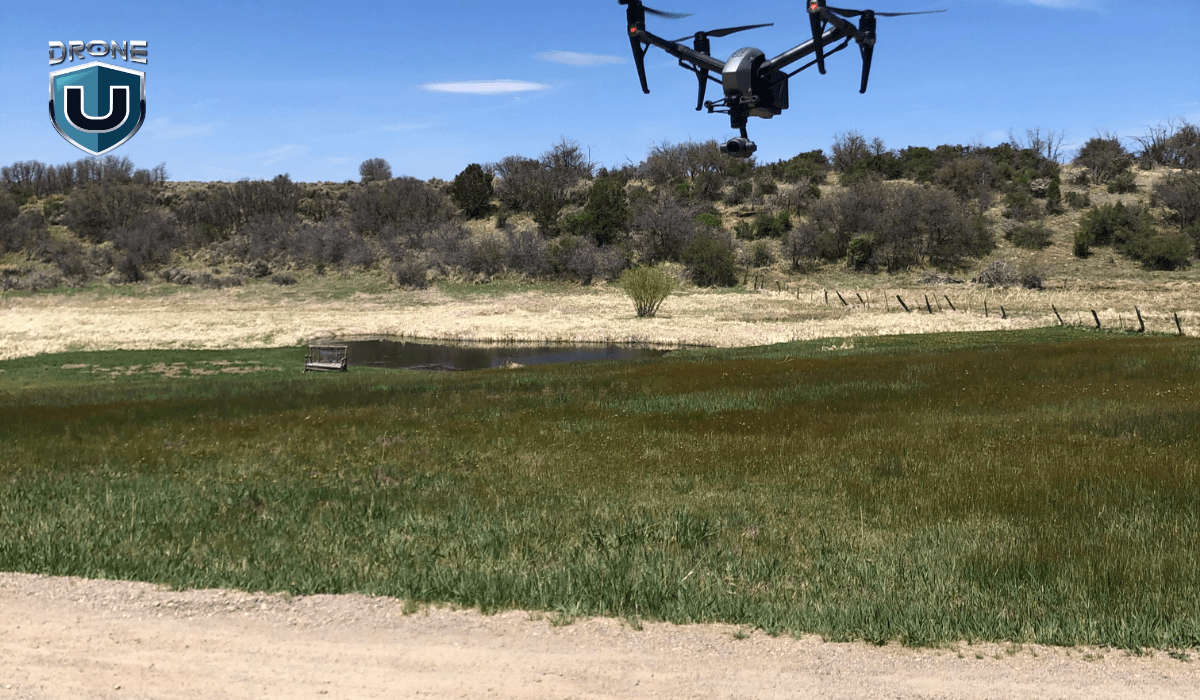
Drones help you monitor crops and detect plant health issues, allowing you to optimize irrigation systems with ease.
These aerial workhorses, among the best drones for agriculture, can also track deforestation and provide accurate assessments of environmental impact.
This aerial perspective helps identify areas of concern quickly and efficiently, saving you time and resources.
With drones by your side, you can stay ahead of potential issues, optimizing yields while minimizing resource consumption and environmental impact.
When you invest a significant amount in drones, it is essential to keep them in good shape. After all, a well-maintained drone is a happy (and long-lasting) drone!
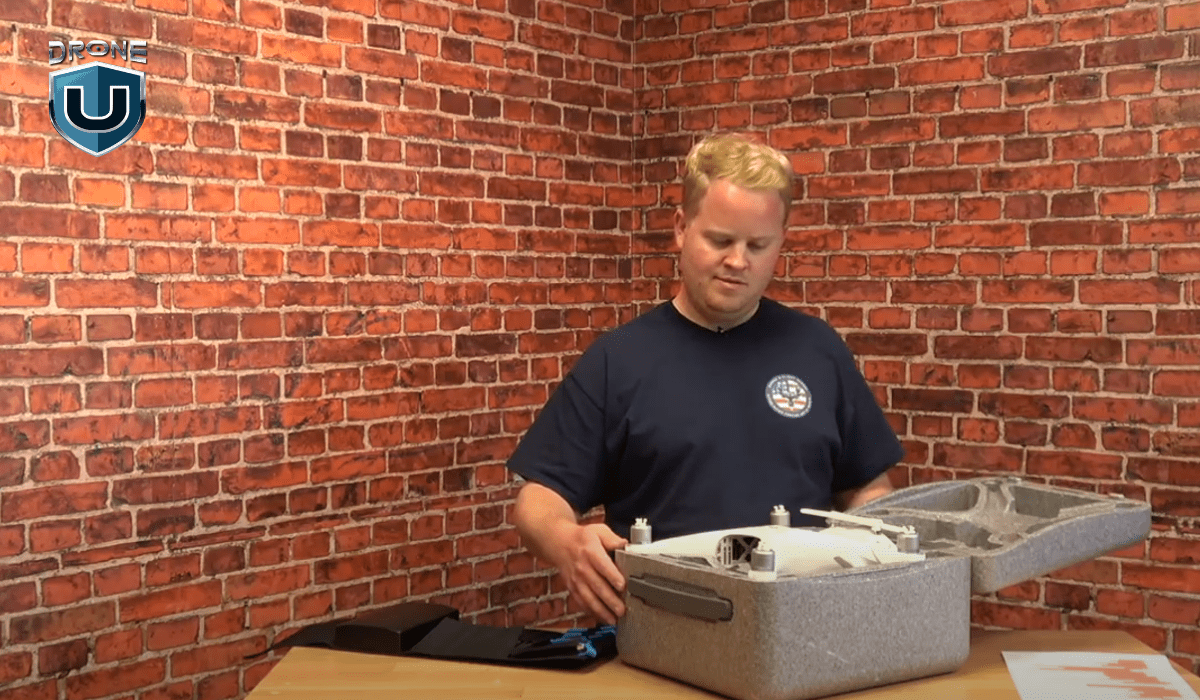
It is important to maintain and care for your drone to ensure its longevity and optimal performance. Proper maintenance not only extends the life of your drone but also enhances safety during flights. To keep your flying marvel in top condition, follow these maintenance tips:
Regularly clean and inspect your drone to catch early signs of damage or wear. This includes:
This simple routine helps prevent small issues from turning into expensive repairs
Proper storage is crucial to prevent damage and maintain your drone’s condition.
Familiarize yourself with common issues and their solutions. This includes:
Knowing how to troubleshoot saves you time and prevents your drone from being grounded unnecessarily.
Manufacturers release updates regularly for better flight stability and new features. Update your flight controller firmware through the official app or software. Also, keep your controller and mobile app updated for smooth communication.
Your drone battery is just as important as the drone itself.
By following these maintenance tips, you can keep your drone reliable, safe, and ready for every flight. A little routine care goes a long way in avoiding crashes, costly repairs, and mid-air surprises.
The world of remote-control drones keeps growing, with new models and features coming out all the time. Whether you are a beginner or an experienced pilot, there’s always something new to learn. Try different flying techniques, experiment with your drone, and stay updated with the latest trends. Always follow local rules to fly safely and responsibly.
Even beginner-friendly drones today include advanced features such as autonomous flight, AI navigation, obstacle sensors, and longer battery life. These features make flying easier and safer. With these features, you can capture smooth aerial videos, create detailed maps, or even fly multiple drones at the same time.
Remember, drones aren’t just fun gadgets; they’re powerful tools for creativity, learning, and discovering new perspectives.
Stay curious, stay informed, and continue pushing the boundaries of what’s possible with remote-control drones.
Want to level up your skills and connect with other drone pilots?
Join Drone U today and boost your drone skills with expert flight training, real-world insights, and a drone pilot community.
In many countries, you may need a license or certification to fly a drone for commercial purposes or if your drone weighs above a certain threshold. For recreational use with smaller drones, a license is usually not required. However, you may still need to register your drone and follow local flight rules.
It’s generally not recommended to fly your drone in adverse weather conditions, such as heavy rain, strong winds, or thunderstorms. These conditions can affect the drone’s stability, reduce visibility, and increase the risk of crashes or damage.
To maintain your drone’s battery life, follow the manufacturer’s guidelines for proper charging and storage. Avoid exposing the batteries to extreme heat or cold. Moreover, always use the recommended chargers and power sources.
When flying your drone near wildlife, it’s essential to maintain a safe distance and avoid disturbing or harassing animals. Additionally, be mindful of local regulations and guidelines regarding drone use in protected areas or wildlife habitats.
The legality of using drones for package delivery varies by country and region. In many areas, commercial drone delivery operations are subject to strict regulations. Also, it may require specific licenses or certifications. Check local laws before attempting package delivery with a drone.
Yes, there are specialized indoor drones designed for flying in confined spaces, such as houses, offices, or warehouses. These drones are typically smaller, more maneuverable, and equipped with features like obstacle avoidance and stabilization systems for safe indoor flight.
 3
3

Add Your Comment