

FAA Section 2209: What the Proposed Critical Infrastructure Drone Restrictions Mean for Pilots (October 2026 Update)

October 8, 2026
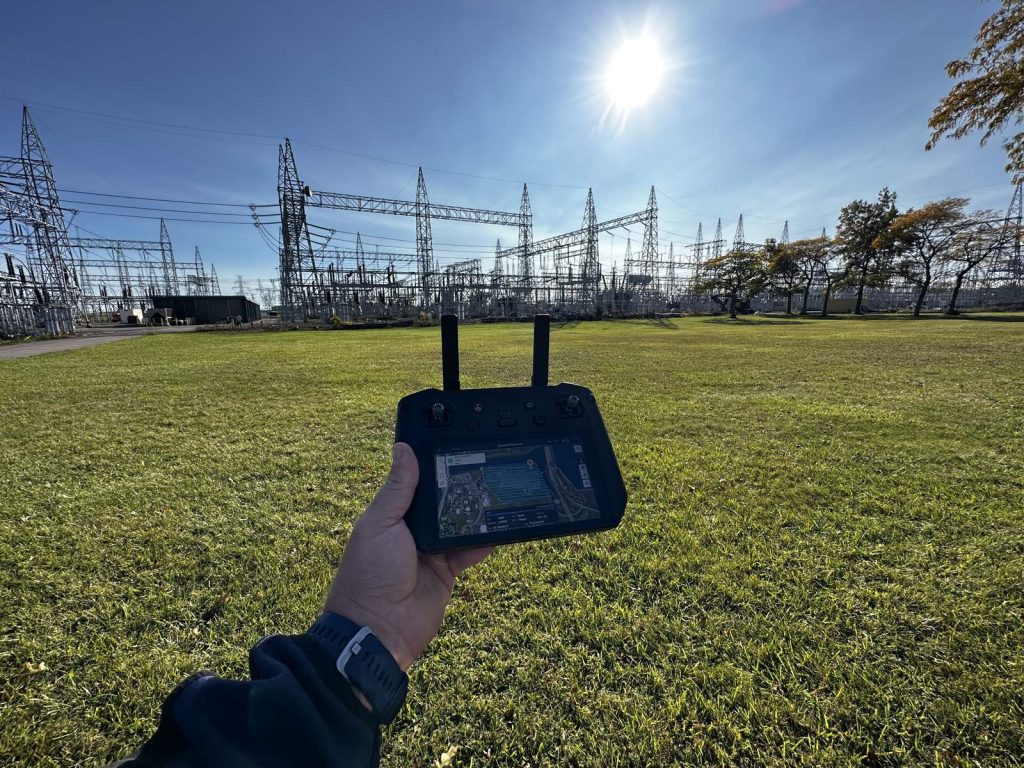
FAA Section 2209 is finally moving. On May 6, 2026, the FAA published a proposed rule that would let critical infrastructure sites, like power plants, refineries, chemical facilities and prisons, request permanent drone flight restrictions over their property.
Congress first ordered this in 2016, and the FAA has missed several deadlines since. As of October 2026, the FAA Section 2209 rule is still a proposal. Below we explain where it stands, what it would mean for Part 107 and recreational pilots, and how to check restrictions today.
Airspace restrictions are already one of the trickiest parts of commercial flying. If you’re not certified yet, our Part 107 certification course covers airspace, TFRs and the rules this proposal builds on.
Technically, “FAA Section 2209” is shorthand. The section comes from the FAA Extension, Safety, and Security Act of 2016 (Public Law 114-190), signed July 15, 2016. Specifically, it directed the FAA to create a process for operators of fixed site facilities to petition for drone restrictions nearby. The law’s list included critical infrastructure like energy production, transmission and distribution facilities, oil refineries, chemical facilities and amusement parks.
Since then, Congress has pushed the FAA twice:
In other words, the 2024 deadline for a proposal fell in mid-August 2024. The FAA published it about 21 months later, and the final-rule clock started then.
| Date | Milestone |
|---|---|
| July 15, 2016 | Section 2209 becomes law |
| May 16, 2024 | FAA Reauthorization Act of 2024 adds deadlines |
| June 6, 2025 | Executive Order 14305, “Restoring American Airspace Sovereignty,” directs the FAA to develop a process for restricting drone flights over fixed site facilities |
| May 6, 2026 | Proposed rule published (91 FR 24650, Docket FAA-2026-4558) |
| June 30, 2026 | Comment period extended from July 6 to August 5, 2026 |
| August 5, 2026 | Comments closed |
| About September 2027 | Statutory deadline for a final rule (16 months after the proposal) |
As of October 1, 2026, no final rule has been published in the Federal Register. So nothing in this proposal applies to your flights yet. However, the statutory clock is now running.
To implement FAA Section 2209, the agency proposes a new 14 CFR Part 74. It would create Unmanned Aircraft Flight Restrictions (UAFRs) over eligible fixed sites. Here are the key details, as proposed:
Once approved, UAFRs would be listed in FAA Order JO 7400.12 and shown on a public FAA website. The FAA calls a UAFR a “virtual no trespassing sign.” However, it doesn’t physically block drones, and it doesn’t authorize facilities to use counter-drone technology. Instead, facilities would have to deploy Remote ID receivers to monitor drone activity.
There’s also a stricter tier. “Special UAFRs” would cover locations with credible safety or security threats, such as certain federal security, intelligence and defense sites. Those would need permission from the using agency in addition to the FAA.
Scale matters here, too. For example, the FAA’s cost analysis uses a scenario of more than 9,000 eligible facilities obtaining UAFRs.
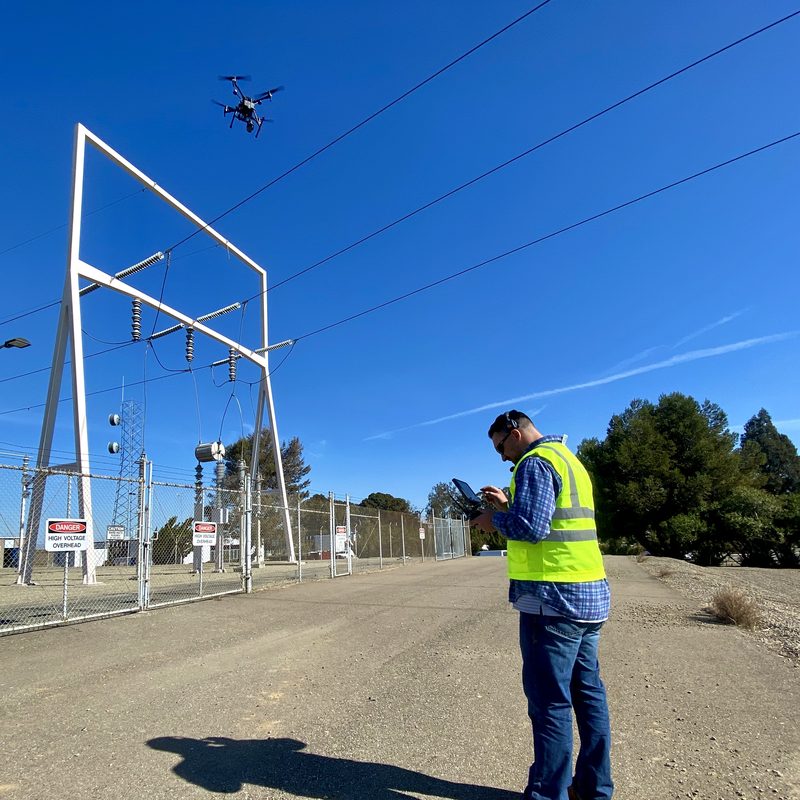
This is where the proposal gets practical. Under proposed §74.250, only certain operations could enter a standard UAFR.
Part 107 operations with an airman certificate are on the allowed list, and so are qualifying Part 91, 108, 135 and 137 operations. Even so, you’d have to:
In addition, the proposed notice would include your name and contact info, an on-site phone number, your airman certificate number, your Remote ID serial number, your registration number, the UAFR site ID, the date, time, number of drones and area, plus the type of operation.
Importantly, the FAA says nothing in the proposal would give site managers authority to approve or deny your flight. The notice is for situational awareness. Additionally, the FAA is considering a web-based notification module and a possible Remote ID “whitelist” to cut the paperwork.
What about inspections? Here the FAA acknowledges that some work, like infrastructure inspections for the facility itself, isn’t simple transit. It asked the public whether the “shortest practicable time” language is broad enough to cover that.
Recreational flying under 49 U.S.C. 44809 isn’t on the proposed allowed list. In fact, the FAA’s own example says Part 107 and recreational operators could fly around a 400-foot UAFR, but not over it. For hobbyists, a UAFR would effectively be a no-drone zone.
As proposed, violating a standard UAFR could bring civil enforcement, including certificate action. For national security UAFRs, the proposal also points to potential criminal penalties under federal law.
Until a final FAA Section 2209 rule takes effect, use the tools that apply right now:
Also watch for moving restrictions around certain federal assets. We covered that in our post on moving drone no-fly zones.
FAA Section 2209 has been “coming soon” for a decade. Still, this time there’s a real proposal, an executive order and a statutory clock. Here’s how we’d prepare:
Ultimately, more restrictions reward pilots who plan carefully. Meanwhile, the ones who skip checks will be the ones facing enforcement. We’ll update this post when the FAA Section 2209 final rule publishes.
Is the critical infrastructure drone rule in effect?
No. As of October 1, 2026, it’s a proposed rule. Comments closed August 5, 2026, and no final rule has been published.
Would a restriction let a facility take down my drone?
No. The proposal says a UAFR doesn’t authorize detection or mitigation technology. Those activities stay subject to existing federal law.
Where would restrictions be published?
As proposed, in FAA Order JO 7400.12 and on a public FAA website. The FAA also notes that manufacturers could use the public UAFR database.
Restrictions like FAA Section 2209 build directly on Part 107 knowledge. Drone U has 10+ years of in-person drone training and 14+ years of online drone education, and we teach airspace the way working pilots use it.
Enroll in Drone U’s Part 107 course for $147 (regularly $197). It includes on-demand video lessons, FAA-aligned quizzes (score 90%+ and you’re ready), a downloadable study guide, the private Drone U community, lifetime access and a 14-day money-back guarantee.
Training a team? If your crews inspect utilities, energy or other critical infrastructure, explore our Enterprise Drone Programs or book a consultation.
Sources
 1
1
