Quick Answer: Future of Drones in 2026
The global commercial drone market was valued at $38.2 billion in 2025 and is projected to reach $189.9 billion by 2034 (IMARC Group). In 2026, four major shifts are driving growth: BVLOS expansion, AI-powered autonomy, faster mapping workflows, and FAA regulatory progress on Part 108.
Top industries hiring drone pilots in 2026: Energy and utilities, construction and mapping, logistics and delivery, public safety, and agriculture.
Key regulatory change: The FAA’s proposed Part 108 framework will replace waiver-based BVLOS approvals with standardized performance requirements, potentially unlocking large-scale automated drone operations.
Highest-demand skills: LiDAR and photogrammetry, thermal imaging, AI oversight, and regulatory compliance. |
Drone Industry Trends 2026 Preview: Tech, Regulations & Career Opportunities
The global commercial drone market reached $38.2 billion in 2025 and is projected to grow to $189.9 billion by 2034, according to the IMARC Group. For drone professionals, 2026 marks a turning point. AI autonomy, BVLOS expansion, and FAA regulatory progress are moving from pilot projects to standard operations.
The consumer drone market is projected to reach $6.3 billion in 2026 (Persistence Market Research). The drone delivery segment alone is expected to reach $6.8 billion by 2026, driven by BVLOS expansion and urban logistics demand.
If you fly drones professionally, this surge means more demand for services, bigger clients, and more complex missions.
In this guide, we’ll explore the technologies, regulations, industries, and career opportunities that will shape drone use in 2026. We’ll also break down how these trends will affect your daily drone operations.
Why 2026 Matters for the Future of Drones
2026 is shaping up to be a turning point because three major factors are aligning at once: stronger enterprise investment, faster progress in AI-driven tools, and more precise movement on FAA rulemaking.
Companies are now building long-term workflows around drones. They rely on consistent data, automation, and repeatable missions, not one-off projects. This provides both businesses and pilots with a more stable environment in which to grow.
Here’s what’s driving the momentum in 2026:
- AI tools now support daily operations, not just testing.
- Enterprises commit larger budgets to inspection and mapping programs.
- Regulatory progress reduces uncertainty around BVLOS and automated flights.
- Industries shift from trials to full-scale adoption, creating steady demand for skilled pilots.
The Future of Drone Technology: Core Innovations Shaping 2026
In 2026, drones are more capable, efficient, and autonomous than at any previous point. Several innovations are changing how pilots operate and how companies rely on drones.
From longer-range flights to more intelligent data processing, these developments are shaping the tools and skills you’ll need to stay ahead.
1. BVLOS and Scalable Operations
One of the most significant changes in 2026 will be the expansion of BVLOS (Beyond Visual Line of Sight) operations. Until now, pilots mostly had to keep drones within their line of sight. BVLOS allows drones to fly much farther. This capability enables large-scale inspections, deliveries, and the monitoring of infrastructure such as power lines and pipelines.
New technologies, such as detect-and-avoid systems and Remote ID compliance, make long-range flights safer. These tools reduce risk and help drones operate more predictably.
BVLOS also enables one-to-many operations. In this setup, a single operator can manage multiple drones simultaneously.
Some organizations are even testing zero-to-many systems. In these situations, drones can be launched and operate autonomously during security or inspection events.
Instead of flying every mission manually, pilots handle system checks, monitor automations, and step in only when needed.
2. AI Autonomy
AI is no longer just for testing. In 2026, AI-driven systems can handle inspections, route planning, and data analysis automatically. You can use AI drones to detect infrastructure problems, process mapping data faster, and predict maintenance needs. Your role will shift toward supervising AI, checking results, and ensuring safety, rather than flying every mission by hand.
3. Next-Gen Mapping and Data Processing
Mapping workflows are faster and more accurate. Photogrammetry and LiDAR data can now be processed almost in real time. This allows construction, agriculture, and environmental projects to get updated 3D models quickly. Pilots who understand these tools can deliver higher-value services and give clients better, faster data.
4. Advanced Sensors and Industrial Payloads
Drones now carry more than standard cameras. Thermal, multispectral, gas-detection, and edge-processing sensors are becoming common. These sensors let drones inspect energy assets, monitor crops, and survey industrial sites efficiently. Pilots who can operate these sensors, interpret data, and advise clients will be in high demand.
Regulations Shaping the Drone Ecosystem in 2026
Drone technology is moving quickly, and the rules are shifting with it. Updated regulations define how you fly, where you can operate, and how companies use autonomous systems. Understanding these changes can help you plan your operations with fewer surprises
1. FAA Updates Expected in 2026
The Federal Aviation Administration (FAA) is preparing several updates that can directly affect commercial drone work. One of the biggest is the proposed Part 108 rule, designed to create a clear framework for BVLOS and automated operations. It can replace many waiver-based approvals and set standardized requirements for airworthiness, Remote ID, and detect-and-avoid capabilities.
These updates can support longer flights and more routine automated missions. They can also make it easier for companies to run larger inspection programs. At the same time, pilots need to stay compliant as the FAA moves toward clearer operating standards.
2. Airspace Integration and UTM Evolution
Drone traffic management systems, also called UTM (Unmanned Aircraft System Traffic Management), are expanding. These systems coordinate drones in low-altitude airspace and prevent conflicts. By 2026, more states will support the establishment of organized corridors for autonomous flights. Pilots will need to understand how to use UTM platforms for safe and legal operations.
3. Compliance, Safety, and Enterprise Adoption
Clear regulations are essential for businesses to invest in drones. Companies are more likely to scale drone programs if safety and compliance rules are predictable. This means more structured operations, standardized workflows, and higher demand for certified, skilled pilots.
4. Global Policy Shifts to Watch
Regulations are not only changing in the U.S. The EU is expanding its U-space air traffic management system. Asia is fast-tracking autonomous operations approvals. Even if you operate primarily in the U.S., these global trends influence FAA decisions and international project opportunities.
As these regulations clarify and allow broader operations, specific industries will drive the strongest demand for drone services and skilled pilots in 2026.
Industry Sectors Shaping the Future of Drones
In 2026, several industries will drive the most growth in drone use. Understanding these sectors helps you focus on high-demand opportunities and develop the right skills.
1. Energy and Utilities Inspections
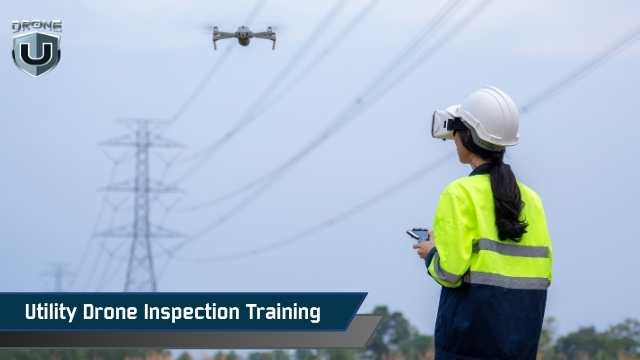
Power lines, pipelines, and solar farms need regular monitoring. Drones reduce inspection time and increase safety by keeping pilots out of dangerous sites. BVLOS and advanced sensors enable longer, more detailed inspections.
2. Construction and Mapping
Construction companies use drones for site surveys and progress tracking. Fast photogrammetry and 3D mapping help teams make decisions quickly. Pilots with mapping and LiDAR experience are in high demand.
3. Logistics and Delivery
Drone delivery is expanding for small packages, medical supplies, and industrial parts. BVLOS flights and automated routes are critical for efficiency. Pilots may oversee fleets and manage route planning rather than flying every delivery manually.
4. Public Safety and Emergency Response
Police, fire, and rescue teams use drones for search and rescue, crowd monitoring, and disaster assessment. Thermal cameras and real-time data enable faster and safer operations. Pilots supporting public safety need skills in data interpretation and rapid deployment.
5. Agriculture and Environmental Monitoring
Drones help monitor crop health, livestock, and environmental conditions. Multispectral and thermal sensors identify irrigation issues, disease, or stress. Pilots with sensor experience can provide farmers and researchers with actionable insights.
Career & Business Opportunities in the 2026 Drone Economy
The growth of drone technology and expanding regulations are creating new roles for pilots and service providers. In 2026, there are more opportunities than ever to turn drone skills into a career or business.
1. High-Growth Drone Careers
Some roles are expected to grow fastest:
- Remote pilots for inspections, mapping, and surveying
- Data analysts and GIS (Geographic Information System) specialists who process and interpret drone data
- AI and autonomy specialists working on flight automation and computer vision systems
Pilots who combine flight experience with data or AI skills will be highly sought after.
2. Drone-as-a-Service (DaaS) Opportunities
Many companies prefer hiring drone services instead of owning them. This creates opportunities in:
- Inspections (energy, utilities, infrastructure)
- Mapping and photogrammetry
- Thermal imaging and environmental monitoring
Offering these services allows pilots to work with multiple clients and scale their operations without owning a large fleet.
3. Startup Opportunities
2026 also opens doors for small businesses and startups, such as:
- Vertical-specific analytics platforms for construction, agriculture, or energy
- Autonomous flight software solutions for enterprise fleets
- Sensor and hardware innovation for specialized applications
Pilots with entrepreneurial skills can create new business models and target niche markets, combining drone technology with AI and analytics to deliver high-value solutions.
Challenges That Will Shape the Future of Drones
Even with rapid growth and new opportunities, 2026 will bring challenges for pilots and businesses. Understanding these issues helps you plan and adapt effectively.
1. Regulatory Delays
FAA rulemaking, especially for BVLOS operations, is moving forward but slowly. Unclear or delayed regulations can limit where and how you fly. Staying informed and compliant is critical for legal and safe operations.
2. Safety, Privacy, and Risk
Flying near people and critical infrastructure raises safety concerns. Privacy is also under scrutiny. Following best practices, using safety systems, and respecting privacy rules help you avoid fines and maintain client trust.
3. Data Bottlenecks vs Real-Time Expectations
Businesses expect fast, accurate data. Large-scale mapping or inspections generate massive amounts of information, which can be hard to process quickly. Pilots with strong data management and analytics skills will be in higher demand.
4. Cost of Scaling Autonomous Operations
Autonomous fleets and advanced sensors are expensive. Balancing technology costs with potential revenue is key. Planning efficient missions and offering high-value services helps manage expenses while scaling operations.
Conclusion
2026 introduces clear changes for drone professionals. AI tools, faster mapping workflows, and wider BVLOS use will directly affect how you plan and deliver missions. FAA updates will define the rules and requirements for safe, compliant flights.
To stay prepared, focus on building stronger data and sensor skills so you can deliver fast, usable results. Track FAA regulatory updates to remain compliant and ready for new drone missions.
At the same time, pay attention to growth sectors like energy, construction, logistics, and public safety to secure steady work.
After 2026, the industry will continue shifting toward higher autonomy, early swarm operations, and deeper links with digital twin and mapping systems. Understanding these systems now positions you ahead of pilots who rely solely on manual flying.
Join DroneU to stay aligned with the future of drones.
 2
2