

Cinewhoop Guide: Why Should You Choose Cinewhoops Over FPV Drones
In this article, we will take you on an exciting journey into the world of cinewhoops. These compact and agile drones are your passport to capturing stunning cinematic aerial shots in even the tightest spaces.
From understanding the advantages and disadvantages to selecting the right model, and factors to keep in mind before making a purchase, we have put together this guide for you.
So, get ready to explore the world of cinewhoops and take your aerial videography skills to new heights with us.
What Is Cinewhoop?
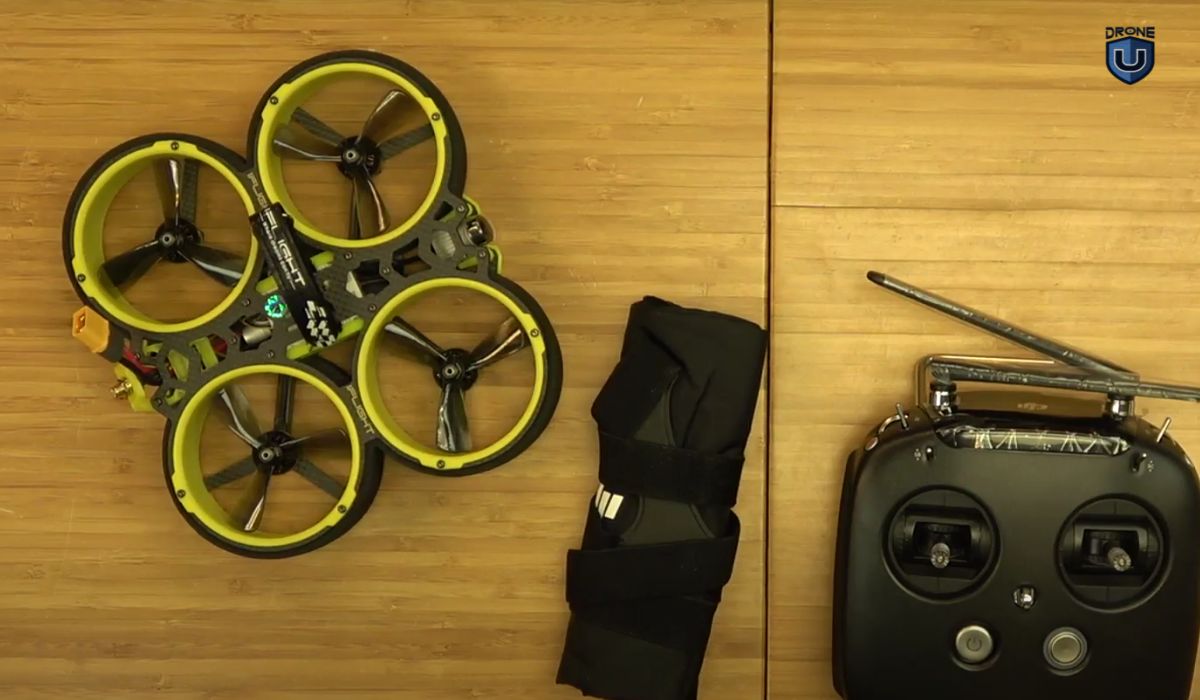
A “CineWhoop” is a type of FPV (First-Person View) drone that’s specifically designed to capture smooth cinematic footage in tight spaces and challenging environments where traditional camera drones might be too large or risky to operate.
Cinewhoops are known for their slow and stable flight characteristics, making them a valuable asset for FPV pilots. It is especially useful for capturing stunning videos in scenic locations or achieving ultra-smooth footage using an HD camera or third-party stabilization software.
Now that we have established that Cinewhoop holds significant value for FPV pilots, the question arises: Why and when should you opt for a Cinewhoop drone instead of a traditional FPV drone?
Let’s delve into this and understand this better.
How Do Cinewhoops Differ From Other FPV Drones?
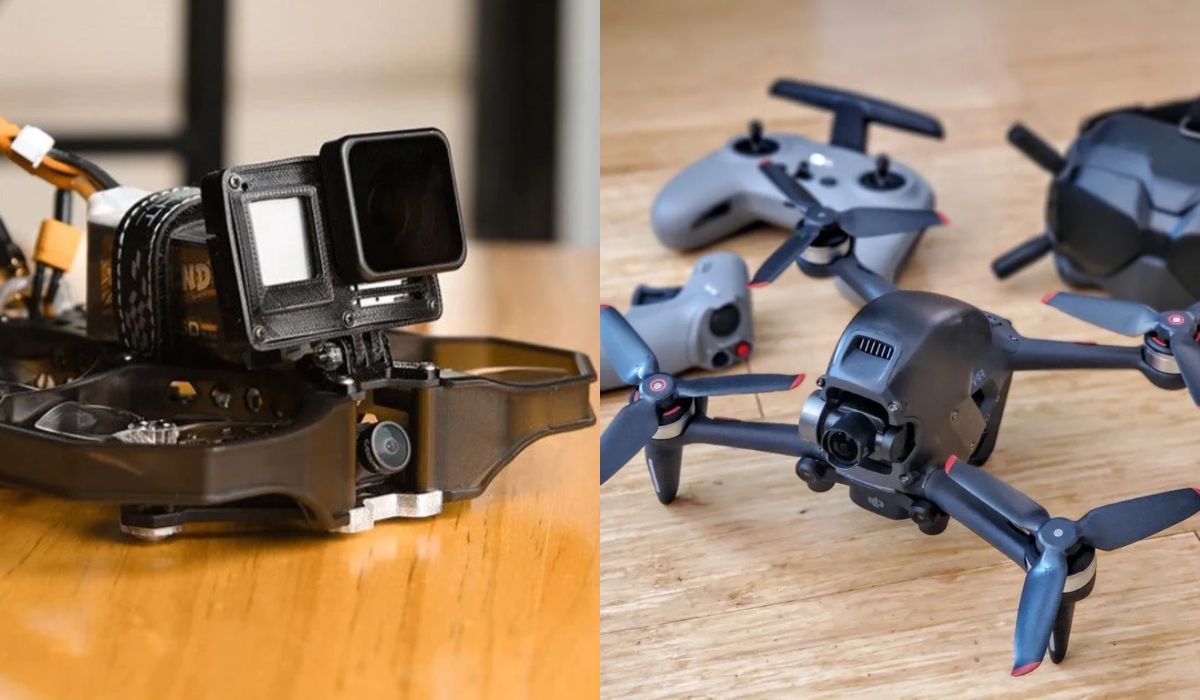 iFlight Protek25 And DJI FPV Drone | Source: 360rumors
The main difference between Cinewhoops and traditional FPV drones typically boils down to their design and intended use.
Cinewhoop drones are specifically built for capturing cinematic footage in tight spaces. Their design focuses on maneuverability and stability, allowing them to navigate through indoor environments, narrow passages, and challenging locations with ease.
Take a look at this video where Paul provides valuable insights on cinewhoops while navigating through Isotopes Park:
With advanced stabilization systems, cinewhoop drones deliver smooth and steady shots even during dynamic flight maneuvers. This makes cinewhoops a fantastic option for capturing captivating and dramatic shots in situations where larger drones might struggle to perform effectively.
Conversely, traditional FPV drones are typically designed for high-speed racing and freestyle flying. They prioritize agility and speed, which are crucial for competitive racing and performing aerial tricks.
FPV drones are usually larger and more powerful, equipped with robust motors and propellers that enable rapid acceleration and intense flight dynamics.
While they can still capture impressive video footage, their emphasis on performance might pose challenges when trying to film in tight or constrained environments.
Here is a comparison to illustrate the differences between CineWhoop drones and general FPV drones:
| Feature/Aspect | CineWhoop Drones | General FPV Drones |
| Primary Purpose | Cinematic video capture in tight spaces | Racing, freestyle, acrobatics, exploring |
| Size | Typically around 3-inch propellers | Varies (2-inch to 7-inch or more) |
| Design | Ducted propellers for protection | Open propeller design, often more aerodynamic |
| Speed | Slower, prioritizing stable footage | Can be extremely fast for racing |
| Maneuverability | Stable and controlled movements | Agile and responsive for acrobatics |
| Camera | High-quality cinematic footage may carry external cameras like GoPro | Varies, often lower quality for pilot view, though can carry HD cams |
| Flight Characteristics | Smooth and controlled | Fast, agile, acrobatic |
| Safety Features | Ducts around propellers for added safety | Fewer protections, more exposed propellers |
| Durability in Crashes | Enhanced due to ducts, but not built for regular crashes | Often built robustly to withstand crashes during races |
| Customizability | Moderate; tweaks for video quality | High; many parts can be swapped out for racing optimization |
| Cost | Moderate to high, depending on the camera and other features | Varies widely; can be low for basic models and high for advanced racing models |
Ultimately, the choice between a Cinewhoop and a traditional FPV drone lies in the kind of content you want to produce and the environments in which you plan to fly.
It is essential to understand that the FPV category is vast and that individual drones can vary widely in terms of features and performance.
Advantages and Disadvantages of Cinewhoop Drones
| Advantages | Disadvantages |
| Can fly through tight spots like buildings or forests | Can’t stay in the air as long as larger drones. |
| Amazing flight controls and stabilization systems that smooth the video, even when flying is tricky. | Due to their small size, Cinewhoops can be more affected by wind and adverse weather conditions. |
| You can fly a Cinewhoop in first-person view (FPV), giving you the feeling of being in the pilot’s seat. | Cinewhoops might not be able to carry additional equipment like advanced gimbals or larger cameras |
| Cinewhoops are simple to carry around, set up, and fly. | They might not be suitable for all cinematic techniques or styles. |
| You can get a Cinewhoop in the air faster than bigger camera drones. | Cinewhoop cameras are good, but not as good as professional cameras, especially in low light. |
| Cinewhoops are budget-friendly, and usually cheaper to fix. | It might be tricky for newbies as flying a Cinewhoop requires practice. |
5 Best Cinewhoops of 2023
Before I tell you about the best cinewhoops available in the market, let me give you a glimpse of one of my favorites – the world’s smallest drone, the BetaFPV Pavo Pico.
Yes, you heard it right. BetaFPV Pavo Pico is the smallest Cinewhoop drone in the world.
What makes BetaFPV Pavo Pico Special?
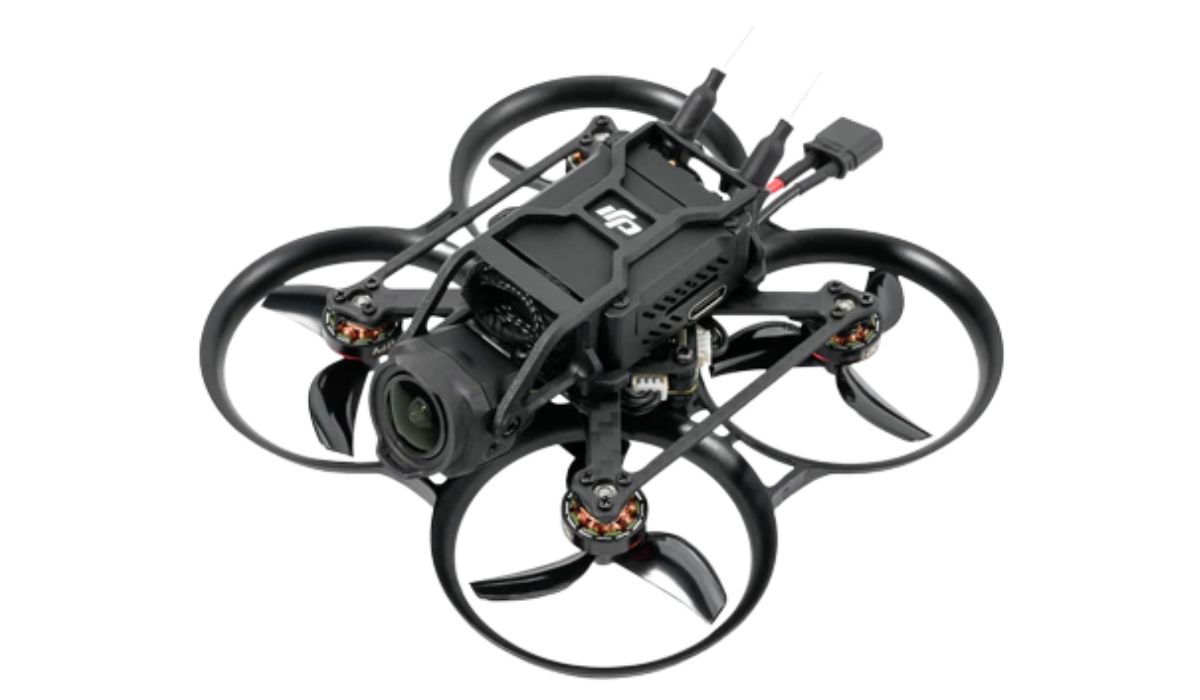 Pavo Pico Brushless Whoop Quadcopter | Source: BetaFPV
After undergoing thorough beta testing, BetaFPV has now officially released the smallest 2S DJI O3 Cinewhoop, Pavo Pico Brushless Whoop Quadcopter, weighing in at approximately 100g.
This ultra-lightweight cinewhoop boasts a compact wheelbase and features 45mm propellers. What sets it apart is its integration of the latest F4 2-3S 20A AIO FC V1, which significantly enhances the overall flying experience. Its split-design HD VTX mounting bracket enables quick installation of popular HD digital VTX modules.
Now here is a list of the best cinewhoop drones for you:
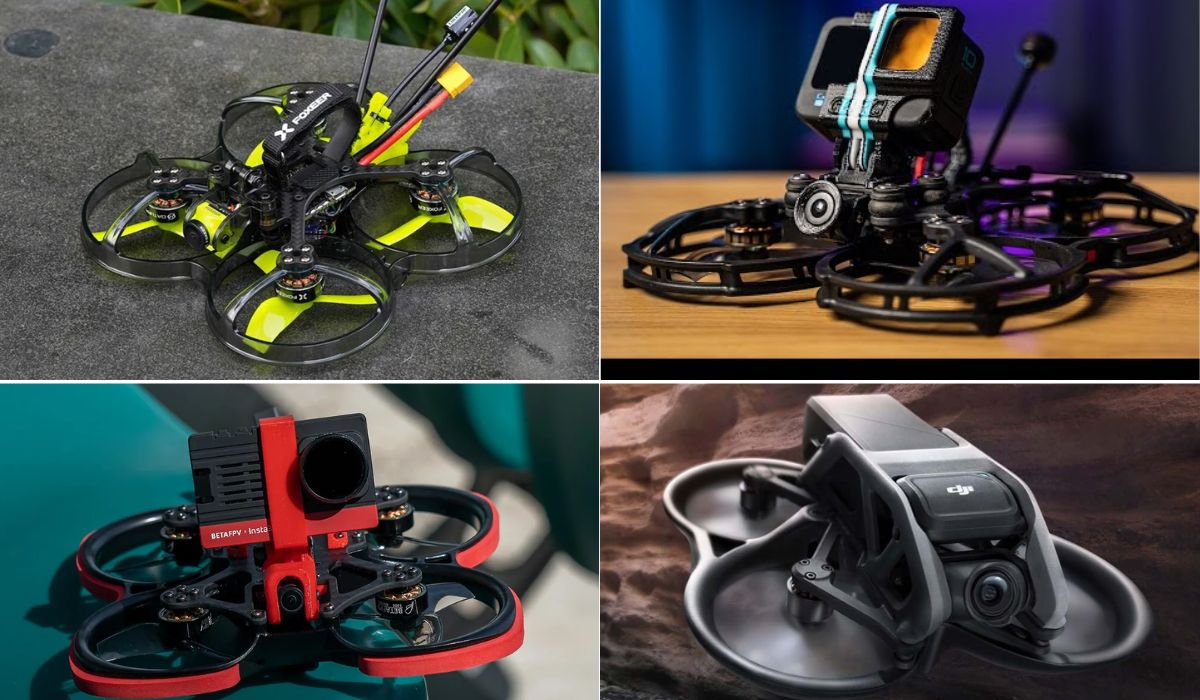 Top Cinewhoop Drones
| Cinewhoop Drone | Features |
| DJI Avata | It has a 1/2.3-inch CMOS sensor with a 120-degree FOV, EIS stabilization, and a 3-axis gimbal. It also has a built-in obstacle avoidance system and a 40-minute flight time. |
| Foxeer Foxwhoop 35 | It has a 1/2.3-inch CMOS sensor with a 120-degree FOV, but it does not have EIS stabilization. It also has a built-in obstacle avoidance system, but its flight time is only 25 minutes. |
| GEPRC CineLog 35 | It has a 1/2.3-inch CMOS sensor with a 120-degree FOV and EIS stabilization. It does not have a built-in obstacle avoidance system, but its flight time is 30 minutes. |
| BetaFPV Pavo25 Cinewhoop | It has a 1/2.5-inch CMOS sensor with a 120-degree FOV, but it does not have EIS stabilization or a built-in obstacle avoidance system. Its flight time is also only 20 minutes. |
| Speedybee Flex 25 | It has a 1/2.3-inch CMOS sensor with a 120-degree FOV, but it does not have EIS stabilization or a built-in obstacle avoidance system. Its flight time is also only 20 minutes. |
Important Factors to Consider Before Buying a Cinewhoop
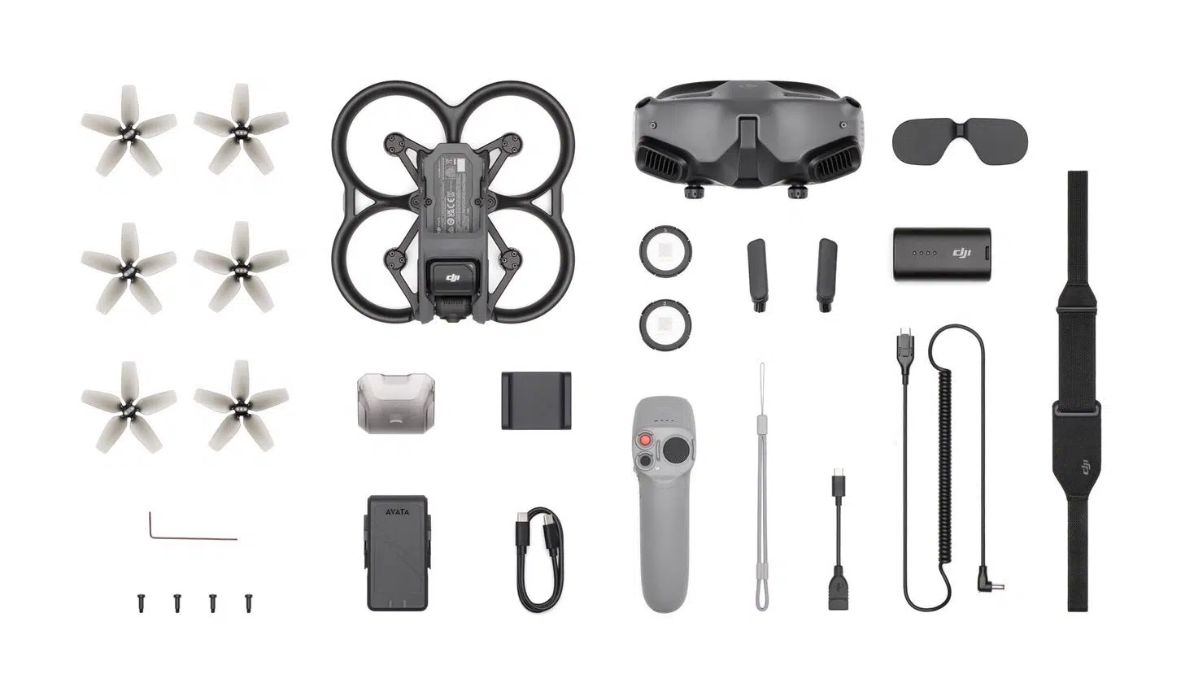 DJI Avata Accessories
Here’s the list of factors to think about before buying a Cinewhoop drone:
Your Flying Experience
Cinewhoops can be trickier to fly, especially if you’re new to FPV. Think about how experienced you are with flying drones before you decide.
Your Budget
Figure out how much money you’re willing to spend on the Cinewhoop. Remember to include extra costs like spare parts, batteries, and other stuff you might need.
Why You Want It
Decide what you’re going to use your Cinewhoop for. Do you want to film indoors, outdoors, or both? This will help you choose the right features.
Camera Compatibility
Some Cinewhoops work only with specific cameras, like GoPros. Check if the drone can handle the camera you want to use.
Video Quality
Consider how good you want your videos to look. While Cinewhoop cameras are good, they might not be as awesome as more expensive drones or professional cameras.
Time in the Air
Look at how long the drone can stay in the air on one battery charge. Longer flying time is helpful if you want to capture lots of footage.
How Far It Can Fly
Check the drone’s flight range, which tells you how far it can fly from your controller. Remember, Cinewhoops usually work best at shorter ranges.
Getting Spare Parts
Find out if you can easily get replacement parts for the Cinewhoop you’re considering. Being able to fix your drone is a big deal.
Considering these things carefully can help you make a smart choice and get a Cinewhoop drone that fits your needs and wants.
FAQs Related to CineWhoops
Are CineWhoops safe to fly indoors?
CineWhoops are one of the most suitable types of drones for indoor flight due to their protective ducts and stable flight characteristics. However, caution should still be exercised.
Click here to learn more about the drone laws in the USA
What type of camera can I mount on a CineWhoop?
Many CineWhoops are designed to carry small action cameras like GoPros. The exact model or type of camera would depend on the CineWhoop’s size and payload capacity.
Can I use a CineWhoop for racing?
While possible, CineWhoops aren’t designed for racing. Their primary goal is stable footage, and they often lack the speed and agility of dedicated racing drones.
How Can I Learn to Fly a Cinewhoop?
Learning to fly a Cinewhoop involves practicing FPV flying skills. You can start by using FPV simulators to practice before taking your drone into the air.
Drone U’s online resources and tutorials can help you get started.
 1
1

Drone Videography: The Ultimate Guide [2024]
In this aerial drone videography guide, you will learn how to capture stunning views from above, using the latest drone technology.
Imagine taking pictures of huge landscapes, moving smoothly through scenes like a pro filmmaker. Imagine mesmerizing your clients with breathtaking drone footage beyond their imagination.
If that’s what you aspire to, this drone videography guide will serve as the perfect starting point.
This guide is more than just a list of tips.
It’s a map for exploring the uncharted skies with the assistance of advanced drone videography, ultimately turning your ideas into stunning videos.
You’ll discover various aspects of drone videography, and how to tell great stories from above.
Let’s get started.
What is Drone Videography?
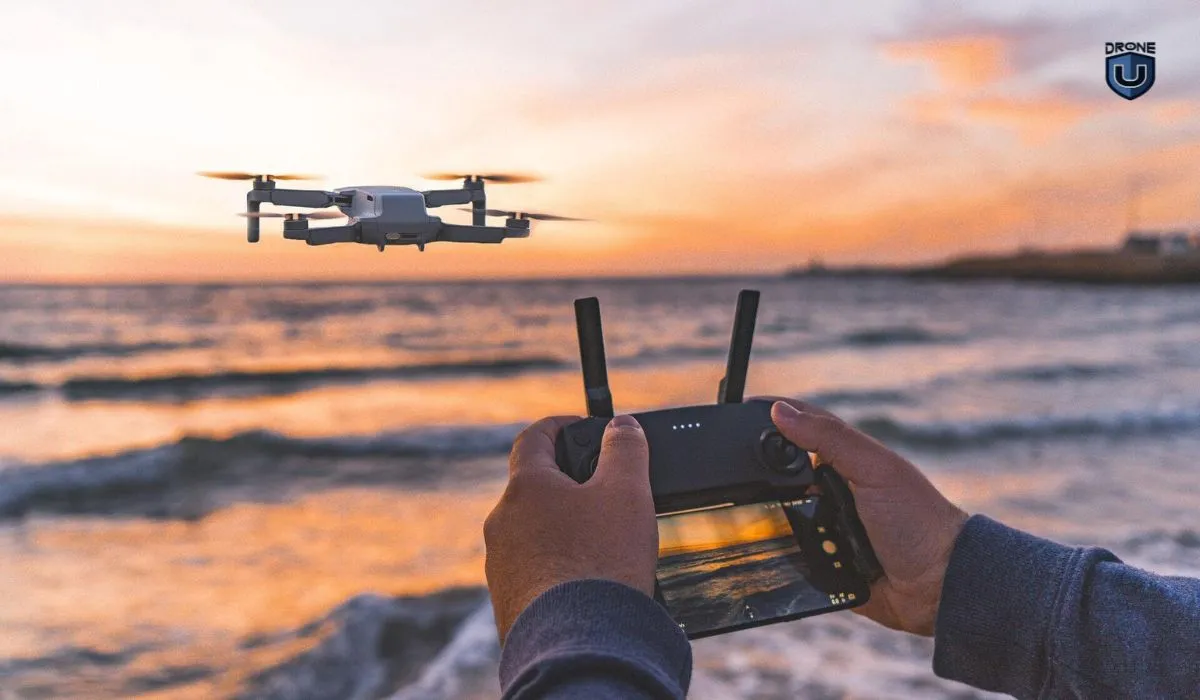
Drone videography is the art of capturing video footage from the sky using a drone. The drones are equipped with high-definition cameras that can capture both still images and video footage.
The drone enables you to capture unique and breathtaking views that weren’t possible with traditional ground-based cameras.
Why Drone Videography?
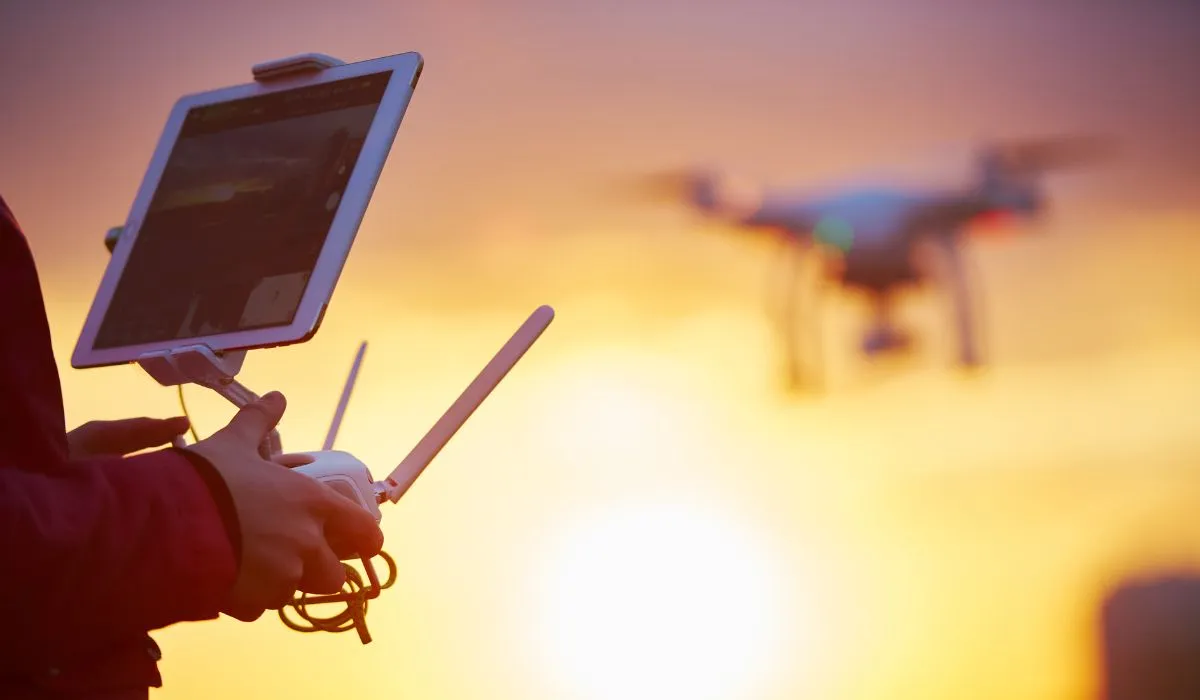
Picture yourself on the edge of a cliff, looking down at a beach where waves are gracefully rolling along the shore.
Or the sun dipping towards the horizon, painting the town with a warm golden color.
Imagine making this entire experience real through a drone shot. This is what makes drone videography so captivating.
Drone videography is much more than just taking videos from the sky. It’s both an art and science in motion. Let’s find out how.
Elevate Your Stories
Ground shots are our everyday viewpoint. Drone video allows you to break this monotony, offering a fresh perspective.
Remember the last time you were on an airplane, looking down? Those beautiful breathtaking visuals can be a reality in any creative project you undertake.
Stand Out
I once had a buddy, a real estate agent, who shared a story with me.
He had a listing and the property wasn’t grabbing anyone’s attention. He decided to make a drone video showcasing the entire property in order to provide a fresh and unique perspective. He caught the vast expanse of the property’s land and how it nestled up against this gorgeous forest.
Suddenly, everyone could see the context and charm of the property crystal clear. Before they knew it, it was snapped up by a buyer.
Reach the Inaccessible
You must have noticed those scenes in movies where you get a bird’s-eye view and take a ride through a tight, unexplored canyon.
With a drone, you can venture into these hidden treasures and put them on display, letting your audience see nature’s concealed spots. Drones give us the ability to get to and record spots that wouldn’t be possible to see otherwise.
Aerial Mastery
A few years back, capturing the sprawling cityscape or the winding river would have meant hiring a helicopter. With drones, these cinematic shots aren’t just for big-budget studios anymore.
Even a college student working on a film project can capture the majesty of a landscape or the buzz of city life from above with a drone.
That being said…let’s get familiar with the applications of drone videography.
Applications of Drone Videography
The flexible and unique capabilities of drone videography have made it increasingly popular across a wide range of sectors.
We have categorized the applications of drones into two sections:
I. Creative Uses of Drone Videos
II. Technical Uses of Drone Videos
Let’s begin by exploring the creative applications of drone videography.
I. Creative Uses of Drone Videography
Following are the six creative sectors where you can use drones for photography and videography:
- Filmmaking & Entertainment
- Real Estate
- Weddings & Special Events
- Tourism & Travel
- Sports & Recreation
- News & Journalism
1. Filmmaking & Entertainment
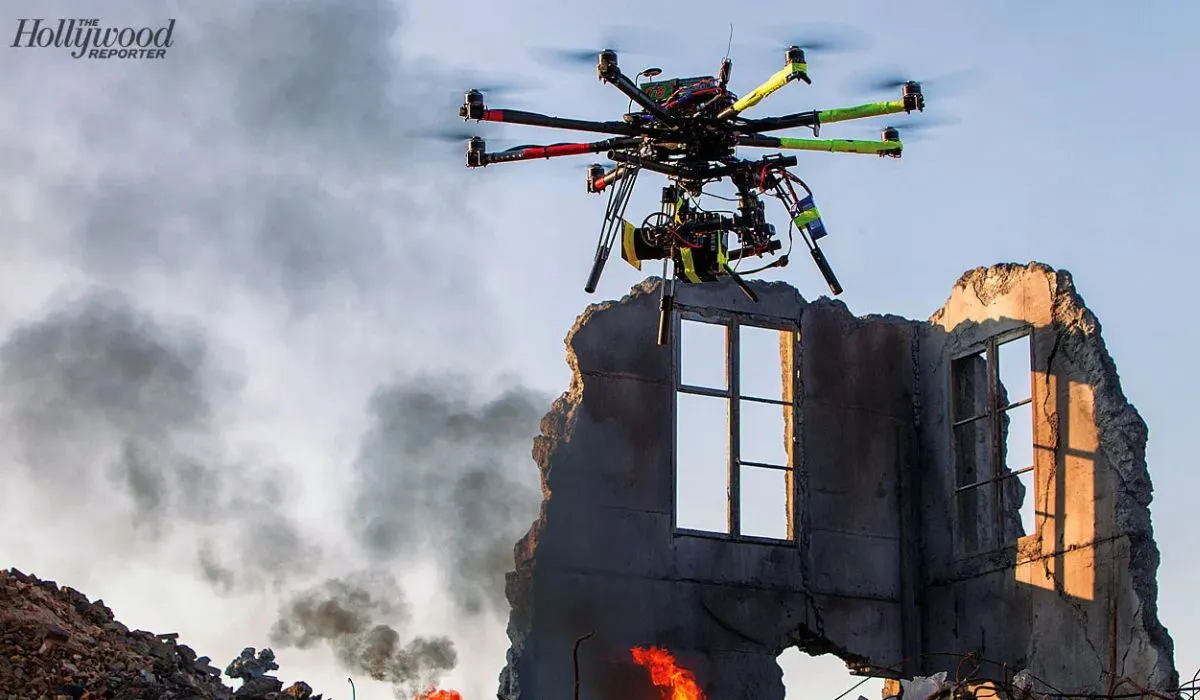 Expandable 3 shoot | Source: Hollywood Reporter
Drones are changing the game in filmmaking and entertainment. They’re allowing filmmakers to capture amazing shots from the sky, giving us those awe-inspiring aerial views that make movies even more mind-blowing.
Imagine the feeling of being right there in the scene, soaring above it all. Drones are making that possible and taking movie experiences to a whole new level.
2. Real Estate

Whether you are looking to buy a house or sell one, drones are your new best friend.
Drones give potential buyers an unrivaled look at properties from above. You can see the whole neighborhood, the property lines, and all those cool architectural features that make a place unique. The viewer is getting a bird’s-eye view without leaving the ground.
3. Weddings & Special Events
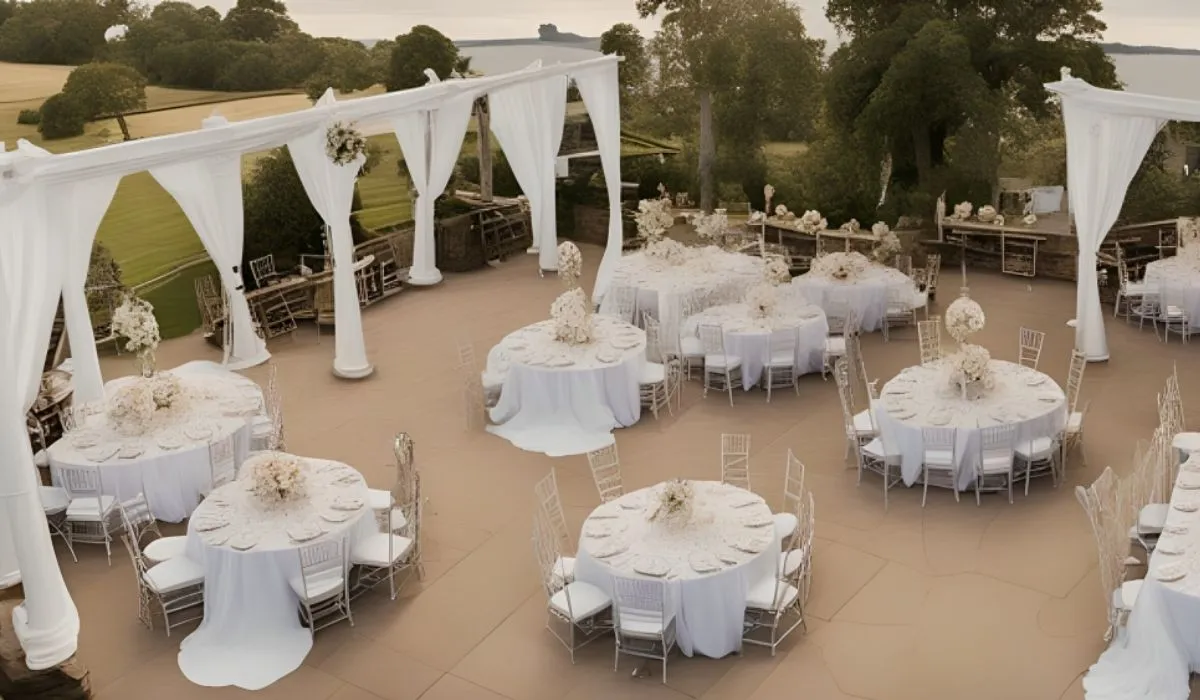
Drones are turning weddings and special events into something straight out of a fairy tale. They’re capturing those once-in-a-lifetime moments from up high, giving you a totally different perspective of the big day.
From the “I dos” to the dance floor, drones give us memories that are as unique as they are magical.
Inside our “How to Film a Wedding” Course, you will discover the nitty gritty of capturing breathtaking aerial videos using drones.
4. Tourism & Travel
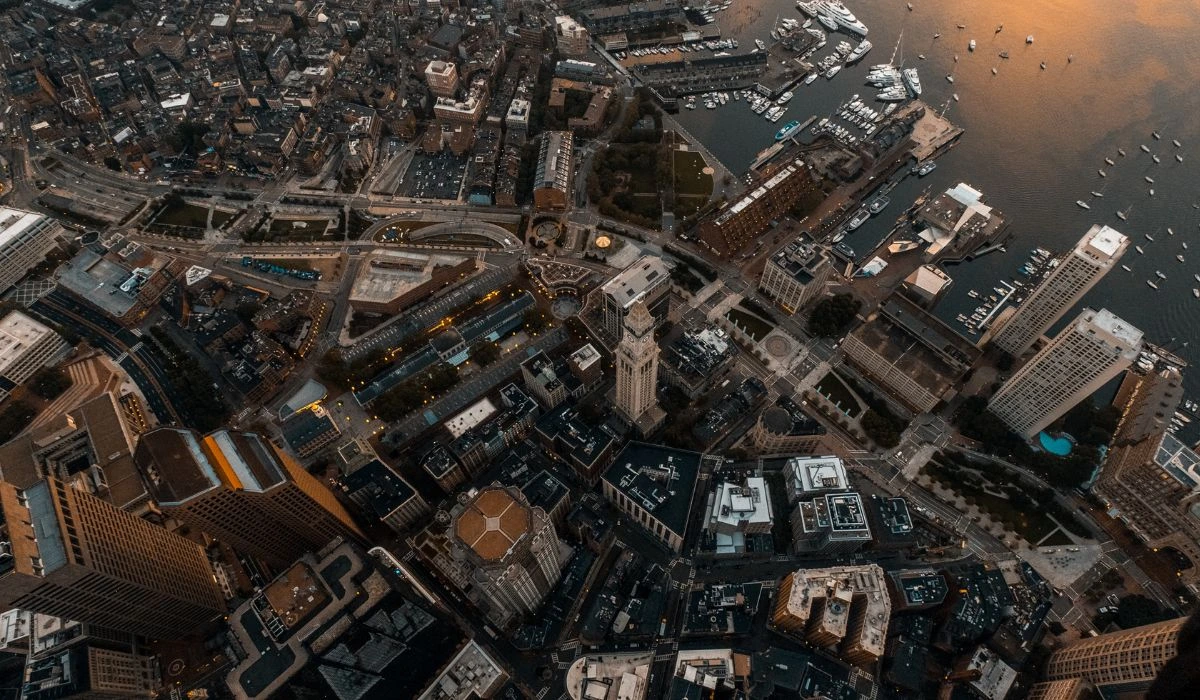
Ever wondered what it’s like to see a travel destination from a bird’s-eye view?
Drones are giving us the ultimate travel preview. When you’re thinking about your next adventure, you can watch videos that show off the sights, landscapes, and even where you’ll be staying. It’s like taking a virtual tour before you even pack your bags.
5. Sports & Recreation
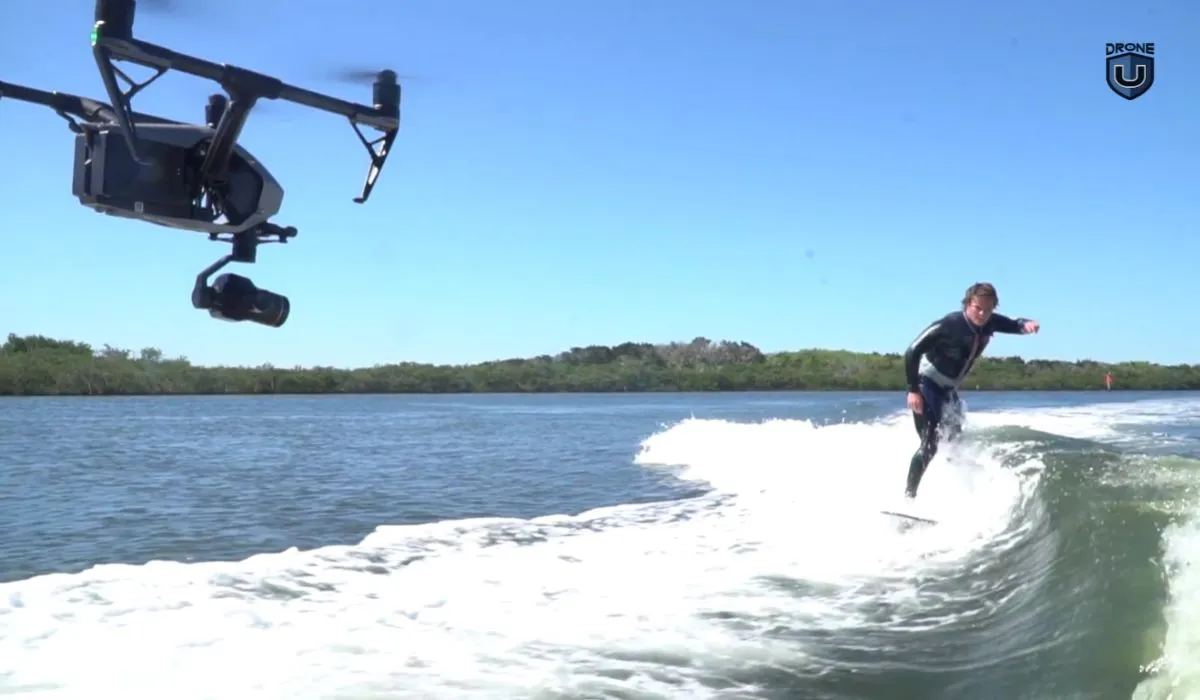
In the sporting world, drones have become an integral part of many teams’ planning and strategy processes. Teams are flying drones at practices and actual games as they provide a perspective that until recently was not practically achievable. Everything from soccer and football to surfing and beyond is using them regularly.
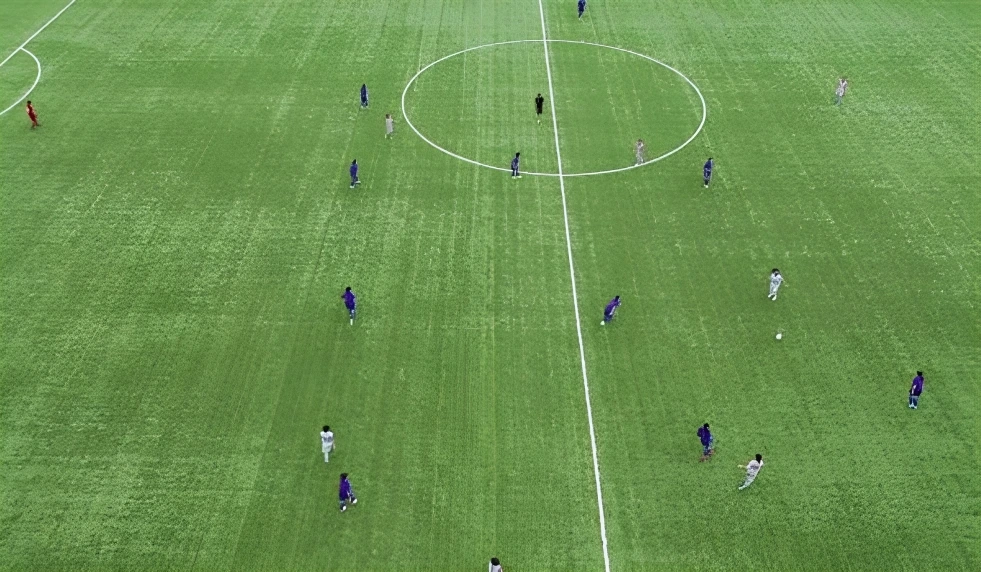
Unmanned aerial vehicles (UAVs) are turning sports and fun into a visual spectacle. Whether it’s capturing crazy shots of extreme sports or showing us unique angles at stadium events, drones are adding a new layer of excitement. They’re letting us experience the action like never before.
For instance, Drone U co-founder Paul Aitken shot this incredible Cinewhoop video for a baseball team.
Paul has shared a bunch of tips and tricks for producing awesome Cinewhoop videos with the Isotopes team. This video is packed with insights on nailing different angles for top-notch video production.
Click here to explore our comprehensive guide on Cinewhoops.
6. News & Journalism
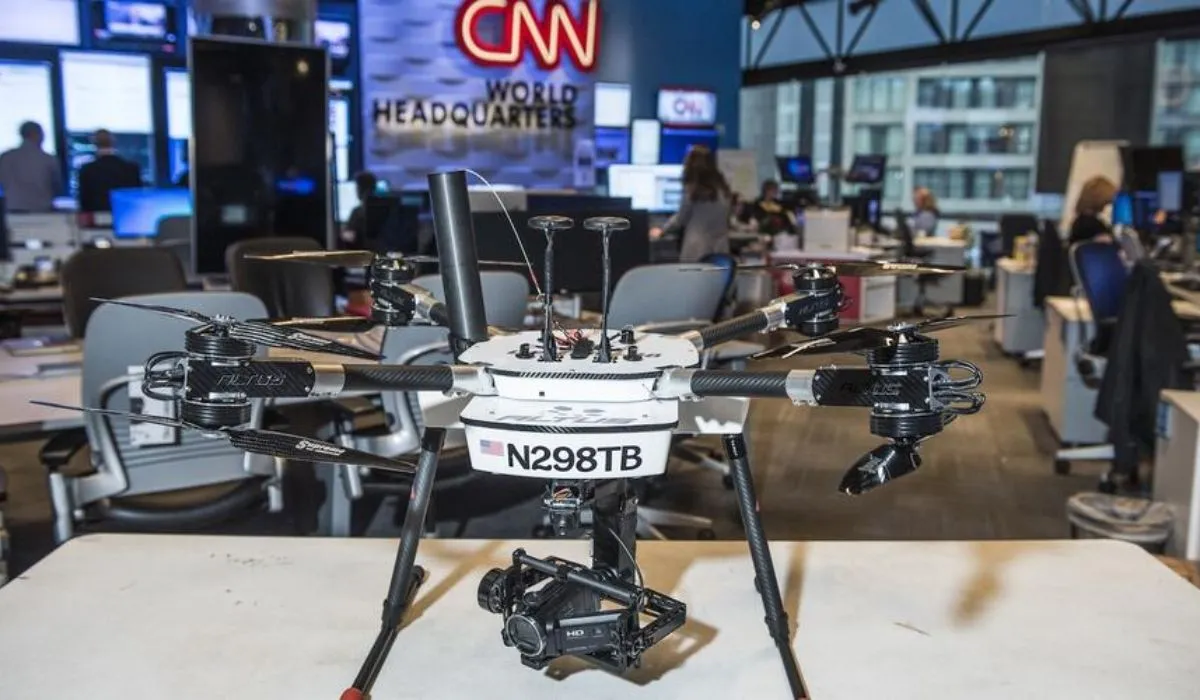 CNN Air | Source: Aviation International News (AIN)
Drones are giving journalists a whole new way to tell stories. They’re going where cameras can’t easily go, showing us important events from above.
Whether it’s in hard-to-reach places or dangerous situations, drones are helping reporters keep us informed, no matter what’s happening.
II. Technical Uses of Drone Videography
After exploring the creative uses of drones in videography, let’s delve into the technical applications and understand how drones can be beneficial in other sectors.
We will take a closer look at six areas where drones can excel in videography to capture detailed footage:
- Agriculture
- Environmental Monitoring
- Construction & Infrastructure
- Surveying & Mapping
- Search & Rescue
- Inspections
In each of these sectors, we’ll explore how drones can be a valuable tool for capturing videos.
1. Agriculture
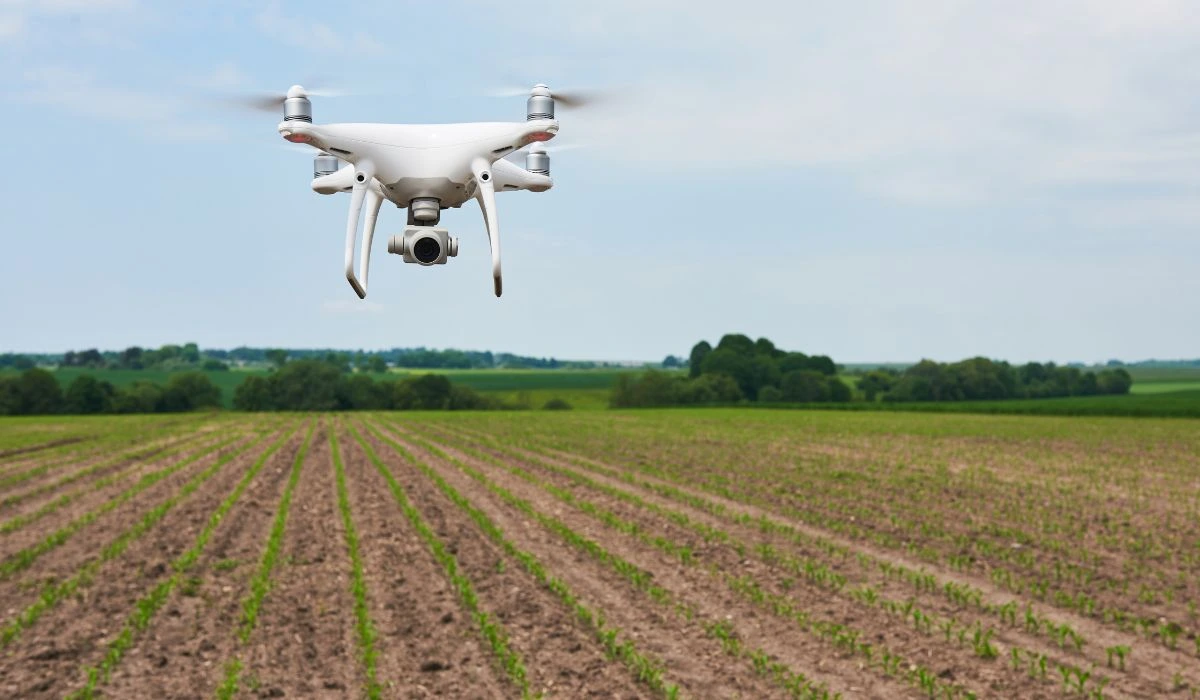
Farmers are using drones to keep an eye on their crops, check out the fields, and get data that helps them grow food more efficiently.
Drones are like the farmer’s secret weapon, helping them make smarter choices about how they use their resources and take care of their land.
2. Environmental Monitoring
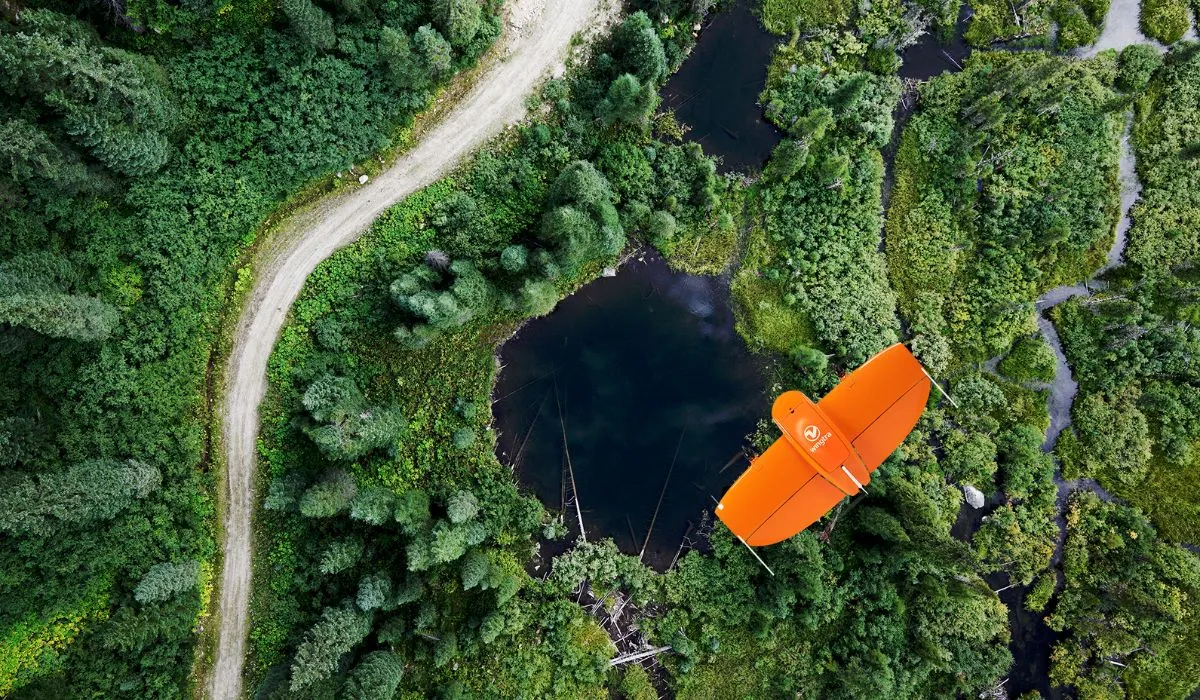 Source: Above Sensing
Before the adoption of drone technology, environmental monitoring relied on methods such as satellite remote sensing, manned aerial surveys, ground-based monitoring stations, weather balloons, underwater vehicles, manual surveys, weather radar, GIS, data loggers, and laboratory analysis of samples.
These methods ranged from collecting data from large-scale Earth observations to detailed analyses of soil, water, and air quality, often involving manual data collection and analysis.
While these approaches are still in use today, the emergence of drone technology has fundamentally transformed environmental monitoring.
Drones offer a cost-effective solution with the ability to capture high-resolution data, greatly improving access to remote or hazardous locations.
This transformation has positioned drones as invaluable tools in environmental research and conservation efforts.
These unmanned aerial vehicles play a critical role in safeguarding our environment. They fly above wildlife habitats, assess the health of forests, and evaluate water quality.
With their bird’s-eye view, drones are making significant contributions to protecting our planet and its diverse ecosystems.
3. Construction & Infrastructure
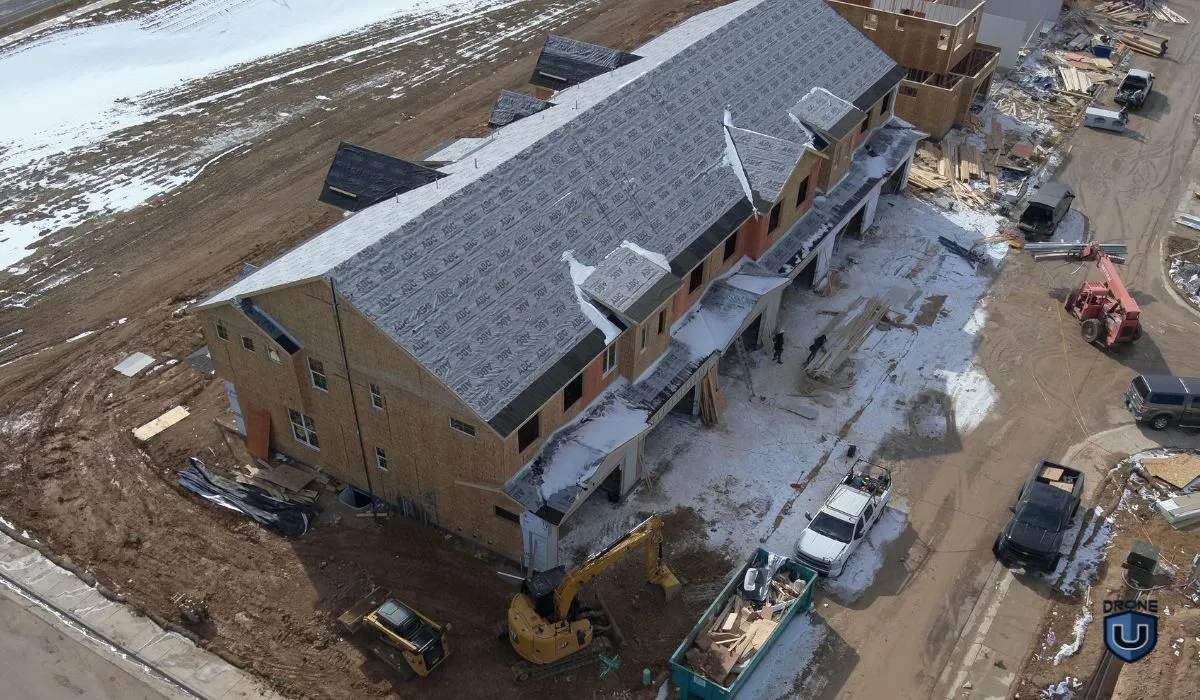
Construction sites are getting a major upgrade thanks to drones. These flying machines are giving us a whole new view of building projects. They help us track progress, plan things out, and make sure everything’s going according to the blueprint.
It’s like having an extra set of eyes in the sky, making sure things get built right.
4. Surveying & Mapping
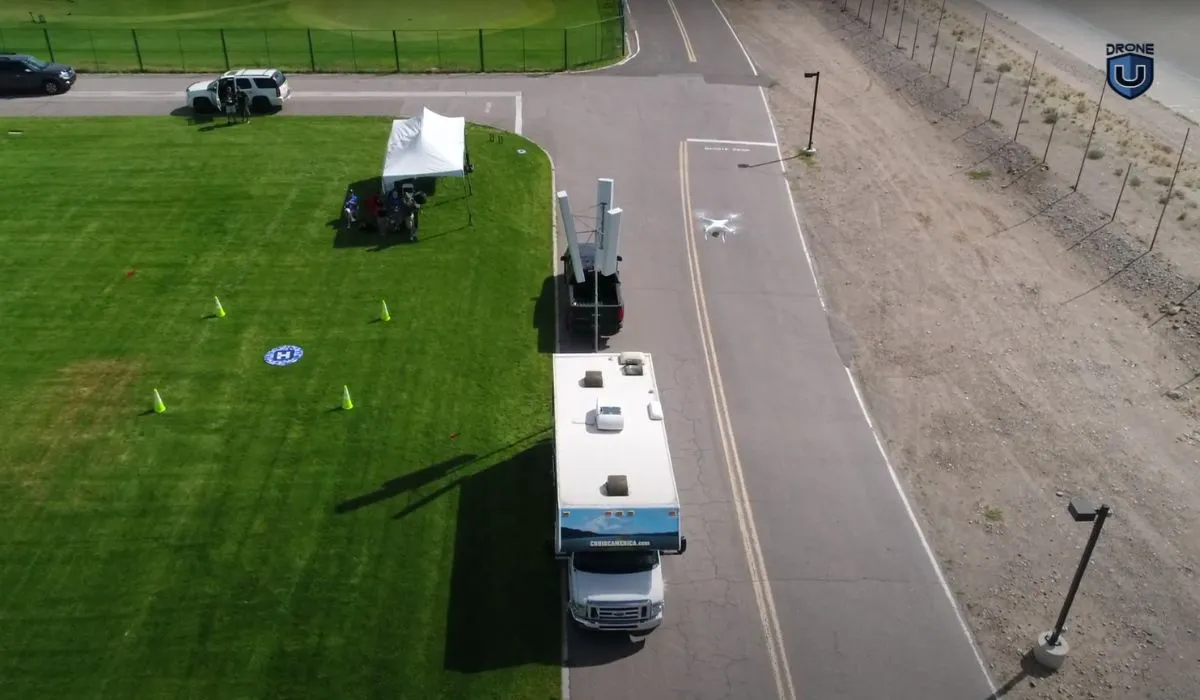 Cell Tower Inspection
Drones are mapping out our world in ways we have never seen before. They can cover large areas and give us super-detailed maps of landscapes and buildings. They are especially valuable for accessing remote or hard-to-reach areas.
The UAVs (unmanned aerial vehicles) also can create 3D models and point clouds by capturing images from multiple angles. This kind of information is gold for urban planning.
These aerial vehicles excel at capturing high-resolution aerial imagery, enabling rapid data collection. The use of real-time data can really assist in responding to disasters and making smart decisions.
5. Search & Rescue
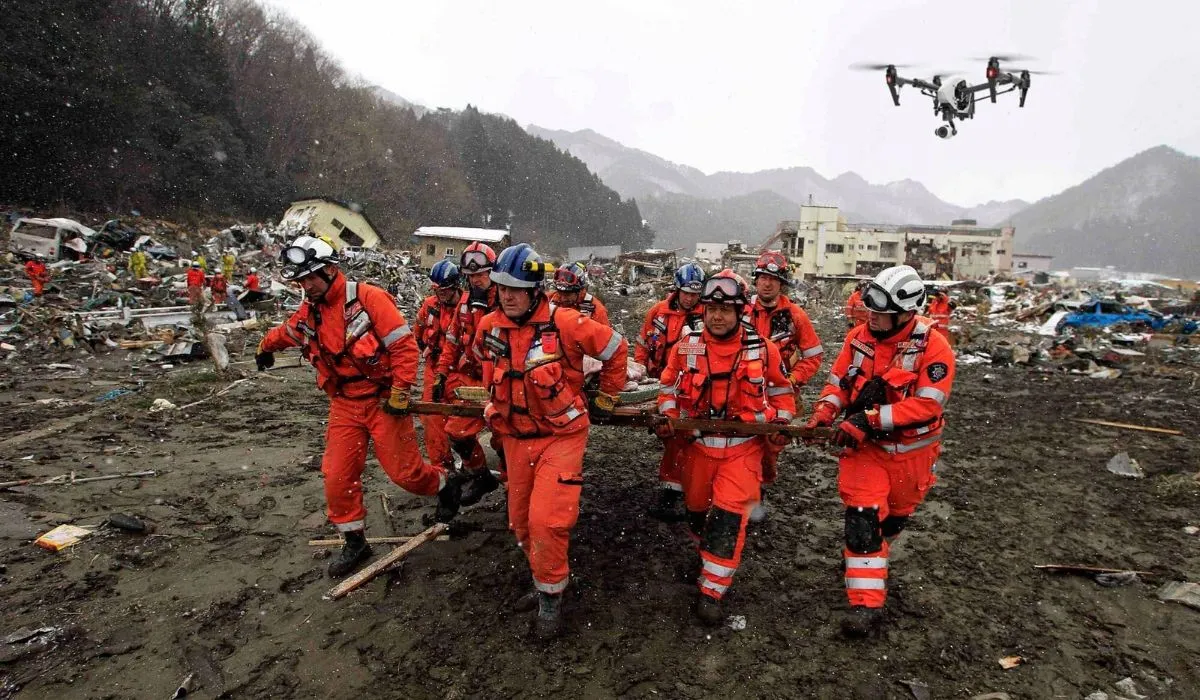
When emergencies happen, drones are there to help. They can fly over large areas and give rescue teams a real-time look at what’s going on.
This kind of help is priceless when it comes to finding lost or hurt people and getting them the help they need.
6. Inspections
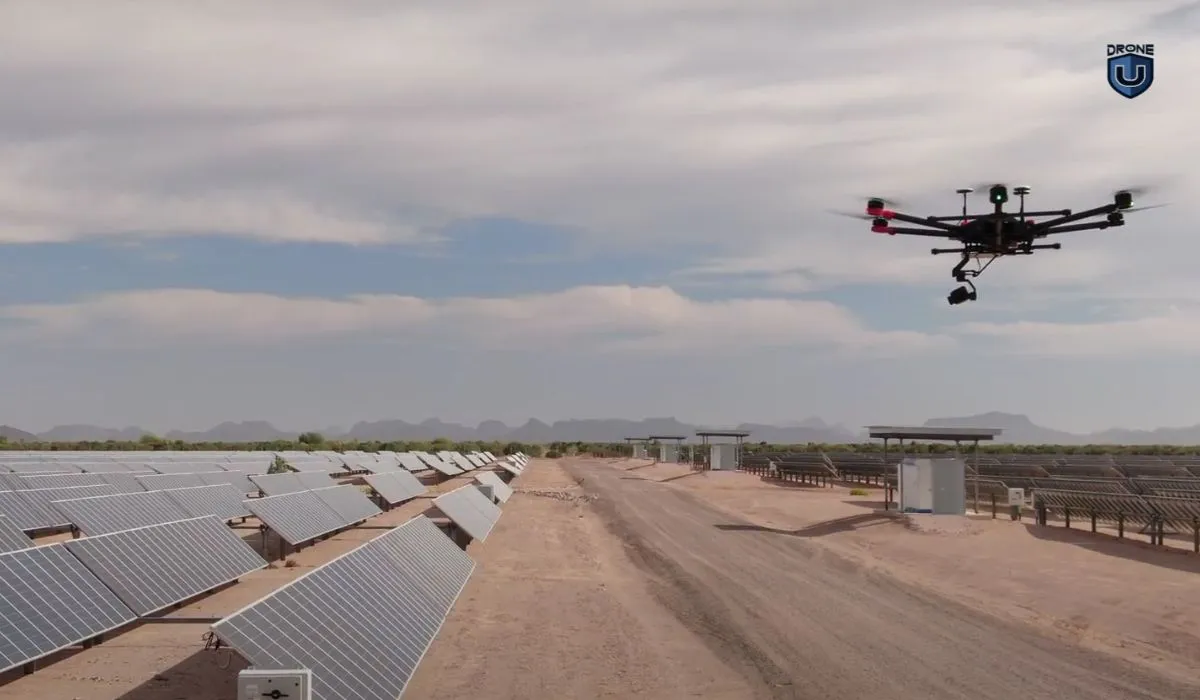 Solar Inspection
Drones have become a game-changing technology in the field of inspections. They eliminate the necessity for human inspectors to enter dangerous or hard-to-reach places.
Drones’ speed and efficiency allow for the quick evaluation of extensive areas. This cuts down on inspection time and reduces disruptions.
Drones’ capability to access remote and demanding environments, such as tall structures or rugged terrain, broadens the potential for thorough inspections.
Additionally, their ability to capture high-resolution data is complemented by AI and machine learning capabilities. This synergy allows for more precise defect detection and data analysis.
Whether it’s power lines, bridges, or tall structures, drones are capturing super-detailed pictures that help us figure out what needs fixing. It’s like they’re the superheroes of maintenance, keeping things safe and sound.
After learning about the various ways drones are used for videography, let’s dive deeper into capturing the best drone videography shots with even more valuable insights.
How to Capture the Best Drone Videography Shots
Aerial drone videography is an art form that combines cutting-edge technology with creative storytelling. With the right guidance and practice, you can capture breathtaking aerial shots that rival those seen in Hollywood productions.
Let’s explore the essential factors you should consider to capture the best drone shots and videos.
1. Know the Rules and Where You Can Fly
Before taking to the skies with your drone, it’s crucial to be well-versed in the regulations governing drone usage in your region. Understanding the rules and restrictions ensures not only your safety but also compliance with the law.
To begin, find out which drone laws apply in your country and obtain the necessary certifications or licenses, if necessary. Many countries require drone pilots to pass exams, such as the FAA Part 107 License required in the United States.
For those in the U.S., we recommend exploring Drone U’s online resources on the FAA Part 107 if you’ve not already passed the Part 107 test. This resource has helped thousands of aspiring drone pilots achieve their Part 107 certification.
2. Master Flight Skills
Flying a drone is a skill that takes time to develop. It requires consistent practice. In doing so, you’re much more likely to become proficient in getting the most out of your drone.
A great place to start if you’re relatively new is mastering the four fundamental joystick movements: thrust, yaw, pitch, and roll.
Drone U’s one-day Flight Mastery training will give you an excellent head start. In this hands-on course, you’ll learn safe drone operations, strategies for practicing, techniques for getting creative shots, and most importantly, you’ll leave as a much more confident pilot. Click here to learn more.
To enhance your manual flight skills, consider these exercises:
- Practice taking off and hovering at eye level while monitoring crucial flight data.
- Work on your yaw control by smoothly rotating the drone’s nose at different angles.
- Experiment with flying a square and a circle, both with and without yaw.
- Learn to fly at maximum altitude to gain a sense of altitude and camera positioning.
Once you’ve gained confidence in manual flight (often called Attitude Mode), experiment with various basic aerial drone videography shots, including panning, forward reveals, drones, orbits, and birds-eye views.
Remember to execute these shots slowly and cinematically for the best results.
To learn the basics of flying a drone for the first time, we suggest you take Drone U’s First Time Flying Course.
3. Leveraging Flight Software
While manual flight is essential, modern drones come equipped with intelligent flight modes that can enhance your videography skills. These modes reduce the workload on the pilot and enable complex maneuvers that might be challenging in manual mode.
For example, DJI drones (as well as many other manufacturers) offer Intelligent Flight Modes like Tripod/Cinematic Mode, Course Lock, Point of Interest, Waypoints, and Follow Me/ActiveTrack.
It’s crucial to understand how to use these modes effectively, as they can greatly improve the quality of your footage.
It’s important to also be mindful of Return-to-Home (RTH) functions, as improper use can lead to accidents, especially on or near water. Familiarize yourself with RTH settings, including altitude and triggering methods.
4. Understanding Filmmaking Principles
To set yourself apart as a drone videographer, you must think like a filmmaker.
While drones are powerful tools, they are only as effective as the operator’s understanding of storytelling and cinematic techniques.
Consider enrolling in a comprehensive Advanced Aerial Videography Course, where you can learn how to interpret lighting, camera angles, and motion to create compelling narratives.
Embrace the simplicity of drone videography, focusing on subtle camera movements and creative decisions that enhance the visual storytelling.
You don’t need the latest equipment to produce professional work; it’s your filmmaking skills that truly matter.
5. Flight Planning Like a Pro
Effective planning is essential for successful drone missions. Develop a workflow that includes:
- Airspace planning to ensure compliance with regulations.
- Gear preparation, including battery charging and SD card formatting.
- Weather and on-the-ground checks to assess flying conditions and potential obstructions.
- A pre-flight inspection checklist to ensure your drone is in optimal condition.
- The flight mission itself captures the required shots and data.
- Safe landing procedures, including post-flight checks and gear storage.
- Post-production, where you’ll edit and refine your footage.
As you gain experience, you’ll refine your planning process and become more efficient in preparing for each flight.
Our ‘Don’t Crash Course‘ prevents you from costly mishaps resulting from unforeseen knowledge gaps.
6. Flying Through Your Shots
To achieve professional-looking footage, it’s essential to fly through your shots. This means starting your flight path well before your intended shot and continuing it after the shot is complete.
This approach provides flexibility during editing and helps you develop a cinematic pacing that enhances your videos.
7. Crafting the Final Masterpiece
The final step in the drone videography process is post-production. While capturing high-quality footage is crucial, the magic often happens during editing.
Invest time in learning how to edit and color-correct your shots to achieve the desired look and feel.
Consider enrolling in editing classes of professional software like Apple’s Final Cut Pro, Adobe Premiere, or DaVinci Resolve to elevate your post-production skills.
These tools offer advanced features like keyframing, speed ramps, and zooming, enabling you to refine your videos to perfection.
Capturing outstanding drone videography shots requires a blend of technical prowess, creative vision, and dedication to improvement.
Embrace challenges, be open to learning, and most importantly, let your passion for storytelling drive your journey in this exciting visual medium.
Types of Shots for Aerial Drone Videography
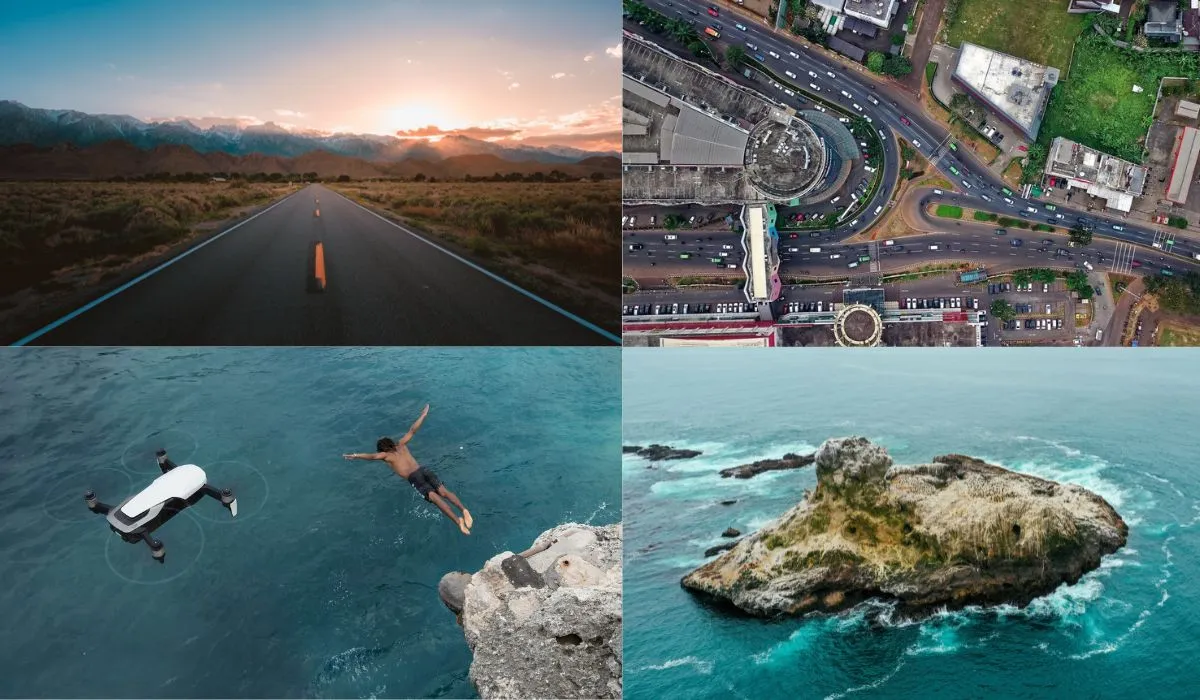
Aerial drone videography offers a distinct viewpoint that adds drama, scale, and depth to any project.
Here are some of the most common types of shots used in drone videography:
Dolly Shot
The drone moves forward or backward, “dollying” toward or away from a subject. This technique adds depth to a scene.
Take a look at this Dolly Zoom Shot from The Lord of the Rings:
Establishing Shot
This shot sets the context, often used at the beginning of scenes. It provides a wide view of the location, helping viewers understand the setting.
Check out this video to understand more about Establishing Shots:
Tracking or Follow Shot
In this shot, the drone follows a subject, be it a person, vehicle, or animal. It imparts a sense of movement, frequently seen in action or sports videos.
Check out some examples of Tracking Shots in this video:
Slider Shot
The drone moves horizontally (left or right) across a scene, like a camera on a slider track.
Here are 6 Epic Slider Shots that you can use in your next video:
Crane or Jib Shot
Similar to a crane’s motion, the drone starts low and rises into the air, revealing landscapes or cityscapes. This shot creates a feeling of grandeur and scale.
Watch the video below for some insight into operating a Jib:
Panning Shot
While the drone remains stationary, the camera pans left or right, capturing wide landscapes or tracking moving subjects.
Check out this video to learn more about Panning Shots:
Zoom Shot
Drones with zoom lenses (though not all have them) can utilize zoom to “push in” or “pull out” from a subject, altering the viewer’s perspective.
Watch this video of Wes Anderson’s use of Zoom Shots:
When incorporating these shots into your drone videography, consider the story or message you intend to convey. The type of shot you choose significantly impacts the video’s emotion, pacing, and narrative.
Mixing different shots can create dynamic and engaging visuals, enhancing the overall impact of your content.
Let’s move on to exploring the best drones that are perfect for capturing great videos and photos from the sky.
Best Drones For Drone Videography
Drone videography has come a long way, offering exciting opportunities for filmmakers, photographers, and hobbyists.
When it comes to capturing amazing aerial footage, having the right drone is important.
Here is the list of the top drones that stand out for their performance, features, and video quality.
- Inspire 2
- Freefly Systems Astro
- Phantom 4 Pro V2.0
- DJI Mavic 3 Pro
- DJI Air 3
- Yuneec Typhoon H Plus
1. Inspire 2
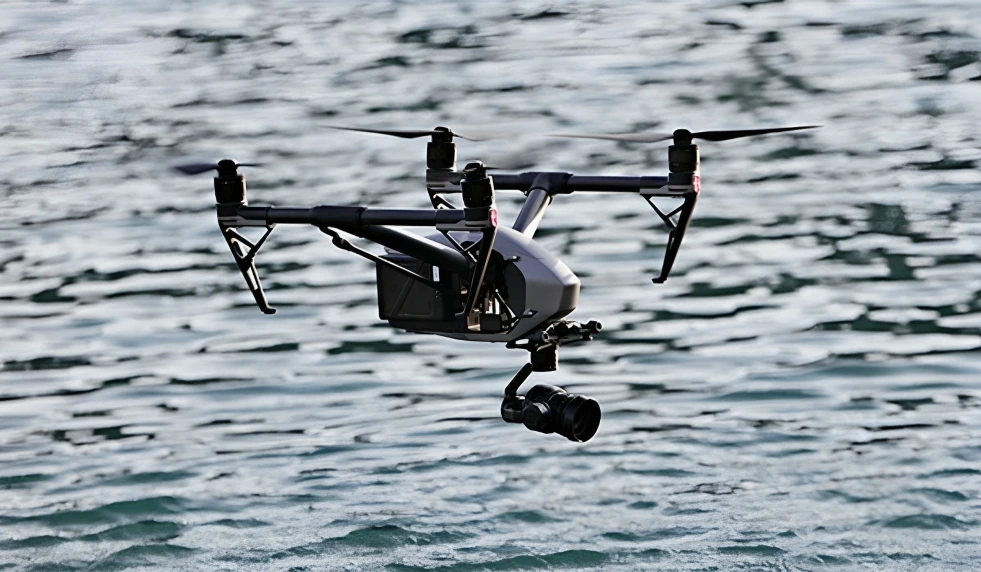 Source: DJI
DJI’s Inspire 2 is a professional-grade drone that is known for its powerful flight performance, versatile camera system, and long flight time. We’ve included it instead of the newer Inspire 3 because the cost of the Inspire 3 is so much higher.
The Inspire 2 can capture video at resolutions of up to 6K in CinemaDNG/RAW and 5.2K in Apple ProRes when paired with the Zenmuse X7 camera.
It accelerates from 0 to 50 mph (80 kph) in just 5 seconds and boasts a dual battery system that extends the maximum flight time to 27 minutes. The Inspire 2 is a popular choice for filmmakers, photographers, and industrial applications.
2. Freefly Systems Astro
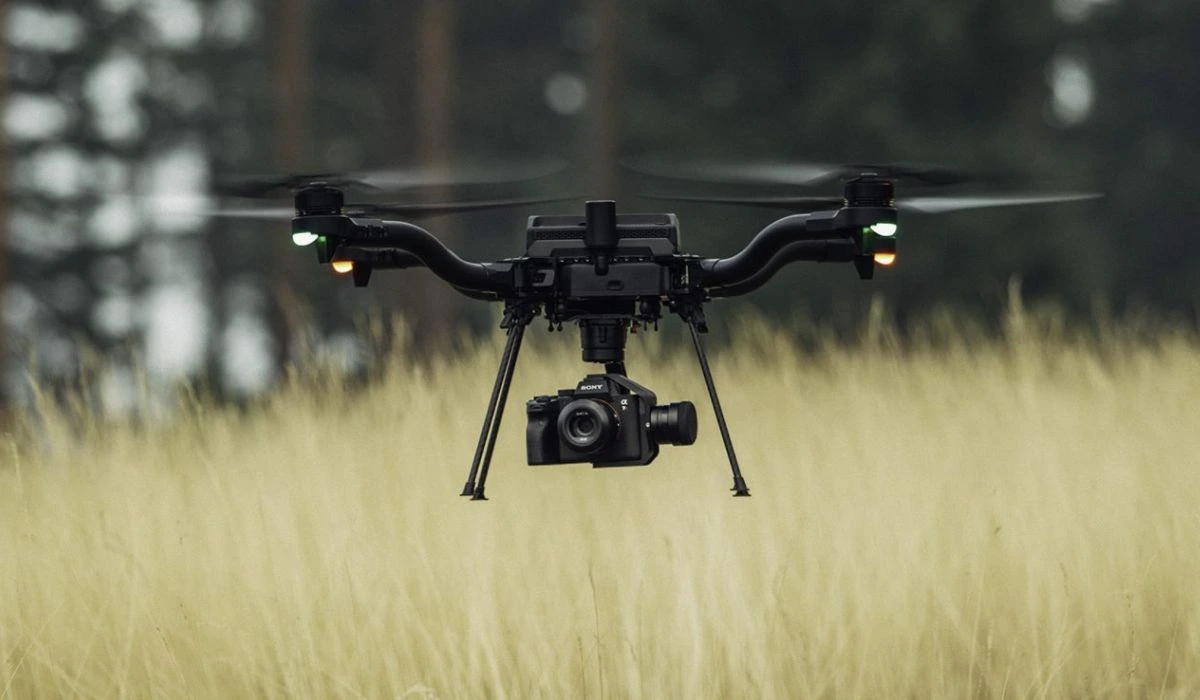 Source: Freefly Systems
Freefly Systems Astro is another professional-grade drone that is known for its rugged construction and advanced stabilization system. Astro is a versatile drone widely employed across various industries such as cinema, first responders, and inspection.
The inclusion of the LTE module connects Astro to the internet and directly transmits results to your cloud.
Additionally, it provides a flight duration of up to 37 minutes when flying without any payload, and 25 minutes with a full payload. The Astro is a popular choice for aerial photography and videography in challenging conditions.
3. Phantom 4 Pro V2.0
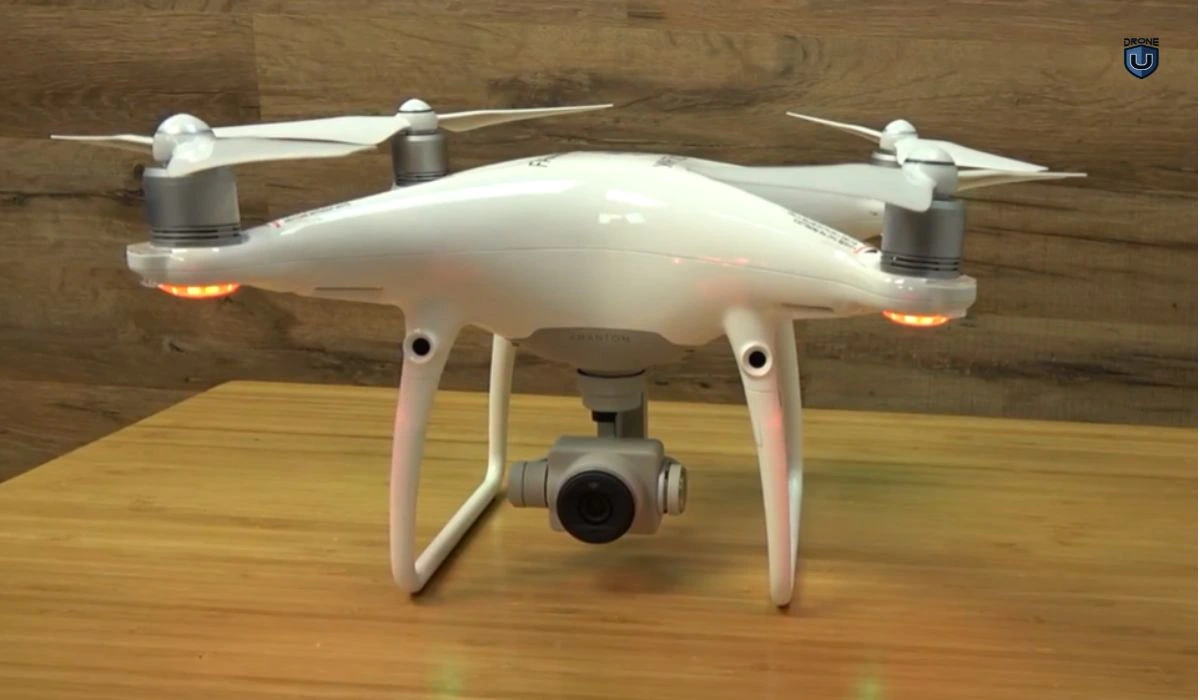
Phantom 4 Pro V2.0 is still one of the best consumer drones ever produced. It’s a workhorse that is known for its excellent image quality and intelligent flight modes.
The Phantom 4 Pro V2.0 features a 1-inch CMOS sensor capable of capturing 4K/60fps videos and 20MP photos, providing filmmakers with extensive creative possibilities.
This drone is specifically designed for professional creators, serving as a comprehensive aerial imaging solution. It offers a maximum flight time of 30 minutes.
The Phantom 4 Pro V2.0 is a popular choice for photographers and videographers who want a reliable and easy-to-fly drone. It’s also quite versatile as it’s a great drone for entry to intermediate-level mappers.
4. DJI Mavic 3 Pro
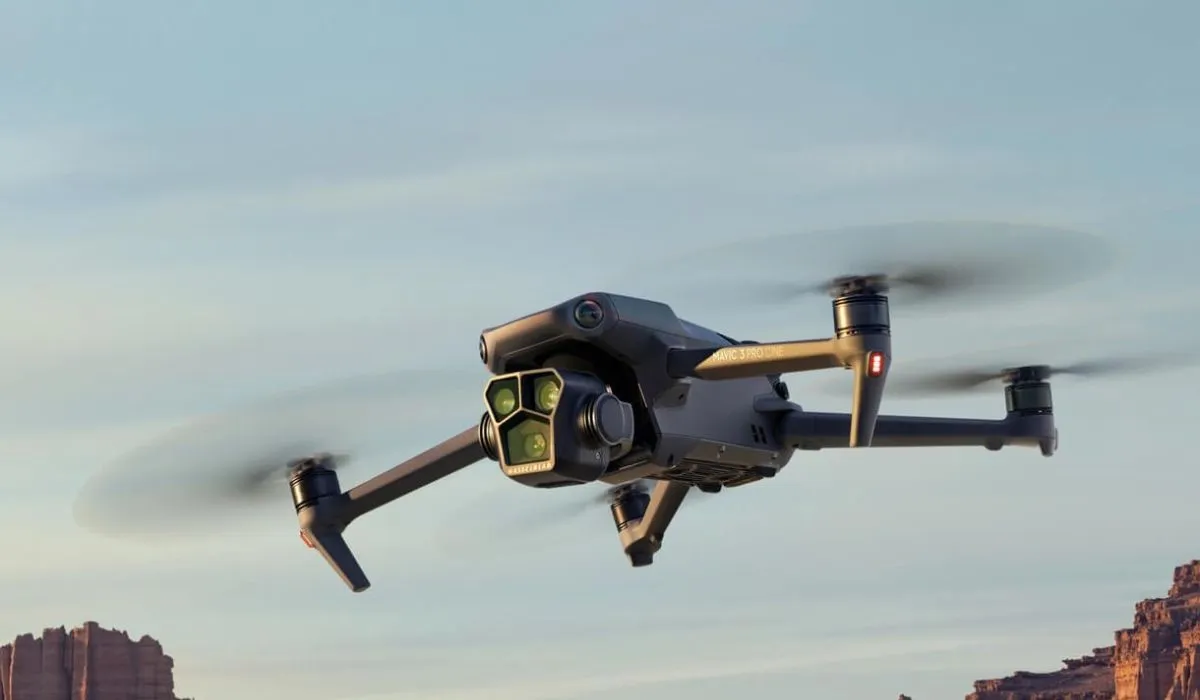 Source: DJI
DJI Mavic 3 Pro is one of DJI’s most advanced consumer drones. It offers a top-of-the-line camera system with a 20MP Hasselblad CMOS sensor and a 1-inch 24mm f/2.8 lens. It also has a 10-bit D-Log color profile for professional-grade videography.
It can record 5.1K video at 50fps and 4K video at 120fps. It has a maximum of 43 minutes of flight time. The Mavic 3 Pro is a popular choice for professional photographers and videographers.
5. DJI 3 Air
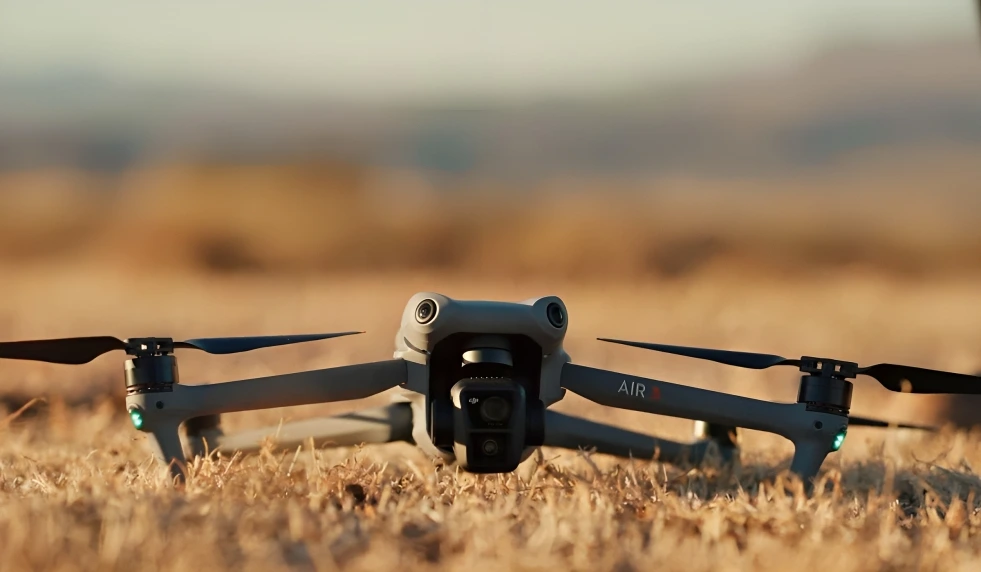 Source: DJI
DJI Air 3 is a mid-range consumer drone that is known for its compact size and long flight time. The DJI Air 3 has a maximum flight time of 46 minutes. It has omnidirectional obstacle sensing, which allows it to avoid obstacles in all directions.
It can capture 48MP photos with dual cameras, providing superior detail. It can also record 4K/60fps HDR videos, resulting in effortless epic imaging. The Air 3 is a popular choice for travelers and photographers who want a portable and versatile drone.
6. Yuneec Typhoon H Plus
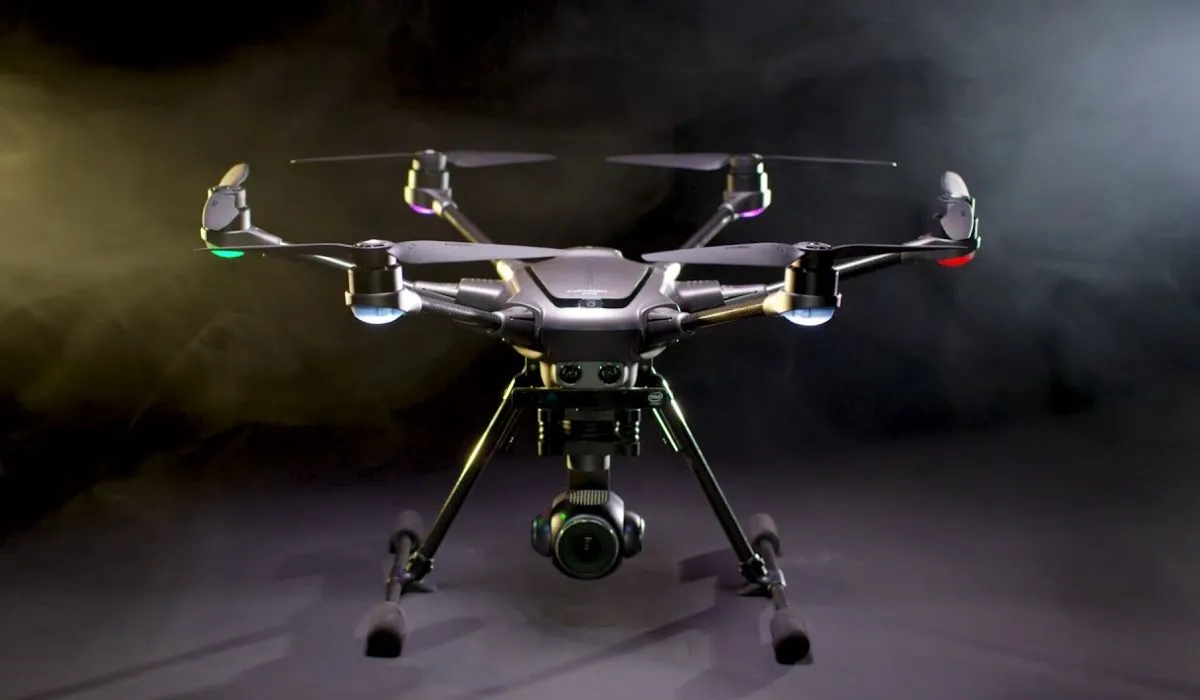 Source: Yuneec
Yuneec Typhoon H Plus is a powerful drone that is perfect for professional use. It has a 360-degree gimbal rotation that can record 4K video at 60fps. It is one of the quietest camera drones, offering up to 28 minutes of flying time. The Typhoon H Plus is a popular choice for aerial photography and videography in challenging conditions.
Safeguarding Drones While Capturing Videos From Drones
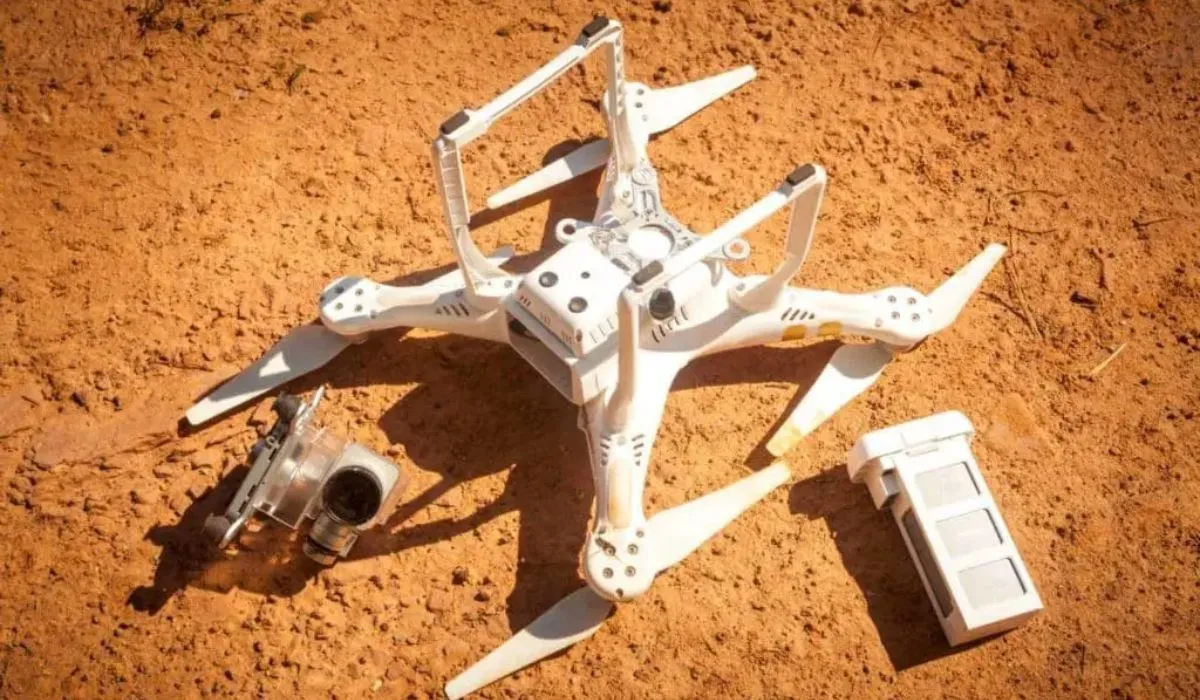 Source: Drone Trader
According to data from Airdata UAV, one of the leading drone flight analysis platforms, approximately 30% of drone accidents are related to battery issues.
Here are a few steps you can take before you kick off your drone videography mission:
- Plan Your Flight: Familiarize yourself with the location. Use maps or apps specifically designed for drone pilots to identify obstacles, no-fly zones, and suitable landing spots.
- Battery Check: The battery is the lifeline of your drone. Ensure it’s fully charged and securely connected. A loose battery can disconnect mid-flight, leading to a crash. Regularly inspect batteries for swelling or other signs of damage.
- Weather Conditions: Avoid flying in adverse weather. Wind can affect your drone’s stability, and moisture from rain or fog can damage its electronic components.
- Geo-fencing: Utilize the geo-fencing feature, if available, to set boundaries for your drone’s flight. This prevents it from wandering too far and getting lost or crashing.
- Cleaning: After each flight, clean your drone. Remove dirt, sand, or any debris, especially from the motors and sensors.
- Use Drone Case: Store your drone in a protective case. This shields it from dust, moisture, and physical damage. Specialized drone cases have compartments for the drone, batteries, controller, and other accessories.
- Know the Rules: Before you fly, familiarize yourself with local drone regulations. They’re in place for safety and to avoid potential legal issues.
By following this comprehensive guide, you not only ensure the safety and longevity of your drone but also guarantee the quality and safety of your shots.
Remember, a well-maintained drone not only serves you longer but also captures better, more stable footage.
Frequently Asked Questions
What industries are actively looking for drone videographers?
Real estate, construction, agriculture, film & entertainment, tourism, and environmental research are some industries that often seek drone videography services.
Are there certifications or courses that can help me turn this into a profession?
Yes, many countries offer certification for commercial drone pilots. For instance, the FAA in the U.S. offers the Part 107 certification for commercial drone use. Click here to download the Part 107 study guide.
What is the difference between GPS and ATTI mode?
GPS mode uses satellites for stable hovering and precise flying, while ATTI (Attitude) mode relies on the drone’s internal sensors, making it less stable and more susceptible to drift. In this mode, GPS positioning and other visual positioning systems are deactivated, requiring entirely manual flight control.
What are no-fly zones, and how can I be aware of them?
No-fly zones are areas where drones are restricted or prohibited, often near airports, government buildings, or military bases. Use apps like DJI Fly or AirMap to stay informed.
Related: How to remove no-fly zones?
Are there online courses or workshops I can attend to learn about drone flying?
Yes, platforms like Drone U and YouTube have many tutorials and courses. Click here to access the list of courses provided by Drone U.
How do I register my drone, and do I need a license to fly?
Follow this drone license guide to know the complete process of registering your done in the United States. In the U.S., for example, drones weighing between 0.55 and 55 pounds must be registered with the FAA. However, regulations and registration requirements vary by country.
1

Remote ID, delayed says FAA.
Today, the FAA made it clear that “relief from Remote ID is coming,” stated FAA’s David Boulter, inferencing that Remote ID is delayed Continue reading
0
Sony built the ultimate drone camera payload.
Domestic drone manufacturers should be very excited about Sony’s new LR1 full frame camera, built to be the ultimate drone camera payload. Continue reading
0
Chinese Export Ban: the Dynamics Impacting the Drone Industry
Recently DJI drones may become harder to find thanks to the Chinese Export ban and limitations on thermal drones and long-duration flight drones. This move comes after years of mounting tensions and controversies surrounding the drone manufacturing industry. As we delve into the details, it becomes clear that the ban is not just a simple trade policy, but a culmination of intricate factors. Continue reading
0
Drone Real Estate Photography Guide: Showcase Properties Like Never Before!
Drones have transformed many industries, and the real estate industry is probably at the top of that list.
Gone are the days of static, ground-level shots that fail to capture the true essence and grandeur of a property. With drone technology at your fingertips, you can now effortlessly capture stunning bird’s-eye views, sweeping panoramas, and awe-inspiring perspectives that will leave potential buyers mesmerized.
In this article, you will discover everything you need to know to master the art of drone real estate photography. From choosing the right equipment s to expert tips on composition and editing, we’ll guide you through each step of the drone real estate photography process.
So, whether you’re a seasoned real estate professional looking to elevate your marketing game or a photographer looking to explore new horizons, let’s embark on this adventure.
You will learn how you can showcase properties from unique perspectives, captivate your audience, and make an unforgettable impact.
First things first, let’s take a closer look at what drone real estate photography is and how it can impact your business.
What is Real Estate Drone Photography?
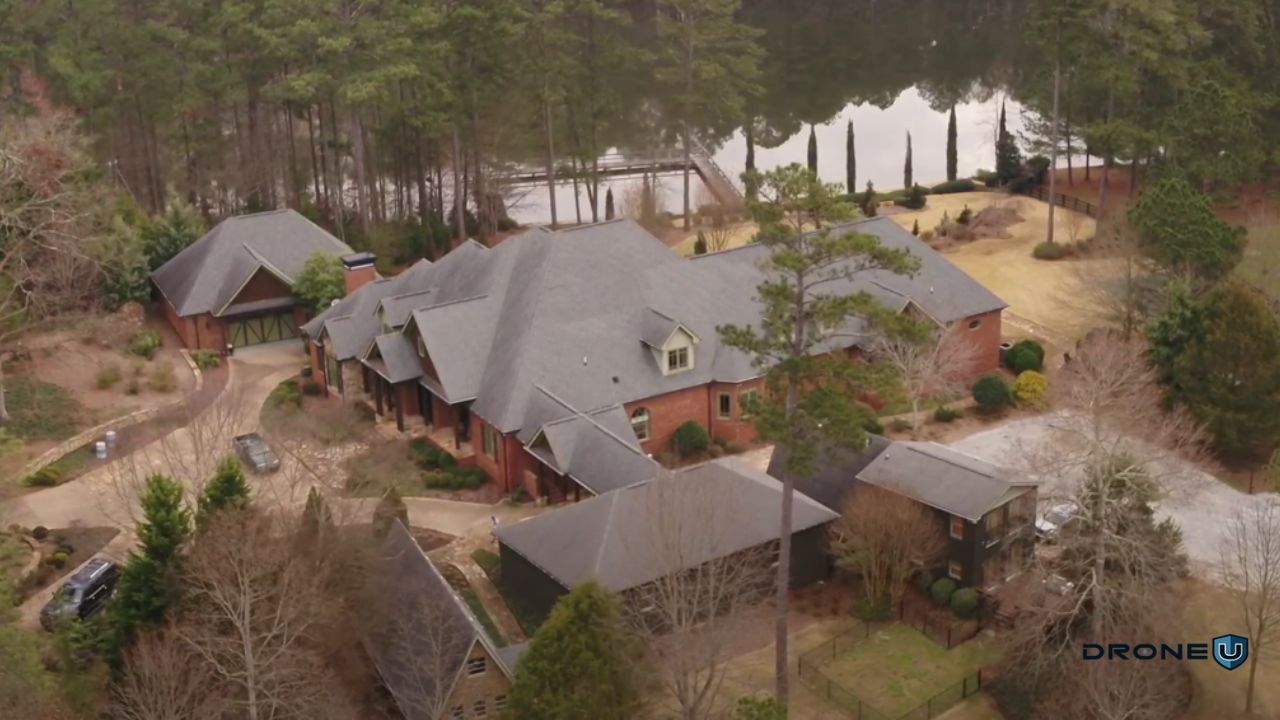
Drone real estate photography involves using unmanned aerial vehicles (UAVs) to capture high-quality images and videos of real estate properties.
Drones enable photographers to capture unique angles and perspectives, surpassing what traditional photography methods can achieve.
High-resolution cameras mounted on drones can capture stunning aerial views of a property from various angles and altitudes.
The technology allows for encompassing the entire property in a single shot, along with the landscape, neighborhood, and surrounding areas.
Why Use Drone Photography For Real Estate Listings?
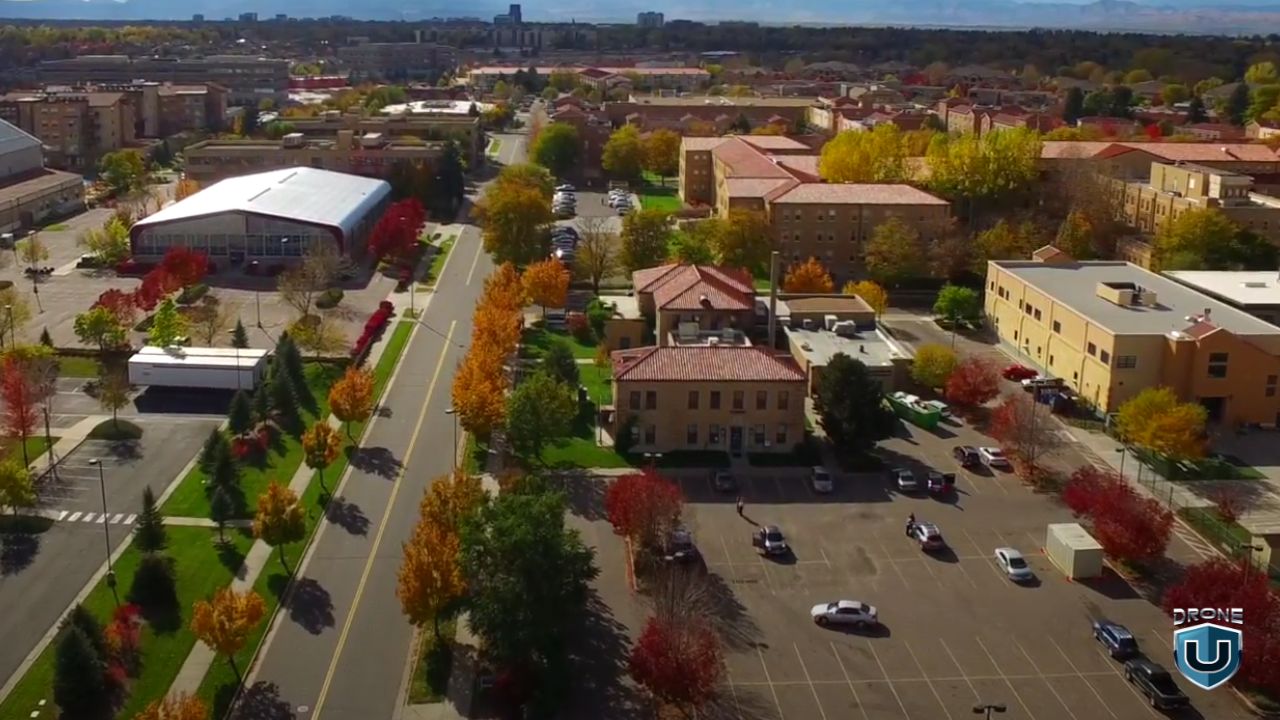
Here are some of the key benefits of using drone photography for real estate listings:
Stunning Aerial Views
Real estate drone photography presents an opportunity to captivate your audience with striking visuals.
Drone aerial shots help to highlight the property’s surroundings.
You can create a visually stunning experience that captures the attention of potential buyers by showcasing the property’s exterior and nearby amenities from an aerial viewpoint.
Enhancing Visual Appeal
Drone photography for real estate offers potential buyers a comprehensive overview of a more accurate understanding of the property’s layout, size, and location.
Additionally, presenting properties from an elevated vantage point through aerial real estate photography provides a fresh visual appeal.
Increased Interest
Commercial real estate drone photography can boost interest in a property. Listings that incorporate drone photos attract more views and expedite sales compared to listings without such visuals.
The uniqueness and comprehensiveness of drone photos enable potential buyers to envision themselves living in the property.
Furthermore, aerial drone photos effectively showcase amenities, such as the property’s proximity to schools, markets, and parks.
Competitive Advantage
In a saturated real estate market, differentiation is crucial. Incorporating drone photography in your marketing strategy provides a valuable competitive advantage, enticing a larger client base. Drone photos leave a lasting impression on buyers, elevating listings and maximizing the likelihood of a successful sale.
Captivating Virtual Tours
By combining drone real estate photography with videography, captivating virtual property tours come to life. These tours seamlessly blend aerial and ground-level shots, providing potential buyers with a holistic understanding of the property. The dynamic fusion of perspectives offers an engaging experience, allowing viewers to explore the property from multiple angles.
Saving Time and Money
Unlike traditional photography methods that often demand significant time and financial investment, real estate drone photography is efficient and cost-effective. With real estate drones, you can capture breathtaking aerial photos efficiently. You’ll save time by eliminating the need for extensive setup.
How to Take Real Estate Photos Using Drones
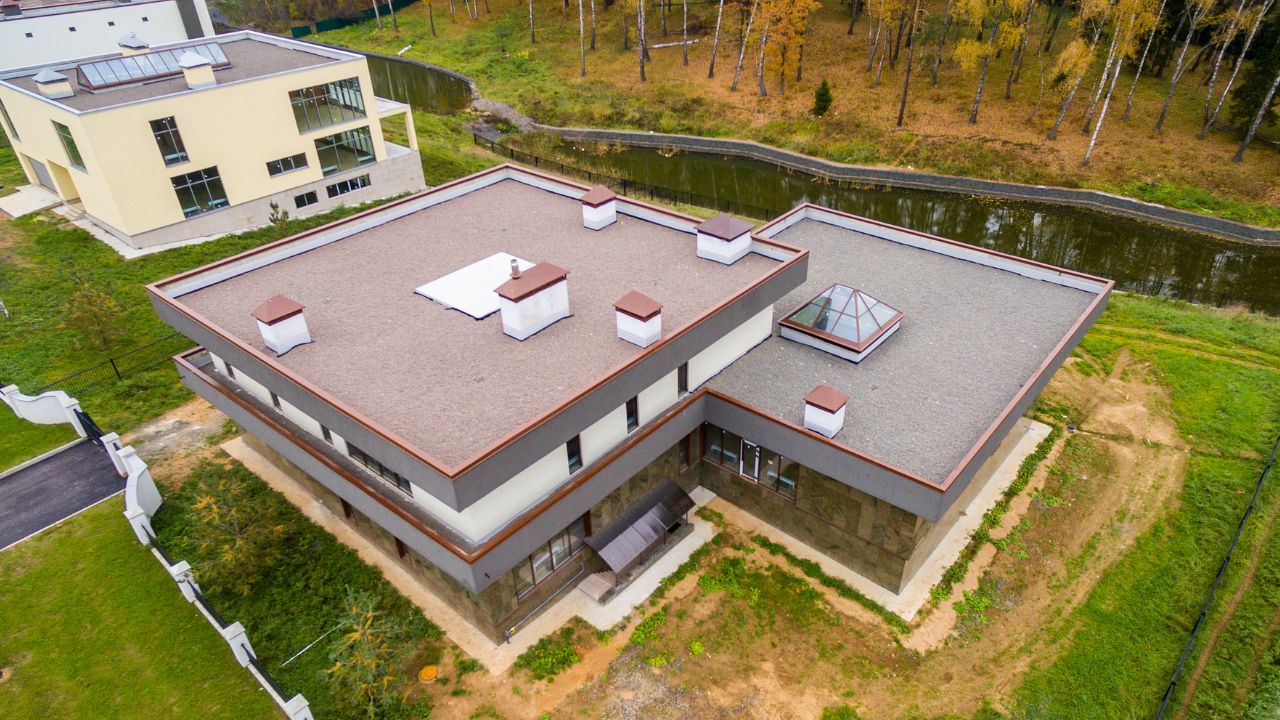
Real estate drone photography involves taking photos that accurately and attractively represent a property for sale or rent. Taking great real estate photos can make the difference between a property selling quickly and lingering on the market for months.
Here are the steps to capturing media that make the property look its best and attract more buyers.
1. Choose the Right Drone
When choosing a drone for real estate photography, consider factors like image quality, battery life, and stability. To achieve exceptional results, here are some tips on choosing the right drone platform:
- Look for drones with advanced camera capabilities, stable flight controls, and extended battery life.
- Consider the drone’s weight and portability for ease of use and transportation.
- Opt for a drone with a high-resolution camera for sharp, clear, and vibrant images.
- Does the drone have features like adjustable exposure settings, manual focus control, and RAW format shooting for post-processing flexibility?
- Invest in extra batteries and memory cards to extend flight time and storage capacity.
- Consider accessories such as propeller guards, ND filters, and a landing pad to protect your drone and optimize image quality.
2. Obtain Necessary Permits
To operate a drone for commercial purposes, it is necessary to acquire the required permits from the Federal Aviation Administration (FAA). Obtaining the permits should be a priority before integrating drone real estate photography into your business.
Make certain to thoroughly review the regulations applicable to your area to ensure a smooth and legally compliant operation. In the United States, for instance, obtaining a Part 107 Remote Pilot Certificate from the FAA is mandatory.
3. Before the Mission
Before heading out for a drone photo shoot, conduct thorough research and visit the property to understand its layout and potential obstacles.
Identify suitable takeoff and landing spots, as well as any no-fly zones or restricted airspace in the area.
Now that you are familiar with the terrain, it is time to do some homework :)!
Create a list of potential shots based on the property’s unique selling points, such as landscaping, architectural features, or panoramic views.
The list will help you plan your mission in advance and you’ll be able to take great shots without wasting a lot of time. Consider the time of day and weather conditions that will best showcase the property. Planning ahead ensures you capture the shots you need efficiently and effectively.
4. During the Mission
Shoot During “Golden Hour”
The right lighting can make a significant difference in your drone photographs. Therefore, aim to shoot during the “golden hour,” which occurs shortly after sunrise or before sunset, to capture warm, soft lighting that enhances the property’s appeal.
Avoid shooting in harsh midday sunlight, as it can create unflattering shadows and washed-out images.
Use Drone Shots Strategically
While drone shots can be incredibly effective, it is important to use them strategically. The aerial shots should be used to highlight the most important features of a property and capture unique perspectives.
On the other hand, you can use ground-level shots to showcase the interior and exterior of a property. Once you’ve captured your photos and videos, make sure to edit them to enhance their quality and create a compelling visual story.
To create visually appealing compositions in drone photography, apply traditional photography principles. Use the rule of thirds, leading lines, and symmetry to capture captivating images that draw viewers in.
Experimenting with different angles, altitudes, and focal lengths will add variety to your shots and showcase the property from multiple perspectives.
5. Editing and Post-Processing
Post-processing is the process of adjusting and enhancing images after they have been captured. It’s a way to make your photos look better and more appealing.
You can make your photos look amazing by using a variety of photo editing software, such as Adobe Photoshop or Adobe Lightroom.
As you edit your photos, try to keep them looking natural and real. It’s important to be honest in how you present your pictures, so people can trust what they see.
If you edit them too much, it might give a false impression and discourage people from liking or buying them.
Expert Tips on Drone Real Estate Photography and Videography
Follow these simple tips to create stunning visuals that will help sell your property faster:
- Capture real estate drone photography and videography during sunrise and sunset for desirable lighting conditions. Embrace the golden hues of the sun in early morning shots, and capture depth and warmth in real estate videos during sunset.
- Consider shooting night time footage. Go the extra mile by using a portable lighting solution like Lume Cubes to light paint the property’s exterior.
- Capture property highlights by clearing any construction debris and turning on lights to enhance the appeal of your real estate photos and videos.
- Showcase the house’s relationship with the neighborhood and highlight nearby amenities, but avoid extremely high aerial shots.
- Aim for smooth, buttery footage by minimizing jerky movements during drone flights. Move the drone naturally, considering wind direction, to eliminate jerks in the footage.
- Use a higher frame rate to slow down video shots without sacrificing smoothness.
- Experiment with different maneuvers to enhance real estate videography. For example, start with a super-wide shot and slowly move through the front door for an engaging approach.
- Consider a “reveal” shot where the subject property is initially hidden from view. Begin without showing the subject property and then gradually reveal it for an intriguing effect.
Capturing Interior Real Estate Photos and Videos with DJI Osmo
 DJI Osmo | Source: SLRLounge
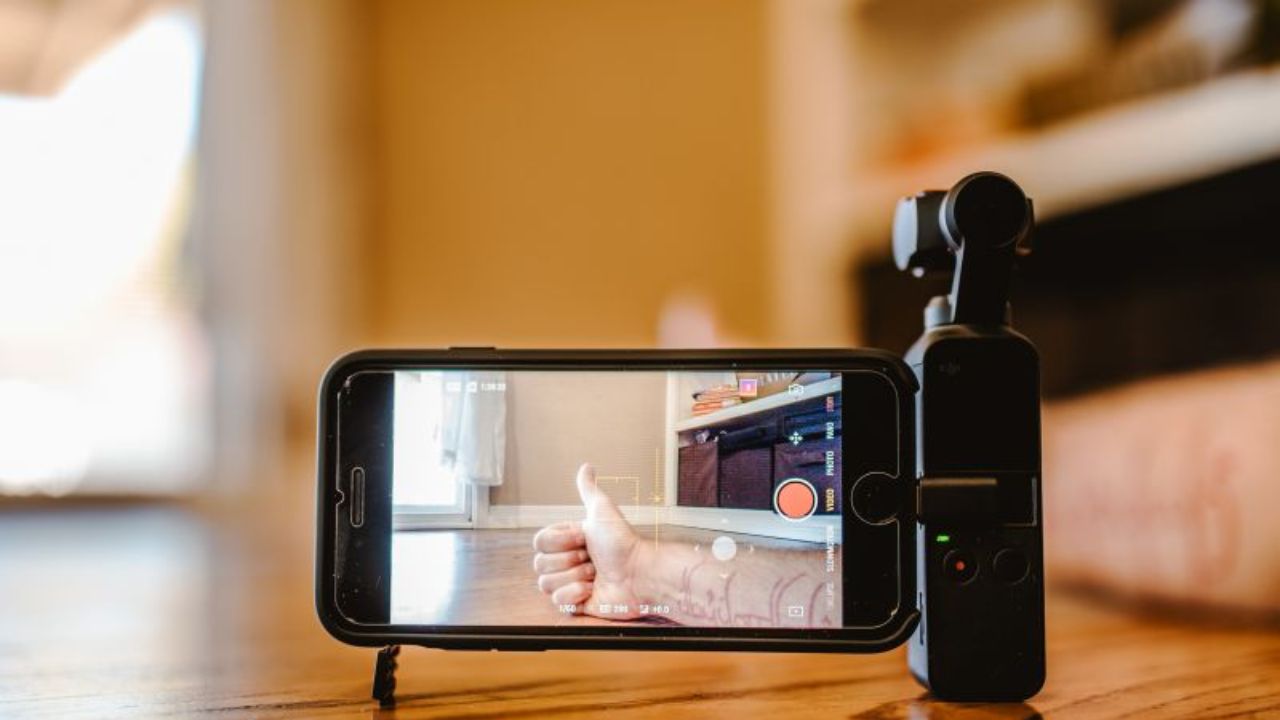
Using Osmo to shoot interior real estate photography and videography certainly has its benefits. However, it is a mistake to carry the Osmo in your hand. Instead, consider mounting the Osmo on a suction cup or a slider, which will result in much better control and, hence, smoother movement.
Additionally, since you can tilt the Osmo through an App, you can easily get the shots you desire. This approach will also result in less post-production work.
One effective technique is to mount the Osmo on a suction cup in the corner of a room. By doing so, you can capture the entire length and breadth of the room.
Consequently, this will make the room appear bigger than it actually is, enhancing its visual appeal.
Shooting the interior of a property comes with its own set of problems. WiFi and ferromagnetic interference can hinder your flight.
To overcome these challenges, resort to tricks such as turning on lights and fans. Additionally, focus on highlights such as the fireplace to further enhance the video quality.
Pro Tip: Set the Correct Exposure
 DJI Z30 Camera Setting
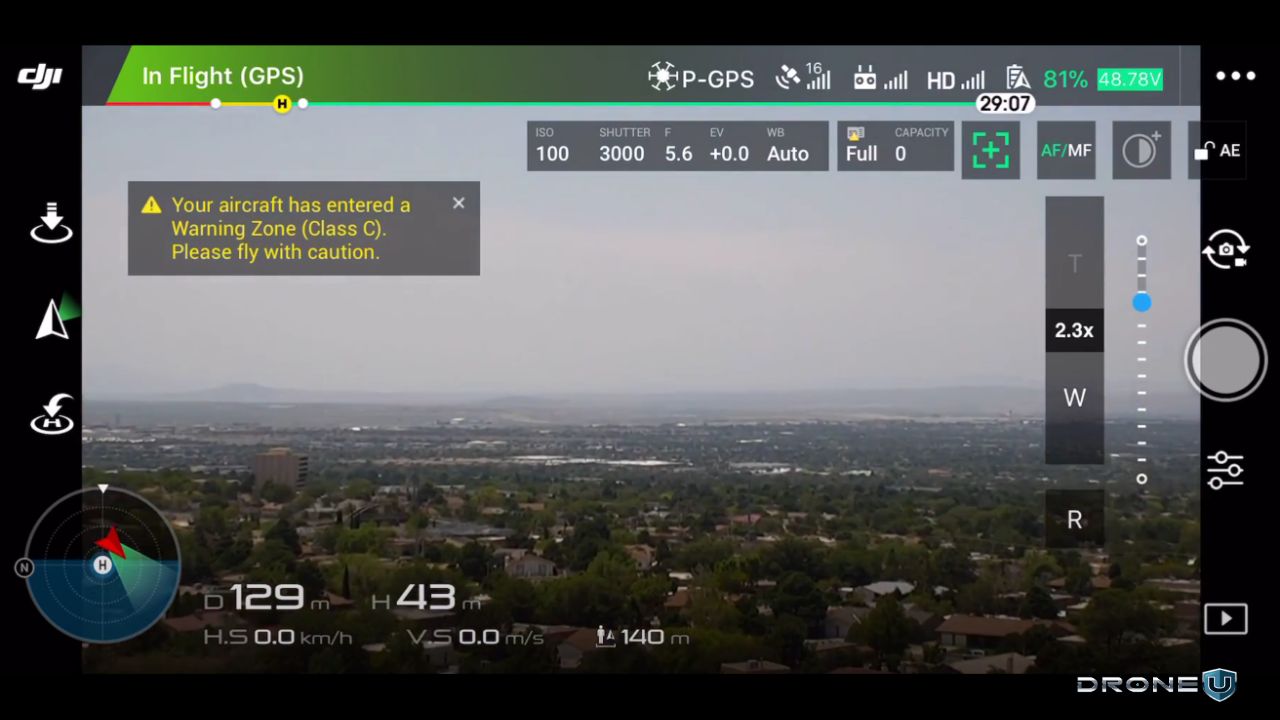
On a bright sunny day, you should use aperture F16. The shutter speed should be reciprocal of the ISO value. So, if your ISO value is 100, then set the shutter speed to 1/100.
Don’t mess around with the ISO on the Phantom or the Inspire. This tends to jack up noise levels substantially.
On overcast days, the F8 aperture is recommended. Using the ND filter on overcast days should be avoided. You can use the polarizing filter instead.
If you do not have adjustable aperture control, setting the white balance and Kelvin level will help you. You can also adjust the exposure value via your drone remote.
Also, remember that having slightly darker videos is perfectly fine. You can adjust the tones of the shadows separately from the mid-tones and the highlights in final cut pro.
However, if your whites are too overexposed, you cannot pull data out of it.
Real Estate Drone Photography Pricing
 Source: Ruby Home
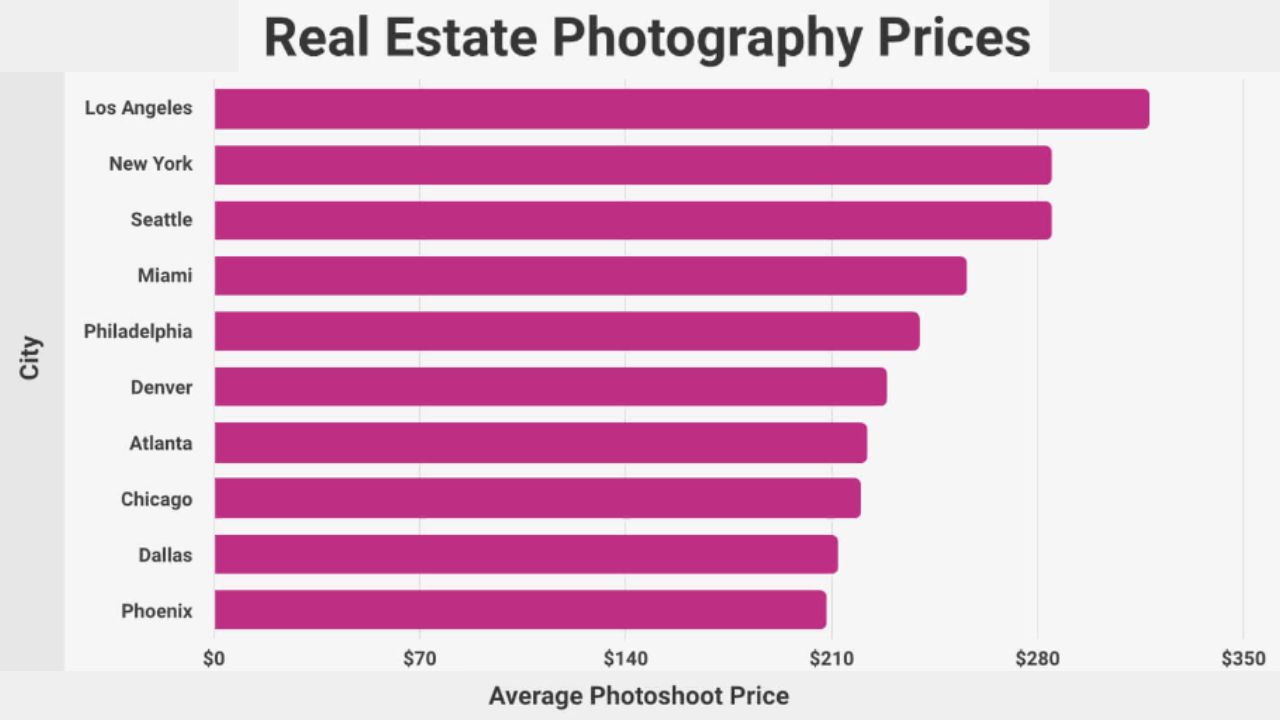
One of the common questions aspiring drone photographers have is how much do real estate photographers make?
While the income of real estate photographers can vary depending on various factors, including their skill level, experience, and market demand, the earning potential is generally promising.
To begin with, it is a good idea to offer multiple options: a low-end option, an intermediate option, and a high-end option. Offering multiple options to the realtor is a smart negotiation strategy that can work in your favor.
Moreover, not many realtors will opt for the low-end option, while the intermediate option is likely to be the most popular. In the high-end option, you can provide upsells such as slo-mo and 4K footage.
However, trying to market just aerial photos to realtors is not advisable at all. The entry barrier is low and competition is cutthroat.
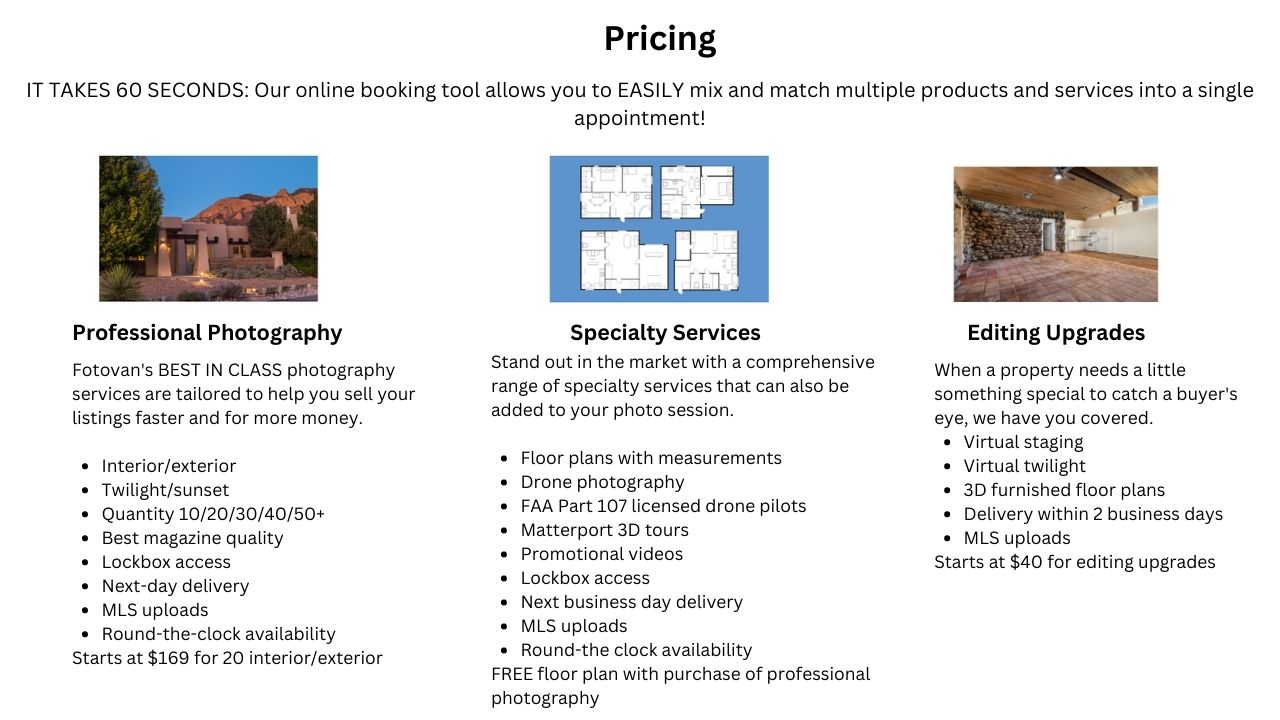
Organizations like FotoVan are capturing the market by offering aerial photos for as little as $130. Nevertheless, you can provide aerial photos as an upsell to your clients.
Fotovan Real Estate Photography Pricing | Source: FotoVan
Now, let’s talk about pricing.
So, how much to charge for drone real estate photography for a house? In a place like New Mexico, you should be able to charge $650 for a sub $500,000 house.
However, if you are shooting in a place like Colorado, you can easily charge $1,000 for a house in this price range.
In extremely small towns, you might have to lower your price to $500 per house.
Shooting luxurious properties is certainly a more lucrative option. It is not uncommon at all to charge $1,500 for a million-dollar house.
For luxurious properties, the agents have fatter commissions and larger marketing budgets.
Furthermore, properties marketed nationwide are likely to have higher quality requirements. For instance, a high-end ranch shoot is likely to net you $3,500 and upwards.
Frequently Asked Questions
Can anyone use drones for real estate photography?
Yes, anyone can use drones for real estate photography, provided they adhere to the local regulations and obtain the necessary permits and licenses.
How much does real estate drone photography cost?
The cost of real estate drone photography can vary depending on various factors, such as the location, size of the property, and the scope of the project. On average, prices can range from a few hundred to a few thousand dollars.
Are there any legal restrictions or regulations for real estate drone photography?
Yes, there are legal restrictions and regulations for drone photography for real estate that vary from country to country. So it is important to familiarize yourself with the local regulations before operating a drone for real estate photography.
How can drone photography for real estate benefit commercial properties?
Aerial photography for real estate can capture expansive views, showcasing a property’s proximity to main roads, transportation hubs, and other commercial centers. This can be especially advantageous when marketing office buildings, shopping centers, or industrial spaces.
Can drones for real estate be used for property inspections?
Yes, real estate drones can be used to conduct thorough property inspections, even in areas that are difficult or dangerous to access.
Conclusion
In conclusion, using drone photography for real estate can make a big difference in the competitive market. It’s a unique and innovative way to stand out from your competitors and attract more potential clients. To make the most of drone photography, you need to plan carefully, get the right equipment, and have an eye for good composition. By doing these things, you can open up many exciting opportunities and make your real estate listings even more impressive.
1

Comparing DJI Mavic 3 Models: Mavic 3 Pro | Cine | Classic | Enterprise
Do you find yourself pondering which DJI Mavic 3 model is the perfect fit for you?
With all the Mavic 3 drone choices out there, it can be overwhelming to decide which one suits your needs. But worry not, we’ve got your back!
In this article, we’ll take a look at the different DJI Mavic 3 models and compare their features, specs, and prices to help you make an informed choice.
Let’s get started!
DJI Mavic 3 Drones: Finding Your Perfect Fit!
DJI has revolutionized the drone industry. DJI drones are equipped with advanced features that make them perfect for professional photography and videography.
DJI has now released 2 new Mavic drone models, the Mavic 3 Pro and Mavic 3 Cine. In one fell swoop, they also replaced 2 models of the Mavic drone, the Mavic 3 and Mavic 3 Cine with the new drones.
On Twitter, we joked that if you want to enjoy all the features of a Phantom 4 Pro, you’ll need to get two different Mavics. And to have the same level of fun flying the Mavic 3 as previous models, you only need one Mavic that takes flight without banking turn mode.
But DJI’s latest announcement of a new model of the Mavic 3 has finally shown their intent to replace all versions of the Phantom.
Let’s break down the real differences between these Mavic drones and showcase a true comparison of the various models.
Models of the DJI Mavic 3 series:
- DJI Mavic 3 Pro vs DJI Mavic 3 Pro Cine
- DJI Mavic 3 Pro Cine vs DJI Mavic 3 Classic
- DJI Mavic 3 Classic vs DJI Mavic 3 Enterprise
- DJI Mavic 3 Pro vs DJI Mavic 3 Enterprise
Features of the DJI Mavic 3 Series
Let’s take a closer look at each of the four models in the DJI Mavic 3 series.
- Mavic 3 Pro: Flagship model, boasts of high-end features
- Mavic 3 Pro Cine: Best for filmmakers
- Mavic 3 Classic: More affordable yet reliable drone
- Mavic 3 Enterprise: Best for industrial and commercial use
1. Mavic 3 Pro: The High-End Option
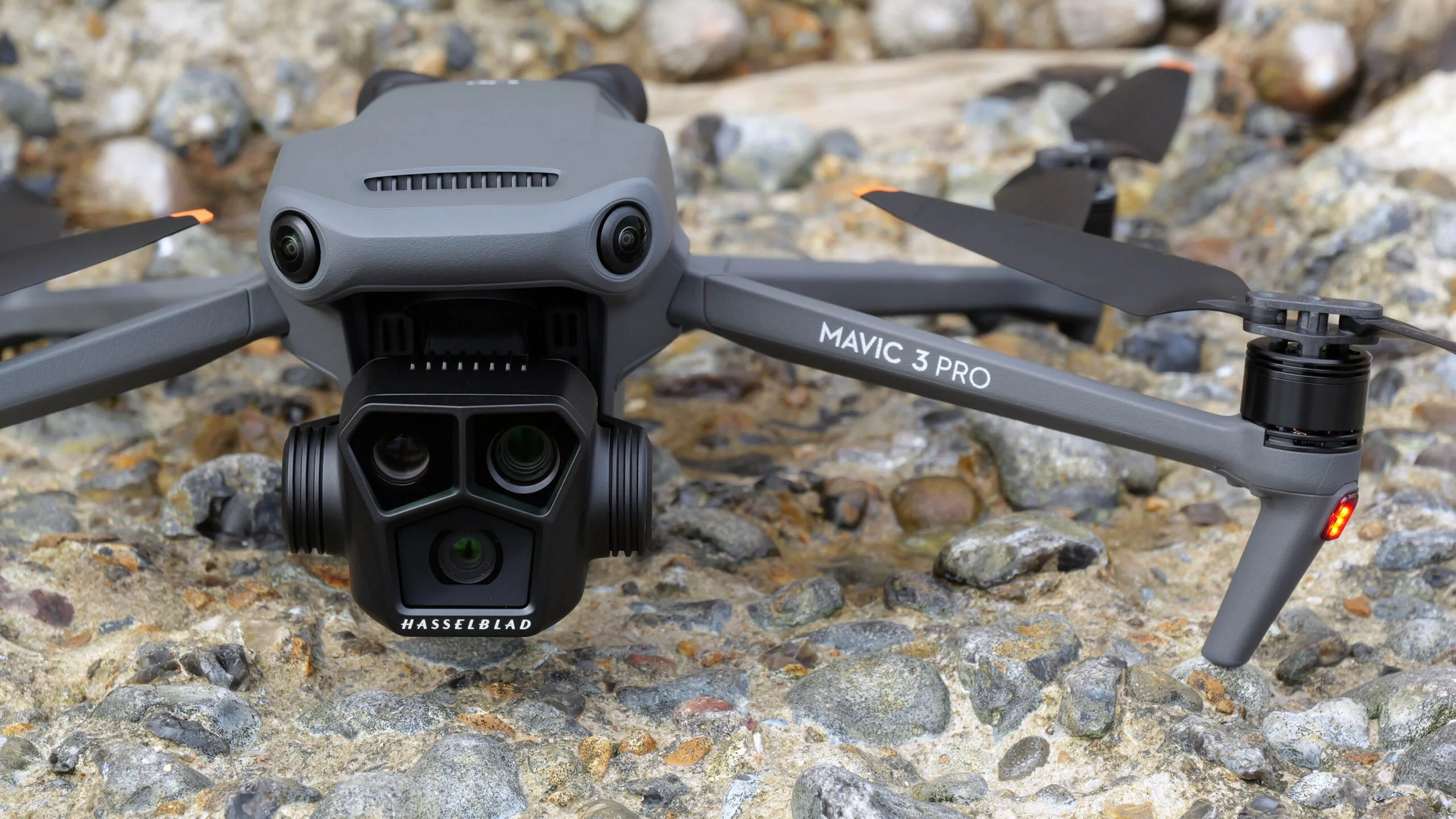 DJI Mavic 3 Pro
The Mavic 3 Pro is DJI’s flagship model in the Mavic 3 series. It features a Hasselblad camera with a 20-megapixel 1/1.3-inch CMOS sensor that can shoot 4K video at 60fps. The camera also supports HDR and a 10-bit Dlog-M color profile, giving you a wider dynamic range and more flexibility in post-production.
The Mavic 3 Pro has a maximum flight time of 43 minutes and a range of up to 15 km HD Video Transmission. It comes with DJI’s Advanced Pilot Assistance System (APAS) 5.0, which uses omnidirectional obstacle sensing and advanced algorithms to avoid obstacles during flight. It also has ActiveTrack 5.0, which can track and follow moving subjects with greater precision.
It also features an adjustable aperture, which gives you greater control over the depth of field in your shots. This model is perfect for professional photographers and videographers who want the best possible aerial images from their drones.
2. Mavic 3 Pro Cine: The Cinematographer’s Dream Come True
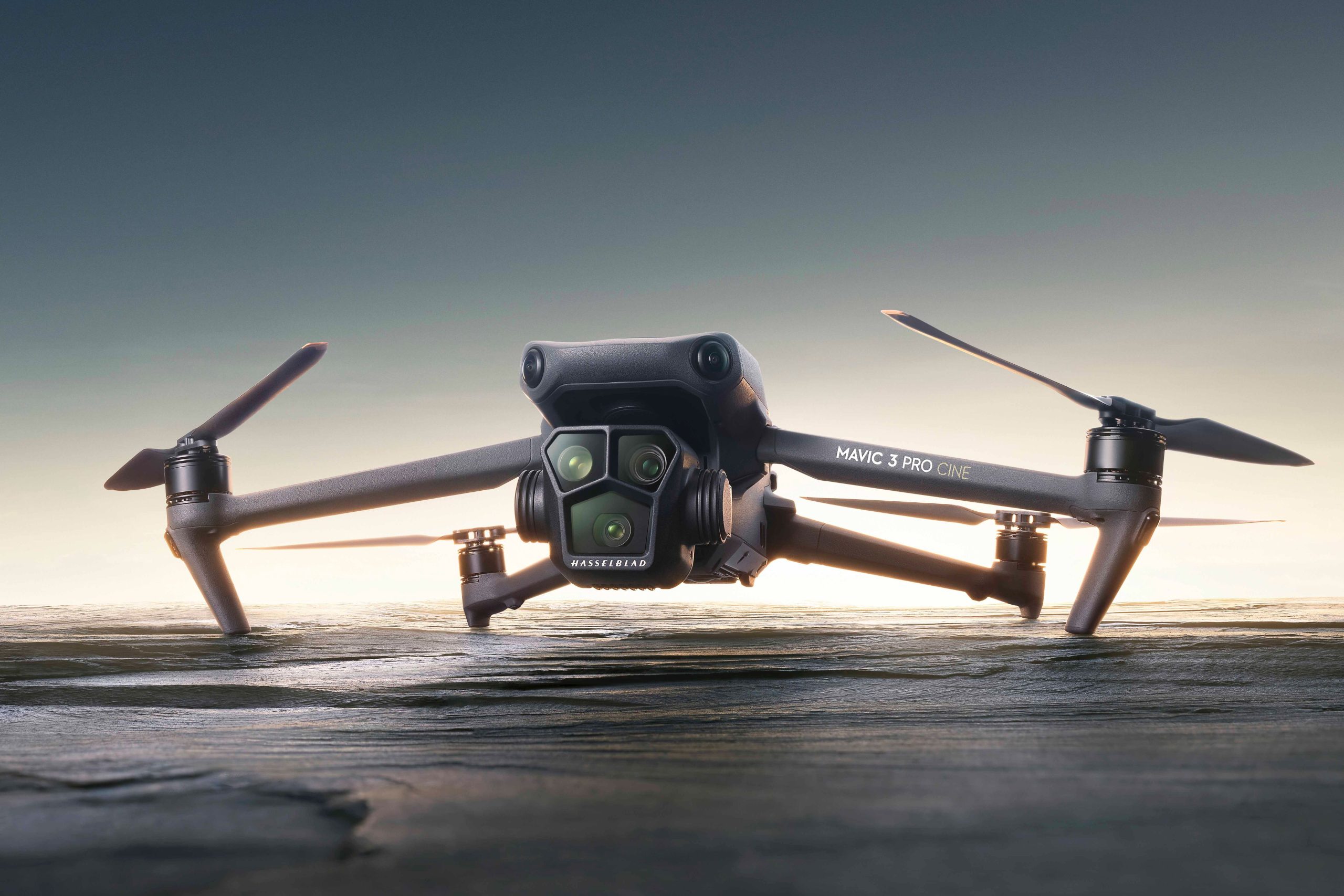 DJI Mavic 3 Pro Cine | Source: The Verge
The Mavic 3 Pro Cine is designed specifically for professional filmmakers and cinematographers. It features a high-quality camera with a large 1/1.3-inch CMOS sensor that can shoot 4K video at 60fps. The camera supports Apple ProRes 422 HQ, Apple ProRes 422, and Apple ProRes 422 LT encoding. It also has a built-in 1TB SSD and a 10Gbps lightspeed data cable, giving you more control over the final image in post-production.
The Mavic 3 Pro Cine also has a maximum flight time of around 43 minutes and a range of up to 15 km. It also has APAS 5.0 and ActiveTrack 5.0 for obstacle avoidance and subject tracking.
If you’re a professional filmmaker or cinematographer, then Mavic 3 Pro Cine is the drone for you.
3. Mavic 3 Classic: The All-Around Performer
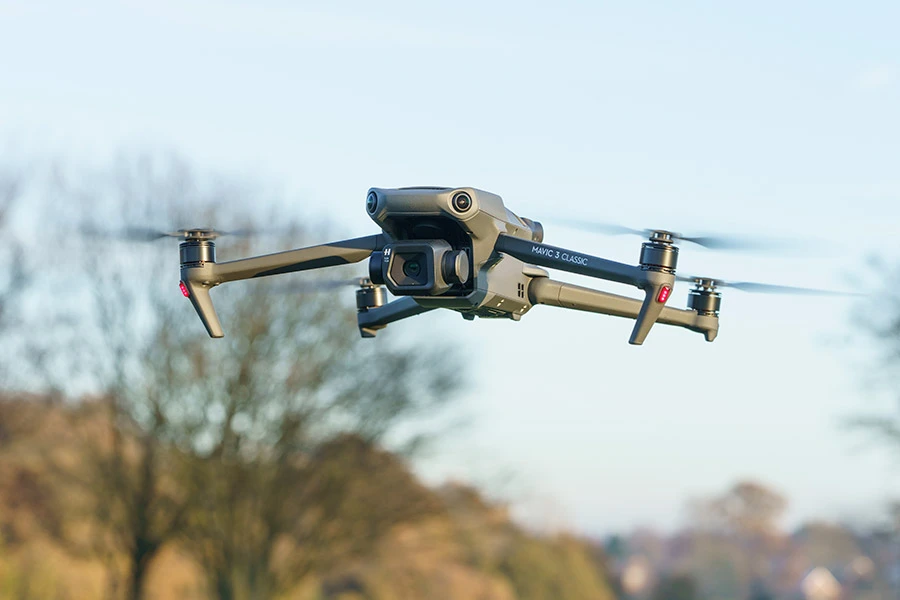 DJI Mavic 3 Classic | Source: Amateur Photographer
The Mavic 3 Classic boasts a powerful flight performance and a top-of-the-line Hasselblad camera, delivering unparalleled flagship imaging. You can take it on any adventure to capture unforgettable footage. Its 4/3 CMOS Hasselblad Camera, Omnidirectional Obstacle Sensing, and 46-minute maximum flight time make it the ultimate drone for creating stunning visuals.
Get this, with APAS 5.0, the Mavic 3 Classic is always on the lookout for obstacles in every direction and can easily bypass them.
And here’s the best part: the Mavic 3 Classic is compatible with Mavic 3-Series batteries, which gives you a whole 40 minutes of hovering time and 46 minutes of flight time. That’s more than enough time to create epic footage.
4. Mavic 3 Enterprise: The Workhorse
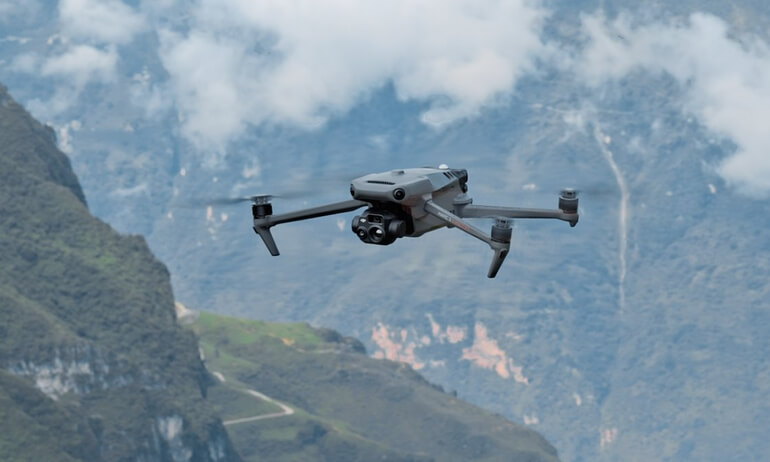 DJI Mavic 3 Enterprise | Source: DJI
The Mavic 3 Enterprise Series is totally changing the game in the small commercial drone world. This drone is equipped with all the latest and greatest features, like a mechanical shutter, a 56× zoom camera, and an RTK module that gives you centimeter-level precision. And if that’s not enough, there’s also a thermal version available for all your firefighting, search and rescue, inspection, and night operations needs.
One thing that really sets the Mavic 3 Enterprise apart is its compact and portable design. You can carry it with just one hand and be ready to deploy it immediately. It’s perfect for both newbies and seasoned pilots, and it can handle long missions like a champ.
Plus, with a wide-angle 4/3 CMOS, 20MP sensor that has a mechanical shutter to prevent motion blur and rapid 0.7-second interval shooting, you can complete mapping missions with ease and efficiency – no Ground Control Points required!
Comparison of DJI Mavic 3 Models
Let’s be honest, DJI has bifurcated the features on their drones to keep up with the competition.
If you need a drone capable of mapping, you’ll need the Mavic 3 Enterprise.
But if you’re looking to shoot a 4K60 video, you’ll need a different Mavic model.
And if you want to capture High Dynamic Range photos on your M3 Enterprise, tough luck. You’ll need to purchase another Mavic drone to get that feature.
But will that change with the Mavic 3 Pro? Maybe.
Here’s a comparison of the different Mavic 3 models.
DJI Mavic 3 Pro vs DJI Mavic 3 Pro Cine
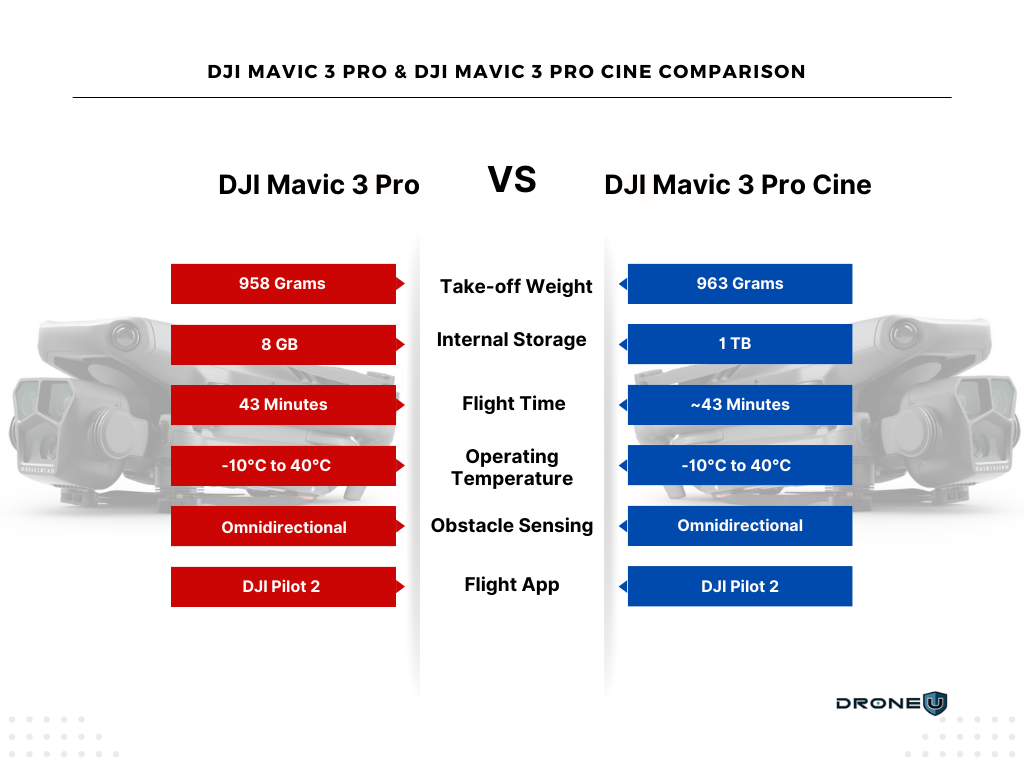
| Features | Mavic 3 Pro | Mavic 3 Pro Cine |
| Take-off Weight | 958 Grams | 963 Grams |
| Price | $2,999 | $4,799 |
| Tele Camera | 1/1.3-inch CMOS up to 3x Optical Zoom
1/2-inch CMOS up to 28x Hybrid Zoom |
1/1.3-inch CMOS up to 3x Optical Zoom
1/2-inch CMOS up to 28x Hybrid Zoom |
| Video Resolution | Hasselblad Camera: 5.1K/50fps, 4K/120fps
Tele Camera: 4K/60fps |
Hasselblad Camera: 5.1K/50fps, 4K/120fps
Tele Camera: 4K/60fps |
| Internal Storage | 8 GB | 1 TB |
| Maximum Flight Time | 43 Minutes | ~43 Minutes |
| Operating Temperature | -10°C to 40°C | -10°C to 40°C |
| Obstacle Sensing | Omnidirectional | Omnidirectional |
| Apple ProRes | Absent | Tri-Camera Apple ProRes Support |
| Flight App | DJI Pilot 2 | DJI Pilot 2 |
| Remote With Screen | Yes | Yes |
DJI Mavic 3 Pro Cine vs DJI Mavic 3 Classic
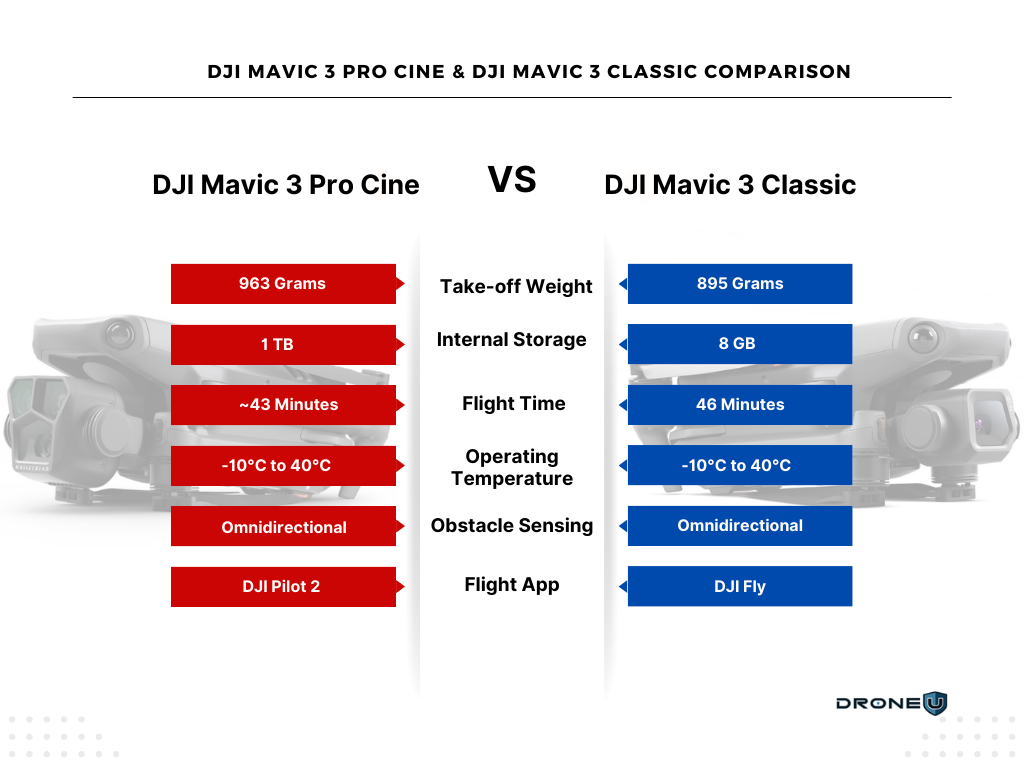
| Features | Mavic 3 Pro Cine | Mavic 3 Classic |
| Take-off Weight | 963 Grams | 895 Grams |
| Price | $4,799 | $1,599 |
| Tele Camera | 1/1.3-inch CMOS up to 3x Optical Zoom
1/2-inch CMOS up to 28x Hybrid Zoom |
Does not have Tele Camera |
| Video Resolution | Hasselblad Camera: 5.1K/50fps & 4K/120fps for HD slow-motion videos
Tele Camera: 4K/60fps |
Hasselblad Camera: 5.1K/50fps & 4K/120fps for HD slow-motion videos |
| Internal Storage | 1 TB | 8 GB |
| Maximum Flight Time | ~43 Minutes | 46 Minutes |
| Operating Temperature | -10°C to 40°C | -10°C to 40°C |
| Obstacle Sensing | Omnidirectional | Omnidirectional |
| Apple ProRes | Tri-Camera Apple ProRes Support | Absent |
| Flight App | DJI Pilot 2 | DJI Fly |
| Remote With Screen | Yes | No |
DJI Mavic 3 Classic vs DJI Mavic 3 Enterprise
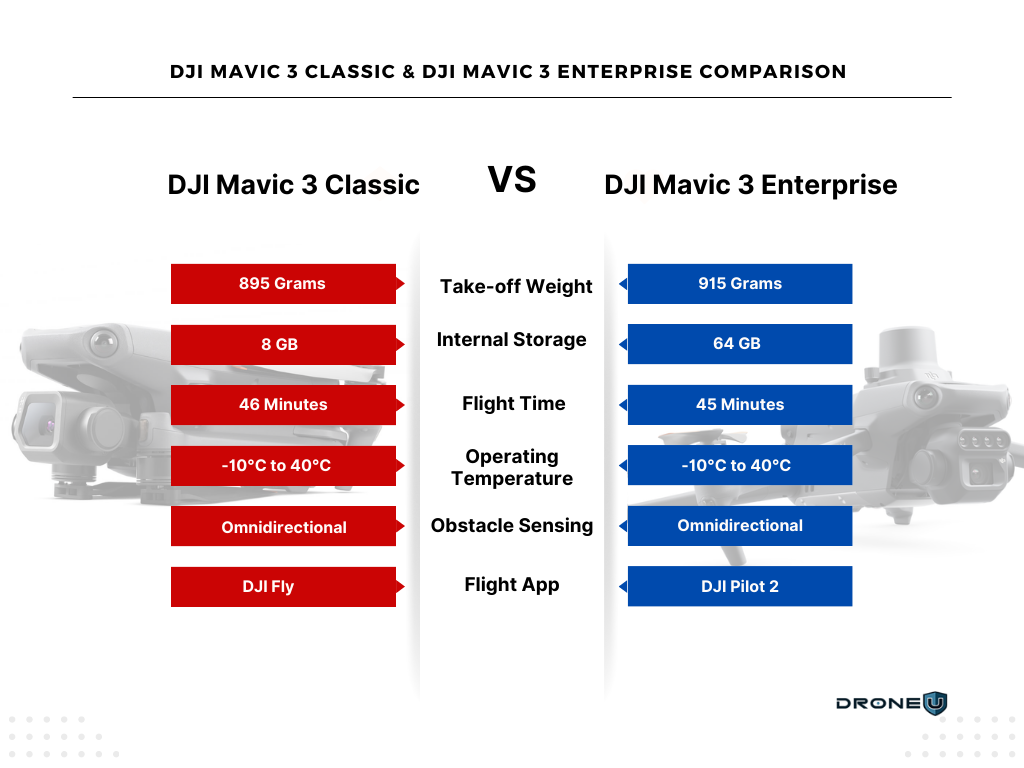
| Features | Mavic 3 Classic | Mavic 3 Enterprise |
| Take-off Weight | 895 Grams | 915 Grams |
| Price | $1,599 | $3,810 |
| Tele Camera | Does not have Tele Camera | 1/2-inch CMOS (12 MP) |
| Video Resolution | Hasselblad Camera: 5.1K/50fps & 4K/120fps for HD slow-motion videos | 4K: 3840×2160 @ 30fps
FHD: 1920×1080 @ 30fps |
| Internal Storage | 8 GB | 64 GB |
| Maximum Flight Time | 46 Minutes | 45 Minutes |
| Operating Temperature | -10°C to 40°C | -10°C to 40°C |
| Obstacle Sensing | Omnidirectional | Omnidirectional |
| Apple ProRes | Absent | Absent |
| Flight App | DJI Fly | DJI Pilot 2 |
| Remote With Screen | No | Yes |
DJI Mavic 3 Pro vs DJI Mavic 3 Enterprise
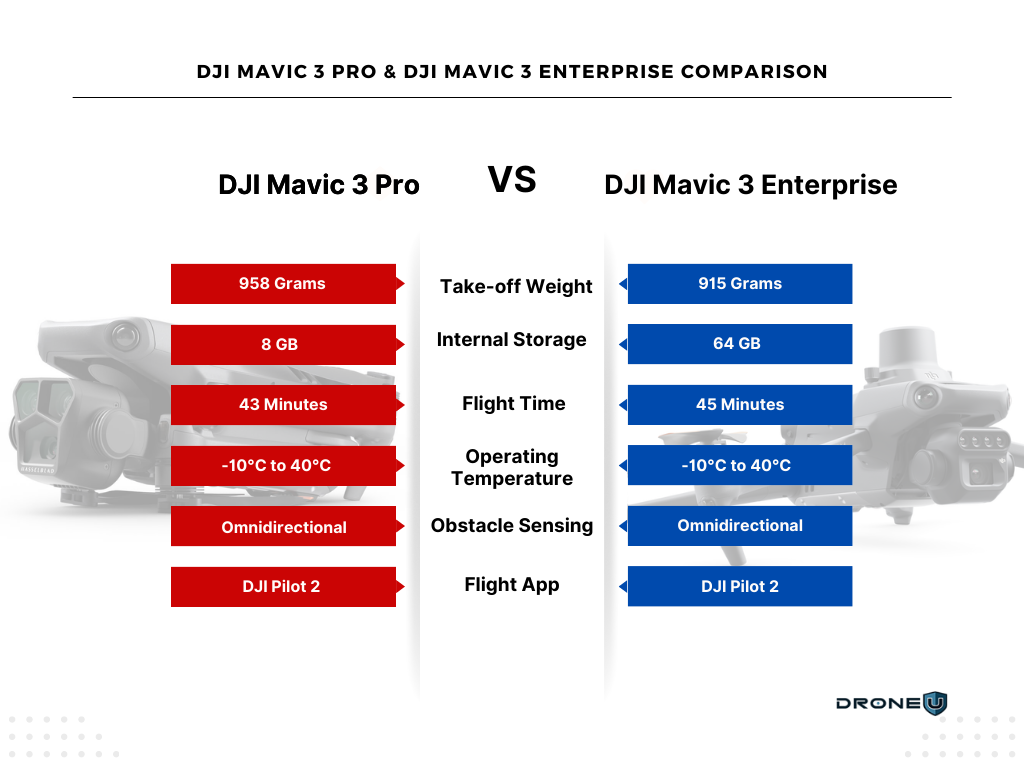
| Features | Mavic 3 Pro | Mavic 3 Enterprise |
| Take-off Weight | 958 Grams | 915 Grams |
| Price | $2,999 | $3,810 |
| Tele Camera | 1/1.3-inch CMOS up to 3x Optical Zoom
1/2-inch CMOS up to 28x Hybrid Zoom |
1/2-inch CMOS (12 MP) |
| Video Resolution | Hasselblad Camera: 5.1K/50fps, 4K/120fps
Tele Camera: 4K/60fps |
4K: 3840×2160 @ 30fps
FHD: 1920×1080 @ 30fps |
| Internal Storage | 8 GB | 64 GB |
| Maximum Flight Time | 43 Minutes | 45 Minutes |
| Operating Temperature | -10°C to 40°C | -10°C to 40°C |
| Obstacle Sensing | Omnidirectional | Omnidirectional |
| Apple ProRes | Absent | Absent |
| Flight App | DJI Pilot 2 | DJI Pilot 2 |
| Remote With Screen | Yes | Yes |
Conclusion
In conclusion, the DJI Mavic 3 lineup offers a variety of models that cater to different needs and requirements. No matter which model you choose, the DJI Mavic 3 series promises exceptional performance and high-quality footage.
Each model has its unique set of features and capabilities, so it is essential to consider your needs and preferences before making a purchase.
If you’re interested in learning more about these drones and how to fly them safely without crashing, you should definitely check out our Don’t Crash course.
0
Year-wise Key Changes in Part 107 Rules
In this article, we’re going to dive headfirst into the year-wise key changes in Part 107 rules.
Just as we thought flying drones would be harder, now it is even easier. New rule changes to Part 107 will make common commercial jobs much easier. Part 107 pilots are excited, they no longer have to file night waivers, over people waivers, or take recurrent tests.
The new rule changes to Part 107 make the life of a drone pilot much easier. The FAA did release the final Remote ID guidelines, albeit they will not be implemented until 2023. This article will focus on explaining the changes to Part 107 outside of Remote ID.
March 2021: Changes in Part 107 Rules
Removed: Part 107 Recency Test
- Replaced with: Part 107 Recurrent Training
- Note: If you need to renew your 107 between now and March 1, 2021, just wait for the implementation of the 107 recurrent training portal.
- If you took the online recurrent test during 2020, just take the new recurrent training offered on March 1st, 2021.
- Veteran Pilots: Note this will make forgetting information easier. Make sure to stay on top of your info by flying. Fly often and in numerous environments. Challenge your knowledge at home and stay involved with a community.
Removed: Need for Night Time Waivers
As of March 2021, you will no longer need to apply for a night waiver to fly beyond civil twilight.
- Drone pilots will still need to attach a strobe for civil twilight flights into the night. Remember they must be visible for 3 statute miles. Remember to place the unit on the top of the aircraft, not the bottom so other pilots can see you.
- Instead of filing for waivers, pilots will be trained on Night Time Operations questions during their recurrent training.
- Thank You to the FAA for recognizing Drone U as the Flight School that was responsible for helping most pilots acquire their night-time waiver. Almost 1,438+ pilots acquired their waiver with our night time waiver video. Albeit, we are thrilled to see the FAA implement these new drone rules under 107.
New Part 107 Pilots Will Have More Part 107 Questions
Pilots who wish to turn their passion into profit will face new questions on the Part 107 drone exam. New drone rules from Part 107 increase the exam question pool. Drone pilots familiar with the night waiver will recognize these new questions, as these issues must be addressed in night time waivers.
Topics that you will be tested on include:
- Night Illusions, Limited Depth Perception, and solutions
- Aircraft Lighting Requirements
- Landing and Takeoff Requirements
- Crew Requirements
- Aircraft Avoidance Protocols and Emergency Maneuvers.
Our Part 107 Material is being updated, but the FAA is not releasing the new questions until March. Be aware of flight schools marketing they can teach you this new material before March 2021.
March 2023: Changes in Part 107 Rules
Removed Part 107 Flight Over People Waivers
Another new Part 107 drone rule eliminates the need for the flight over people’s waivers. Avid drone pilots will remember our Podcast, foreshadowing what was to come with the flight over people, and we were not that far off.
As of March 2023, the FAA will have 4 categories to fly over people. These categories represent different sizes of drones and what is possible for each aircraft. As of right now, a DJI Mini 2 aircraft, with propellers could fly over people without any additional nod or approval from the FAA. Yet, Mini 2 would have to broadcast RID to work, which we believe DJI will update Occusync to work.
Categories of aircraft that can fly over people include:
Category 1: Aircraft weighing less than .55lbs and has prop cages+ RID ready.
- No FAA-accepted Means of Compliance (MOC) or Declaration of Compliance (DOC) required
Category 2: The drone must not cause 11 lbs of Kinetic Energy upon impact with a human. If you’re wondering if your drone will comply with this rule, check out this kinetic energy calculator. Did this 11 lbs of kinetic energy come from the Virginia Tech tests, which showed that most drones are safe to fly over people… at least the small ones?
- Must have prop cages
- Requires FAA accepted means of compliance and FAA declaration of compliance required.
Category 3: The drone must not cause more than 25 lbs of Kinetic Energy upon impact with a human.
- Must have prop cages
- Requires FAA-accepted means of compliance and FAA-accepted declaration of compliance
Category 4: Aircraft must have an airworthiness certificate issued under Part 21 of FAA regulations
Added Flight Over Moving Vehicles Subject to Categories of Flight Over People
- The FAA addressed the numerous concerns of flight over moving vehicles as most of the industry stated that routine operations were indeed safe, with specific circumstances. The FAA will allow routine flight over moving vehicles, but not sustained flight. The drone pilot must be transversing unless the operation is in a “restricted access area.”
- The catch: In order to have routine flights over moving vehicles, your drone must meet the requirements of the categories stated above.
- Once again, this showcased the value of a drone like the Mini 2. Which will be able to fly over moving vehicles without any FAA-accepted means of compliance.
The FAA made it clear years ago what their plan was for the drone industry. Luckily, they are listening to the industry and moving forward. For that, we are grateful to the FAA.
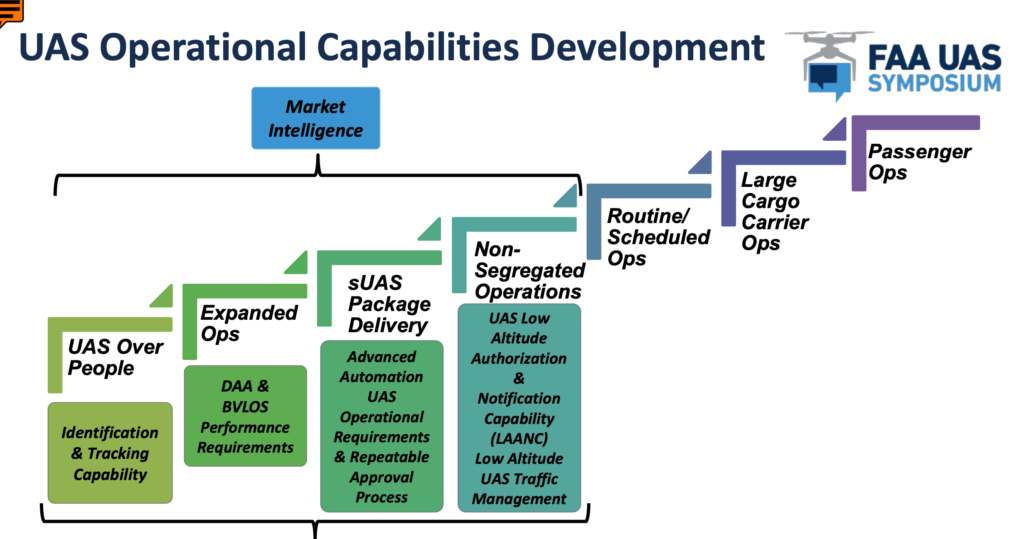
During our podcast of the 2017 FAA symposium, we mentioned how the FAA wants to make the flight over people, RID, and night time operations happen soon. These drone operations are enablers for more advanced regulatory systems to empower advanced drone operations. Advanced operations like beyond-visual-line-of-sight drone delivery.
Visit the “FAA Part 107 Practice Test” article to get a set of sample questions for the FAA 107 exam.
For the full-text explanation of the new drone-related rules to Part 107, see the list of FAA-provided resources below.
FAA Resource Documents explaining new Part 107 Rules for 2021 – 2023
0

Why become a Drone Pilot
If you’re considering why become a drone pilot, consider a growing demand for skilled pilots, a life outdoors and a constantly changing environment and challenges.
0
How to qualify a drone pilot
Trying to find a professional drone pilot, but you’re not sure how to qualify a drone pilot? Look no further as we break down drone pilot qualifications. Continue reading
0

-
 Brinc Admits, We Caused the DJI Drone Ban! EXCLUSIVE
-
 Brinc Admits they're behind DJI Ban | Auterion Creates Drone Swarm Brain
-
 Trump Card on the DJI Ban, May be Best drone news of 2025. Will he tiktok DJI?
-
 This Drone Trick Makes Real Estate Videos Awesome!
-
 Exploring Drone Security: Opportunities and Challenges
More on Hot Topics